Adopted Cat Meowing All Night: How to Stop It
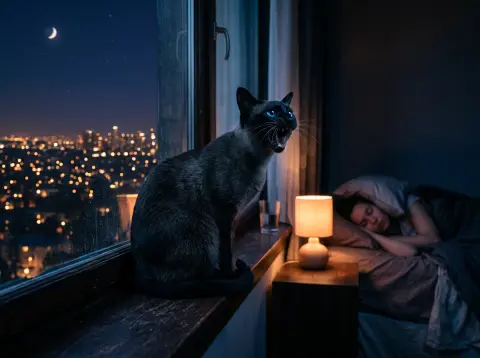
Adopted cat meowing all night? Discover why it happens, how to create a calm environment, and a realistic timeline to quiet nighttime meows.
The Munchkin is the original short-legged cat breed, with its signature look caused by a natural genetic mutation first documented in Louisiana in 1983. Medium-sized at 6–9 pounds, the Munchkin has a proportional body, walnut-shaped eyes, and legs roughly three inches shorter than those of a standard cat. Their coat can be short or long, appearing in every color and pattern — from cinnamon tabby to blue smoke.
Munchkins are confident, outgoing cats that never seem to realize they are vertically challenged. They are known as "magpies" for their habit of collecting and hoarding small, shiny objects under furniture. Sociable and playful, Munchkins get along famously with children, dogs, and other cats — making them excellent family pets.
Enchanted by those adorable short legs? Discover Munchkin cats waiting for their forever homes on Puplister.
Answer 5 quick questions to see how well this breed matches your lifestyle.
Check back soon or browse all cats.
1 pet available
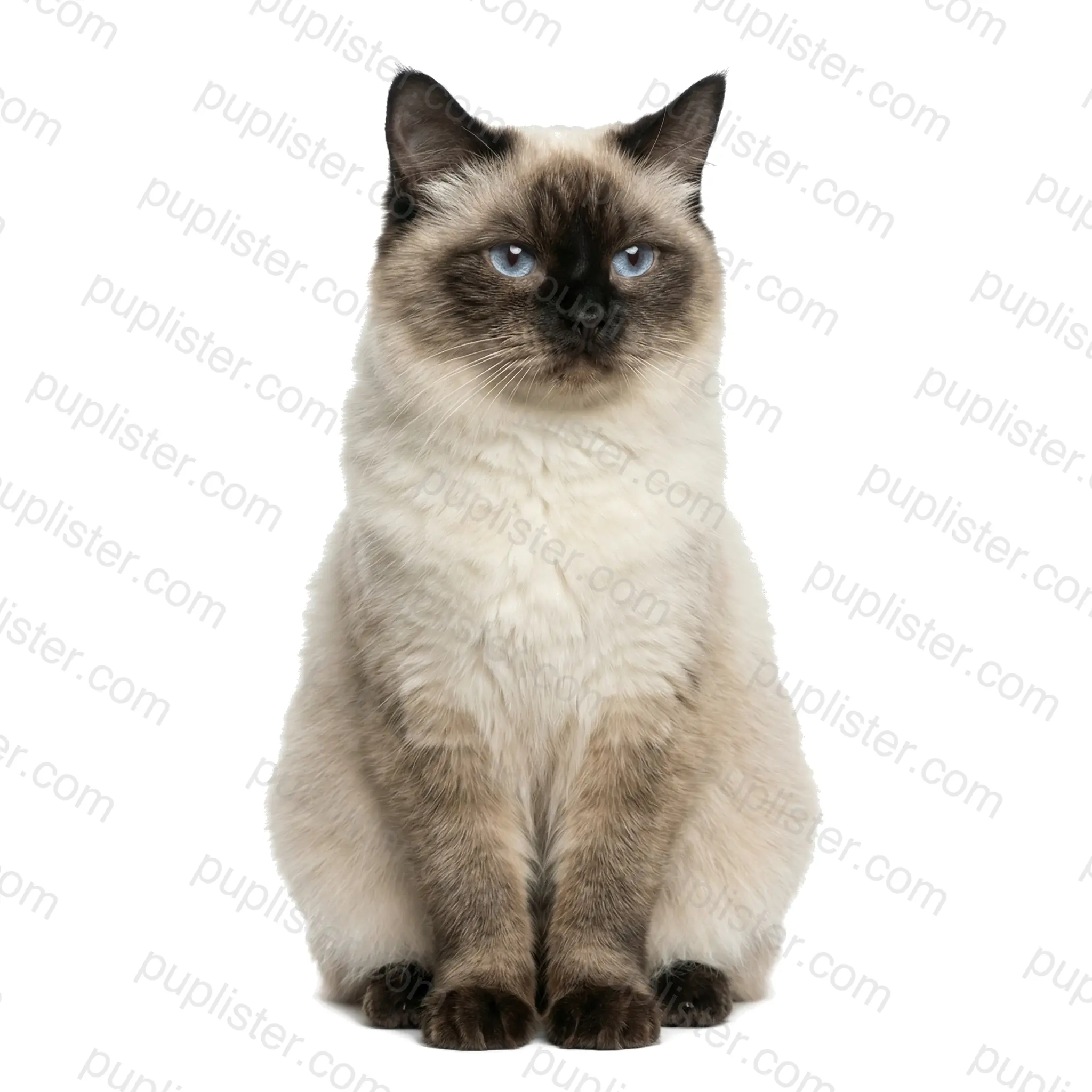
About the Himalayan The Himalayan — known as the Colourpoint Persian in Europe — was developed in the 1930s–1950s by crossing Siamese with Persians to combine the Persian's luxurious coat with Siamese point coloring. This medium-to-large breed weighs 7–14 pounds and has the Persian's flat face, round body, and short legs. Their long, thick, flowing coat comes in all point colors — seal, blue, chocolate, lilac, red, cream, and tortoiseshell — contrasted against a pale cream or white body. Temperament & Personality Himalayans are calm, sweet, and devoted cats that enjoy a serene environment and gentle handling. They are more playful than Persians — thanks to their Siamese heritage — and may enjoy short bursts of activity with a favorite toy. They are patient with well-behaved children and prefer a quiet household, bonding closely with their family while remaining friendly with gentle visitors. Pros Stunningly beautiful — combines Persian elegance with Siamese coloringCalm, gentle personality — ideal for quiet, relaxed householdsDeeply affectionate and loyal to their familyVivid blue eyes inherited from Siamese lineage add to their beauty Cons Coat requires daily grooming — prone to severe matting without consistent careBrachycephalic — prone to breathing difficulties, eye discharge, and dental issuesHigh risk for polycystic kidney disease (PKD) and progressive retinal atrophyHeat-sensitive — must be kept in air-conditioned environments during warm months Ready to pamper a gorgeous Himalayan? Discover cats available for adoption on Puplister today.
5 pets available
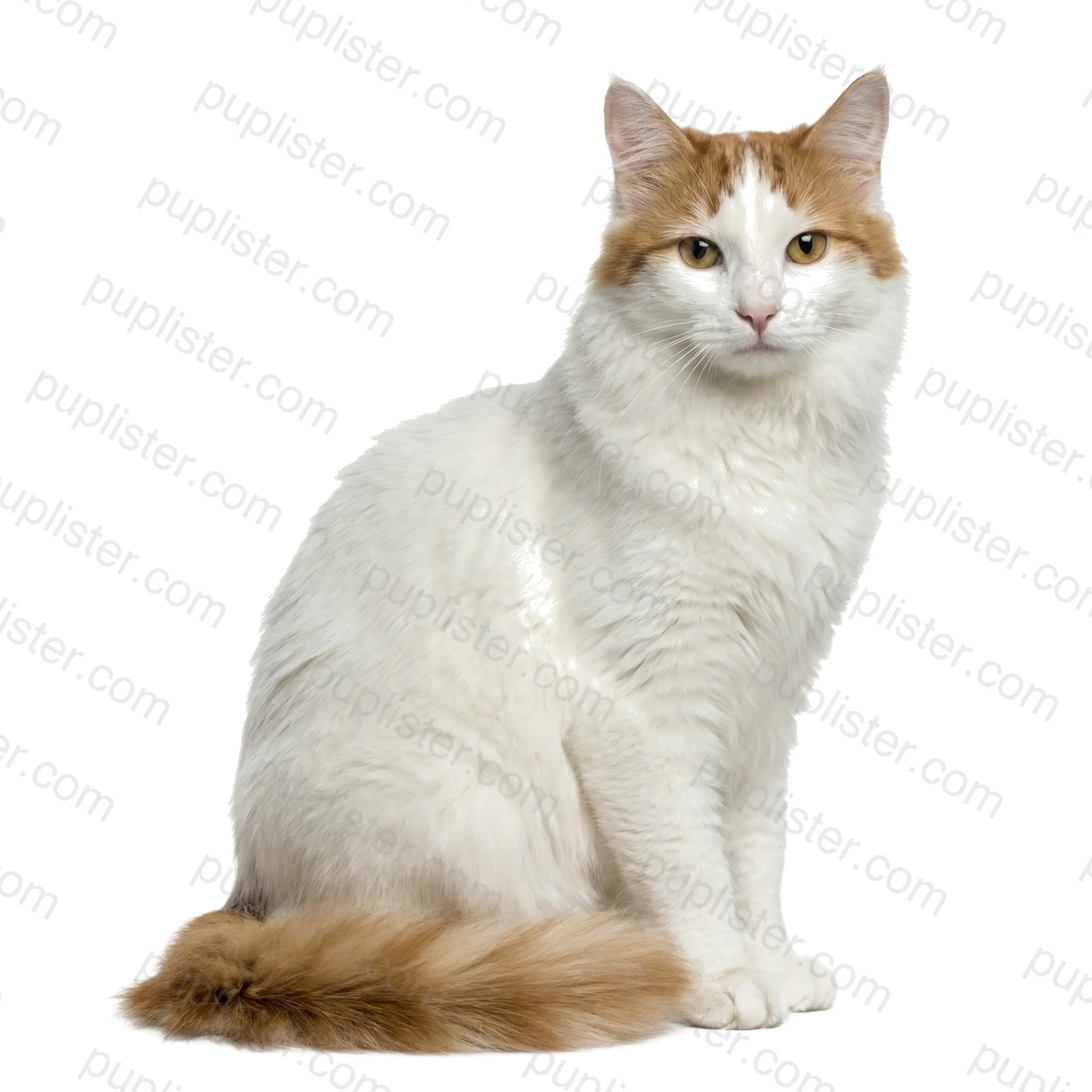
2About the Turkish Van The Turkish Van is a rare, naturally occurring breed from the Lake Van region of eastern Turkey, renowned as the "swimming cat" for its unusual love of water. This is a large, muscular cat weighing 10–18 pounds with a semi-long, cashmere-like single coat that is water-resistant and dries remarkably fast. The classic Van pattern features a predominantly chalk-white body with colored markings limited to the head and tail — typically in red, cream, black, blue, or tortoiseshell — though solid white and fully colored Vans also exist.Temperament & PersonalityTurkish Vans are energetic, independent, and famously fond of water — they may join you in the shower, play in the toilet, or splash in their water bowl. Intelligent and athletic, they love to climb, jump, and play vigorously. They bond closely with their family but can be selective about being held — they prefer to be near you rather than in your lap.ProsUnique love of water sets them apart from nearly every other breedCashmere-textured single coat is water-resistant, low-shedding, and rarely matsAthletic and playful — endlessly entertaining to watchHardy, naturally evolved breed with robust healthConsDoes not enjoy being held or restrained — wants affection on its own termsExtremely high energy — needs significant space and daily vigorous playWater obsession can create messes — toilet lids must stay closedAll-white Vans can be prone to deafness, similar to Turkish AngorasLooking for an adventurous water-lover unlike any other cat? Browse Turkish Van cats on Puplister and discover this remarkable swimming feline.
1 pet available
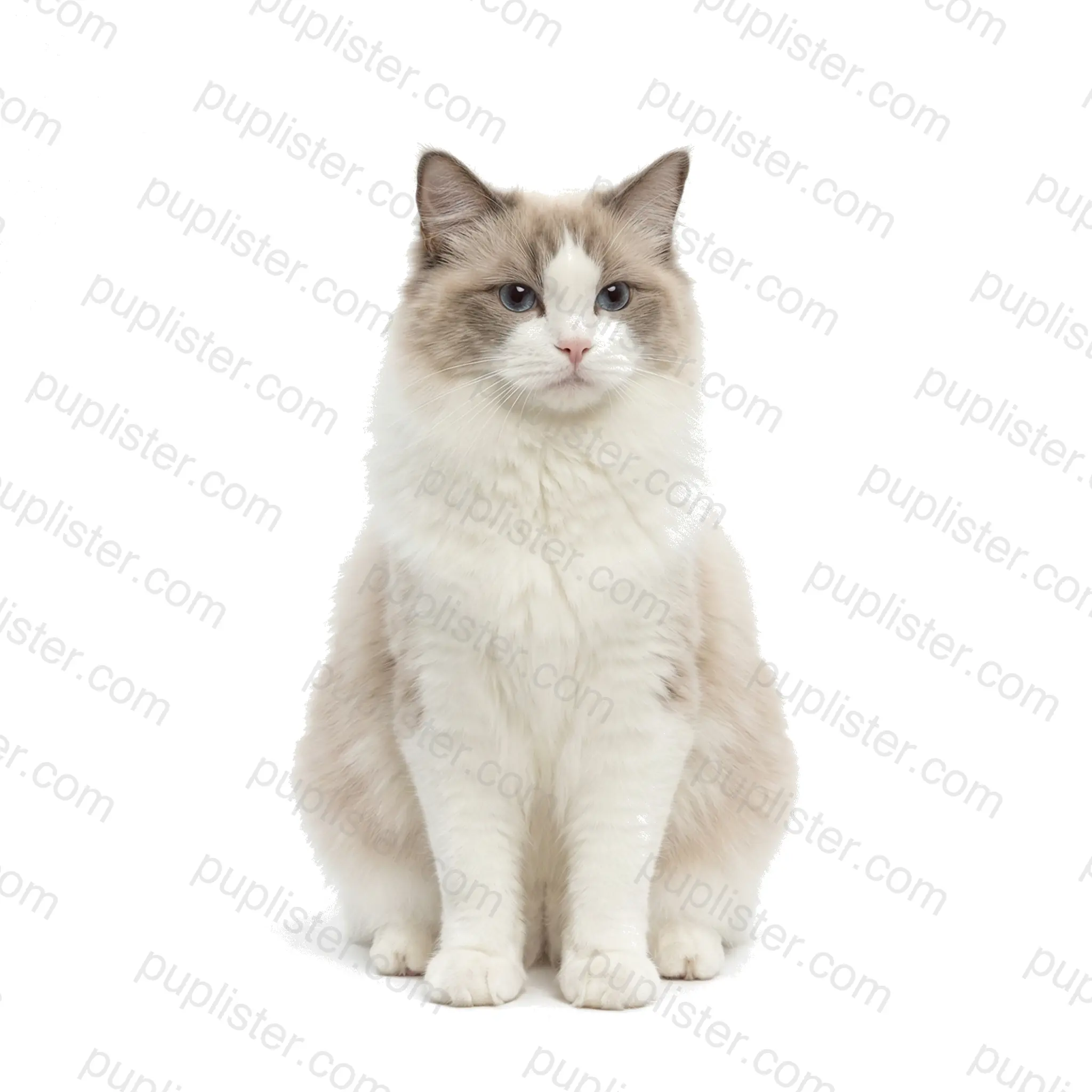
1About the Ragdoll The Ragdoll was developed in the 1960s in Riverside, California, by breeder Ann Baker, who selected for docile, floppy cats that go limp when held — hence the name. One of the largest domestic cat breeds, Ragdolls weigh 10–20 pounds (males often exceeding 15 pounds) and have striking blue eyes, a semi-long silky coat, and a colorpoint pattern with a lighter body and darker extremities. They come in six main colors — seal, blue, chocolate, lilac, red, and cream — with four patterns: colorpoint, mitted, bicolor, and lynx.Temperament & PersonalityRagdolls are famously gentle, relaxed cats that often follow their owners from room to room like loyal dogs. They tend to greet you at the door and flop at your feet, earning their reputation as "floor cats" and "puppy cats." Exceptionally tolerant and patient, they are among the best breeds for families with children and get along beautifully with dogs and other cats.ProsExtremely gentle and tolerant — ideal for households with young childrenSilky coat lacks a dense undercoat, reducing matting and shedding compared to other longhairsCalm, laid-back energy level — content with moderate play and lots of cuddlingDog-like devotion — follows owners, greets guests, and can learn simple tricksConsGenetic predisposition to hypertrophic cardiomyopathy (HCM) — DNA testing recommendedTrusting and non-aggressive to a fault — must be kept strictly indoorsLarge size means higher food costs and need for oversized litter boxesCan develop bladder stones and urinary tract issuesIf a big, blue-eyed lap cat sounds like your dream companion, search for Ragdoll cats available for adoption on Puplister.
3 pets available
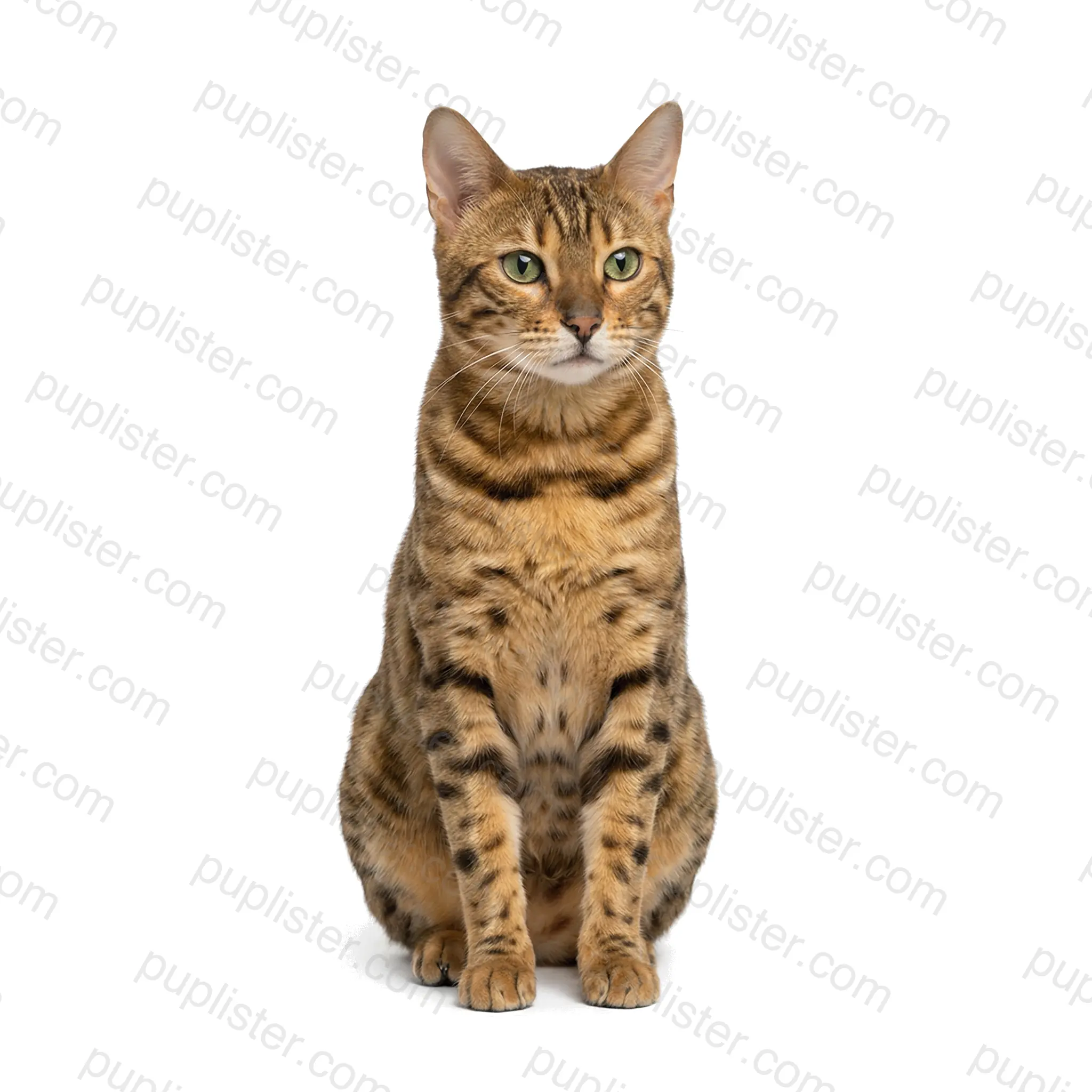
About the Bengal The Bengal was developed in the 1960s–1980s by crossing domestic cats with the Asian leopard cat, creating a breed that looks wild but behaves like a household pet. This medium-to-large breed weighs 8–15 pounds and has a muscular, athletic build with a uniquely glittered coat. Their short, dense fur features bold spotted or marbled patterns in brown, snow, silver, and charcoal — many Bengals have individual hairs tipped with gold that shimmer in the light. Temperament & Personality Bengals are high-energy, intelligent cats that need plenty of physical and mental stimulation to stay happy. They are confident and curious — often fascinated by water and known for playing in sinks, bathtubs, and water bowls. They bond closely with their families and can do well with older children and other active pets, though their intense energy may overwhelm more timid animals. Pros Stunning wild appearance with a uniquely glittered, luxurious coatHighly intelligent — can learn tricks, walk on a leash, and play fetchShort coat is low-maintenance and produces less dander than many breedsLoves water — many Bengals will happily join you near the shower or faucet Cons Extremely high energy — requires extensive daily play and enrichmentCan be destructive if not provided with adequate stimulationVocal breed with a wide range of loud, distinctive soundsProne to hypertrophic cardiomyopathy (HCM) and progressive retinal atrophy (PRA-b) Ready for the adventure of owning a Bengal? Search for adoptable Bengal cats on Puplister today.
Adopted cat meowing all night? Discover why it happens, how to create a calm environment, and a realistic timeline to quiet nighttime meows.
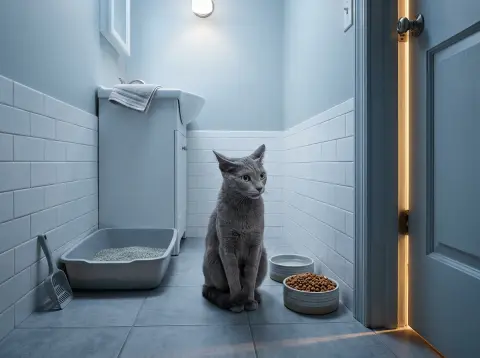
Is your adopted cat not eating? Learn the causes, from stress to past trauma, and discover practical solutions to get your new feline friend eating again.
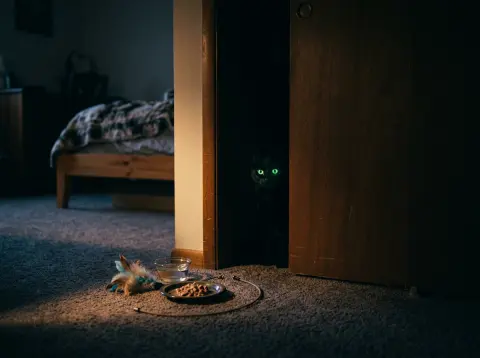
Is your new cat hiding and won't come out? It's normal, but proactive steps can help. Learn how to build trust with your shy adopted cat.
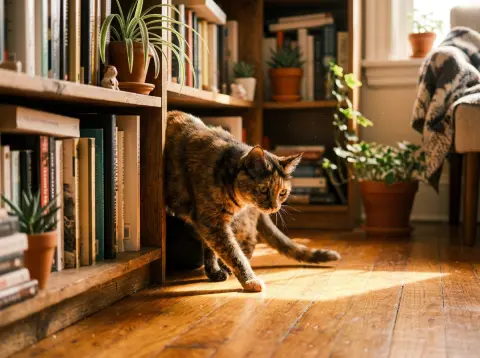
Discover how long it takes for a rescue cat to feel at home with our experienced guide, covering the 3-3-3 rule and actionable tips.