Serengeti Serengeti

Serengeti

Active Confident Friendly Vocal

About the Serengeti

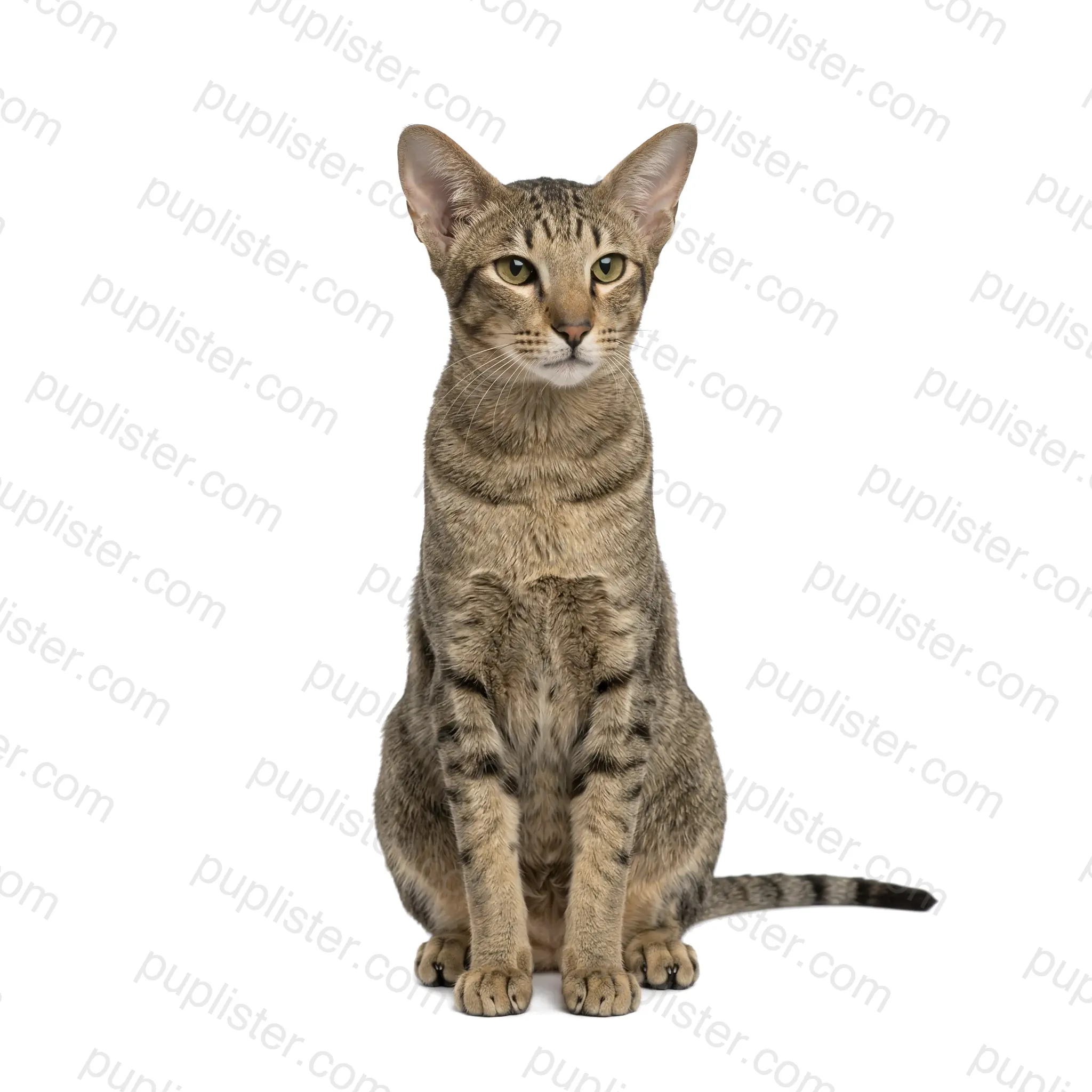
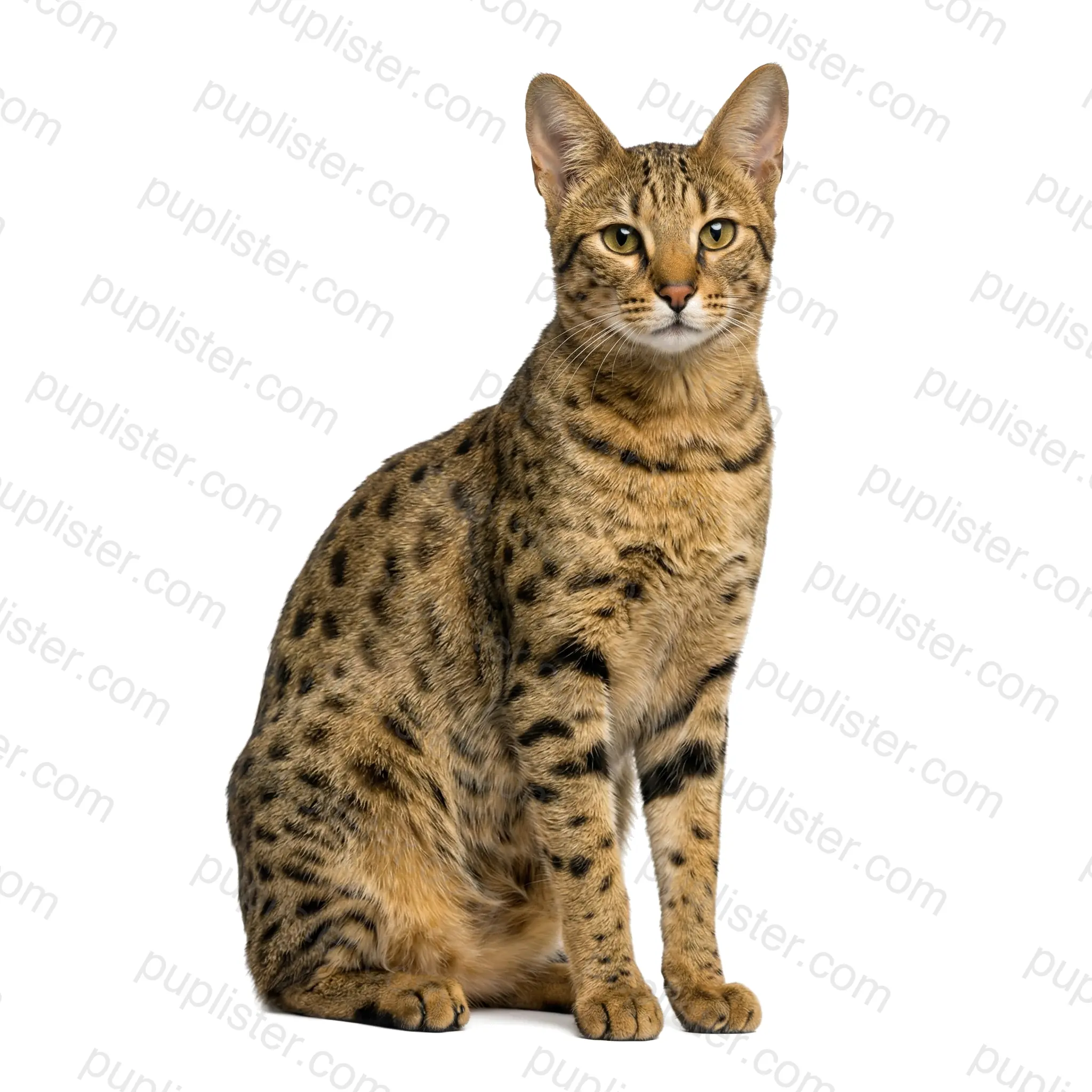
The Serengeti was developed in the 1990s by conservation biologist Karen Sausman in California, who crossed Bengal and Oriental Shorthair cats to create a breed that mimics the appearance of the African serval without any wild blood. Weighing 8–15 pounds, this tall, long-legged cat has large, round-tipped ears set high on the head, a long neck, and a short, dense coat in spotted tabby patterns — typically gold with bold black spots, though silver and smoke variations also exist.

Temperament & Personality

Serengetis are confident, active cats that love to climb, run, and explore. They are remarkably vocal, producing a range of chirps, chatters, and loud meows to communicate. Social and outgoing, they bond strongly with their families and get along well with children and other cats, though they can be bossy with more timid feline companions.

Pros

  • Wild serval-like appearance with zero wild cat bloodlines — no legal restrictions
  • Confident and outgoing — great for social, active households
  • Short, low-maintenance coat that requires minimal grooming
  • Athletic and entertaining — loves interactive play and climbing

Cons

  • Extremely active — needs vertical space, cat trees, and daily vigorous play
  • Very vocal with a loud voice that may bother noise-sensitive neighbors
  • Can be dominant or territorial with other cats in the household
  • Rare breed with limited availability through breeders or rescues

Drawn to the wild look without the wild challenges? Discover Serengeti cats on Puplister and welcome this athletic beauty home.
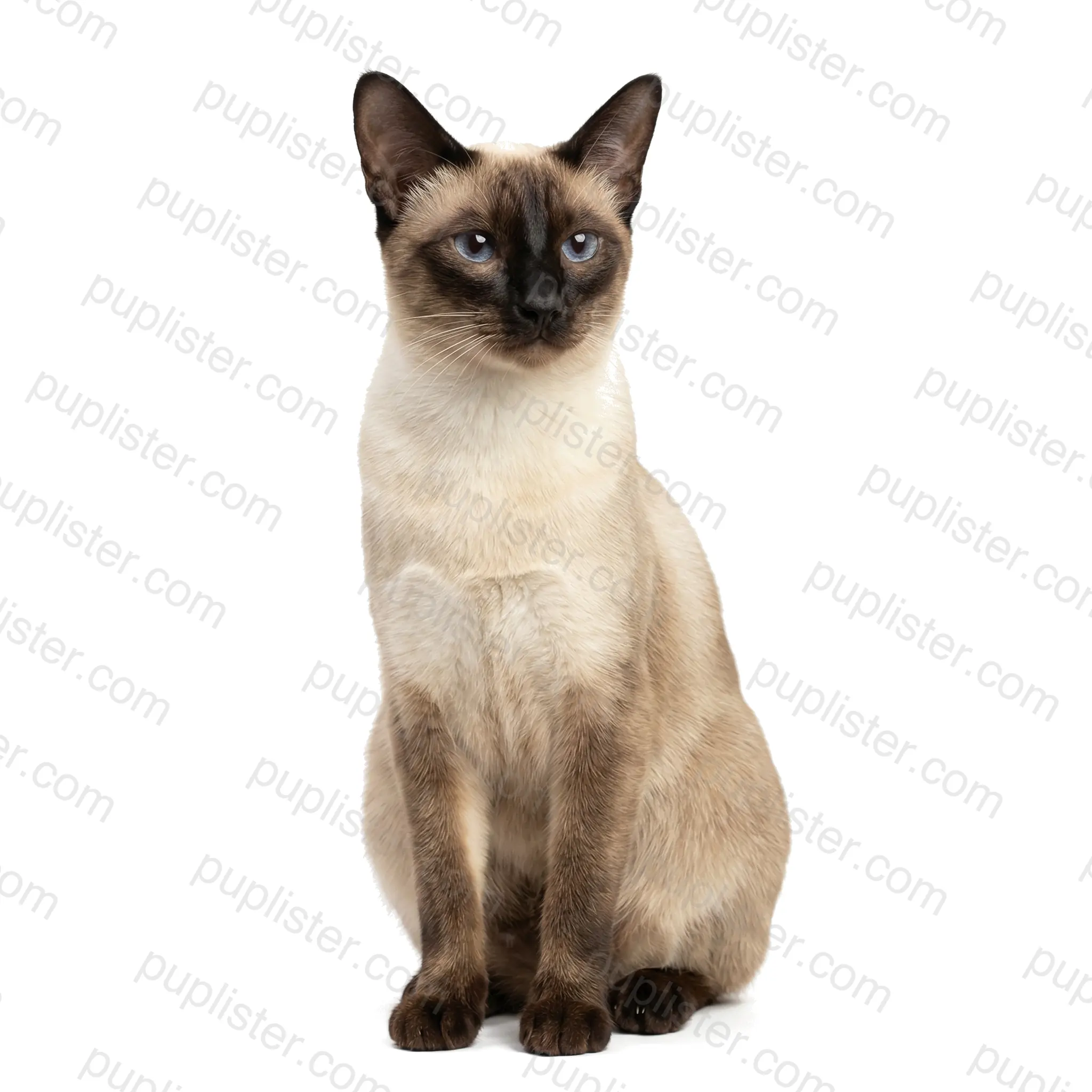
Serengeti Quick Facts

Size
8–15 lbs
Lifespan
10–15 years
Exercise
High
Grooming
Low
Good with Kids
Yes
Good with Pets
Yes

Is the Serengeti right for you?

Answer 5 quick questions to see how well this breed matches your lifestyle.

Take the Quiz

Available Serengetis

No cats available right now

Check back soon or browse all cats.

Browse All Cats

Related Breeds

Siamese
Siamese Cat

19 pets available

1

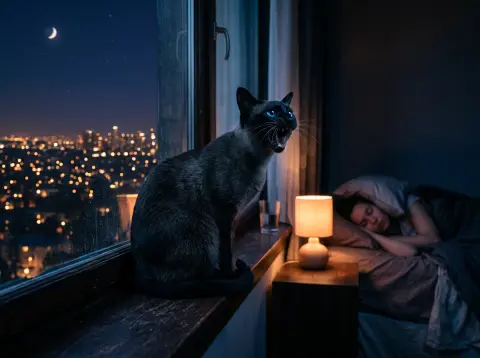
About the Siamese The Siamese is one of the most iconic and ancient cat breeds, originating in the kingdom of Siam (now Thailand) and first documented in the Tamra Maew ("The Cat-Book Poems") dating to the 14th century. This sleek, muscular cat weighs 6–14 pounds and is immediately recognizable by its striking colorpoint pattern — a pale cream or fawn body with darker coloring on the face, ears, paws, and tail. The four traditional point colors are seal, chocolate, blue, and lilac, all paired with vivid sapphire-blue almond-shaped eyes.Temperament & PersonalitySiamese cats are among the most vocal and opinionated cats in the world — they will narrate their day in a loud, distinctive raspy voice and expect you to listen. They are fiercely loyal, deeply social, and form intense bonds with their owners, often becoming a one-person cat. Intelligent and active, they need constant stimulation and do best with a companion — whether human, feline, or canine.ProsStrikingly beautiful with mesmerizing blue eyes and elegant linesExceptionally intelligent — can learn tricks, walk on a leash, and solve puzzle toysDeeply bonded and loyal to their chosen personShort, fine coat requires almost no groomingConsExtremely vocal — constant loud meowing is not for everyoneProne to severe separation anxiety and can become destructive when left aloneSusceptible to amyloidosis, asthma, progressive retinal atrophy, and crossed eyesDemanding of attention — may become jealous of other pets or family membersReady for a devoted, chatty companion who will never let you feel alone? Find Siamese cats waiting for their forever families on Puplister.

Oriental Short Hair

2 pets available

About the Oriental Short Hair The Oriental Shorthair emerged in the 1950s and 1960s when British breeders crossed Siamese cats with Russian Blues, British Shorthairs, and Abyssinians to create a Siamese-type cat in a rainbow of non-pointed colors. Sleek and angular at 6–12 pounds, this breed has a wedge-shaped head, strikingly large ears, vivid green eyes (or blue in white coats), and a short, fine, glossy coat in over 300 color-and-pattern combinations — more than any other cat breed.Temperament & PersonalityOriental Shorthairs are among the most extroverted and opinionated cats in existence — they will tell you exactly what they think in a loud, distinctive voice. Fiercely loyal, they bond tightly to their humans and follow them everywhere, including into the shower. They are athletic, curious, and endlessly entertaining, making them ideal for active households with children and other social pets.ProsIncredible coat variety — virtually every color and pattern availableMinimal grooming needs thanks to the short, close-lying coatHighly intelligent and trainable — enjoys puzzle feeders and learning tricksDeeply loyal and affectionate with family membersConsOne of the most vocal cat breeds — constant meowing can be overwhelmingSevere separation anxiety when left alone — does best with a companion catProne to dental issues, heart disease, and amyloidosisDemands constant attention and can become destructive if under-stimulatedThink you can keep up with this talkative, spirited feline? Search for Oriental Shorthair cats on Puplister and meet your new best friend.

Turkish Van

5 pets available

2

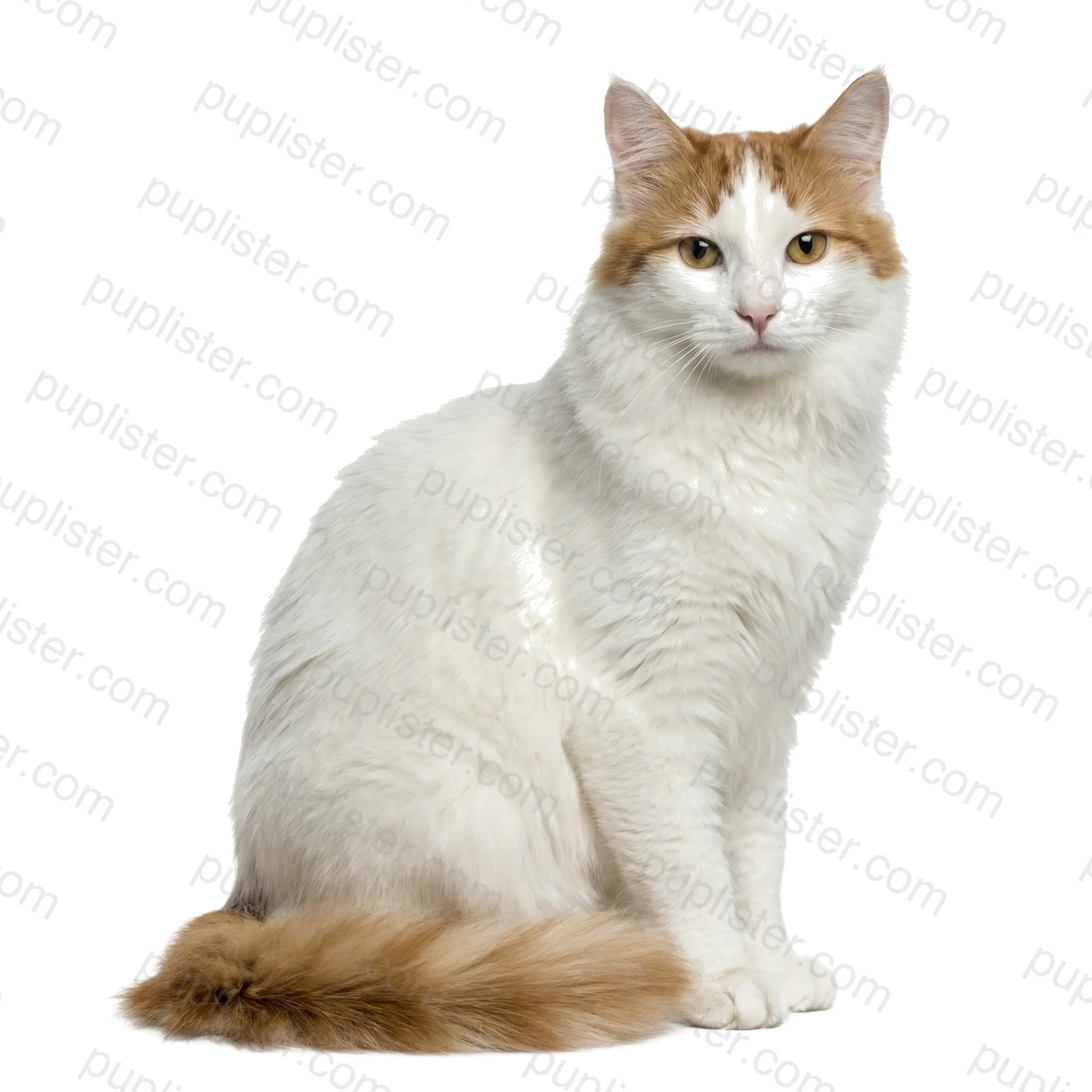
About the Turkish Van The Turkish Van is a rare, naturally occurring breed from the Lake Van region of eastern Turkey, renowned as the "swimming cat" for its unusual love of water. This is a large, muscular cat weighing 10–18 pounds with a semi-long, cashmere-like single coat that is water-resistant and dries remarkably fast. The classic Van pattern features a predominantly chalk-white body with colored markings limited to the head and tail — typically in red, cream, black, blue, or tortoiseshell — though solid white and fully colored Vans also exist.Temperament & PersonalityTurkish Vans are energetic, independent, and famously fond of water — they may join you in the shower, play in the toilet, or splash in their water bowl. Intelligent and athletic, they love to climb, jump, and play vigorously. They bond closely with their family but can be selective about being held — they prefer to be near you rather than in your lap.ProsUnique love of water sets them apart from nearly every other breedCashmere-textured single coat is water-resistant, low-shedding, and rarely matsAthletic and playful — endlessly entertaining to watchHardy, naturally evolved breed with robust healthConsDoes not enjoy being held or restrained — wants affection on its own termsExtremely high energy — needs significant space and daily vigorous playWater obsession can create messes — toilet lids must stay closedAll-white Vans can be prone to deafness, similar to Turkish AngorasLooking for an adventurous water-lover unlike any other cat? Browse Turkish Van cats on Puplister and discover this remarkable swimming feline.

American Bobtail

5 pets available

1

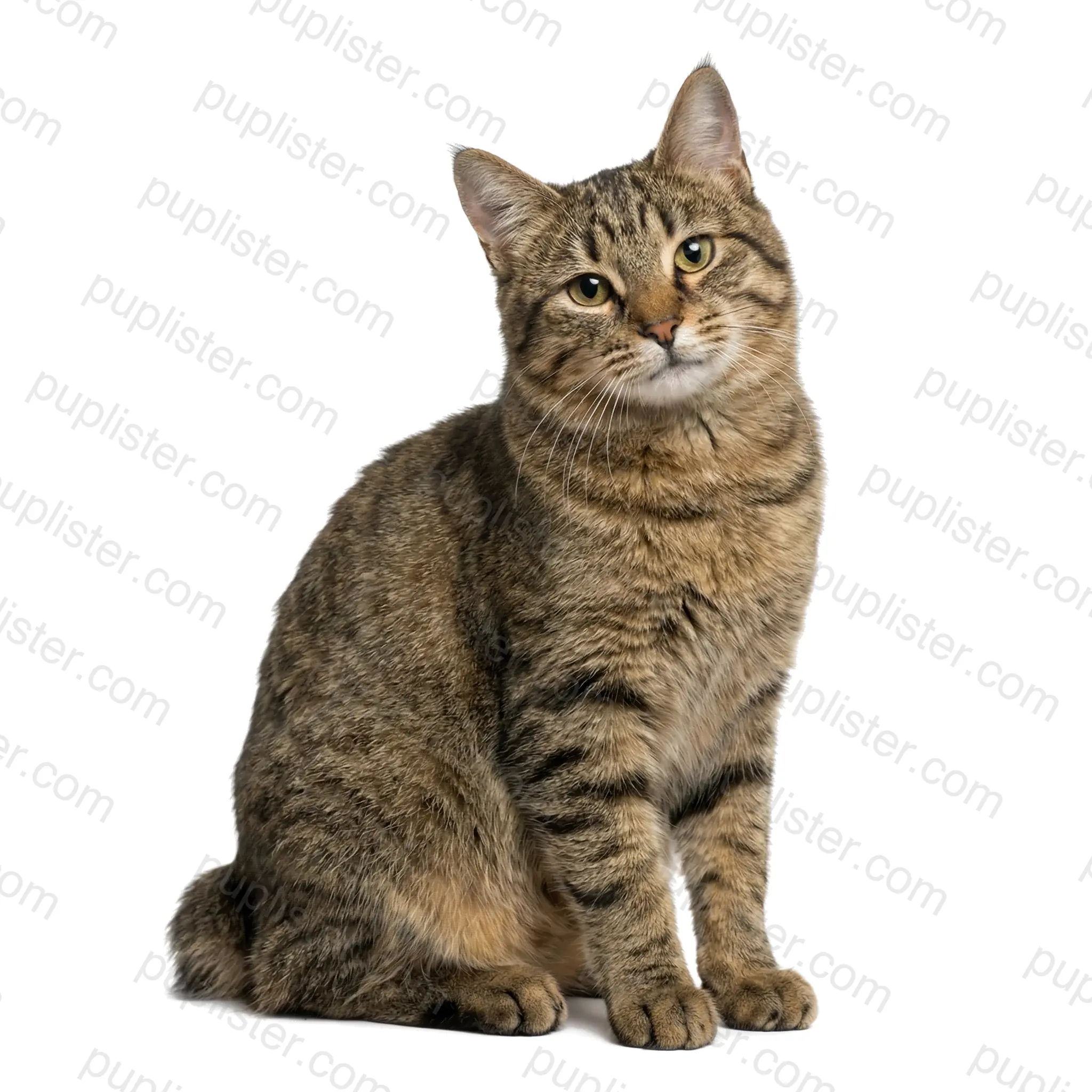
About the American Bobtail The American Bobtail was developed in the 1960s from a naturally occurring short-tailed kitten found in Arizona. This sturdy, medium-to-large breed weighs 7–16 pounds and has a wild, athletic appearance reminiscent of a bobcat. Their coat comes in both short and long varieties in virtually every color and pattern, with their signature bobbed tail ranging from one to four inches long. Temperament & Personality American Bobtails are remarkably adaptable and affectionate cats often described as dog-like in their devotion to family. They get along wonderfully with children, other cats, and even dogs — making them ideal for busy households. Despite their wild appearance, they are gentle, easygoing, and have been used as therapy cats due to their calm, intuitive nature. Pros Exceptionally adaptable — adjusts well to travel and new environmentsGentle and patient with children and other animalsNaturally healthy breed with few genetic predispositionsPlayful yet not overly demanding — enjoys interactive toys and games Cons Can be slow to mature — takes 2–3 years to reach full physical developmentLong-haired variety requires regular brushing to prevent mattingRelatively rare breed — may be difficult to find in sheltersStrong prey drive means small pets like birds or hamsters may be at risk Discover the charm of the American Bobtail — check out adoptable cats of this breed on Puplister.

Related Articles

Frequently Asked Questions

What are the key traits of a Serengeti?
The Serengeti is known for being active, confident, friendly and vocal.
How many Serengetis are available for adoption?
There are currently 0 Serengetis available for adoption on Puplister. Browse the listings above to find your perfect match.
How do I adopt a Serengeti from Puplister?
To adopt a Serengeti, browse the available listings on this page, click on a pet you're interested in, and contact the shelter directly through their profile page.