Siamese Siamese

Siamese

88
Vocal Social Intelligent Affectionate

About the Siamese

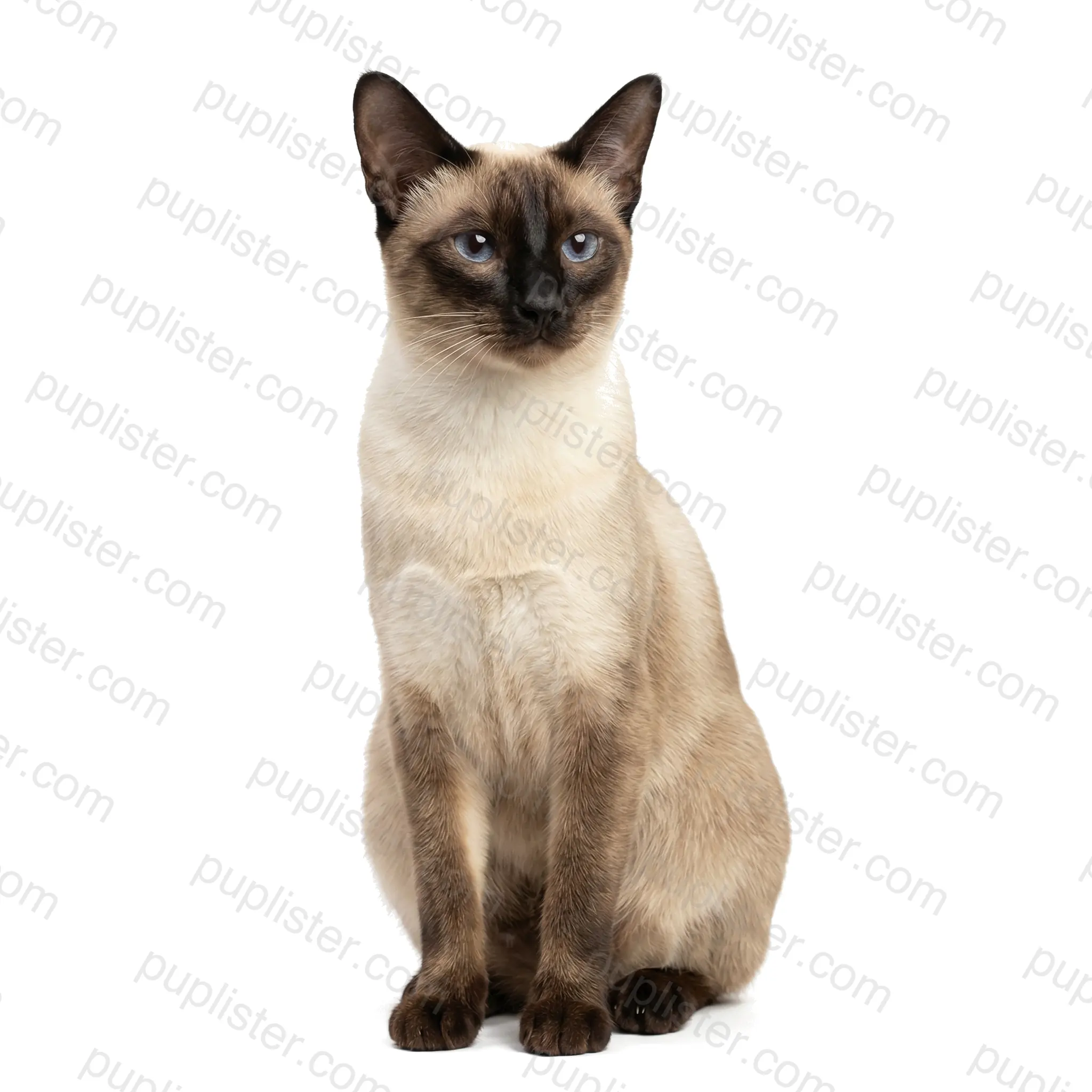
The Siamese is one of the most iconic and ancient cat breeds, originating in the kingdom of Siam (now Thailand) and first documented in the Tamra Maew ("The Cat-Book Poems") dating to the 14th century. This sleek, muscular cat weighs 6–14 pounds and is immediately recognizable by its striking colorpoint pattern — a pale cream or fawn body with darker coloring on the face, ears, paws, and tail. The four traditional point colors are seal, chocolate, blue, and lilac, all paired with vivid sapphire-blue almond-shaped eyes.

Temperament & Personality

Siamese cats are among the most vocal and opinionated cats in the world — they will narrate their day in a loud, distinctive raspy voice and expect you to listen. They are fiercely loyal, deeply social, and form intense bonds with their owners, often becoming a one-person cat. Intelligent and active, they need constant stimulation and do best with a companion — whether human, feline, or canine.

Pros

  • Strikingly beautiful with mesmerizing blue eyes and elegant lines
  • Exceptionally intelligent — can learn tricks, walk on a leash, and solve puzzle toys
  • Deeply bonded and loyal to their chosen person
  • Short, fine coat requires almost no grooming

Cons

  • Extremely vocal — constant loud meowing is not for everyone
  • Prone to severe separation anxiety and can become destructive when left alone
  • Susceptible to amyloidosis, asthma, progressive retinal atrophy, and crossed eyes
  • Demanding of attention — may become jealous of other pets or family members

Ready for a devoted, chatty companion who will never let you feel alone? Find Siamese cats waiting for their forever families on Puplister.
Siamese Quick Facts

Size
6–14 lbs
Lifespan
12–20 years
Exercise
Moderate
Grooming
Low
Good with Kids
Yes
Good with Pets
Yes

Is the Siamese right for you?

Answer 5 quick questions to see how well this breed matches your lifestyle.

Take the Quiz

Available Siameses

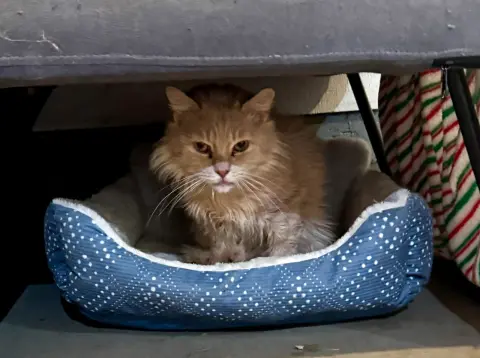
Mila
Senior 2
Mila
S

Siamese / Mixed

Colony Cats And Dogs · Dublin, OH
Abbott
Adult 2
Abbott
S

Siamese / Mixed

TOPCats On The Ridge · Paradise, CA
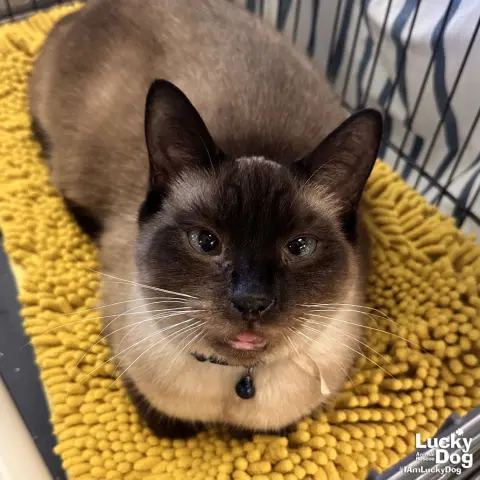
Birdman
Adult 1

Siamese / Mixed

Lucky Dog Animal Rescue · Washington, DC
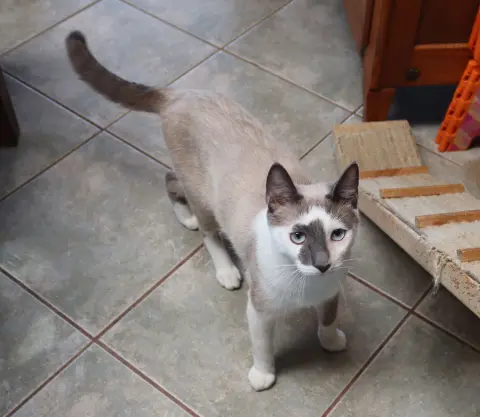
Paco
Young 4
Paco
S

Siamese

Baja Animal Sanctuary · San Diego, CA
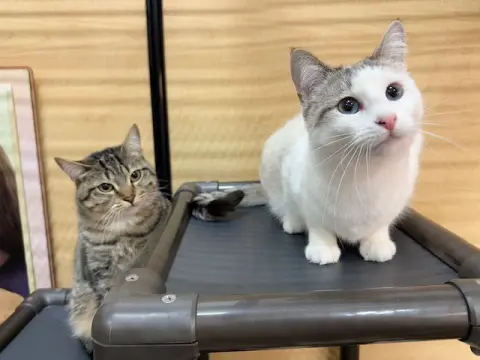
Ellie
Adult 3
Ellie
S

Mixed / Siamese

Compassionate Animal Rescue for Medical Aid · Mission Viejo, CA

Related Breeds

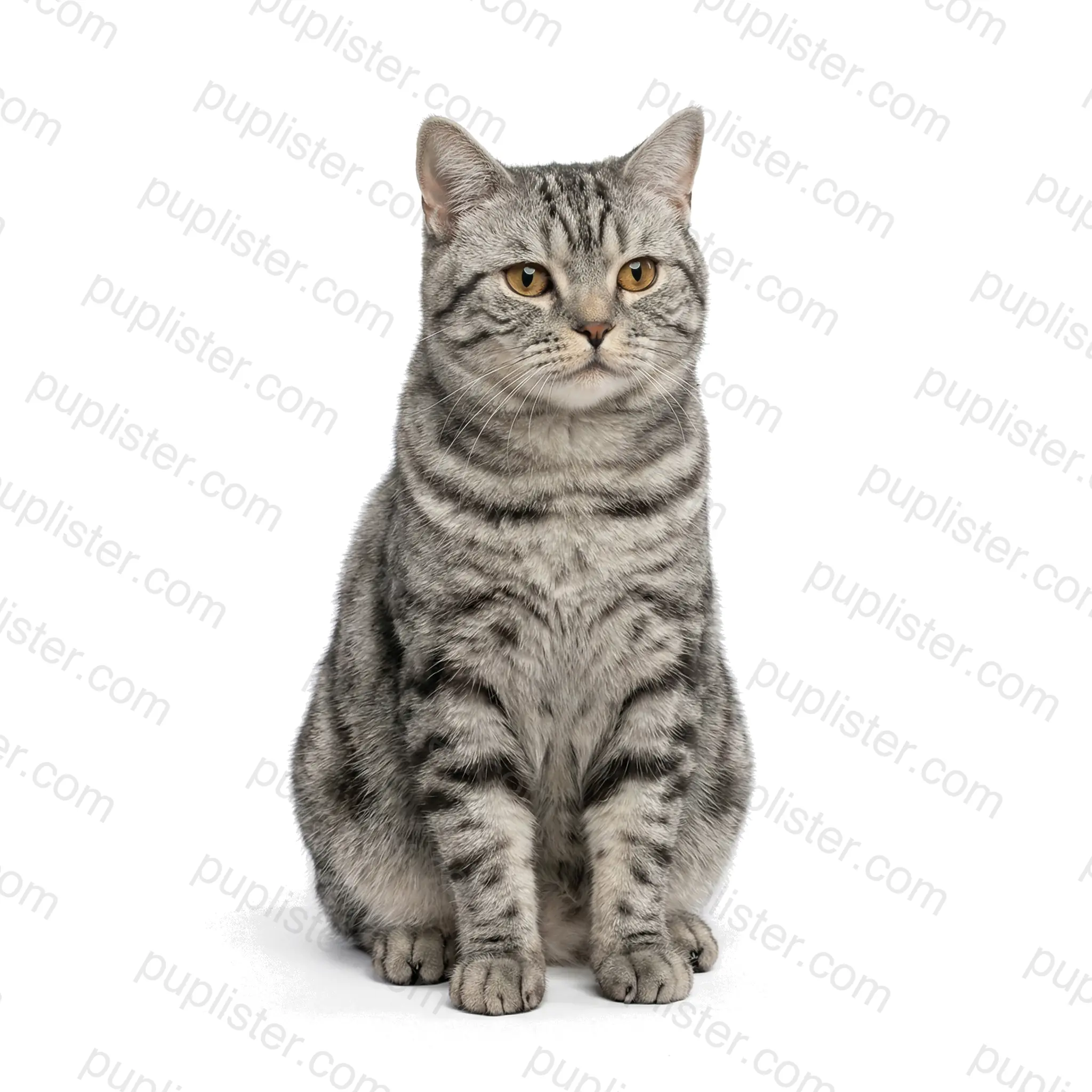
Scottish Straight

1 pet available

14

About the Scottish Straight The Scottish Straight is the straight-eared sibling of the Scottish Fold, born in the same litters but without the ear-fold mutation. This medium-sized cat weighs 6–13 pounds and shares the Fold's round face, big eyes, and compact build — the only visible difference is the upright, normally shaped ears. They appear in all the same coat types, colors, and patterns as the Fold, from short dense coats to flowing longhair in tabby, solid, bicolor, and more.Temperament & PersonalityScottish Straights have the same sweet, mellow temperament as their folded-eared relatives — playful without being hyperactive, affectionate without being clingy. They enjoy interactive play and are known for their soft, chirpy voices. Friendly and adaptable, they do well with children, other cats, and cat-friendly dogs.ProsSame charming Scottish personality without the ear-fold cartilage concernsSignificantly lower risk of osteochondrodysplasia compared to Fold siblingsAdaptable and easygoing in most household environmentsModerate grooming needs — even the longhair variety is manageableConsCan still carry the fold gene and may pass cartilage issues to offspring if bred with a FoldLess distinctive in appearance compared to the Fold — sometimes overlooked by adoptersMay still inherit some predisposition to joint issues from the breed lineProne to weight gain without proper diet management and exerciseWant the beloved Scottish personality with healthier ears? Search for Scottish Straight cats on Puplister and give one a loving home.

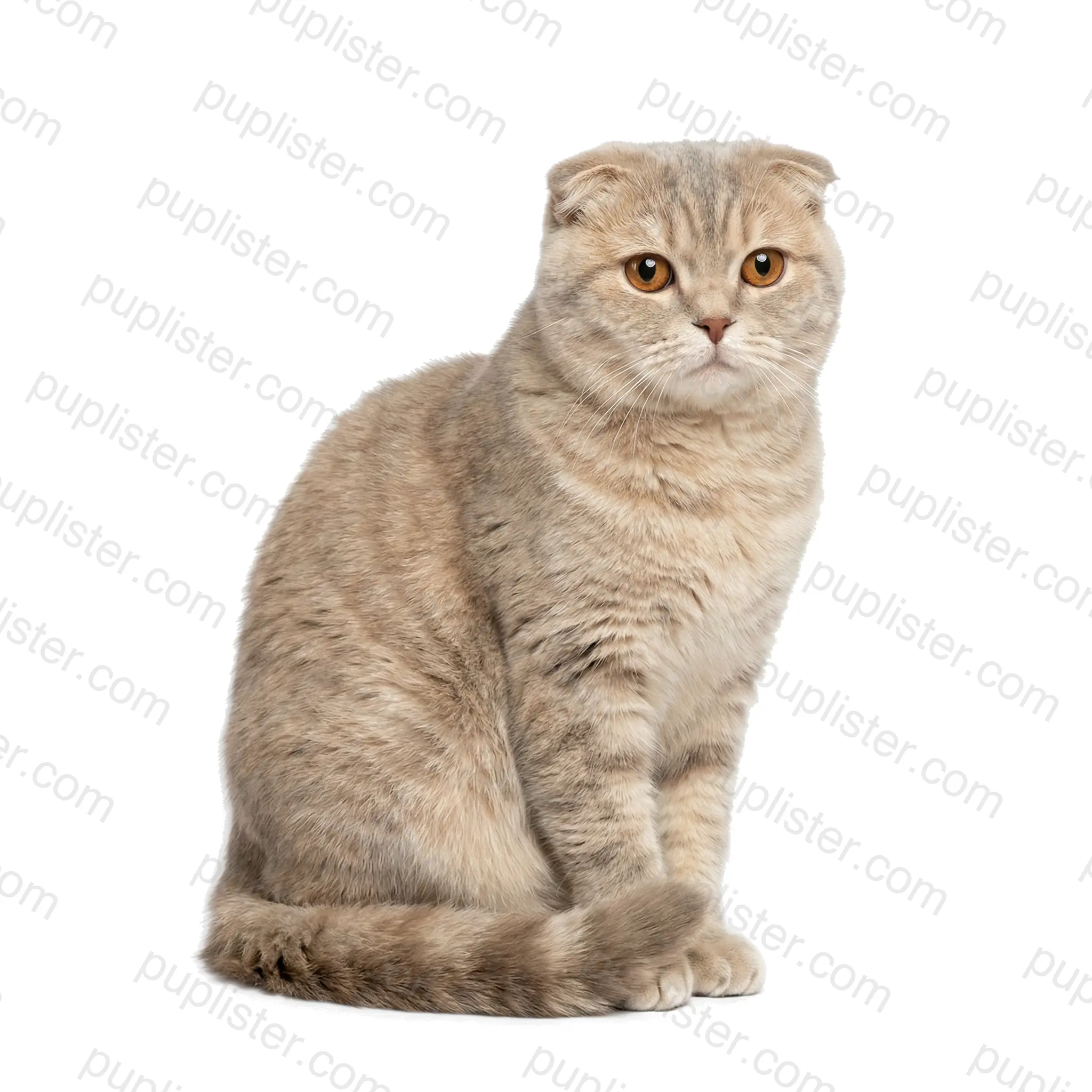
Scottish Fold

7 pets available

13

About the Scottish Fold The Scottish Fold traces its origins to a single barn cat named Susie, found in Perthshire, Scotland, in 1961 — the first documented cat with the breed's signature forward-folding ears caused by a natural cartilage mutation. This medium-sized cat weighs 6–13 pounds, has a round head, large round eyes, and a stocky, well-padded body. Scottish Folds come in both longhair and shorthair varieties, in virtually every color and pattern including tabby, solid, bicolor, and calico.Temperament & PersonalityScottish Folds are sweet, easygoing cats known for their quirky habit of sitting in odd positions — including the "Buddha sit" with legs stretched out and paws resting on their belly. They are moderately active and enjoy interactive play without being hyperactive. Gentle with children and amiable with other pets, they adapt well to most living situations.ProsDistinctive, owl-like appearance with those signature folded earsCalm and adaptable — thrives in apartments, houses, and busy households alikeGood-natured and gentle with children and other animalsModerate energy level — playful but not demandingConsThe fold gene causes osteochondrodysplasia — painful cartilage and bone abnormalities in many catsMust never be bred fold-to-fold due to severe skeletal issues in offspringProne to arthritis, especially in the tail, ankles, and kneesEar fold makes them more susceptible to ear infections and wax buildupDrawn to those adorable folded ears and laid-back personality? Find Scottish Fold cats waiting for adoption on Puplister.

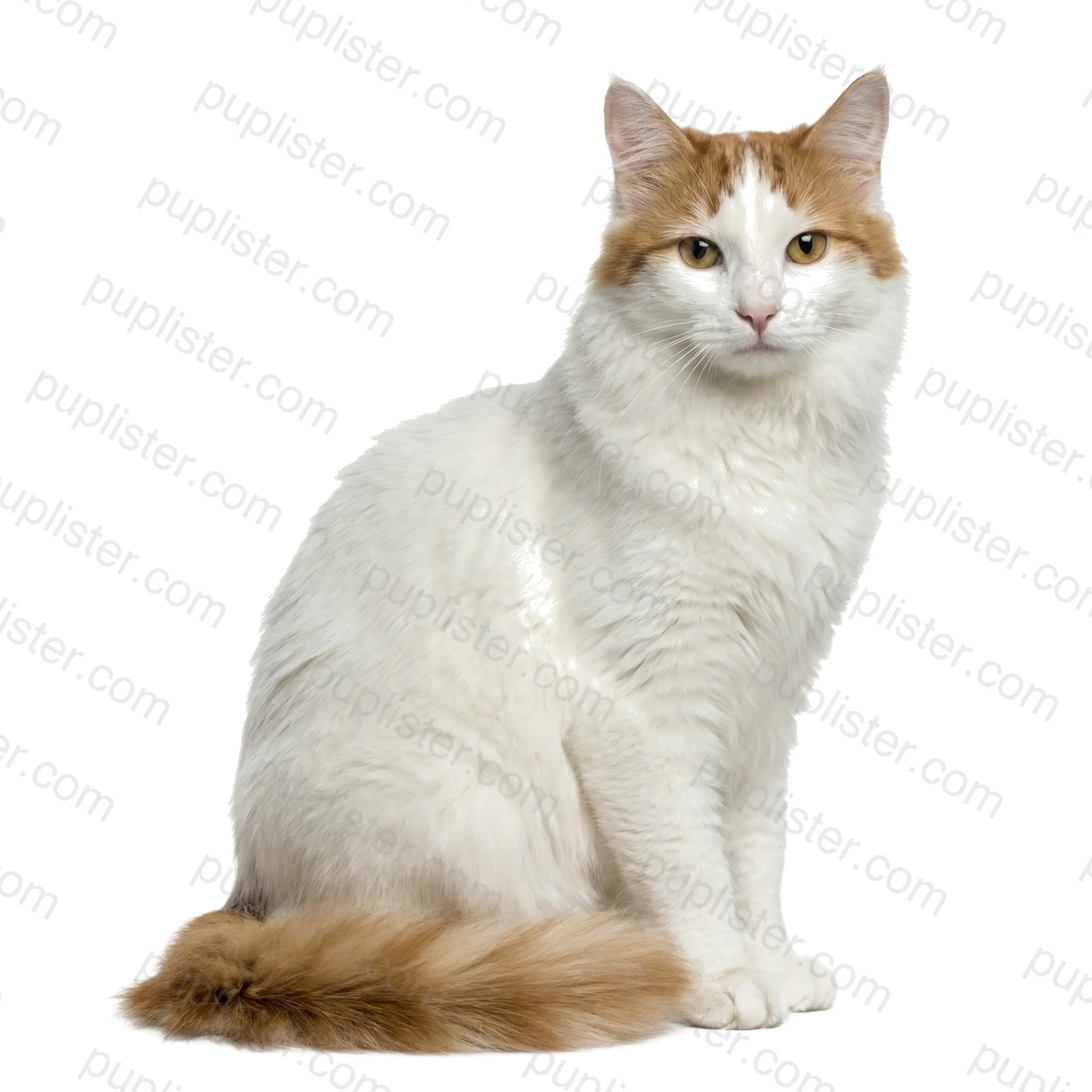
Turkish Van

6 pets available

4

About the Turkish Van The Turkish Van is a rare, naturally occurring breed from the Lake Van region of eastern Turkey, renowned as the "swimming cat" for its unusual love of water. This is a large, muscular cat weighing 10–18 pounds with a semi-long, cashmere-like single coat that is water-resistant and dries remarkably fast. The classic Van pattern features a predominantly chalk-white body with colored markings limited to the head and tail — typically in red, cream, black, blue, or tortoiseshell — though solid white and fully colored Vans also exist.Temperament & PersonalityTurkish Vans are energetic, independent, and famously fond of water — they may join you in the shower, play in the toilet, or splash in their water bowl. Intelligent and athletic, they love to climb, jump, and play vigorously. They bond closely with their family but can be selective about being held — they prefer to be near you rather than in your lap.ProsUnique love of water sets them apart from nearly every other breedCashmere-textured single coat is water-resistant, low-shedding, and rarely matsAthletic and playful — endlessly entertaining to watchHardy, naturally evolved breed with robust healthConsDoes not enjoy being held or restrained — wants affection on its own termsExtremely high energy — needs significant space and daily vigorous playWater obsession can create messes — toilet lids must stay closedAll-white Vans can be prone to deafness, similar to Turkish AngorasLooking for an adventurous water-lover unlike any other cat? Browse Turkish Van cats on Puplister and discover this remarkable swimming feline.

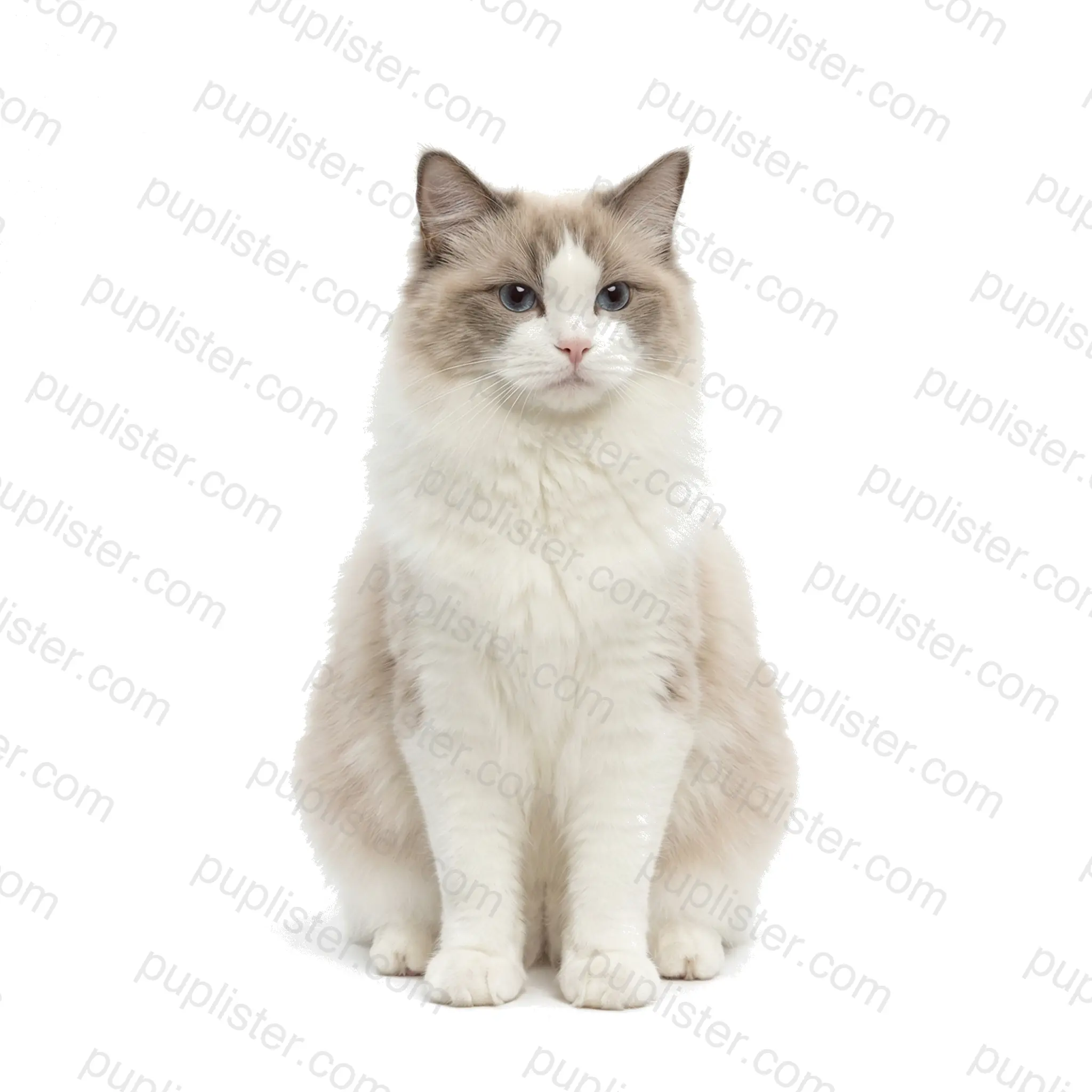
Ragdoll
Ragdoll Cat

6 pets available

26

About the Ragdoll The Ragdoll was developed in the 1960s in Riverside, California, by breeder Ann Baker, who selected for docile, floppy cats that go limp when held — hence the name. One of the largest domestic cat breeds, Ragdolls weigh 10–20 pounds (males often exceeding 15 pounds) and have striking blue eyes, a semi-long silky coat, and a colorpoint pattern with a lighter body and darker extremities. They come in six main colors — seal, blue, chocolate, lilac, red, and cream — with four patterns: colorpoint, mitted, bicolor, and lynx.Temperament & PersonalityRagdolls are famously gentle, relaxed cats that often follow their owners from room to room like loyal dogs. They tend to greet you at the door and flop at your feet, earning their reputation as "floor cats" and "puppy cats." Exceptionally tolerant and patient, they are among the best breeds for families with children and get along beautifully with dogs and other cats.ProsExtremely gentle and tolerant — ideal for households with young childrenSilky coat lacks a dense undercoat, reducing matting and shedding compared to other longhairsCalm, laid-back energy level — content with moderate play and lots of cuddlingDog-like devotion — follows owners, greets guests, and can learn simple tricksConsGenetic predisposition to hypertrophic cardiomyopathy (HCM) — DNA testing recommendedTrusting and non-aggressive to a fault — must be kept strictly indoorsLarge size means higher food costs and need for oversized litter boxesCan develop bladder stones and urinary tract issuesIf a big, blue-eyed lap cat sounds like your dream companion, search for Ragdoll cats available for adoption on Puplister.

Related Articles

Frequently Asked Questions

What are the key traits of a Siamese?
The Siamese is known for being vocal, social, intelligent and affectionate.
How many Siameses are available for adoption?
There are currently 85 Siameses available for adoption on Puplister. Browse the listings above to find your perfect match.
How do I adopt a Siamese from Puplister?
To adopt a Siamese, browse the available listings on this page, click on a pet you're interested in, and contact the shelter directly through their profile page.