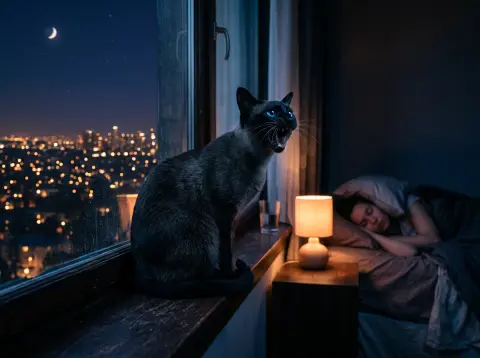
Adopted Cat Meowing All Night: How to Stop It
Adopted cat meowing all night? Discover why it happens, how to create a calm environment, and a realistic timeline to quiet nighttime meows.
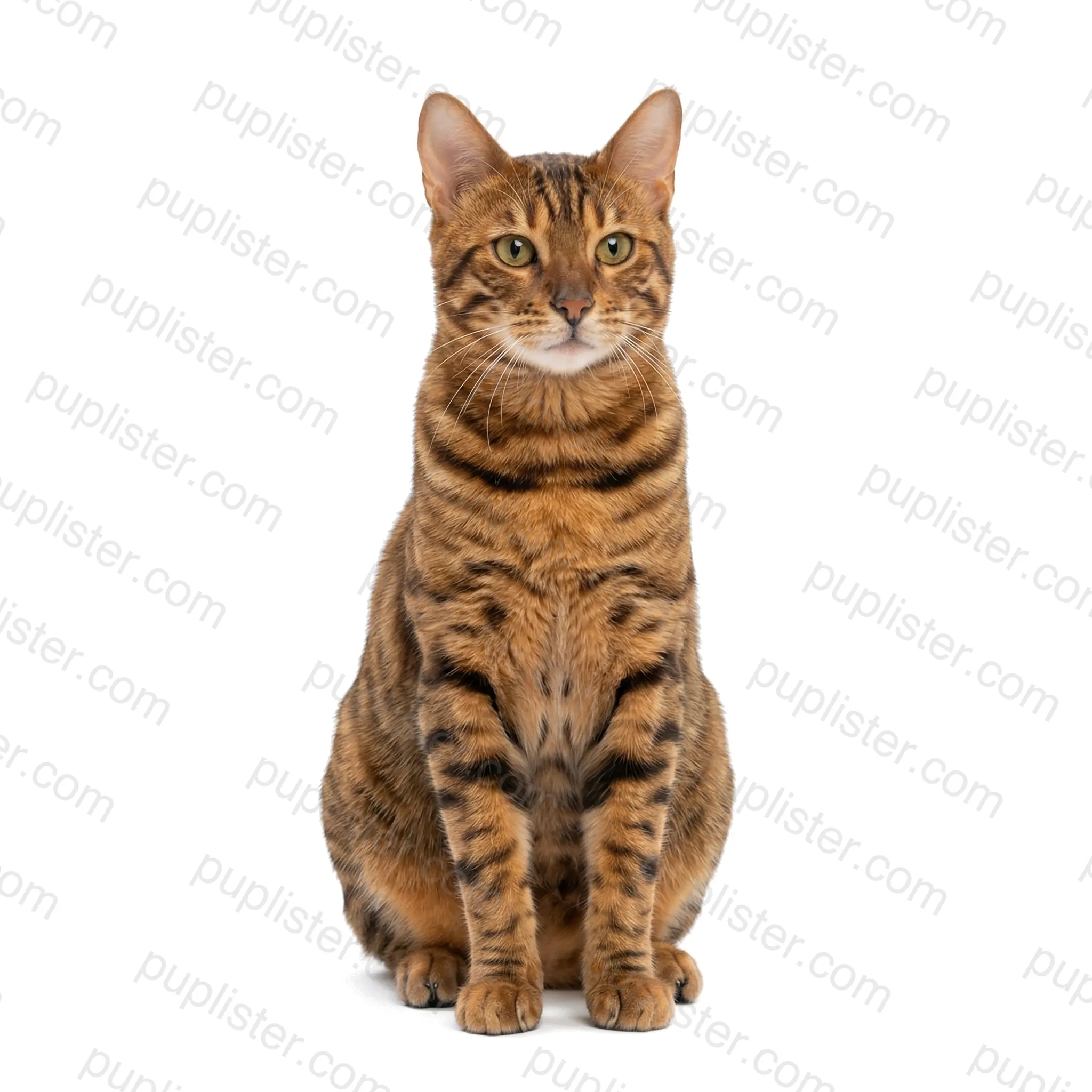
The Toyger — "toy tiger" — was developed beginning in 1993 by Judy Sugden in the United States, who selectively bred domestic shorthair tabbies to create a cat that resembles a miniature tiger. Weighing 7–15 pounds, this medium-to-large muscular cat features a long, low-slung body, small rounded ears, and a striking coat of bold, vertically aligned dark stripes (called "branching") on a vivid orange-tan background with a white-lightened belly — the goal being as close to a tiger's pattern as possible.
Despite their wild appearance, Toygers are easygoing, friendly cats that enjoy human company and adapt well to indoor living. They are intelligent and trainable, readily learning to walk on a leash, play fetch, and perform tricks. Social and relaxed, they do well with children and other pets, showing none of the intensity of actual wild-hybrid breeds.
Want a living room tiger without the wild side? Keep an eye on Puplister for Toyger cats and kittens seeking loving homes.
Answer 5 quick questions to see how well this breed matches your lifestyle.
Check back soon or browse all cats.
19 pets available
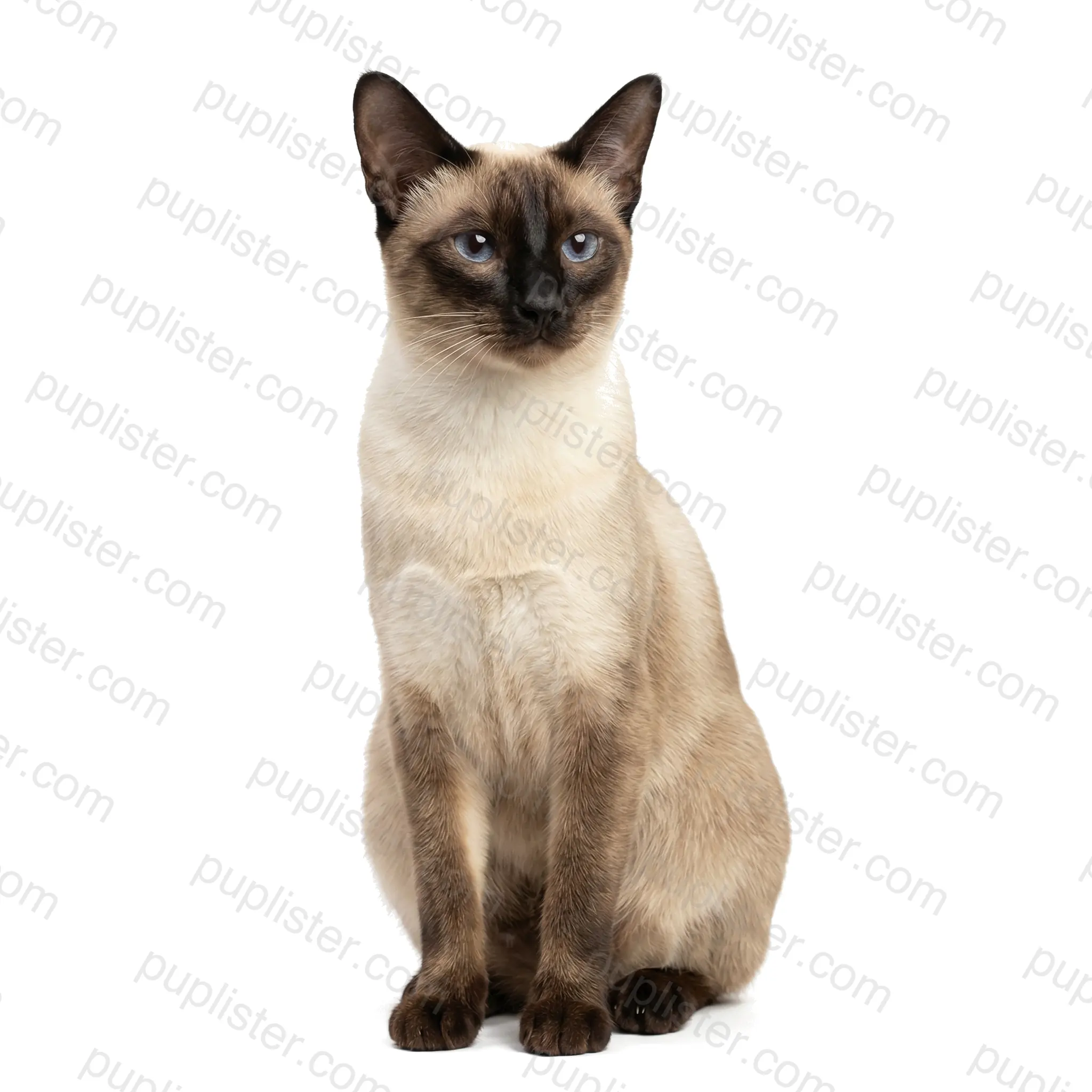
1About the Siamese The Siamese is one of the most iconic and ancient cat breeds, originating in the kingdom of Siam (now Thailand) and first documented in the Tamra Maew ("The Cat-Book Poems") dating to the 14th century. This sleek, muscular cat weighs 6–14 pounds and is immediately recognizable by its striking colorpoint pattern — a pale cream or fawn body with darker coloring on the face, ears, paws, and tail. The four traditional point colors are seal, chocolate, blue, and lilac, all paired with vivid sapphire-blue almond-shaped eyes.Temperament & PersonalitySiamese cats are among the most vocal and opinionated cats in the world — they will narrate their day in a loud, distinctive raspy voice and expect you to listen. They are fiercely loyal, deeply social, and form intense bonds with their owners, often becoming a one-person cat. Intelligent and active, they need constant stimulation and do best with a companion — whether human, feline, or canine.ProsStrikingly beautiful with mesmerizing blue eyes and elegant linesExceptionally intelligent — can learn tricks, walk on a leash, and solve puzzle toysDeeply bonded and loyal to their chosen personShort, fine coat requires almost no groomingConsExtremely vocal — constant loud meowing is not for everyoneProne to severe separation anxiety and can become destructive when left aloneSusceptible to amyloidosis, asthma, progressive retinal atrophy, and crossed eyesDemanding of attention — may become jealous of other pets or family membersReady for a devoted, chatty companion who will never let you feel alone? Find Siamese cats waiting for their forever families on Puplister.
14 pets available
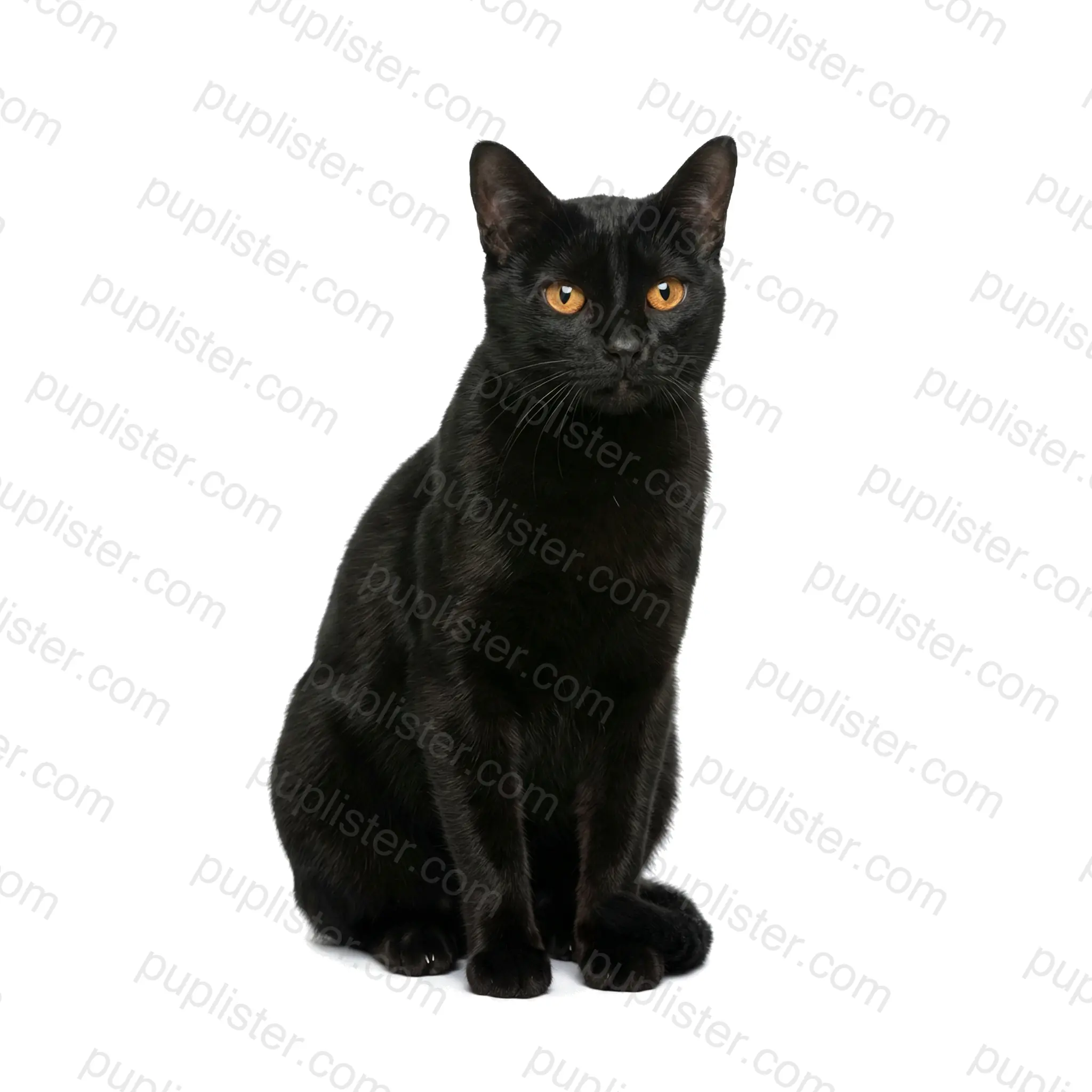
1About the Bombay The Bombay was created in the 1950s by breeder Nikki Horner in Louisville, Kentucky, who crossed sable Burmese with black American Shorthairs to produce a cat resembling a miniature black panther. This medium-sized breed weighs 6–11 pounds and has a compact, muscular build with a sleek, jet-black coat. Every feature is black — from their glossy, patent-leather-like fur to their nose leather and paw pads — contrasted only by their striking copper or gold eyes. Temperament & Personality Bombays are outgoing, attention-loving cats that thrive on being the center of their family's world. They are remarkably adaptable and get along well with children, dogs, and other cats — often becoming the social director of the household. Their intelligence and trainability make them excellent candidates for learning tricks, and they are known for greeting visitors at the door. Pros Sleek, low-shedding coat requires minimal groomingDog-like personality — enjoys fetch, leash walks, and greeting guestsHighly adaptable to apartment living and urban environmentsCraves warmth and is an enthusiastic lap cat and bed companion Cons Can be excessively needy — does not tolerate being ignored wellProne to craniofacial defects and breathing issues inherited from Burmese linesOvereats easily and is highly prone to obesityMay become demanding and vocal when seeking attention Fall in love with the sleek elegance of the Bombay — find your perfect match among adoptable cats on Puplister.
1 pet available
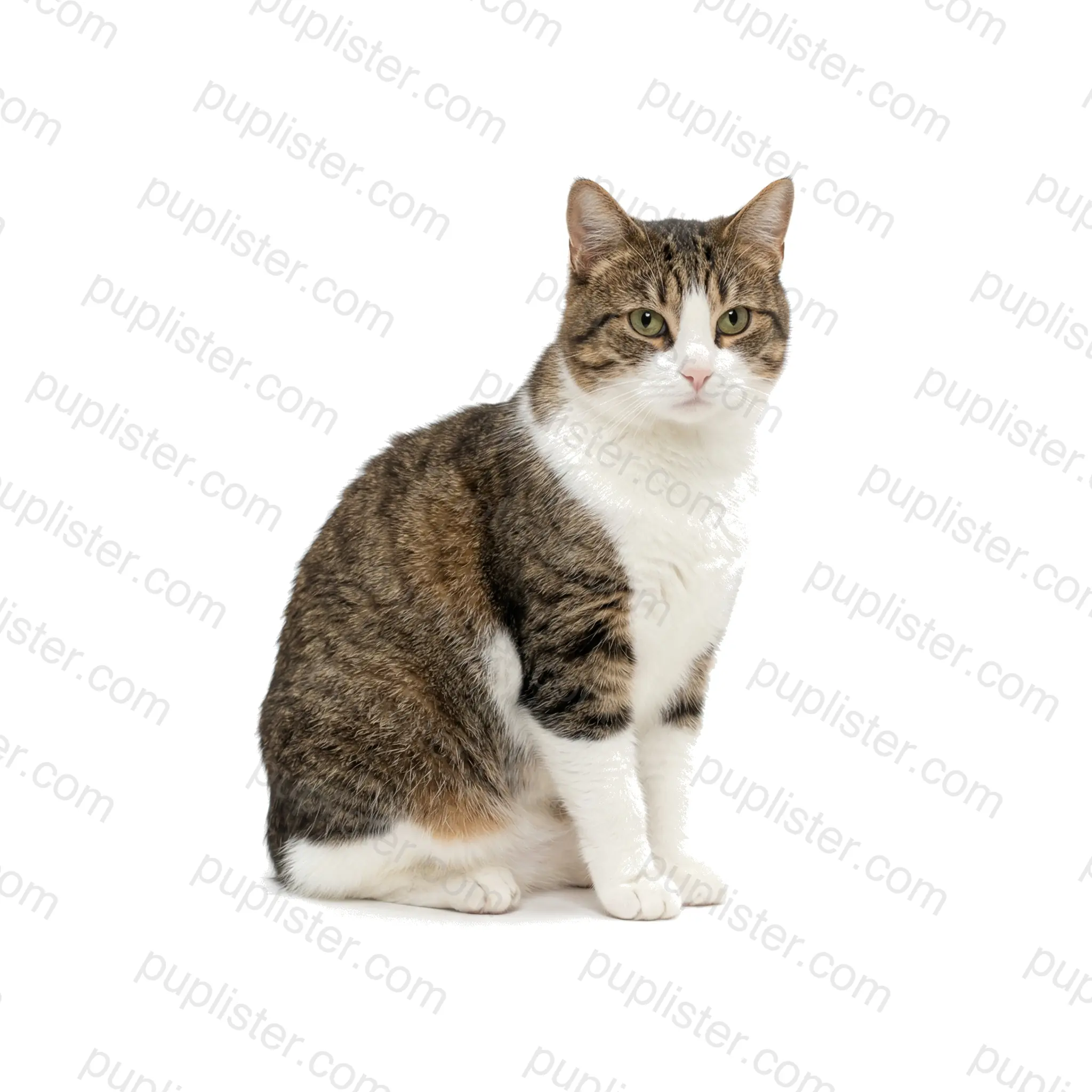
1About the Manx The Manx hails from the Isle of Man in the Irish Sea, where its signature taillessness has been documented since at least the 18th century. A sturdy, medium-sized cat weighing 8–12 pounds, the Manx has a round head, prominent cheeks, and powerful hind legs that sit noticeably higher than the front — giving it a distinctive rabbit-like hop. The double coat comes in virtually every color and pattern, from solid white to classic tabby, and ranges from short (Manx) to semi-long (Cymric variant).Temperament & PersonalityManx cats are playful, dog-like companions that often learn to fetch and come when called. They bond deeply with their families and tend to be protective — some owners report their Manx growling at unfamiliar sounds. They generally get along well with children and other pets, though they may pick one favorite person to shadow throughout the day.ProsHighly trainable and can learn tricks, fetch, and respond to commandsExcellent mouser with strong hunting instinctsAdaptable to apartments and houses alikeLoyal and protective of their familyConsManx syndrome — a spinal defect linked to the tailless gene — can cause serious health issues in some kittensProne to arthritis in the tailbone area as they ageThe double coat sheds heavily, especially during seasonal changesMay become overly attached to one person, leading to separation anxietyIf a loyal, playful companion with a unique silhouette sounds like your perfect match, explore Manx cats available for adoption on Puplister today.
1 pet available
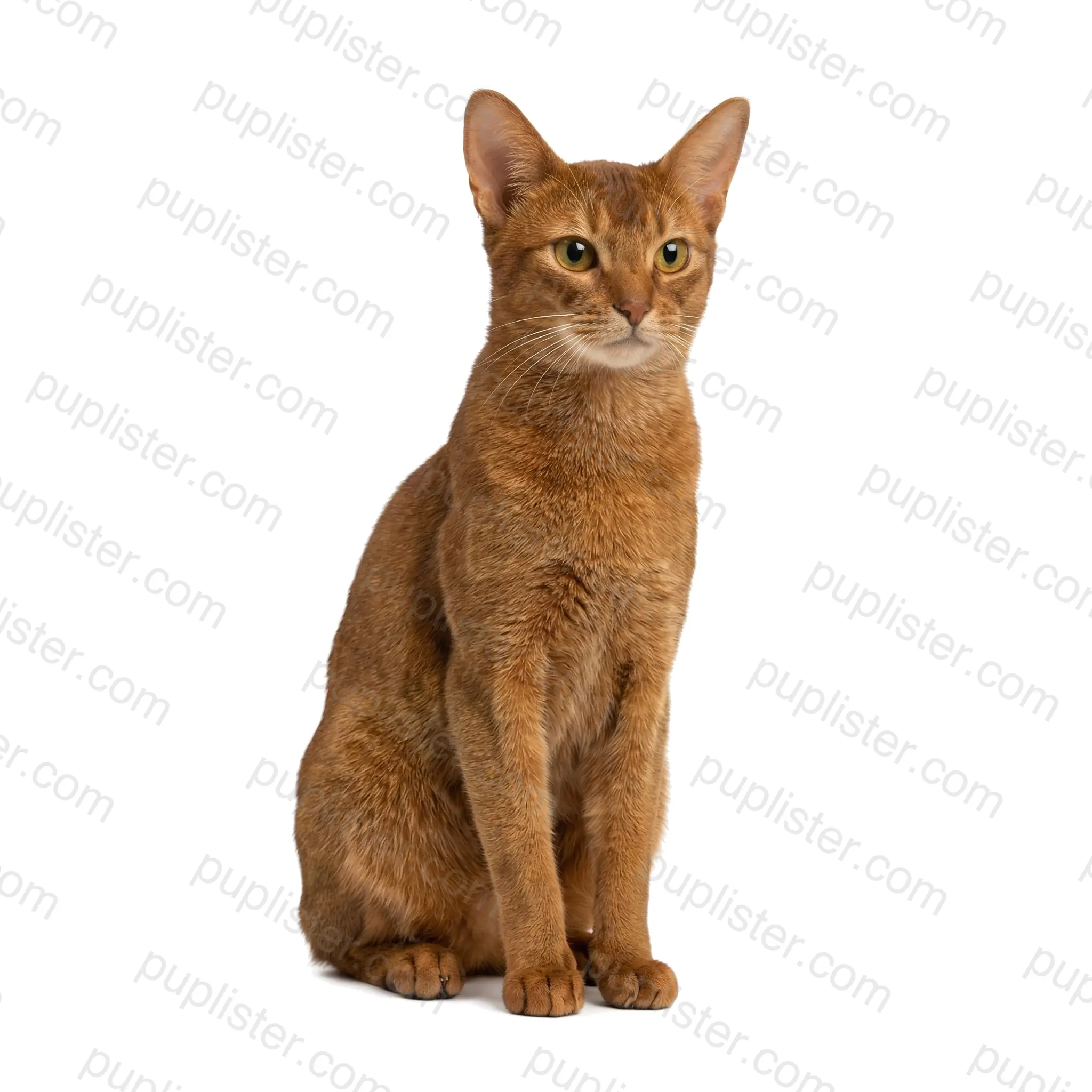
16About the Abyssinian The Abyssinian is one of the oldest known cat breeds — believed to have originated in Southeast Asia or the coast of the Indian Ocean, despite being named after Ethiopia (formerly Abyssinia). This medium-sized cat weighs 6–10 pounds and has a lean, muscular build that reflects its athletic nature. The Abyssinian's distinctive ticked tabby coat comes in warm ruddy, red, blue, and fawn shades, giving each hair multiple bands of color. Temperament & Personality Abyssinians are endlessly curious, highly active cats that love to climb, explore, and supervise every household activity. They form strong bonds with their families and do well with children and other pets, though they prefer interactive play over being a lap cat. Their intelligence and playful energy make them one of the most engaging companion cats. Pros Extremely intelligent and easy to train with clicker methodsLow-maintenance short coat requires minimal groomingHighly social and bonds deeply with all family membersAthletic and entertaining — loves to play fetch and learn tricks Cons Prone to hereditary conditions like pyruvate kinase deficiency and progressive retinal atrophyDemands constant stimulation and can become destructive if boredNot a cuddly lap cat — prefers to be near you rather than on youCan be overly demanding of attention and may vocalize to get it If you're looking for a lively, intelligent feline companion, browse Abyssinian cats available for adoption on Puplister today.
Adopted cat meowing all night? Discover why it happens, how to create a calm environment, and a realistic timeline to quiet nighttime meows.
Is your adopted cat not eating? Learn the causes, from stress to past trauma, and discover practical solutions to get your new feline friend eating again.
Is your new cat hiding and won't come out? It's normal, but proactive steps can help. Learn how to build trust with your shy adopted cat.
Discover how long it takes for a rescue cat to feel at home with our experienced guide, covering the 3-3-3 rule and actionable tips.