Bengal vs LaPerm

Which cat breed is right for you?

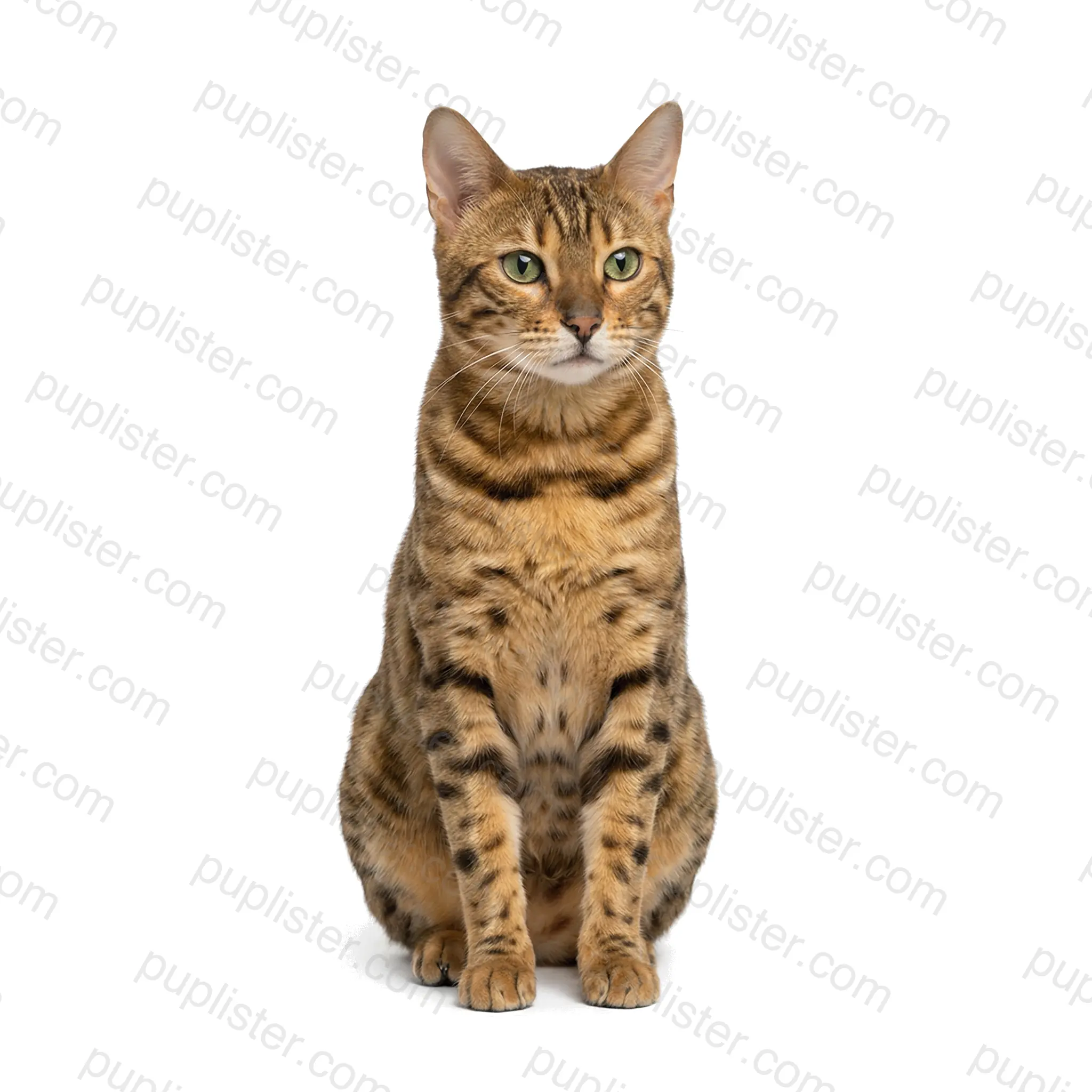
Bengal

Size
8–15 lbs
Lifespan
12–16 years
Exercise
Very High
Grooming
Low
Good with Kids
Yes
Good with Pets
Yes
Energetic Playful Curious Confident

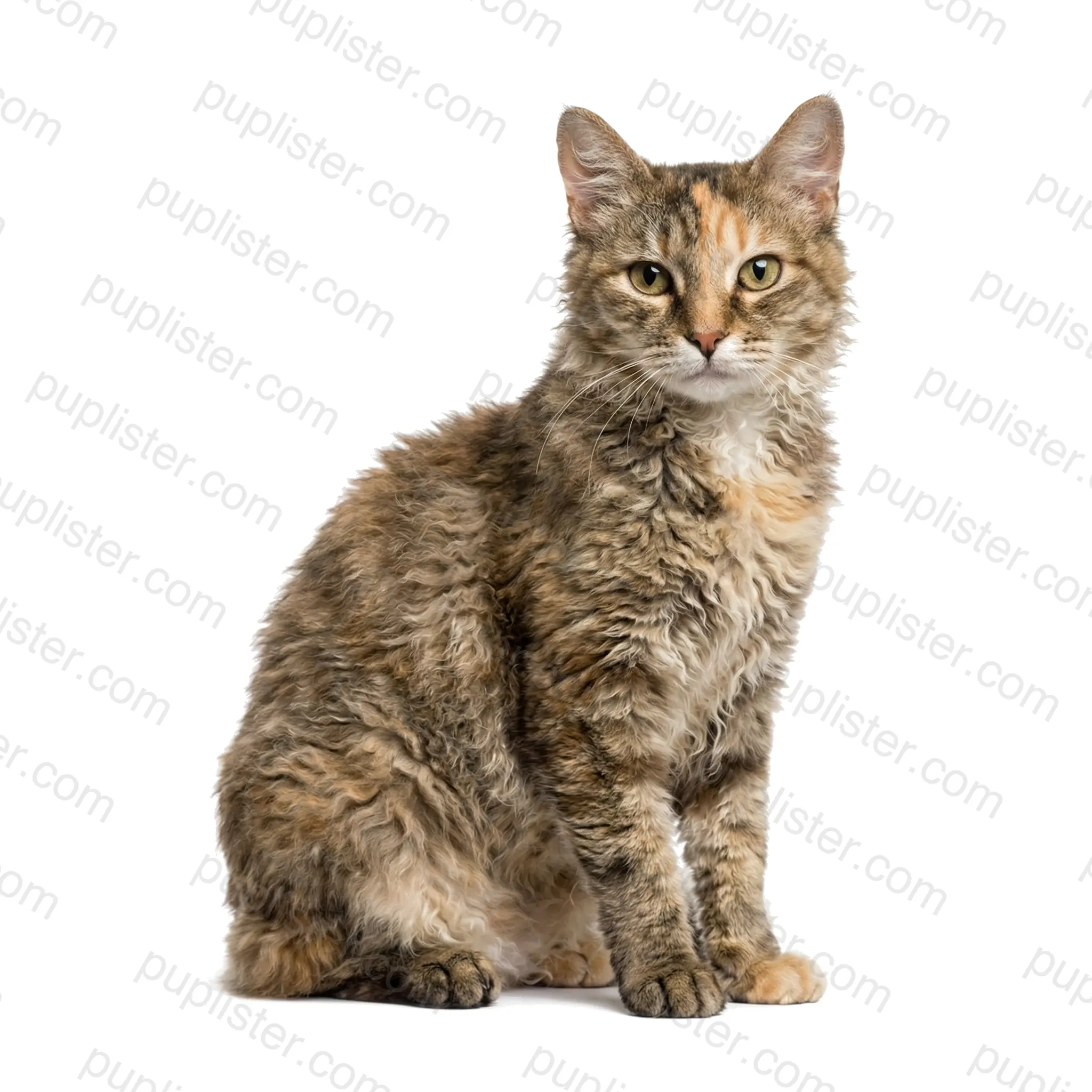
LaPerm

Size
5–10 lbs
Lifespan
10–15 years
Exercise
Moderate
Grooming
Low
Good with Kids
Yes
Good with Pets
Yes
Affectionate Curious Gentle Playful

About the Bengal

The Bengal was developed in the 1960s–1980s by crossing domestic cats with the Asian leopard cat, creating a breed that looks wild but behaves like a household pet. This medium-to-large breed weighs 8–15 pounds and has a muscular, athletic build with a uniquely glittered coat. Their short, dense fur features bold spotted or marbled patterns in brown, snow, silver, and charcoal — many Bengals have individual hairs tipped with gold that shimmer in the light.

Temperament & Personality

Bengals are high-energy, intelligent cats that need plenty of physical and mental stimulation to stay happy. They are confident and curious — often fascinated by water and known for playing in sinks, bathtubs, and water bowls. They bond closely with their families and can do well with older children and other active pets, though their intense energy may overwhelm more timid animals.

Pros

  • Stunning wild appearance with a uniquely glittered, luxurious coat
  • Highly intelligent — can learn tricks, walk on a leash, and play fetch
  • Short coat is low-maintenance and produces less dander than many breeds
  • Loves water — many Bengals will happily join you near the shower or faucet

Cons

  • Extremely high energy — requires extensive daily play and enrichment
  • Can be destructive if not provided with adequate stimulation
  • Vocal breed with a wide range of loud, distinctive sounds
  • Prone to hypertrophic cardiomyopathy (HCM) and progressive retinal atrophy (PRA-b)

Ready for the adventure of owning a Bengal? Search for adoptable Bengal cats on Puplister today.

About the LaPerm

The LaPerm originated in 1982 on a cherry farm in The Dalles, Oregon, when a bald kitten named Curly grew a unique soft, curly coat caused by a dominant gene mutation. This small-to-medium breed weighs 5–10 pounds and comes in both longhair and shorthair varieties, with the longhair featuring loose, bouncy ringlets and the shorthair sporting a wavy, textured coat. Their curls come in all recognized colors and patterns, and the degree of curl can vary from loose waves to tight corkscrews.

Temperament & Personality

LaPerms are affectionate, gentle cats that love to be close to their people — often reaching out with a paw to touch your face or climbing onto your shoulders. They are moderately active, enjoy interactive play, and get along well with children, other cats, and dogs. Their sweet, curious nature and unique appearance make them endearing companions that quickly win over everyone they meet.

Pros

  • Unique curly coat is hypoallergenic-friendly — sheds less and traps dander
  • Gentle, affectionate personality — loves shoulder rides and lap time
  • Both coat varieties are low-maintenance despite their curly appearance
  • Adaptable and easygoing — transitions well to new homes and environments

Cons

  • Kittens may go through an "ugly duckling" phase — born bald and growing coat gradually
  • Curly coat can collect debris and may need occasional bathing
  • Relatively uncommon breed — limited availability through rescues and shelters
  • May be prone to ear wax buildup — ears need regular checking and cleaning

Fall in love with the LaPerm's irresistible curls — explore adoptable cats on Puplister.
Available for Adoption

9

Bengals

Browse

0

LaPerms

Related Articles

All Articles →

Frequently Asked Questions

What is the difference between a Bengal and a LaPerm?
The Bengal is 8–15 lbs sized while the LaPerm is 5–10 lbs sized. They differ in size (8–15 lbs vs 5–10 lbs), lifespan (12–16 years vs 10–15 years), and care requirements.
Which breed is better with kids, Bengal or LaPerm?
Bengal is generally good with kids. LaPerm is generally good with kids.
Which breed lives longer, Bengal or LaPerm?
The Bengal has a lifespan of 12–16 years while the LaPerm has a lifespan of 10–15 years.

Find Your Perfect Pet

Browse thousands of adoptable pets from shelters near you.

Browse Cats