Birman vs Turkish Van

Which cat breed is right for you?

Birman

Size
7–14 lbs
Lifespan
12–16 years
Exercise
Moderate
Grooming
Moderate
Good with Kids
Yes
Good with Pets
Yes
Gentle Affectionate Calm Social

Turkish Van

Size
7–20 lbs
Lifespan
12–17 years
Exercise
High
Grooming
Moderate
Good with Kids
Yes
Good with Pets
Yes
Energetic Playful Independent Athletic

About the Birman

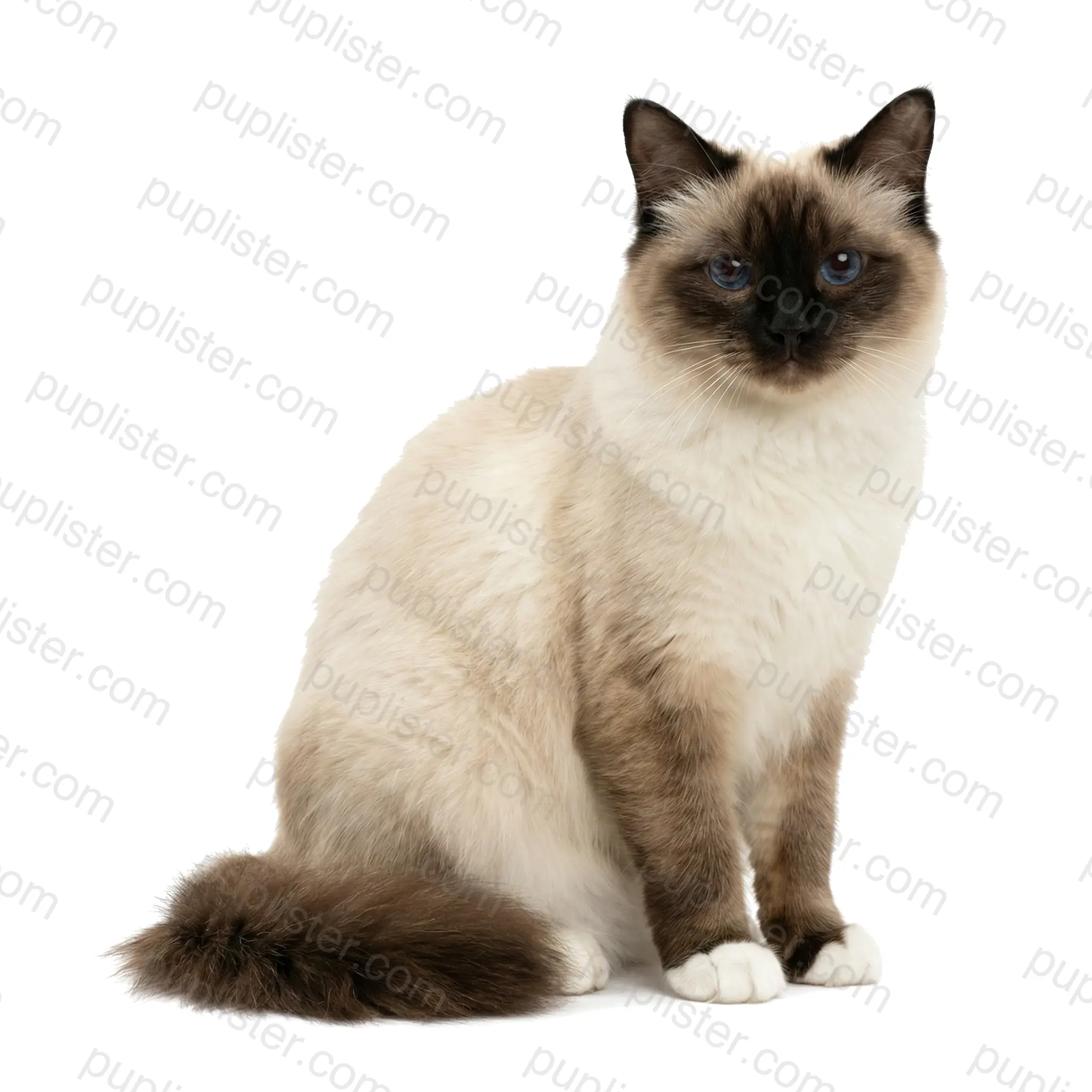
The Birman — also called the Sacred Cat of Burma — has a legendary origin tied to Burmese temples, though the breed was formally established in France in the 1920s. This medium-to-large breed weighs 7–14 pounds and is characterized by its striking blue eyes, silky semi-long coat, and distinctive white "gloves" on all four paws. Their coloring follows a pointed pattern in seal, blue, chocolate, lilac, red, and cream, with a pale golden body and darker extremities.

Temperament & Personality

Birmans are gentle, affectionate cats that love companionship without being overly demanding or clingy. They are quiet, well-mannered, and get along beautifully with children, dogs, and other cats — often seeking harmony in the household. Their docile yet playful nature makes them one of the most family-friendly breeds available.

Pros

  • Silky coat has no undercoat — resists matting far better than other longhairs
  • Gentle, docile temperament ideal for families with young children
  • Quiet breed — communicates with soft, melodic vocalizations
  • Sociable with other pets and adapts well to multi-animal households

Cons

  • Prone to hypertrophic cardiomyopathy (HCM) and kidney disease
  • Can develop obesity if overfed — requires careful diet management
  • Coat still requires regular brushing despite lack of undercoat
  • May become depressed if left alone for extended periods

Bring the gentle spirit of a Birman into your life — browse cats available for adoption on Puplister.

About the Turkish Van

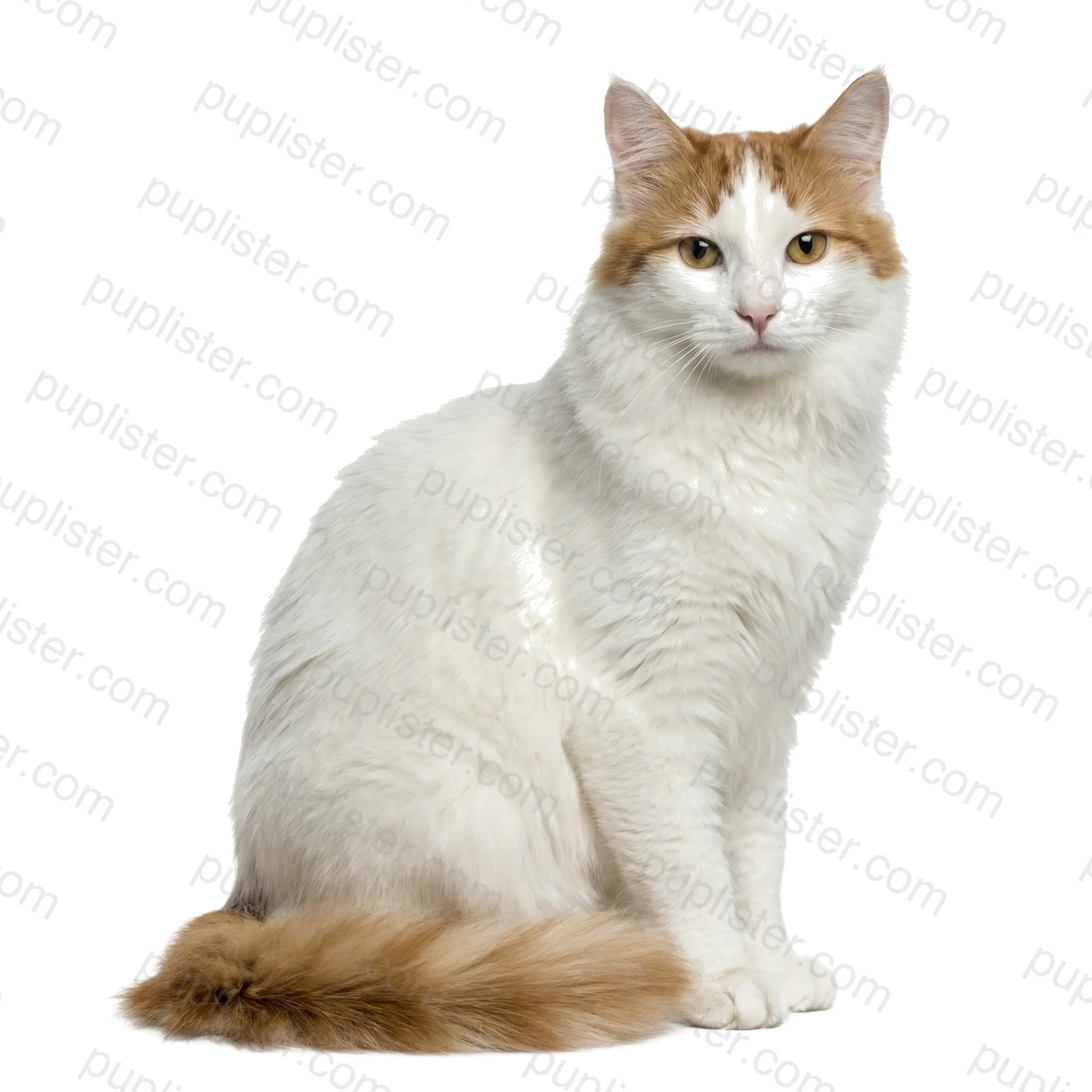
The Turkish Van is a rare, naturally occurring breed from the Lake Van region of eastern Turkey, renowned as the "swimming cat" for its unusual love of water. This is a large, muscular cat weighing 10–18 pounds with a semi-long, cashmere-like single coat that is water-resistant and dries remarkably fast. The classic Van pattern features a predominantly chalk-white body with colored markings limited to the head and tail — typically in red, cream, black, blue, or tortoiseshell — though solid white and fully colored Vans also exist.

Temperament & Personality

Turkish Vans are energetic, independent, and famously fond of water — they may join you in the shower, play in the toilet, or splash in their water bowl. Intelligent and athletic, they love to climb, jump, and play vigorously. They bond closely with their family but can be selective about being held — they prefer to be near you rather than in your lap.

Pros

  • Unique love of water sets them apart from nearly every other breed
  • Cashmere-textured single coat is water-resistant, low-shedding, and rarely mats
  • Athletic and playful — endlessly entertaining to watch
  • Hardy, naturally evolved breed with robust health

Cons

  • Does not enjoy being held or restrained — wants affection on its own terms
  • Extremely high energy — needs significant space and daily vigorous play
  • Water obsession can create messes — toilet lids must stay closed
  • All-white Vans can be prone to deafness, similar to Turkish Angoras

Looking for an adventurous water-lover unlike any other cat? Browse Turkish Van cats on Puplister and discover this remarkable swimming feline.
Available for Adoption

0

Birmen

2

Turkish Vans

Browse

Related Articles

All Articles →

Frequently Asked Questions

What is the difference between a Birman and a Turkish Van?
The Birman is 7–14 lbs sized while the Turkish Van is 7–20 lbs sized. They differ in size (7–14 lbs vs 7–20 lbs), lifespan (12–16 years vs 12–17 years), and care requirements.
Which breed is better with kids, Birman or Turkish Van?
Birman is generally good with kids. Turkish Van is generally good with kids.
Which breed lives longer, Birman or Turkish Van?
The Birman has a lifespan of 12–16 years while the Turkish Van has a lifespan of 12–17 years.

Find Your Perfect Pet

Browse thousands of adoptable pets from shelters near you.

Browse Cats