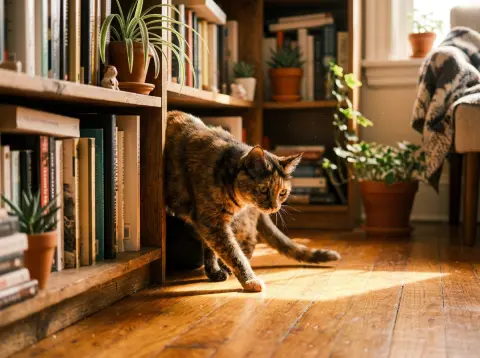
Bombay vs Burmese

Which cat breed is right for you?

Bombay

Size
6–11 lbs
Lifespan
12–16 years
Exercise
Moderate
Grooming
Low
Good with Kids
Yes
Good with Pets
Yes
Affectionate Playful Social Intelligent

Burmese

Size
6–14 lbs
Lifespan
10–17 years
Exercise
Moderate
Grooming
Low
Good with Kids
Yes
Good with Pets
Yes
Social Playful Affectionate Vocal

About the Bombay

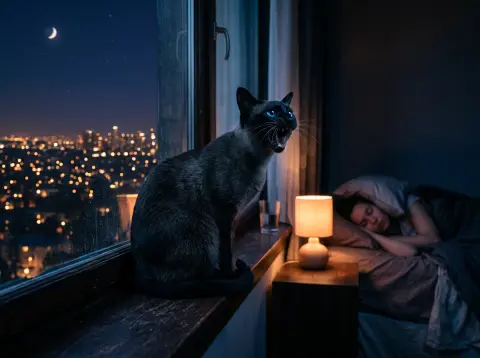
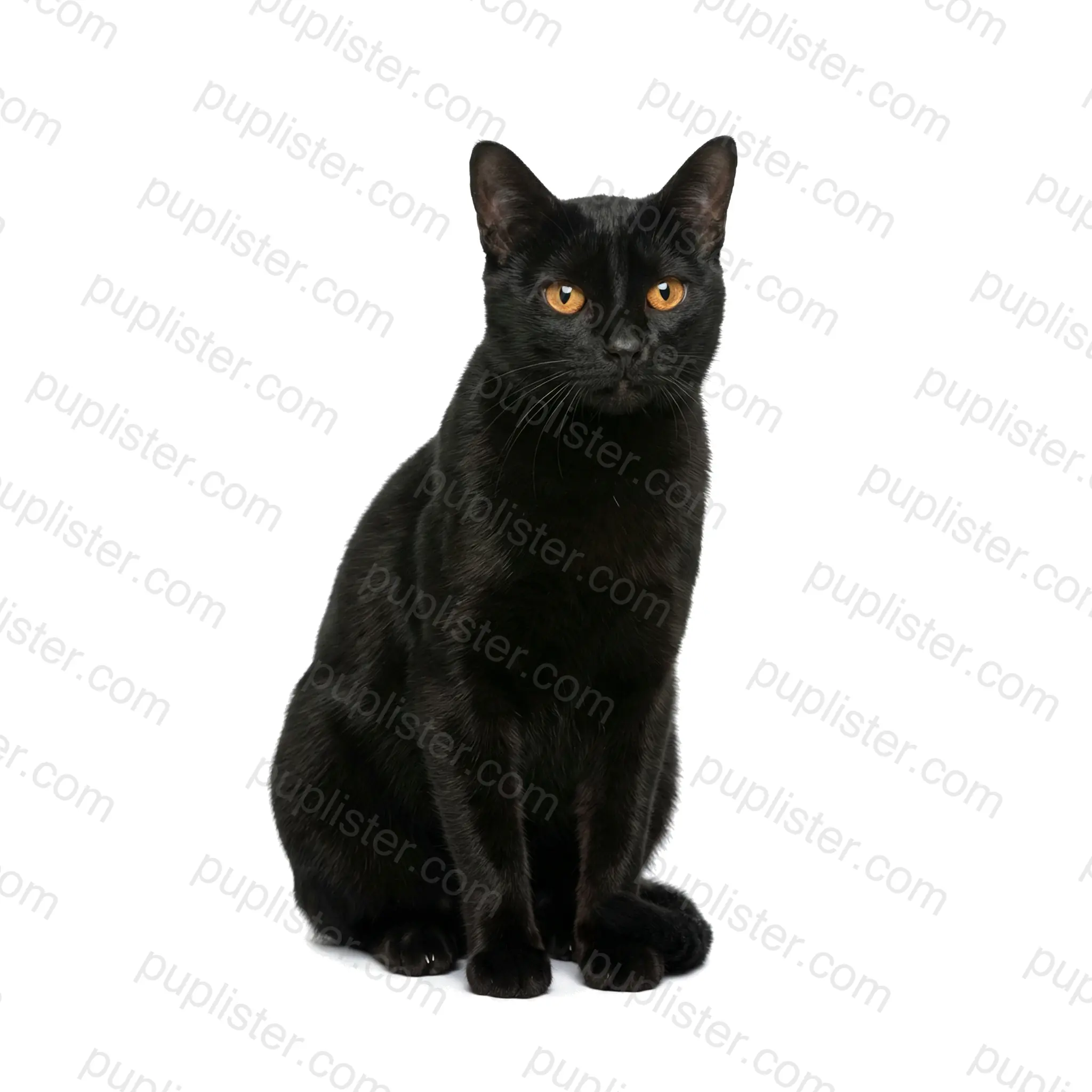
The Bombay was created in the 1950s by breeder Nikki Horner in Louisville, Kentucky, who crossed sable Burmese with black American Shorthairs to produce a cat resembling a miniature black panther. This medium-sized breed weighs 6–11 pounds and has a compact, muscular build with a sleek, jet-black coat. Every feature is black — from their glossy, patent-leather-like fur to their nose leather and paw pads — contrasted only by their striking copper or gold eyes.

Temperament & Personality

Bombays are outgoing, attention-loving cats that thrive on being the center of their family's world. They are remarkably adaptable and get along well with children, dogs, and other cats — often becoming the social director of the household. Their intelligence and trainability make them excellent candidates for learning tricks, and they are known for greeting visitors at the door.

Pros

  • Sleek, low-shedding coat requires minimal grooming
  • Dog-like personality — enjoys fetch, leash walks, and greeting guests
  • Highly adaptable to apartment living and urban environments
  • Craves warmth and is an enthusiastic lap cat and bed companion

Cons

  • Can be excessively needy — does not tolerate being ignored well
  • Prone to craniofacial defects and breathing issues inherited from Burmese lines
  • Overeats easily and is highly prone to obesity
  • May become demanding and vocal when seeking attention

Fall in love with the sleek elegance of the Bombay — find your perfect match among adoptable cats on Puplister.

About the Burmese

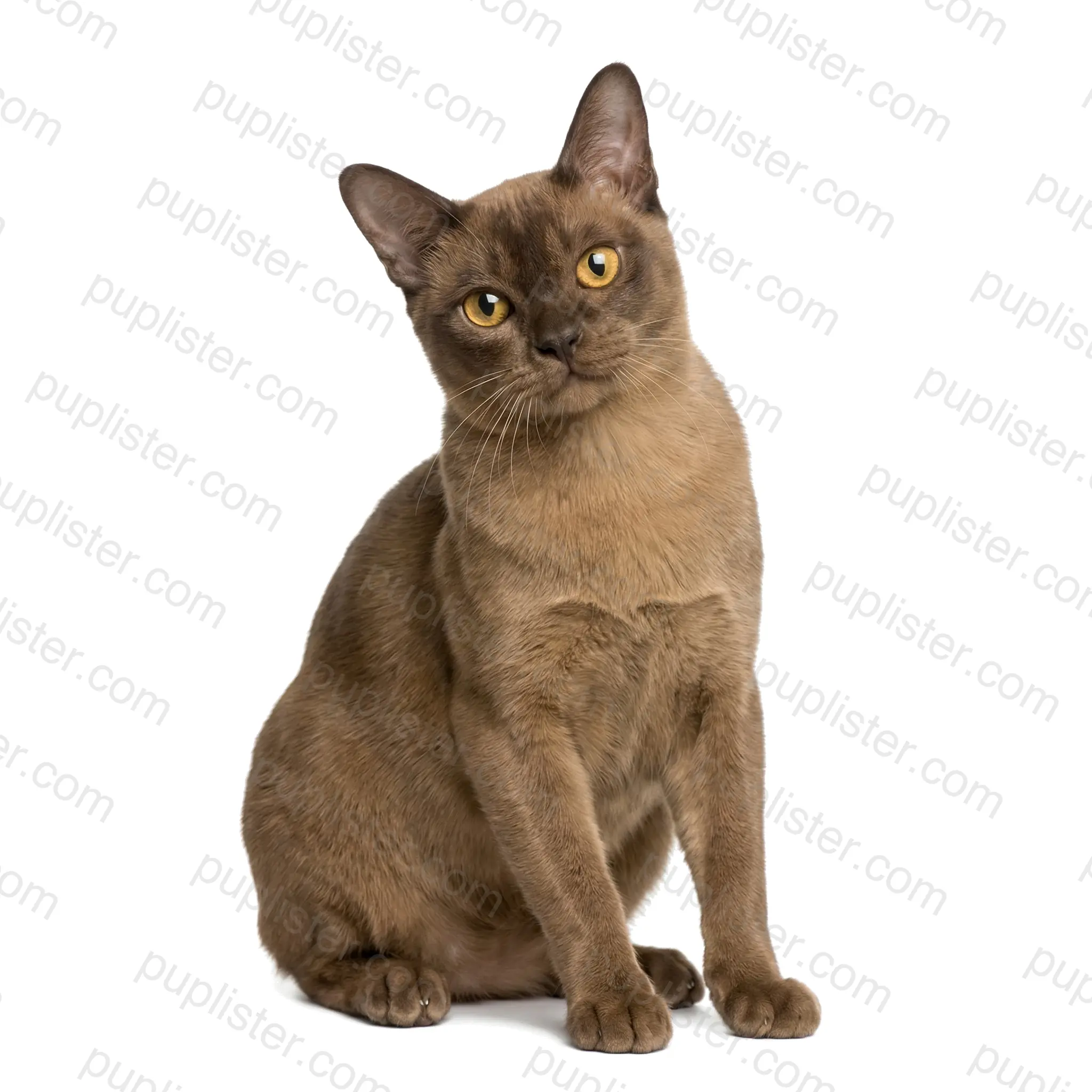
The Burmese traces its Western lineage to a single cat named Wong Mau, brought from Burma (Myanmar) to San Francisco in 1930 by Dr. Joseph C. Thompson. This compact, muscular breed weighs 6–14 pounds and is surprisingly heavy for its size — often described as a "brick wrapped in silk." Their short, satiny coat comes in sable, champagne, blue, and platinum, with an exceptionally fine texture that lies close to the body.

Temperament & Personality

Burmese cats are social, energetic, and deeply people-oriented — they want to be involved in everything their family does. They are excellent with children and other pets, often initiating play and maintaining their kitten-like exuberance well into old age. Their trusting, outgoing nature means they should be kept indoors, as they lack the wariness of strangers that keeps other cats safe outdoors.

Pros

  • Extremely affectionate — thrives on physical contact and lap time
  • Maintains playful, kitten-like energy throughout adulthood
  • Minimal grooming needed — satiny coat rarely sheds or mats
  • Highly social and does well in multi-cat households

Cons

  • Prone to diabetes mellitus at higher rates than most breeds
  • Susceptible to craniofacial defects and hypokalemic polymyopathy
  • Too trusting — not streetwise enough for outdoor access
  • Demanding of attention — can develop behavioral issues if left alone regularly

Experience the warmth and devotion of a Burmese — find cats ready for adoption on Puplister.
Available for Adoption

14

Bombays

Browse

0

Burmeses

Related Articles

All Articles →

Frequently Asked Questions

What is the difference between a Bombay and a Burmese?
The Bombay is 6–11 lbs sized while the Burmese is 6–14 lbs sized. They differ in size (6–11 lbs vs 6–14 lbs), lifespan (12–16 years vs 10–17 years), and care requirements.
Which breed is better with kids, Bombay or Burmese?
Bombay is generally good with kids. Burmese is generally good with kids.
Which breed lives longer, Bombay or Burmese?
The Bombay has a lifespan of 12–16 years while the Burmese has a lifespan of 10–17 years.

Find Your Perfect Pet

Browse thousands of adoptable pets from shelters near you.

Browse Cats