Bombay vs Ocicat

Which cat breed is right for you?

Bombay

Size
6–11 lbs
Lifespan
12–16 years
Exercise
Moderate
Grooming
Low
Good with Kids
Yes
Good with Pets
Yes
Affectionate Playful Social Intelligent

Ocicat

Size
6–15 lbs
Lifespan
12–18 years
Exercise
High
Grooming
Low
Good with Kids
Yes
Good with Pets
Yes
Social Playful Confident Athletic

About the Bombay

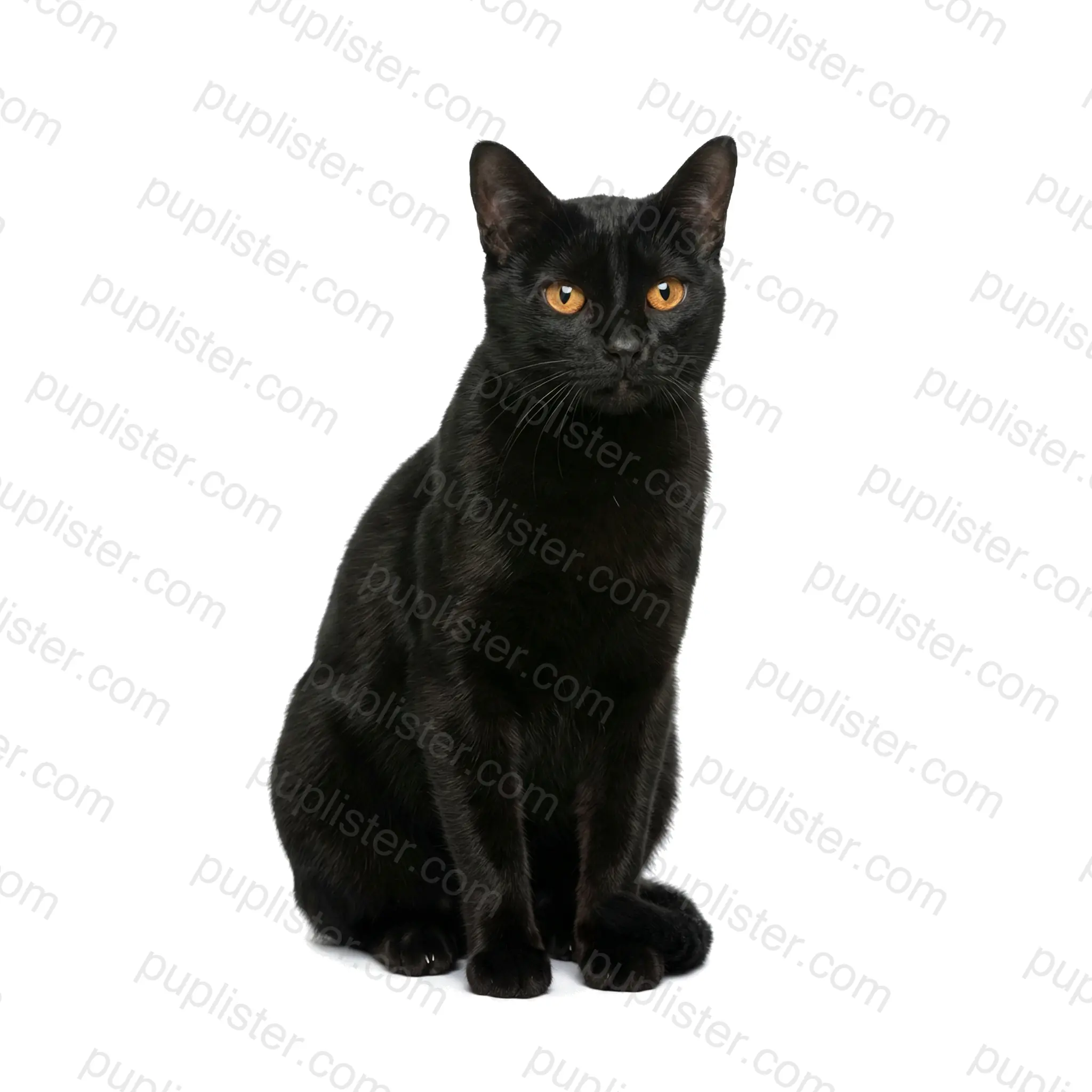
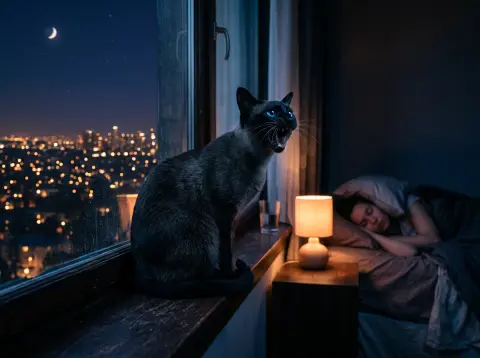
The Bombay was created in the 1950s by breeder Nikki Horner in Louisville, Kentucky, who crossed sable Burmese with black American Shorthairs to produce a cat resembling a miniature black panther. This medium-sized breed weighs 6–11 pounds and has a compact, muscular build with a sleek, jet-black coat. Every feature is black — from their glossy, patent-leather-like fur to their nose leather and paw pads — contrasted only by their striking copper or gold eyes.

Temperament & Personality

Bombays are outgoing, attention-loving cats that thrive on being the center of their family's world. They are remarkably adaptable and get along well with children, dogs, and other cats — often becoming the social director of the household. Their intelligence and trainability make them excellent candidates for learning tricks, and they are known for greeting visitors at the door.

Pros

  • Sleek, low-shedding coat requires minimal grooming
  • Dog-like personality — enjoys fetch, leash walks, and greeting guests
  • Highly adaptable to apartment living and urban environments
  • Craves warmth and is an enthusiastic lap cat and bed companion

Cons

  • Can be excessively needy — does not tolerate being ignored well
  • Prone to craniofacial defects and breathing issues inherited from Burmese lines
  • Overeats easily and is highly prone to obesity
  • May become demanding and vocal when seeking attention

Fall in love with the sleek elegance of the Bombay — find your perfect match among adoptable cats on Puplister.

About the Ocicat

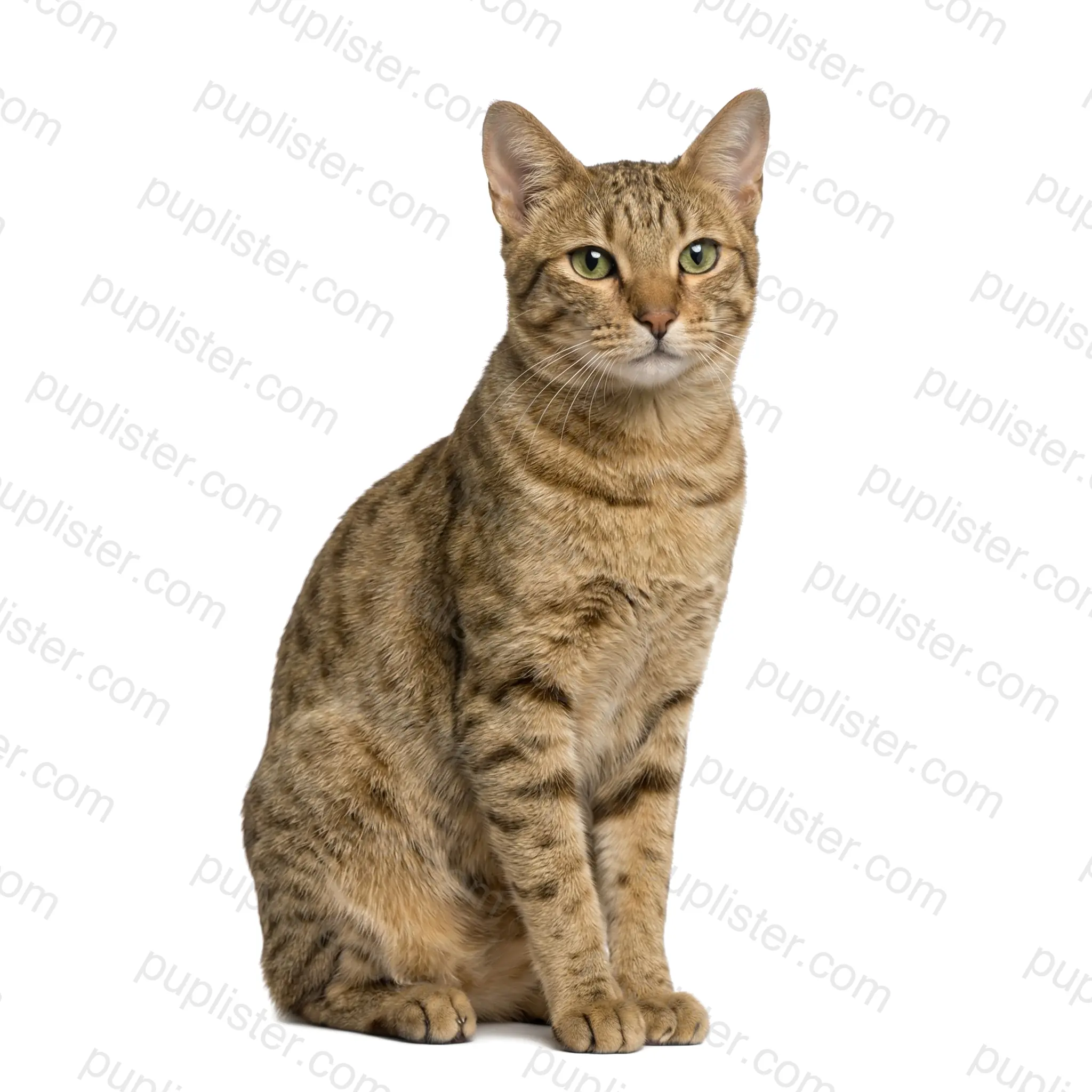
The Ocicat was created entirely by accident in 1964 when a Michigan breeder crossed Siamese and Abyssinian cats, producing a spotted kitten that resembled a wild ocelot. Despite its exotic appearance, the Ocicat has no wild blood whatsoever. This muscular, athletic cat weighs 6–15 pounds and boasts a short, satiny coat covered in distinctive thumb-shaped spots arranged in a classic bull's-eye pattern, available in twelve recognized colors from tawny to lavender silver.

Temperament & Personality

Ocicats are exceptionally social, dog-like cats that greet visitors at the door, play fetch, and can be trained to walk on a leash. They are highly intelligent and demand interaction — this is not a breed that does well left alone for long hours. Their confident, outgoing nature makes them wonderful companions for active families with children and other pets.

Pros

  • Wild, exotic appearance without any wild cat bloodlines
  • Highly trainable — responds to commands, learns tricks, walks on a leash
  • Short coat requires minimal grooming
  • Confident and social with strangers, children, and other animals

Cons

  • Extremely high need for attention and stimulation — may develop destructive behaviors if bored
  • Very vocal and demanding when they want interaction
  • Not suited for owners who are away from home frequently
  • Strong prey drive — may not coexist well with small pocket pets

Want a wild look with a domestic heart? Find Ocicat cats seeking loving homes on Puplister now.

Available for Adoption

14

Bombays

Browse

0

Ocicats

Related Articles

All Articles →

Frequently Asked Questions

What is the difference between a Bombay and a Ocicat?
The Bombay is 6–11 lbs sized while the Ocicat is 6–15 lbs sized. They differ in size (6–11 lbs vs 6–15 lbs), lifespan (12–16 years vs 12–18 years), and care requirements.
Which breed is better with kids, Bombay or Ocicat?
Bombay is generally good with kids. Ocicat is generally good with kids.
Which breed lives longer, Bombay or Ocicat?
The Bombay has a lifespan of 12–16 years while the Ocicat has a lifespan of 12–18 years.

Find Your Perfect Pet

Browse thousands of adoptable pets from shelters near you.

Browse Cats