Bombay vs Serengeti

Which cat breed is right for you?

Bombay

Size
6–11 lbs
Lifespan
12–16 years
Exercise
Moderate
Grooming
Low
Good with Kids
Yes
Good with Pets
Yes
Affectionate Playful Social Intelligent

Serengeti

Size
8–15 lbs
Lifespan
10–15 years
Exercise
High
Grooming
Low
Good with Kids
Yes
Good with Pets
Yes
Active Confident Friendly Vocal

About the Bombay

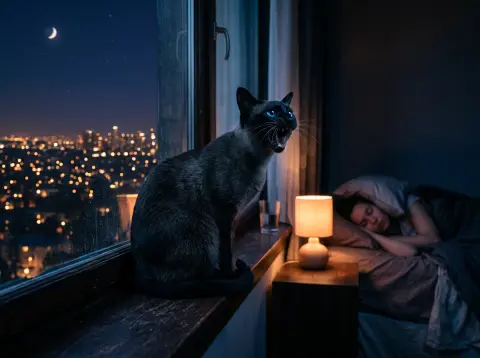
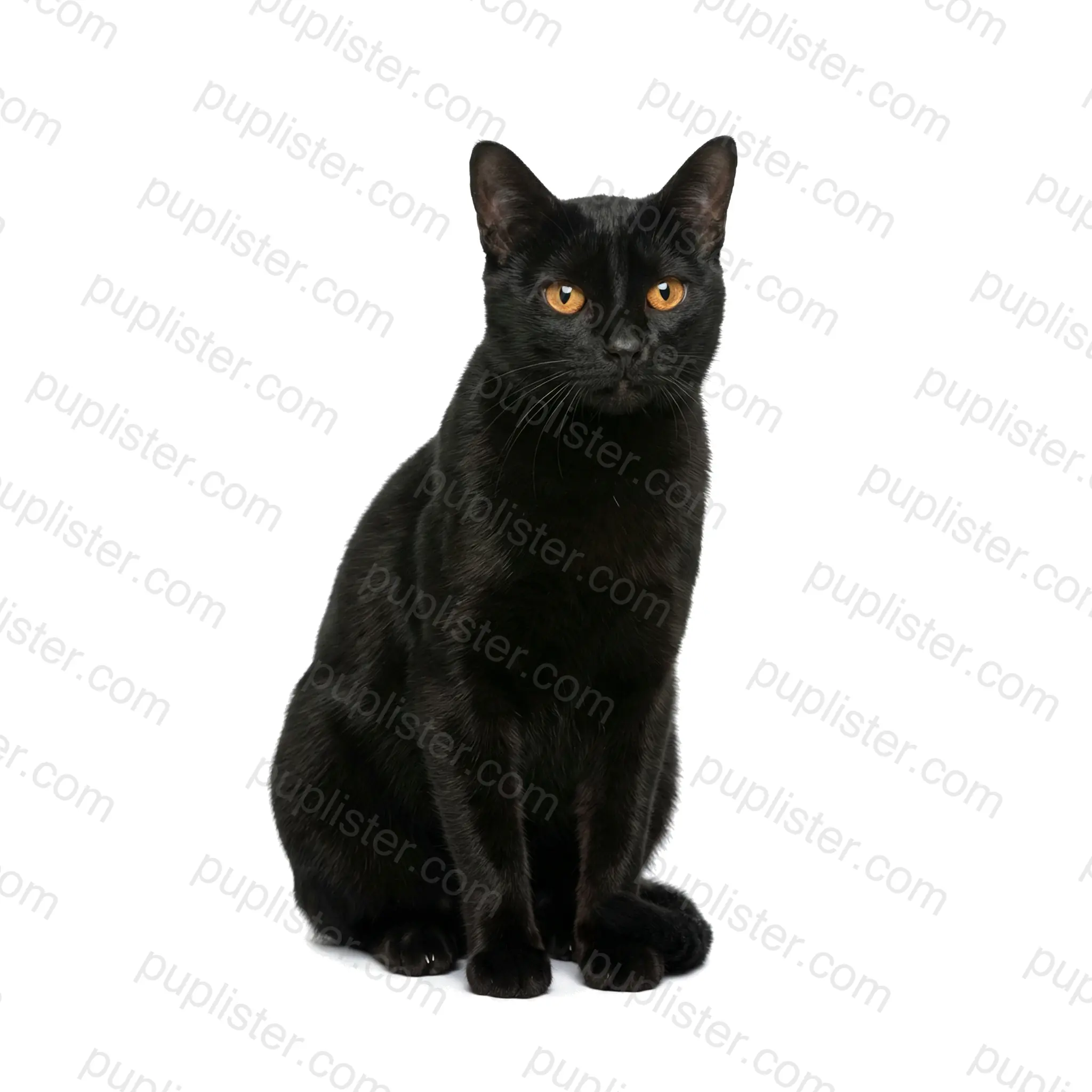
The Bombay was created in the 1950s by breeder Nikki Horner in Louisville, Kentucky, who crossed sable Burmese with black American Shorthairs to produce a cat resembling a miniature black panther. This medium-sized breed weighs 6–11 pounds and has a compact, muscular build with a sleek, jet-black coat. Every feature is black — from their glossy, patent-leather-like fur to their nose leather and paw pads — contrasted only by their striking copper or gold eyes.

Temperament & Personality

Bombays are outgoing, attention-loving cats that thrive on being the center of their family's world. They are remarkably adaptable and get along well with children, dogs, and other cats — often becoming the social director of the household. Their intelligence and trainability make them excellent candidates for learning tricks, and they are known for greeting visitors at the door.

Pros

  • Sleek, low-shedding coat requires minimal grooming
  • Dog-like personality — enjoys fetch, leash walks, and greeting guests
  • Highly adaptable to apartment living and urban environments
  • Craves warmth and is an enthusiastic lap cat and bed companion

Cons

  • Can be excessively needy — does not tolerate being ignored well
  • Prone to craniofacial defects and breathing issues inherited from Burmese lines
  • Overeats easily and is highly prone to obesity
  • May become demanding and vocal when seeking attention

Fall in love with the sleek elegance of the Bombay — find your perfect match among adoptable cats on Puplister.

About the Serengeti

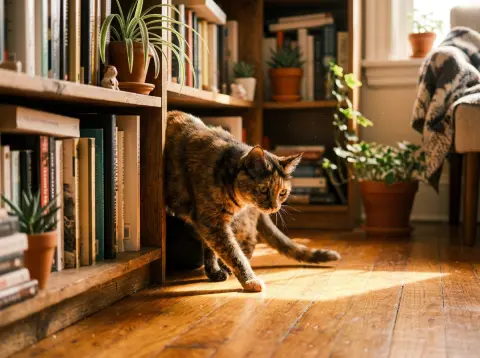
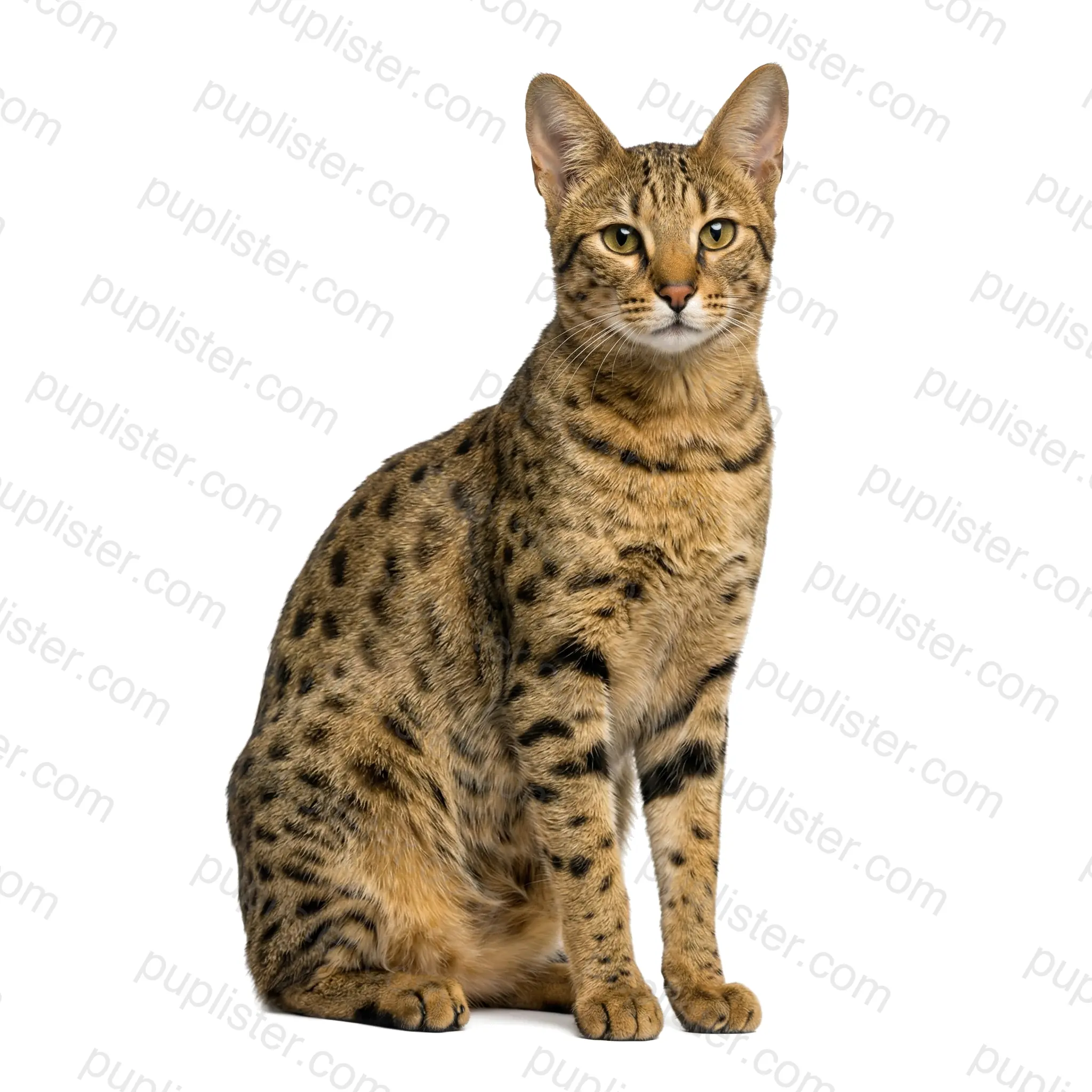
The Serengeti was developed in the 1990s by conservation biologist Karen Sausman in California, who crossed Bengal and Oriental Shorthair cats to create a breed that mimics the appearance of the African serval without any wild blood. Weighing 8–15 pounds, this tall, long-legged cat has large, round-tipped ears set high on the head, a long neck, and a short, dense coat in spotted tabby patterns — typically gold with bold black spots, though silver and smoke variations also exist.

Temperament & Personality

Serengetis are confident, active cats that love to climb, run, and explore. They are remarkably vocal, producing a range of chirps, chatters, and loud meows to communicate. Social and outgoing, they bond strongly with their families and get along well with children and other cats, though they can be bossy with more timid feline companions.

Pros

  • Wild serval-like appearance with zero wild cat bloodlines — no legal restrictions
  • Confident and outgoing — great for social, active households
  • Short, low-maintenance coat that requires minimal grooming
  • Athletic and entertaining — loves interactive play and climbing

Cons

  • Extremely active — needs vertical space, cat trees, and daily vigorous play
  • Very vocal with a loud voice that may bother noise-sensitive neighbors
  • Can be dominant or territorial with other cats in the household
  • Rare breed with limited availability through breeders or rescues

Drawn to the wild look without the wild challenges? Discover Serengeti cats on Puplister and welcome this athletic beauty home.
Available for Adoption

14

Bombays

Browse

0

Serengetis

Related Articles

All Articles →

Frequently Asked Questions

What is the difference between a Bombay and a Serengeti?
The Bombay is 6–11 lbs sized while the Serengeti is 8–15 lbs sized. They differ in size (6–11 lbs vs 8–15 lbs), lifespan (12–16 years vs 10–15 years), and care requirements.
Which breed is better with kids, Bombay or Serengeti?
Bombay is generally good with kids. Serengeti is generally good with kids.
Which breed lives longer, Bombay or Serengeti?
The Bombay has a lifespan of 12–16 years while the Serengeti has a lifespan of 10–15 years.

Find Your Perfect Pet

Browse thousands of adoptable pets from shelters near you.

Browse Cats