Burmese vs Turkish Van

Which cat breed is right for you?

Burmese

Size
6–14 lbs
Lifespan
10–17 years
Exercise
Moderate
Grooming
Low
Good with Kids
Yes
Good with Pets
Yes
Social Playful Affectionate Vocal

Turkish Van

Size
7–20 lbs
Lifespan
12–17 years
Exercise
High
Grooming
Moderate
Good with Kids
Yes
Good with Pets
Yes
Energetic Playful Independent Athletic

About the Burmese

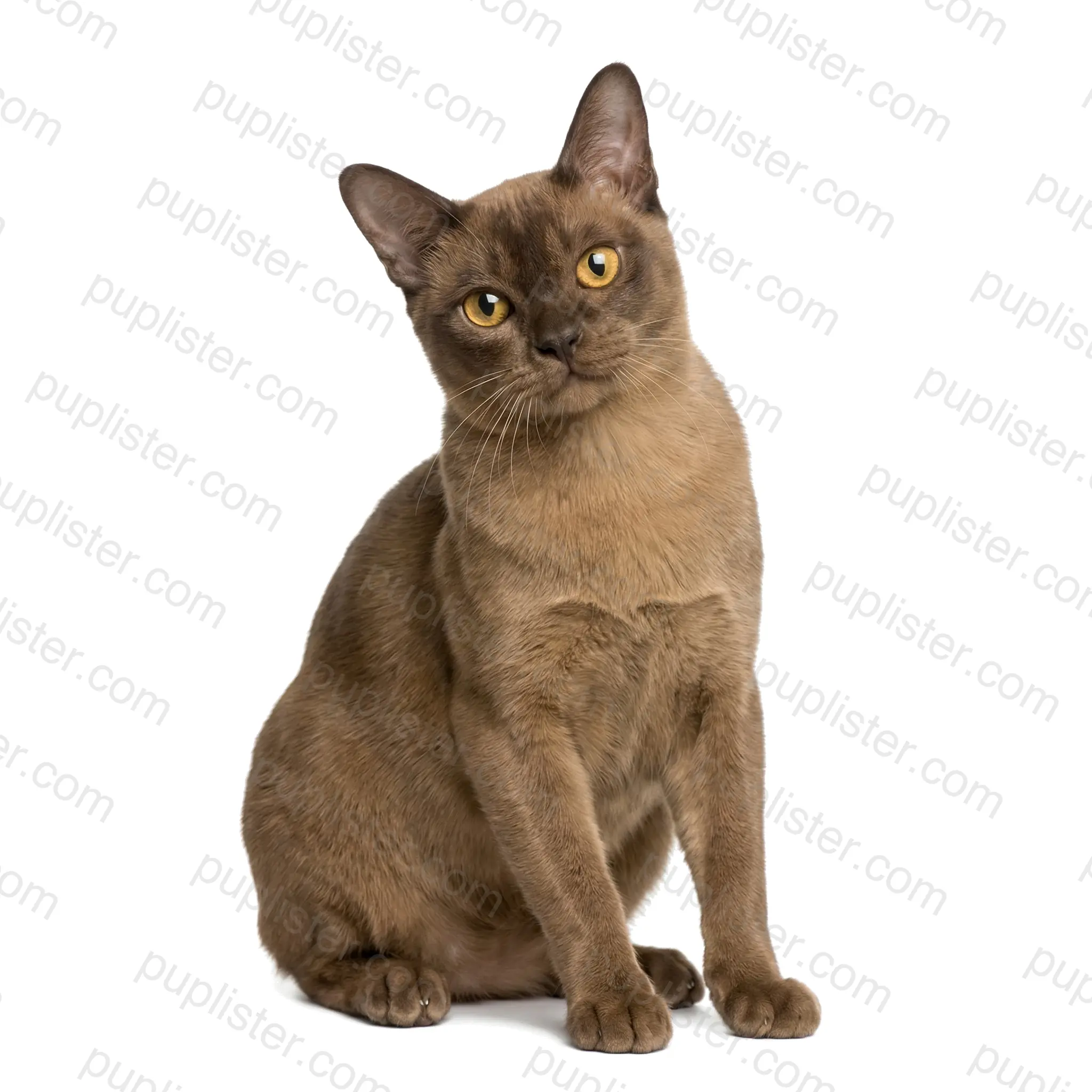
The Burmese traces its Western lineage to a single cat named Wong Mau, brought from Burma (Myanmar) to San Francisco in 1930 by Dr. Joseph C. Thompson. This compact, muscular breed weighs 6–14 pounds and is surprisingly heavy for its size — often described as a "brick wrapped in silk." Their short, satiny coat comes in sable, champagne, blue, and platinum, with an exceptionally fine texture that lies close to the body.

Temperament & Personality

Burmese cats are social, energetic, and deeply people-oriented — they want to be involved in everything their family does. They are excellent with children and other pets, often initiating play and maintaining their kitten-like exuberance well into old age. Their trusting, outgoing nature means they should be kept indoors, as they lack the wariness of strangers that keeps other cats safe outdoors.

Pros

  • Extremely affectionate — thrives on physical contact and lap time
  • Maintains playful, kitten-like energy throughout adulthood
  • Minimal grooming needed — satiny coat rarely sheds or mats
  • Highly social and does well in multi-cat households

Cons

  • Prone to diabetes mellitus at higher rates than most breeds
  • Susceptible to craniofacial defects and hypokalemic polymyopathy
  • Too trusting — not streetwise enough for outdoor access
  • Demanding of attention — can develop behavioral issues if left alone regularly

Experience the warmth and devotion of a Burmese — find cats ready for adoption on Puplister.

About the Turkish Van

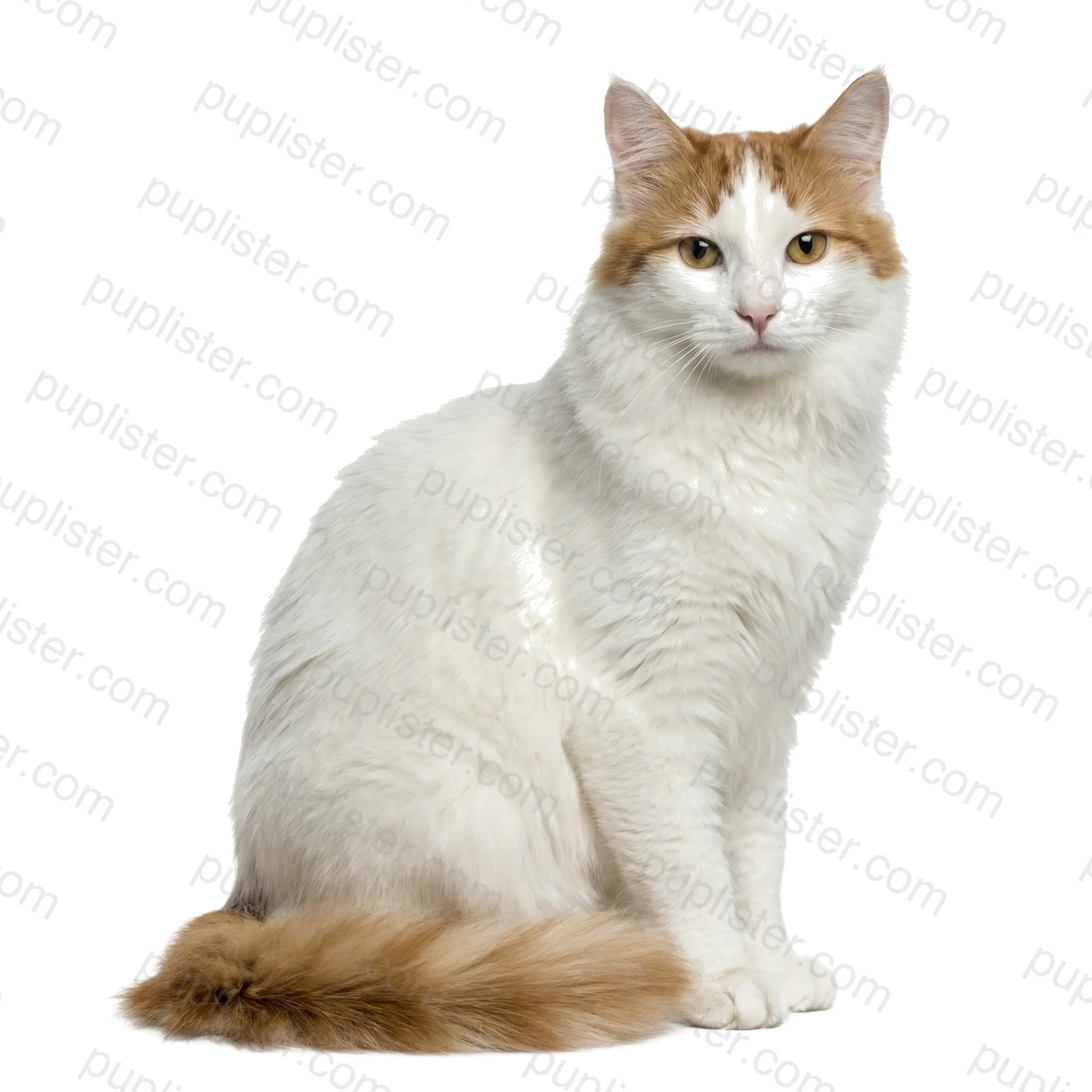
The Turkish Van is a rare, naturally occurring breed from the Lake Van region of eastern Turkey, renowned as the "swimming cat" for its unusual love of water. This is a large, muscular cat weighing 10–18 pounds with a semi-long, cashmere-like single coat that is water-resistant and dries remarkably fast. The classic Van pattern features a predominantly chalk-white body with colored markings limited to the head and tail — typically in red, cream, black, blue, or tortoiseshell — though solid white and fully colored Vans also exist.

Temperament & Personality

Turkish Vans are energetic, independent, and famously fond of water — they may join you in the shower, play in the toilet, or splash in their water bowl. Intelligent and athletic, they love to climb, jump, and play vigorously. They bond closely with their family but can be selective about being held — they prefer to be near you rather than in your lap.

Pros

  • Unique love of water sets them apart from nearly every other breed
  • Cashmere-textured single coat is water-resistant, low-shedding, and rarely mats
  • Athletic and playful — endlessly entertaining to watch
  • Hardy, naturally evolved breed with robust health

Cons

  • Does not enjoy being held or restrained — wants affection on its own terms
  • Extremely high energy — needs significant space and daily vigorous play
  • Water obsession can create messes — toilet lids must stay closed
  • All-white Vans can be prone to deafness, similar to Turkish Angoras

Looking for an adventurous water-lover unlike any other cat? Browse Turkish Van cats on Puplister and discover this remarkable swimming feline.
Available for Adoption

0

Burmeses

5

Turkish Vans

Browse

Related Articles

All Articles →

Frequently Asked Questions

What is the difference between a Burmese and a Turkish Van?
The Burmese is 6–14 lbs sized while the Turkish Van is 7–20 lbs sized. They differ in size (6–14 lbs vs 7–20 lbs), lifespan (10–17 years vs 12–17 years), and care requirements.
Which breed is better with kids, Burmese or Turkish Van?
Burmese is generally good with kids. Turkish Van is generally good with kids.
Which breed lives longer, Burmese or Turkish Van?
The Burmese has a lifespan of 10–17 years while the Turkish Van has a lifespan of 12–17 years.

Find Your Perfect Pet

Browse thousands of adoptable pets from shelters near you.

Browse Cats