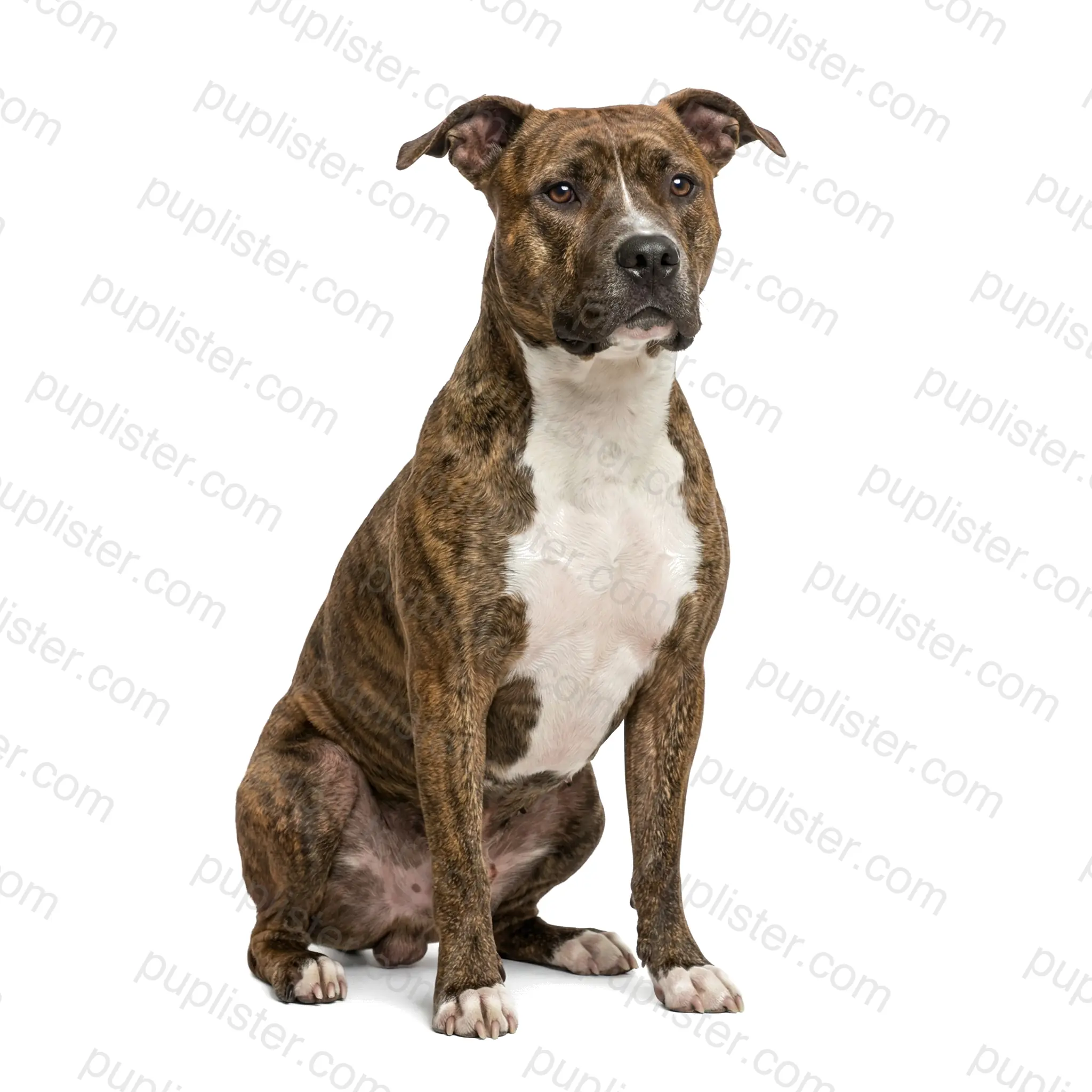
About the American Pit Bull Terrier
The American Pit Bull Terrier traces its roots to 19th-century England, where Bulldogs and Terriers were crossed to create a dog combining strength with agility. Standing 17–21 inches tall and weighing 30–60 pounds, the APBT is a medium-sized, solidly built dog with a broad chest and well-defined musculature. Their short, glossy coat comes in virtually every color and pattern — including blue, red, brindle, and merle — and is exceptionally easy to maintain.
Temperament & Personality
Despite their often-misunderstood reputation, American Pit Bull Terriers are among the most people-oriented breeds — they are affectionate, eager to please, and frequently described as "nanny dogs" for their gentleness with children. They are intelligent, loyal, and enthusiastic about training when given positive reinforcement. However, some individuals may exhibit dog-selectivity, and responsible ownership includes understanding their terrier-driven tenacity.
Pros
- Extremely affectionate and loyal — they bond deeply with every family member
- Highly trainable and eager to please, excelling in obedience and nosework
- Low grooming needs with their short, easy-care coat
- Athletic and energetic — outstanding companion for active lifestyles
Cons
- Subject to breed-specific legislation and housing restrictions in many areas
- May develop dog-selectivity, requiring careful management around other dogs
- Strong and powerful — not ideal for physically frail owners
- Prone to skin allergies, hip dysplasia, and congenital heart disease
These loving, misunderstood dogs deserve wonderful homes — browse adoptable Pit Bull Terriers on Puplister today.