About the Border Terrier
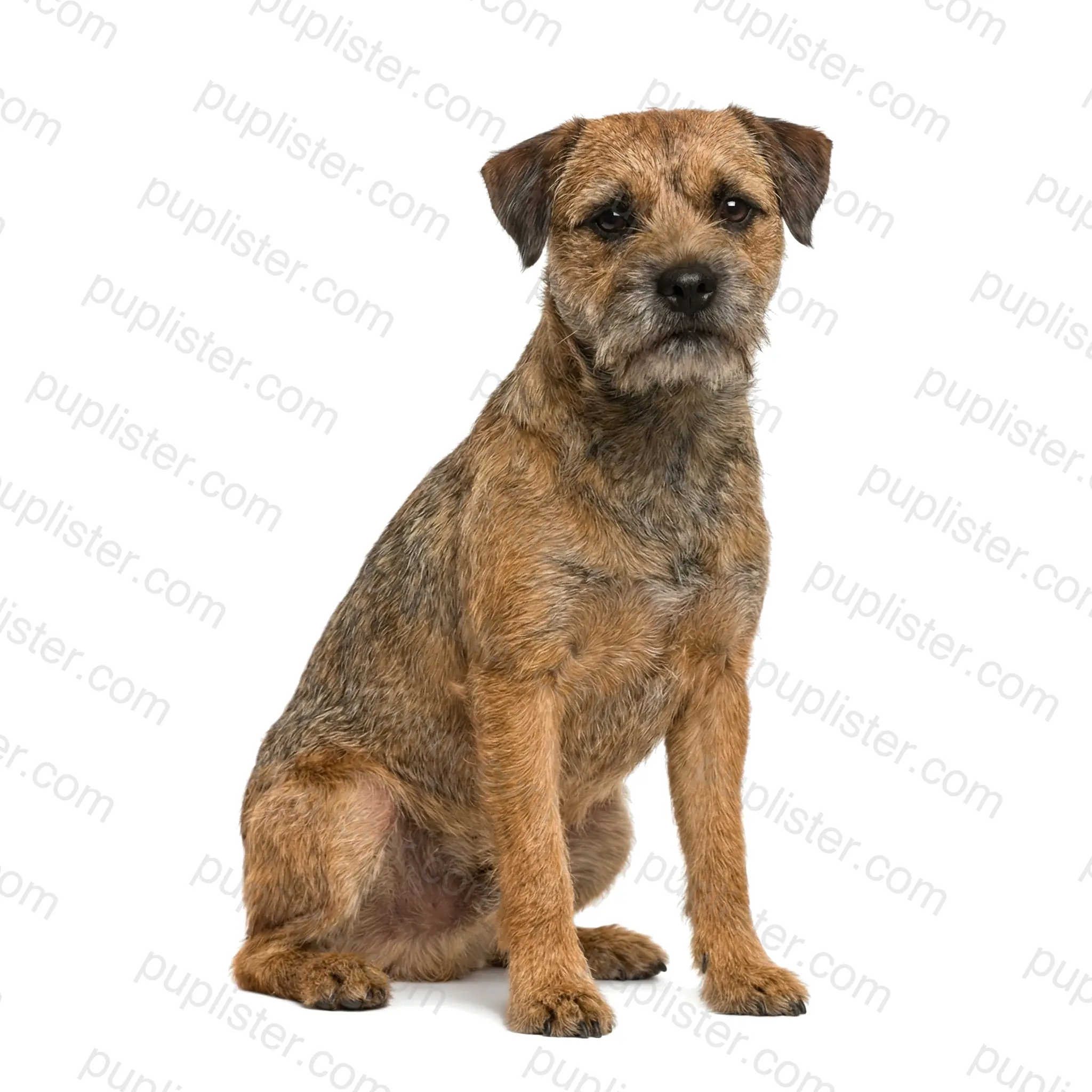
The Border Terrier hails from the border country between England and Scotland, where it was bred to bolt foxes from their dens while keeping pace with mounted hunters and their hounds. One of the smaller terrier breeds, it stands 12–15 inches tall and weighs 11.5–15.5 pounds, with a compact, narrow body designed to squeeze into fox burrows. Their distinctive otter-shaped head and wiry, weather-resistant double coat — which comes in red, grizzle-and-tan, blue-and-tan, or wheaten — give them a charmingly scruffy appearance.
Temperament & Personality
Border Terriers are affectionate, plucky, and adaptable — they have all the tenacity of a terrier but with a softer, more biddable temperament that makes them excellent family companions. They are good with children and generally get along better with other dogs than many terrier breeds. However, their strong prey drive means they cannot be trusted around small animals like hamsters, rabbits, or guinea pigs.
Pros
- Adaptable to both country and city living — they adjust well to apartments with adequate exercise
- More trainable and less confrontational than many terrier breeds
- Low-shedding wiry coat that requires only periodic hand-stripping
- Robust and healthy with a long lifespan of 12–15 years
Cons
- Strong prey drive — they will chase squirrels, cats, and small animals relentlessly
- Can be expert diggers and escape artists if left in a yard unsupervised
- Hand-stripping the coat is time-consuming, and clipping changes the coat texture permanently
- Prone to canine epileptoid cramping syndrome (Spike's disease) and heart defects
These scrappy, lovable terriers make wonderful companions — discover adoptable Border Terriers on Puplister.