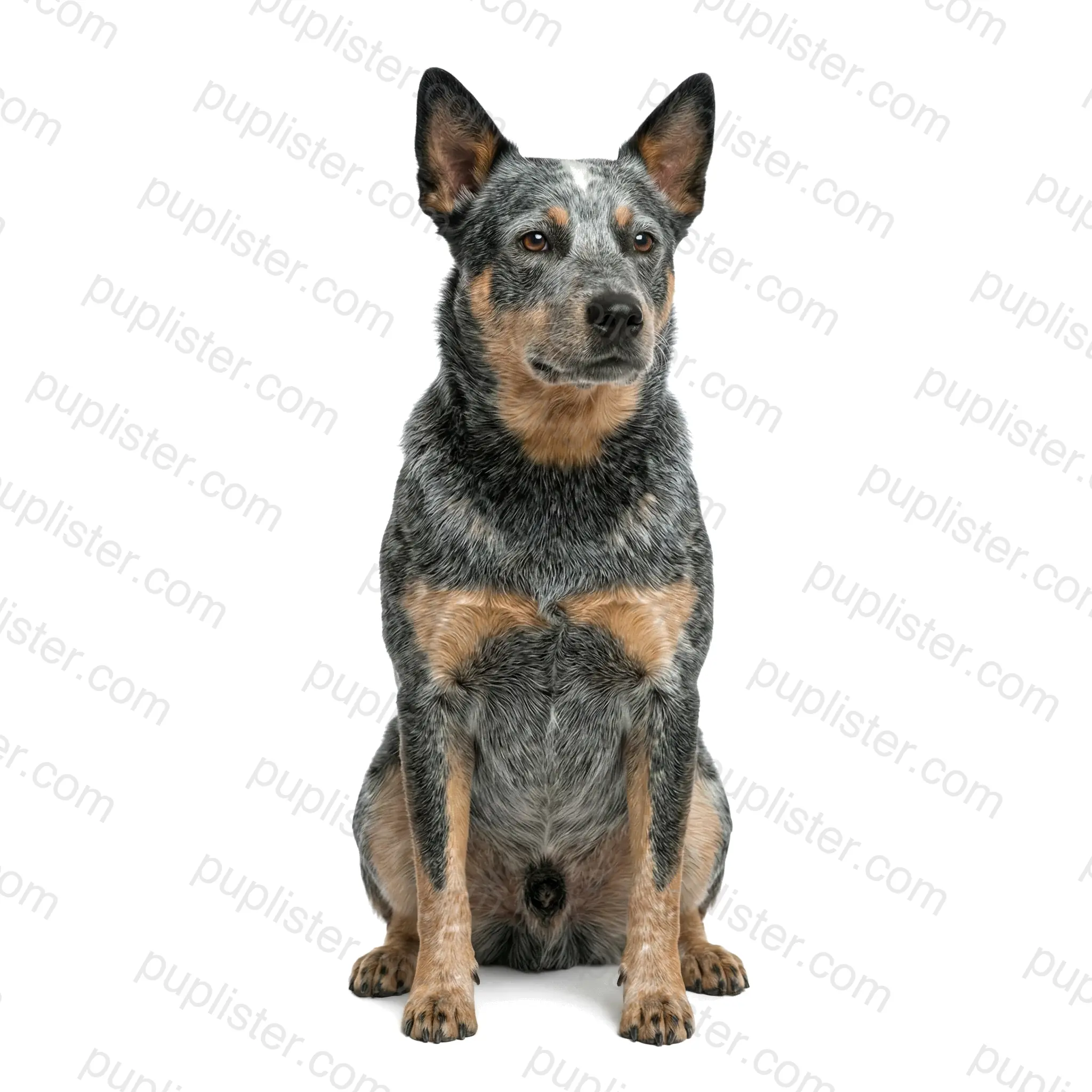
About the Pembroke Welsh Corgi
The Pembroke Welsh Corgi originated in Pembrokeshire, Wales, around the 10th century — brought by Flemish weavers and refined into an agile cattle-herding dog. These low-set, athletic dogs stand 10 to 12 inches tall and weigh 25 to 30 pounds, with surprisingly powerful legs and a deep chest for their compact frame. Their medium-length, weather-resistant double coat comes in red, sable, fawn, or black and tan, often with characteristic white markings.
Temperament & Personality
Pembroke Welsh Corgis are bold, outgoing, and surprisingly athletic — combining the work ethic of a herding dog with the affectionate nature of a devoted companion. They are intelligent and eager to please, making them highly trainable, and they typically adore children and other pets in the household. Their herding instinct may lead them to nip at heels during play, a behavior that should be redirected early through training.
Pros
- Highly intelligent and eager to learn — excels in obedience and herding trials
- Manageable size with the personality and athleticism of a much larger dog
- Adaptable to apartments, houses, and farms alike
- Affectionate and entertaining — known for their expressive faces and playful antics
Cons
- Heavy shedding year-round with massive blowouts twice yearly
- Prone to obesity, which severely exacerbates spinal issues in their long backs
- Susceptible to intervertebral disc disease, hip dysplasia, and degenerative myelopathy
- Herding instinct can lead to nipping at children's ankles and chasing moving objects
Corgis have captured hearts worldwide — and yours might be waiting on Puplister right now.