About the Basset Hound
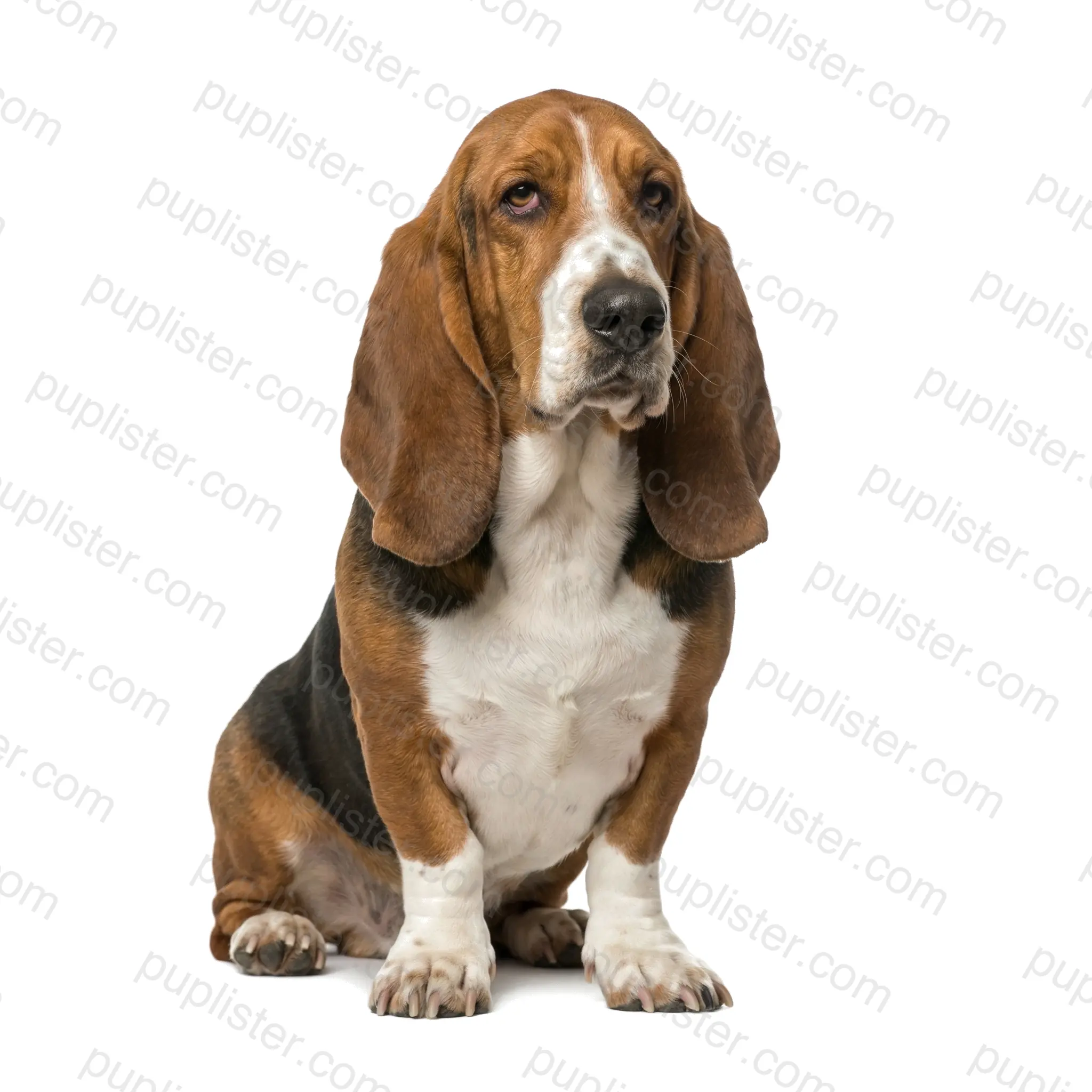
The Basset Hound was developed in France — the name comes from the French word "bas" meaning low — as a scent hound bred to track rabbits and hare through dense underbrush. Standing just 11–15 inches tall but weighing a substantial 40–65 pounds, the Basset is a heavy-boned, low-slung dog with the second-best nose in the canine world, surpassed only by the Bloodhound. Their short, smooth coat comes in classic tri-color, red-and-white, and lemon-and-white patterns, and while easy to brush, they are moderate shedders.
Temperament & Personality
Basset Hounds are famously easygoing, patient, and gentle — their laid-back demeanor makes them wonderful family dogs who get along with virtually everyone, including children and other pets. They are pack animals at heart and dislike being left alone for long periods, often expressing their displeasure with mournful howling. Despite their placid appearance, Bassets can be surprisingly stubborn, especially when they've caught an interesting scent.
Pros
- Gentle, patient temperament — excellent with children and other animals
- Low exercise requirements compared to most hound breeds
- Friendly and sociable with strangers, other dogs, and even cats
- Charming, expressive face and endearing personality that wins hearts easily
Cons
- Prone to obesity without careful diet management due to their low activity level
- Loud, deep bay and howl that can disturb neighbors
- Ears require frequent cleaning to prevent chronic ear infections
- Susceptible to intervertebral disc disease, bloat, and glaucoma
A Basset Hound's soulful eyes and gentle heart might be exactly what your family needs — find adoptable Basset Hounds on Puplister.