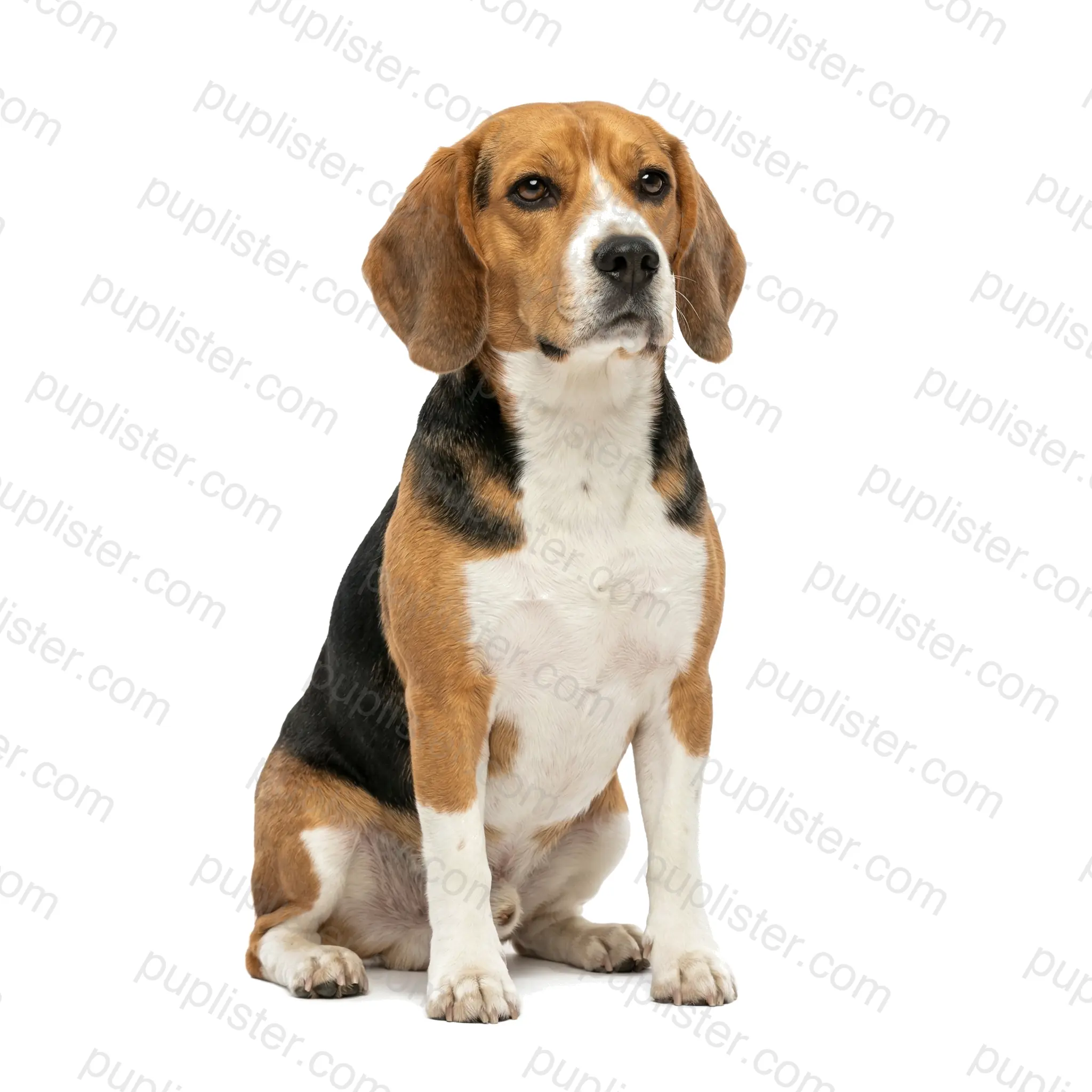
About the Beagle
The Beagle is a small scent hound with roots tracing back to Roman times, though the modern breed was refined in England during the 1830s for rabbit hunting. Standing 13–15 inches tall and weighing 20–30 pounds, Beagles are compact, sturdy dogs built for endurance on the trail. Their short, dense, weather-resistant coat comes in a variety of hound colors — most commonly tri-color, red-and-white, and lemon — and sheds moderately throughout the year.
Temperament & Personality
Beagles are merry, curious, and sociable dogs — they were bred to work in packs, and that pack mentality translates to a strong desire for companionship. They are excellent with children and other dogs, making them one of the most family-friendly breeds available. However, their powerful nose can lead them astray, and once a Beagle has locked onto a scent, recalling them can be nearly impossible.
Pros
- Wonderful family dog — gentle, tolerant, and playful with children of all ages
- Compact size is well-suited for apartments and smaller homes
- Gets along exceptionally well with other dogs due to pack-oriented nature
- Hardy, healthy breed with a typical lifespan of 10–15 years
Cons
- Vocal breed — their distinctive bay and howl can be excessive and loud
- Strong scent drive makes off-leash reliability extremely difficult to achieve
- Prone to obesity and will eat anything they can access
- Can develop separation anxiety and become destructive when left alone
Beagles bring joy to every household they join — search for adoptable Beagles on Puplister and find your new best friend.