Cavalier King Charles Spaniel vs Labradoodle

Which dog breed is right for you?

Cavalier King Charles Spaniel

Size
13–18 lbs, 12–13 in
Lifespan
12–15 years
Exercise
Moderate
Grooming
Moderate
Good with Kids
Yes
Good with Pets
Yes
Affectionate Gentle Graceful Adaptable

Labradoodle

Size
15–65 lbs, 14–24 in
Lifespan
12–14 years
Exercise
High
Grooming
Moderate
Good with Kids
Yes
Good with Pets
Yes
Friendly Intelligent Sociable Gentle

About the Cavalier King Charles Spaniel

The Cavalier King Charles Spaniel traces its heritage to the toy spaniels beloved by English royalty — King Charles II was so devoted to the breed that it bears his name. Standing 12–13 inches tall and weighing 13–18 pounds, the Cavalier is a graceful, well-balanced toy spaniel with large, round, dark eyes and a gentle, melting expression. Their silky, medium-length coat comes in four distinct color patterns — Blenheim (chestnut and white), tricolor, black-and-tan, and ruby — and features elegant feathering on the ears, chest, legs, and tail.

Temperament & Personality

Cavaliers are gentle, affectionate, and remarkably adaptable — they are equally happy curled up on a lap or joining their owner for a brisk walk in the park. They are one of the most universally friendly breeds, greeting strangers, children, other dogs, and even cats with a wagging tail and a joyful expression. Their sweet, eager-to-please nature makes them excellent therapy dogs and wonderful companions for seniors, families, and first-time dog owners alike.

Pros

  • Exceptionally gentle and affectionate — one of the best lap dogs and therapy dogs available
  • Highly adaptable to various lifestyles — equally content in apartments or country homes
  • Friendly with everyone — strangers, children, other dogs, and cats
  • Easy to train with positive reinforcement due to their eager-to-please temperament

Cons

  • Extremely prone to mitral valve disease — nearly all Cavaliers develop heart murmurs by age 10
  • Susceptible to syringomyelia, a painful neurological condition caused by skull malformation
  • Cannot be trusted off-leash due to spaniel hunting instincts and lack of street awareness
  • Prone to separation anxiety — they do not cope well being left alone for extended periods

Few breeds match the Cavalier's gentle, loving spirit — find adoptable Cavalier King Charles Spaniels on Puplister and experience their magic firsthand.

About the Labradoodle

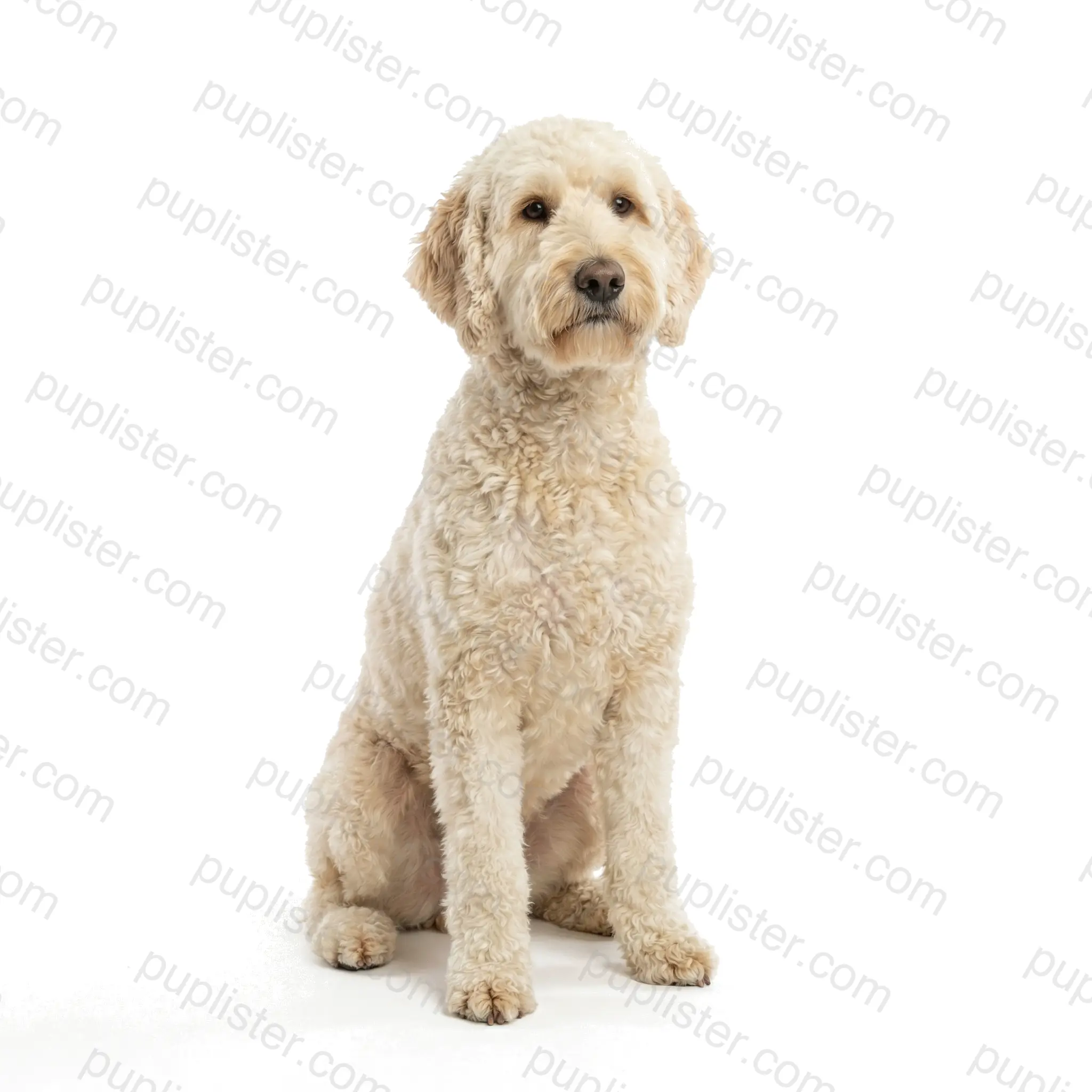
The Labradoodle was first intentionally bred in 1989 by Wally Conron of the Royal Guide Dogs Association of Australia, who crossed a Standard Poodle with a Labrador Retriever to create a guide dog suitable for a visually impaired woman whose husband had dog allergies. They vary widely in size — Miniature (15–25 pounds), Medium (30–45 pounds), and Standard (50–65 pounds) — and their coats range from flat and hair-like to loose waves to tight curls, in colors including cream, gold, chocolate, black, red, and parti-color. As a crossbreed, their appearance and temperament are less predictable than purebred dogs.

Temperament & Personality

Labradoodles typically combine the Labrador's friendly eagerness with the Poodle's intelligence and playfulness — resulting in an enthusiastic, sociable, and highly trainable companion. They are generally excellent with children and other pets, inheriting the Labrador's patience and the Poodle's gentleness in equal measure. Their energetic, joyful nature and intuitive emotional awareness have made them popular therapy and assistance dogs worldwide.

Pros

  • Many individuals have low-shedding coats — particularly those with curlier, Poodle-influenced hair
  • Intelligent and highly trainable — inherits strong work ethic from both parent breeds
  • Friendly, social temperament makes them excellent family and therapy dogs
  • Available in multiple sizes to suit different living environments and lifestyle needs

Cons

  • Coat type is unpredictable — no guarantee of hypoallergenic qualities, especially in first-generation crosses
  • Requires regular professional grooming every 6–8 weeks regardless of coat type
  • No breed standard — significant variation in size, temperament, and appearance within litters
  • Can inherit health problems from both parent breeds — hip dysplasia, eye disease, and Addison's disease

A lovable Labradoodle could be your perfect family addition — find available dogs on Puplister today.

Available for Adoption

4

Cavalier King Charles Spaniels

Browse

2

Labradoodles

Browse

Related Articles

All Articles →

Frequently Asked Questions

What is the difference between a Cavalier King Charles Spaniel and a Labradoodle?
The Cavalier King Charles Spaniel is 13–18 lbs, 12–13 in sized while the Labradoodle is 15–65 lbs, 14–24 in sized. They differ in size (13–18 lbs, 12–13 in vs 15–65 lbs, 14–24 in), lifespan (12–15 years vs 12–14 years), and care requirements.
Which breed is better with kids, Cavalier King Charles Spaniel or Labradoodle?
Cavalier King Charles Spaniel is generally good with kids. Labradoodle is generally good with kids.
Which breed lives longer, Cavalier King Charles Spaniel or Labradoodle?
The Cavalier King Charles Spaniel has a lifespan of 12–15 years while the Labradoodle has a lifespan of 12–14 years.

Find Your Perfect Pet

Browse thousands of adoptable pets from shelters near you.

Browse Dogs