German Shepherd Dog vs Labrador Retriever

Which dog breed is right for you?

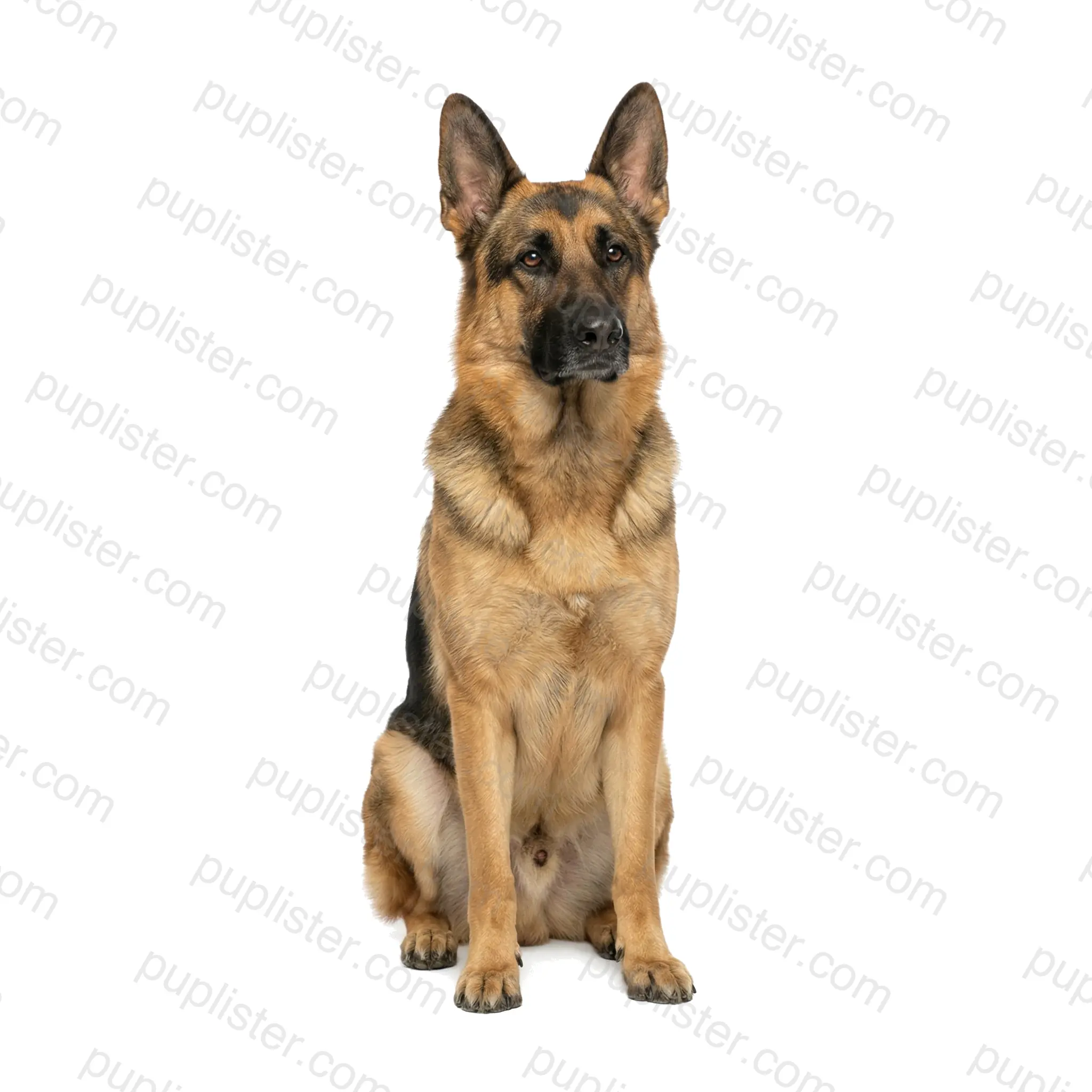
German Shepherd Dog

Size
50–90 lbs, 22–26 in
Lifespan
9–13 years
Exercise
High
Grooming
Moderate
Good with Kids
Yes
Good with Pets
Yes
Intelligent Loyal Courageous Confident

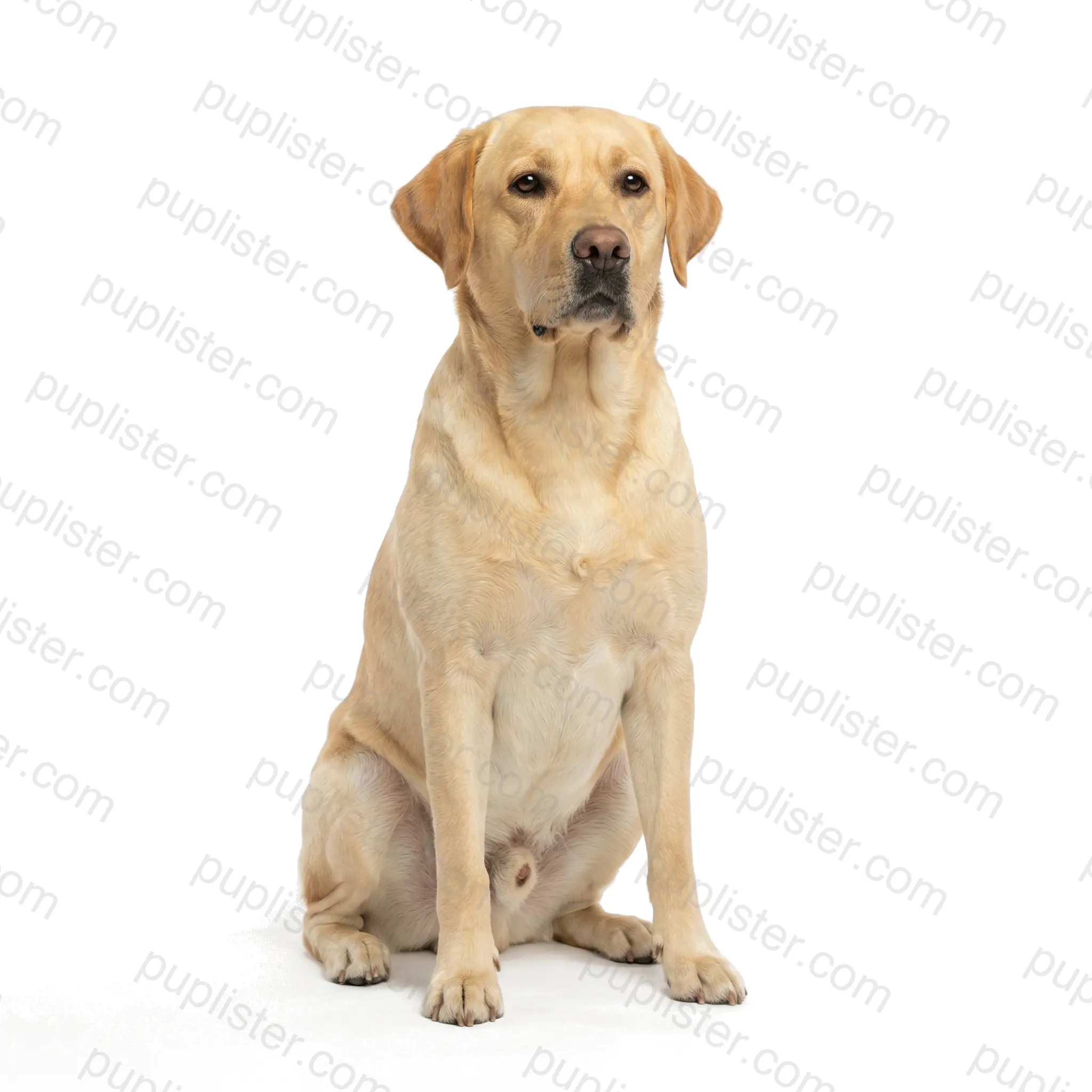
Labrador Retriever

Size
55–80 lbs, 21–25 in
Lifespan
10–12 years
Exercise
High
Grooming
Moderate
Good with Kids
Yes
Good with Pets
Yes
Friendly Outgoing Active Gentle

About the German Shepherd Dog

The German Shepherd Dog — created by Captain Max von Stephanitz in 1899 — was meticulously developed to be the ultimate herding and working dog, combining intelligence, strength, and versatility in one powerful package. Standing 22–26 inches tall and weighing 50–90 pounds, this noble breed has a dense double coat most commonly seen in black and tan, though sable, all-black, and bi-color variations also occur. German Shepherds are the world's leading police, military, and service dog breed — a testament to their extraordinary trainability and work ethic.

Temperament & Personality

German Shepherds are confident, courageous, and deeply loyal — forming an unbreakable bond with their handler or family. They are naturally protective and will position themselves between their family and any perceived threat without hesitation. With proper socialization, they are excellent with children in their household — patient and watchful — though their herding instinct may lead them to nip at the heels of running kids.

Pros

  • Among the top 3 most intelligent breeds — capable of learning complex tasks and commands
  • Versatile working ability — excels in protection, search and rescue, detection, and service roles
  • Loyal and naturally protective — an outstanding family guardian without excessive aggression
  • Athletic and eager to participate in virtually any outdoor activity with their owner

Cons

  • High incidence of hip and elbow dysplasia — especially in poorly bred lines
  • Sheds profusely year-round with intense seasonal "coat blows" twice yearly
  • Prone to degenerative myelopathy — a progressive spinal cord disease with no cure
  • Requires significant daily exercise and mental stimulation — at least 90 minutes — or develops neurotic behaviors

Find a loyal and capable German Shepherd Dog ready to join your family — start your search on Puplister.

About the Labrador Retriever

The Labrador Retriever has been America's most popular dog breed for over three decades — and for good reason. Originally bred in Newfoundland, Canada, during the early 19th century to help fishermen haul nets and retrieve catch from the icy North Atlantic, the breed was refined in England into the versatile sporting dog we know today. Labs stand 21.5–24.5 inches tall and weigh 55–80 pounds, with a short, dense, water-resistant double coat in three recognized colors: black, yellow (ranging from fox-red to pale cream), and chocolate.

Temperament & Personality

Labrador Retrievers are friendly, outgoing, and high-spirited — they greet nearly every person, dog, and situation with unbridled enthusiasm and a wagging tail. They are exceptionally patient and gentle with children, making them one of the most trusted family dogs in the world. Labs are also remarkably intelligent and eager to please, which is why they dominate as guide dogs, search-and-rescue dogs, therapy dogs, and detection dogs across dozens of working disciplines.

Pros

  • Outstanding family dog — patient, gentle, and naturally good with children of all ages
  • Highly trainable and eager to please — consistently ranks among the most obedient breeds
  • Versatile and adaptable — equally at home on the couch, in the field, or in the water
  • Friendly and social temperament — gets along well with other dogs, cats, and strangers

Cons

  • Heavy shedding year-round with major seasonal blowouts — not suited for allergy sufferers
  • Prone to obesity — Labs are notoriously food-motivated and will eat anything not locked away
  • High energy in the first 2–3 years — requires substantial daily exercise to prevent destructive behavior
  • Susceptible to hip and elbow dysplasia, exercise-induced collapse, and progressive retinal atrophy

There's a reason the Lab is the world's favorite dog — discover adoptable Labrador Retrievers on Puplister today.
Available for Adoption

247

German Shepherd Dogs

Browse

295

Labrador Retrievers

Browse

Related Articles

All Articles →

Frequently Asked Questions

What is the difference between a German Shepherd Dog and a Labrador Retriever?
The German Shepherd Dog is 50–90 lbs, 22–26 in sized while the Labrador Retriever is 55–80 lbs, 21–25 in sized. They differ in size (50–90 lbs, 22–26 in vs 55–80 lbs, 21–25 in), lifespan (9–13 years vs 10–12 years), and care requirements.
Which breed is better with kids, German Shepherd Dog or Labrador Retriever?
German Shepherd Dog is generally good with kids. Labrador Retriever is generally good with kids.
Which breed lives longer, German Shepherd Dog or Labrador Retriever?
The German Shepherd Dog has a lifespan of 9–13 years while the Labrador Retriever has a lifespan of 10–12 years.

Find Your Perfect Pet

Browse thousands of adoptable pets from shelters near you.

Browse Dogs