About the Pointer
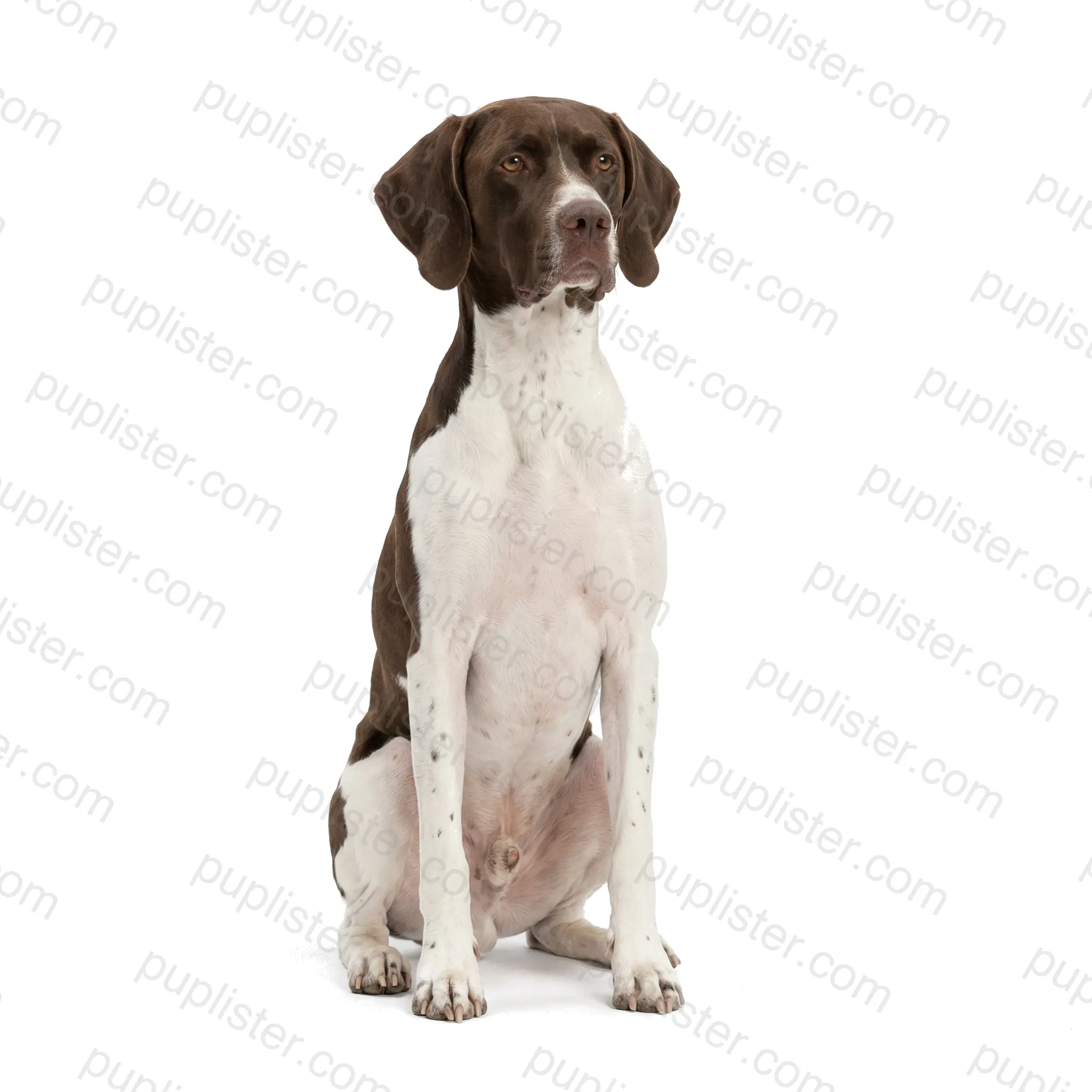
The Pointer — also called the English Pointer — was developed in England in the 17th century, likely from crosses of Spanish Pointers, Foxhounds, Greyhounds, and Bloodhounds. These elegant, athletic dogs stand 23 to 28 inches tall and weigh 45 to 75 pounds, built with a lean, muscular frame designed for speed and endurance in the field. Their short, smooth coat comes in liver, lemon, black, or orange — either solid or combined with white in striking patterns.
Temperament & Personality
Pointers are energetic, even-tempered, and intensely driven in the field, yet remarkably calm and affectionate at home once adequately exercised. They are friendly with everyone — children, strangers, and other dogs — making them poor guard dogs but excellent family companions. Their strong pointing instinct often appears naturally in puppyhood, and they thrive when given a purposeful outlet for their energy and intelligence.
Pros
- Outstanding stamina and speed for active owners who run, bike, or hunt
- Exceptionally friendly and gentle with children and other pets
- Short coat requires minimal grooming — just occasional brushing
- Highly trainable for field work, agility, and competitive obedience
Cons
- Extremely high energy — requires 1 to 2 hours of vigorous exercise daily
- Can become destructive and anxious without sufficient physical outlets
- Strong prey drive makes them unreliable around small animals
- Prone to hip dysplasia, hypothyroidism, and certain eye conditions
An active lifestyle deserves an equally active companion — find your Pointer on Puplister today.