German Shorthaired Pointer vs Pug

Which dog breed is right for you?

German Shorthaired Pointer

Size
45–70 lbs, 21–25 in
Lifespan
10–12 years
Exercise
Very High
Grooming
Low
Good with Kids
Yes
Good with Pets
Yes
Versatile Enthusiastic Intelligent Athletic

Pug

Size
14–18 lbs, 10–13 in
Lifespan
13–15 years
Exercise
Low
Grooming
Low
Good with Kids
Yes
Good with Pets
Yes
Charming Mischievous Loving Sociable

About the German Shorthaired Pointer

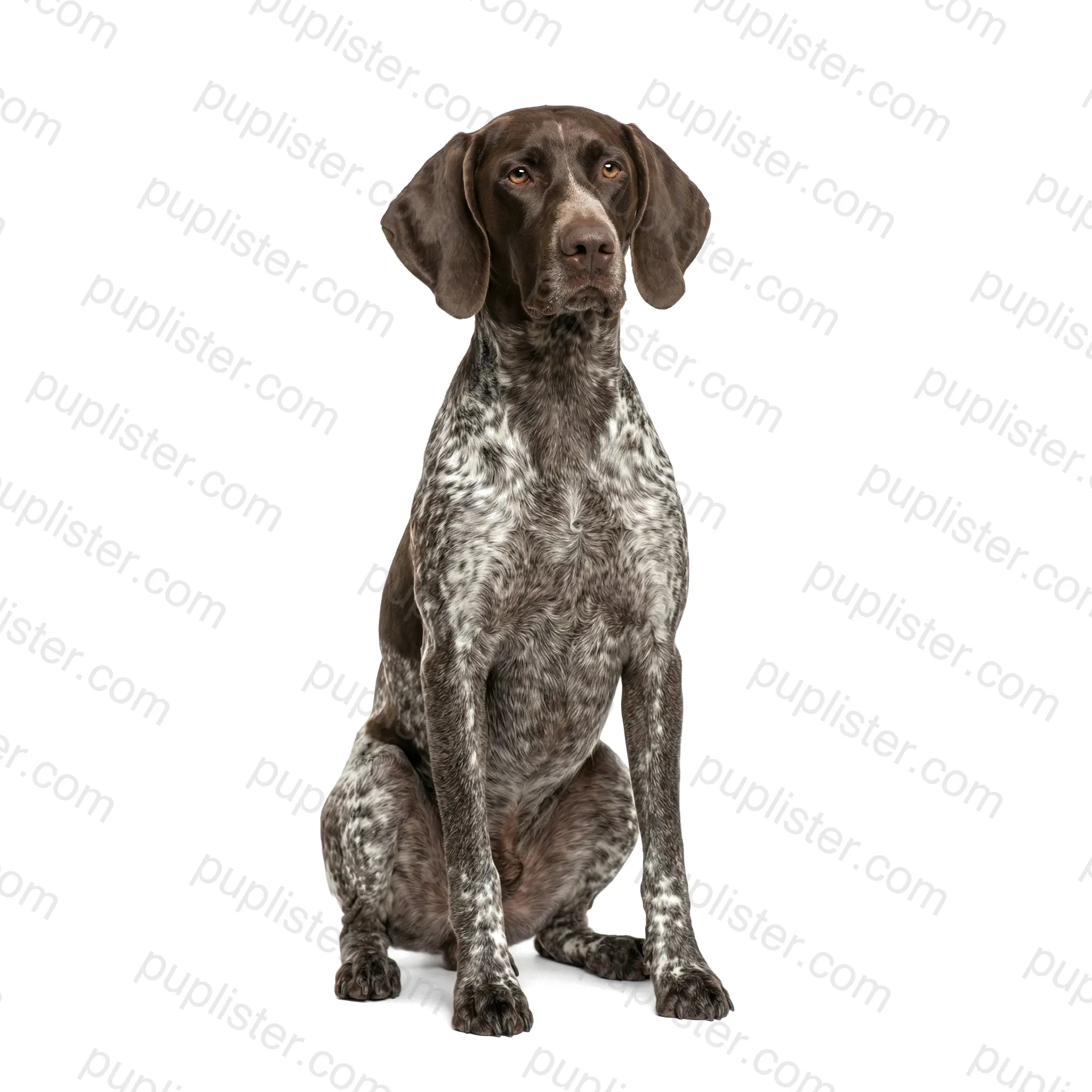
The German Shorthaired Pointer — or GSP — was developed in 19th-century Germany as the ultimate versatile hunting dog, capable of pointing, retrieving, and tracking game on land and in water. Standing 21–25 inches tall and weighing 45–70 pounds, this athletic breed has a short, dense, water-repellent coat in distinctive liver and white patterns — solid liver, liver and white ticked, liver and white patched, or liver roan. Their streamlined, muscular build and noble head profile reflect generations of careful breeding for both form and function.

Temperament & Personality

German Shorthaired Pointers are enthusiastic, affectionate, and virtually tireless — they approach every activity with full commitment and boundless energy. They are wonderful family dogs that thrive on inclusion in all household activities and are genuinely good-natured with children and other dogs. However, their intensity and need for purpose mean they are not suited to sedentary households — a bored GSP can become remarkably destructive.

Pros

  • One of the most versatile sporting dogs — hunts, swims, runs, and retrieves with equal proficiency
  • Easy-care coat that sheds moderately and requires only weekly brushing
  • Friendly and affectionate with family — forms strong bonds with every household member
  • Excellent health and longevity for a large breed — typically 12–14 years

Cons

  • Extremely high energy — needs 1–2 hours of vigorous exercise daily at minimum
  • Strong prey drive makes them unreliable off-leash and dangerous around cats and small pets
  • Can be jumpy and mouthy during adolescence — takes 2–3 years to fully mature
  • Prone to separation anxiety and will howl, dig, and chew if left alone too long

Active families and outdoor enthusiasts — your ideal companion awaits among GSPs on Puplister.

About the Pug

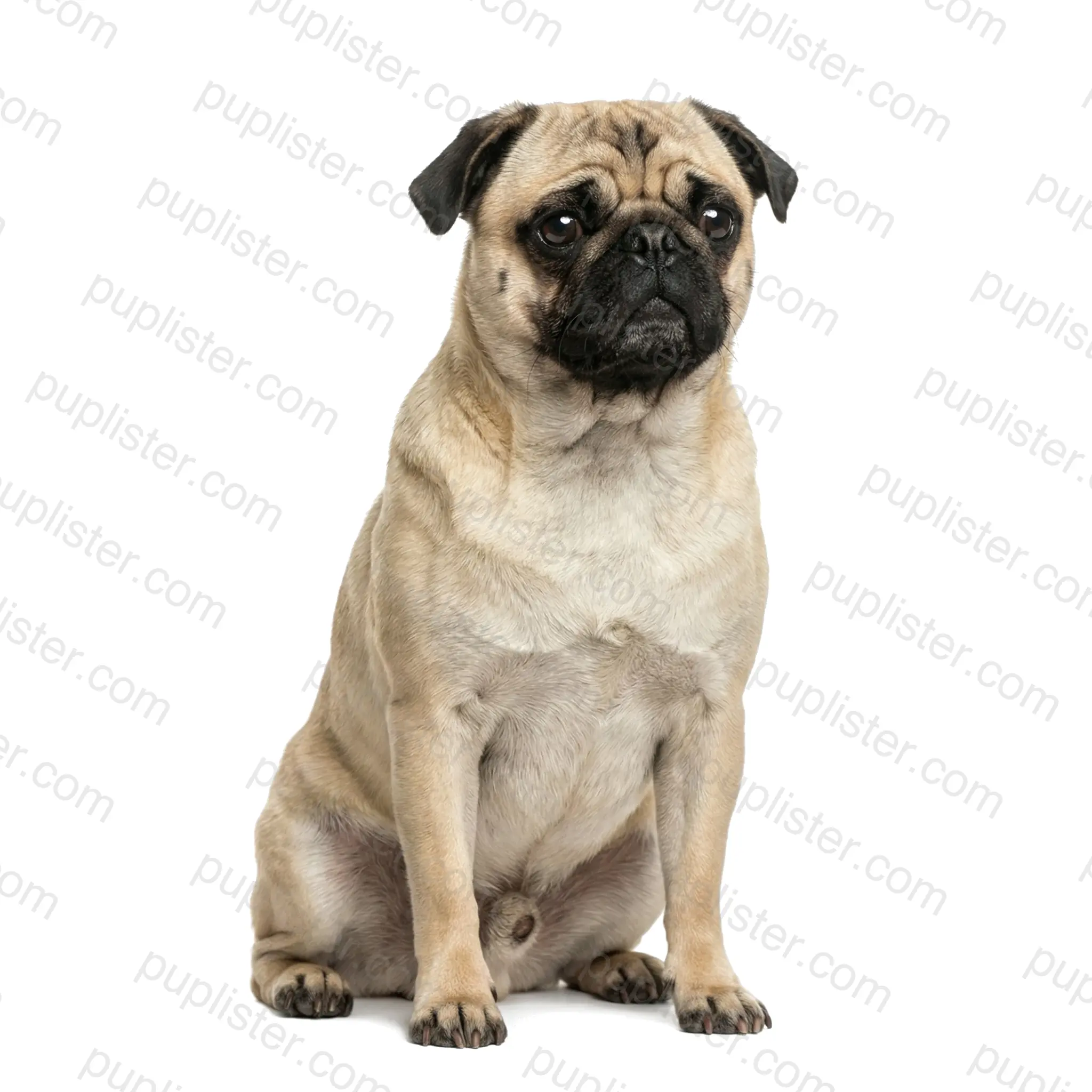
The Pug is one of the oldest toy breeds, originating in China around 400 BC as prized companions of Buddhist monks and later Chinese emperors. These compact, square-proportioned dogs weigh 14 to 18 pounds and stand 10 to 13 inches tall, with a distinctively wrinkled face, large round eyes, and a tightly curled tail. Their smooth, short double coat comes in fawn (with a black mask) or solid black — and despite its short length, it sheds prolifically.

Temperament & Personality

Pugs live to love and be loved — they are charming, mischievous, and remarkably attuned to their owners' emotions, making them outstanding companion dogs. They get along wonderfully with children, other dogs, and even cats, possessing a sociable nature that makes them the life of any gathering. Pugs are playful without being hyperactive, and their clownish antics provide endless entertainment for their families.

Pros

  • Exceptionally friendly and sociable with everyone — people, children, and other pets
  • Low exercise requirements — perfectly content with moderate daily walks
  • Compact size and calm demeanor make them ideal apartment companions
  • Sturdy build for a toy breed — less fragile than many other small dogs

Cons

  • Brachycephalic syndrome causes chronic breathing difficulties and severe heat intolerance
  • Prone to obesity, which compounds respiratory and joint problems
  • Eye issues including proptosis, corneal ulcers, and dry eye due to prominent eyes
  • Sheds heavily year-round despite the short coat length

Pugs bring joy wherever they go — find your wrinkly-faced soulmate waiting on Puplister.
Available for Adoption

2

German Shorthaired Pointers

Browse

28

Pugs

Browse

Related Articles

All Articles →

Frequently Asked Questions

What is the difference between a German Shorthaired Pointer and a Pug?
The German Shorthaired Pointer is 45–70 lbs, 21–25 in sized while the Pug is 14–18 lbs, 10–13 in sized. They differ in size (45–70 lbs, 21–25 in vs 14–18 lbs, 10–13 in), lifespan (10–12 years vs 13–15 years), and care requirements.
Which breed is better with kids, German Shorthaired Pointer or Pug?
German Shorthaired Pointer is generally good with kids. Pug is generally good with kids.
Which breed lives longer, German Shorthaired Pointer or Pug?
The German Shorthaired Pointer has a lifespan of 10–12 years while the Pug has a lifespan of 13–15 years.

Find Your Perfect Pet

Browse thousands of adoptable pets from shelters near you.

Browse Dogs