Great Pyrenees vs Labrador Retriever

Which dog breed is right for you?

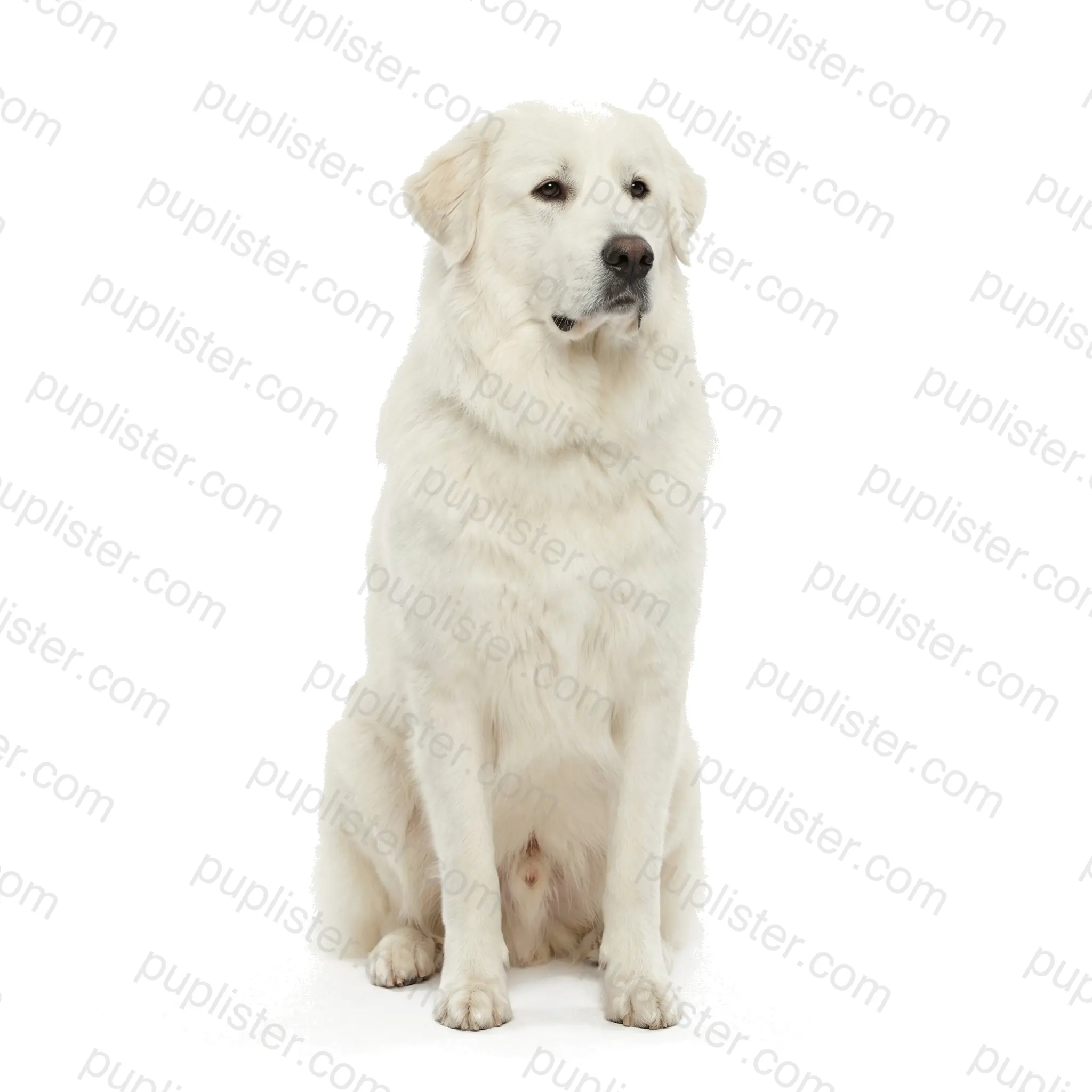
Great Pyrenees

Size
85–160 lbs, 25–32 in
Lifespan
10–12 years
Exercise
Moderate
Grooming
High
Good with Kids
Yes
Good with Pets
Yes
Calm Patient Gentle Protective

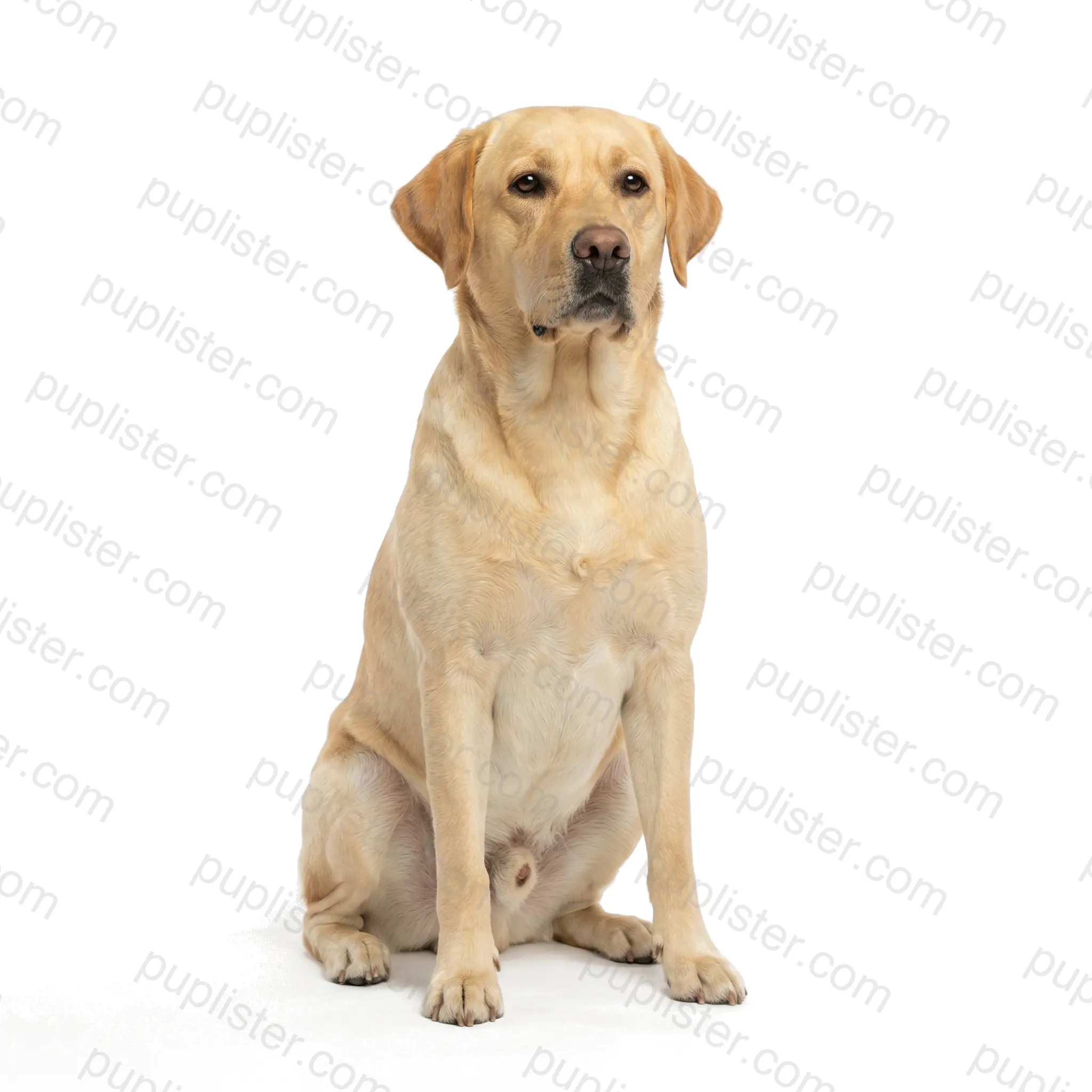
Labrador Retriever

Size
55–80 lbs, 21–25 in
Lifespan
10–12 years
Exercise
High
Grooming
Moderate
Good with Kids
Yes
Good with Pets
Yes
Friendly Outgoing Active Gentle

About the Great Pyrenees

The Great Pyrenees — named for the Pyrenees Mountains between France and Spain where they guarded flocks for centuries — is a majestic, powerful livestock guardian with roots stretching back thousands of years to ancient Asia Minor. Standing 25–32 inches tall and weighing 85–115 pounds, these imposing dogs wear a thick, weather-resistant double coat that is predominantly white, sometimes with markings of badger, gray, reddish-brown, or tan. Their calm, regal bearing and abundant white coat give them an almost bear-like appearance that commands respect.

Temperament & Personality

Great Pyrenees are independent, patient, and serenely confident — bred for millennia to make their own decisions while guarding flocks without human direction. They are gentle and affectionate with their families, particularly protective of children, whom they tend to view as part of their "flock." However, their independent guardian nature means they are not eager-to-please dogs — they will consider your commands and decide whether compliance serves their protective mission.

Pros

  • Exceptional livestock and property guardian — naturally protective without aggression training
  • Gentle and patient with children — instinctively nurturing toward young family members
  • Calm, low-energy indoors — content to rest and observe during the day
  • Thick coat insulates against both extreme cold and moderate heat

Cons

  • Notorious wanderers — will roam far from home if not contained by secure fencing
  • Heavy nocturnal barking — bred to bark at predators through the night, which disturbs neighbors
  • Extremely independent and stubborn — among the most difficult breeds to obedience train
  • Massive shedding — the thick undercoat blows seasonally and produces enormous quantities of loose fur

If you have the space and patience for a noble guardian, find Great Pyrenees on Puplister today.

About the Labrador Retriever

The Labrador Retriever has been America's most popular dog breed for over three decades — and for good reason. Originally bred in Newfoundland, Canada, during the early 19th century to help fishermen haul nets and retrieve catch from the icy North Atlantic, the breed was refined in England into the versatile sporting dog we know today. Labs stand 21.5–24.5 inches tall and weigh 55–80 pounds, with a short, dense, water-resistant double coat in three recognized colors: black, yellow (ranging from fox-red to pale cream), and chocolate.

Temperament & Personality

Labrador Retrievers are friendly, outgoing, and high-spirited — they greet nearly every person, dog, and situation with unbridled enthusiasm and a wagging tail. They are exceptionally patient and gentle with children, making them one of the most trusted family dogs in the world. Labs are also remarkably intelligent and eager to please, which is why they dominate as guide dogs, search-and-rescue dogs, therapy dogs, and detection dogs across dozens of working disciplines.

Pros

  • Outstanding family dog — patient, gentle, and naturally good with children of all ages
  • Highly trainable and eager to please — consistently ranks among the most obedient breeds
  • Versatile and adaptable — equally at home on the couch, in the field, or in the water
  • Friendly and social temperament — gets along well with other dogs, cats, and strangers

Cons

  • Heavy shedding year-round with major seasonal blowouts — not suited for allergy sufferers
  • Prone to obesity — Labs are notoriously food-motivated and will eat anything not locked away
  • High energy in the first 2–3 years — requires substantial daily exercise to prevent destructive behavior
  • Susceptible to hip and elbow dysplasia, exercise-induced collapse, and progressive retinal atrophy

There's a reason the Lab is the world's favorite dog — discover adoptable Labrador Retrievers on Puplister today.
Available for Adoption

23

Great Pyrenees

Browse

300

Labrador Retrievers

Browse

Related Articles

All Articles →

Frequently Asked Questions

What is the difference between a Great Pyrenees and a Labrador Retriever?
The Great Pyrenees is 85–160 lbs, 25–32 in sized while the Labrador Retriever is 55–80 lbs, 21–25 in sized. They differ in size (85–160 lbs, 25–32 in vs 55–80 lbs, 21–25 in), lifespan (10–12 years vs 10–12 years), and care requirements.
Which breed is better with kids, Great Pyrenees or Labrador Retriever?
Great Pyrenees is generally good with kids. Labrador Retriever is generally good with kids.
Which breed lives longer, Great Pyrenees or Labrador Retriever?
The Great Pyrenees has a lifespan of 10–12 years while the Labrador Retriever has a lifespan of 10–12 years.

Find Your Perfect Pet

Browse thousands of adoptable pets from shelters near you.

Browse Dogs