Greyhound vs Siberian Husky

Which dog breed is right for you?

Greyhound

Size
60–70 lbs, 27–30 in
Lifespan
10–14 years
Exercise
Moderate
Grooming
Low
Good with Kids
Yes
Good with Pets
Yes
Gentle Quiet Noble Independent

Siberian Husky

Size
35–60 lbs, 20–24 in
Lifespan
12–14 years
Exercise
Very High
Grooming
High
Good with Kids
Yes
Good with Pets
No
Outgoing Mischievous Loyal Friendly

About the Greyhound

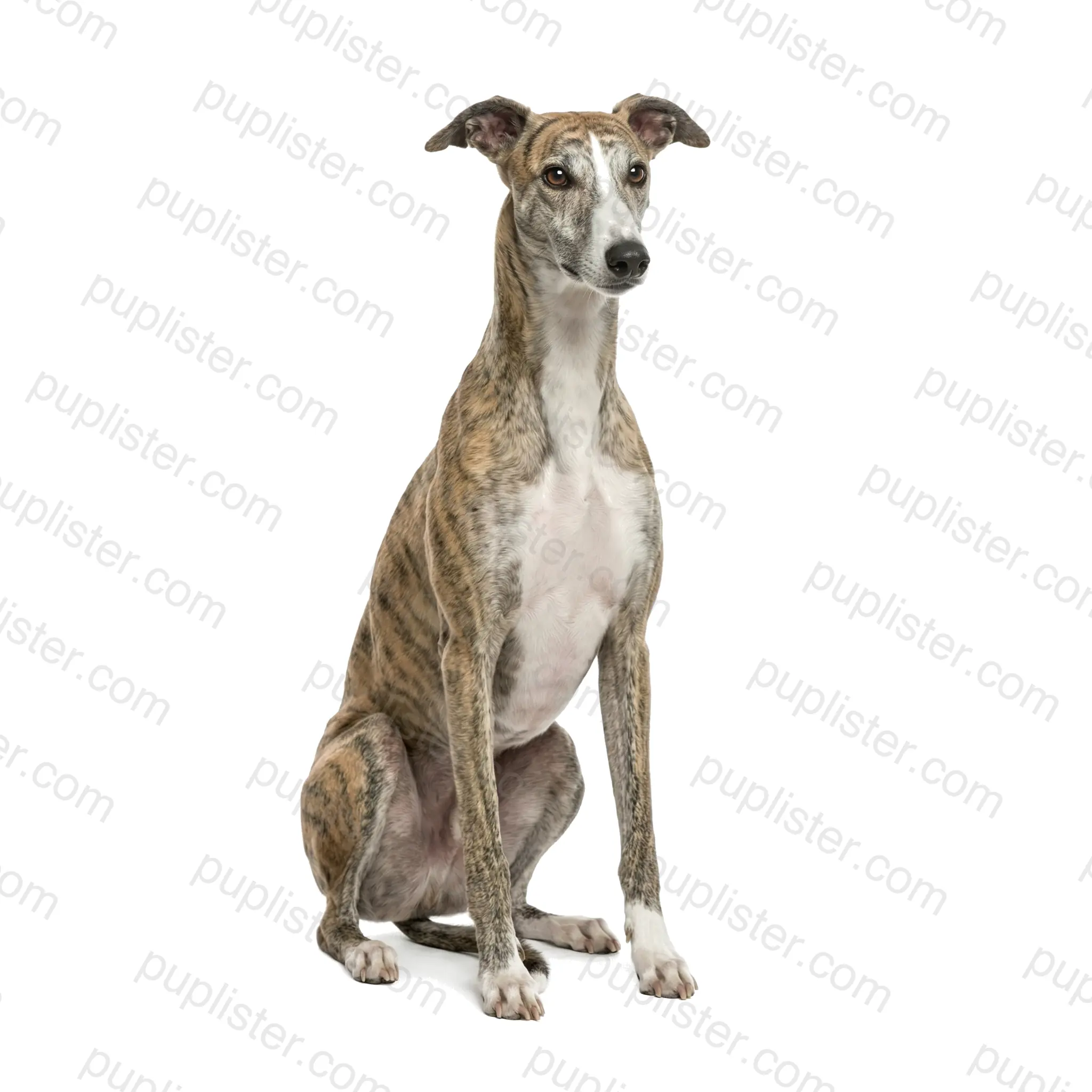
The Greyhound is one of the most ancient breeds — depicted in Egyptian tomb art dating back 5,000 years and prized by nobility throughout history for their unmatched speed and grace. Standing 27–30 inches tall and weighing 60–70 pounds, these aerodynamic athletes can reach speeds of 45 miles per hour, making them the fastest dog breed in the world. Their short, smooth coat comes in virtually every color and pattern, including black, white, fawn, red, blue, brindle, and various combinations.

Temperament & Personality

Greyhounds are gentle, quiet, and surprisingly lazy — the ultimate couch potatoes who happen to be world-class sprinters. They are sweet-natured and sensitive dogs that form deep bonds with their owners and are typically good with older children who respect their space. Many retired racing Greyhounds adapt beautifully to home life, though they may need time to learn household basics like stairs, glass doors, and slippery floors.

Pros

  • Remarkably calm and quiet indoors — content to sleep 18+ hours a day on the couch
  • Low-maintenance coat — virtually no grooming needs and minimal shedding
  • Gentle, non-aggressive temperament — rarely bark and never show hostility toward people
  • Many retired racers are available for adoption — giving these athletes a well-deserved second career

Cons

  • Strong prey drive — cannot be trusted off-leash and may chase small dogs, cats, and wildlife
  • Thin skin and minimal body fat make them susceptible to cuts, cold temperatures, and pressure sores
  • Sensitive to anesthesia and many common medications due to low body fat percentage
  • Prone to osteosarcoma, bloat, and dental disease — especially in retired racing dogs

Give a graceful Greyhound the retirement they deserve — browse adoptable Greyhounds on Puplister.
About the Siberian Husky

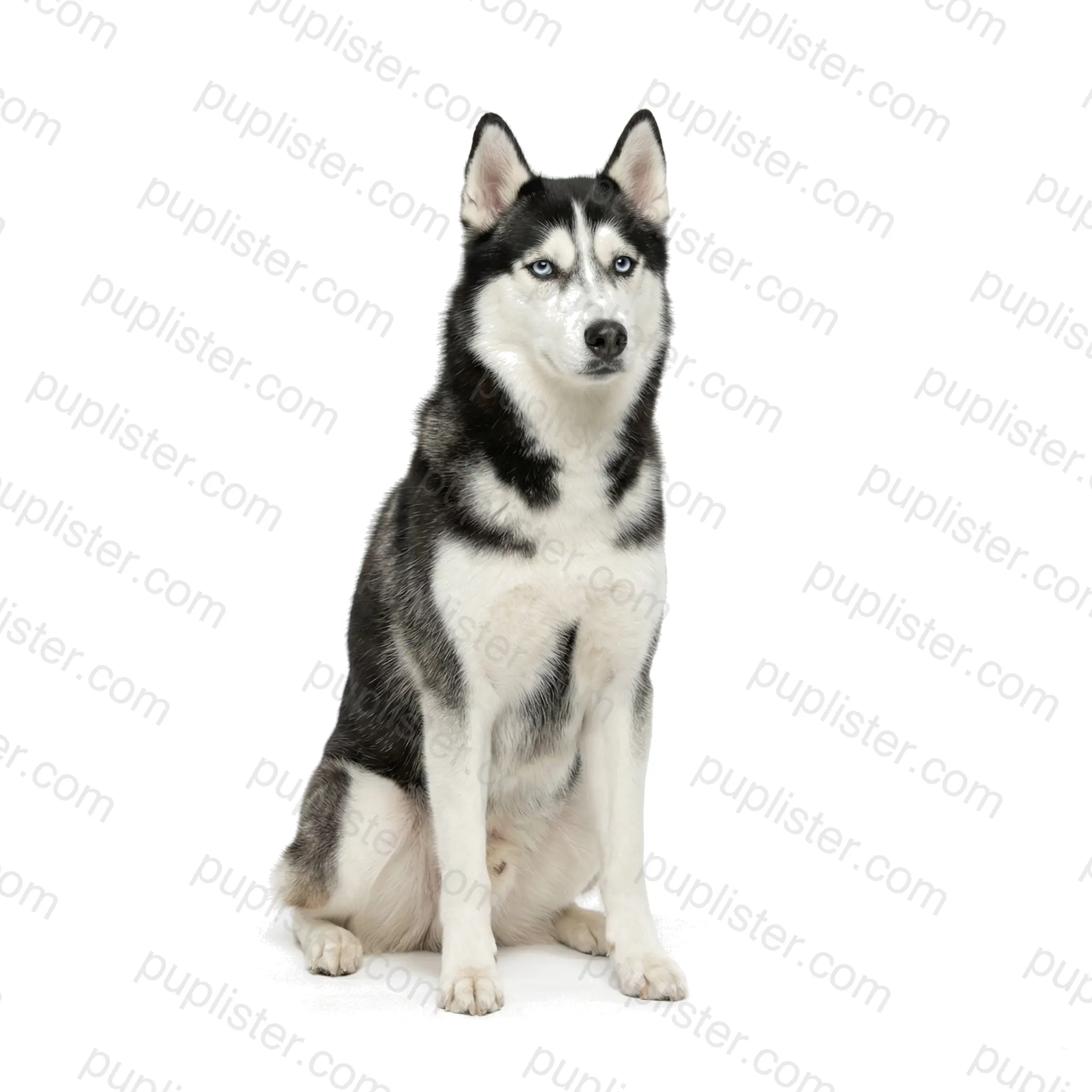
The Siberian Husky was developed over thousands of years by the Chukchi people of northeastern Siberia as an endurance sled dog capable of pulling light loads over vast frozen distances in extreme cold. These athletic, medium-sized dogs stand 20 to 23.5 inches tall and weigh 35 to 60 pounds, with a graceful, effortless gait that reflects their incredible stamina. Their thick double coat comes in virtually every color from pure white to black, often with striking facial markings, and their eyes can be brown, blue, or even one of each (heterochromia).

Temperament & Personality

Siberian Huskies are friendly, outgoing, and mischievous — pack-oriented dogs that love people and make terrible guard dogs because they greet everyone like a long-lost friend. They are playful and gentle with children and generally good with other dogs, though their high prey drive makes them a risk around cats and small animals. Huskies are intelligent but famously independent, preferring to make their own decisions rather than follow commands — a trait that requires patience and humor from their owners.

Pros

  • Friendly, social, and gentle with children and strangers alike
  • Naturally clean with little doggy odor — self-grooming like a cat
  • Outstanding endurance athlete for running, hiking, and winter sports
  • Healthy breed with a lifespan of 12 to 14 years

Cons

  • Extreme shedding — blows the entire undercoat twice yearly in massive quantities
  • Legendary escape artists — can jump fences, dig under them, and open latches
  • Strong prey drive makes them dangerous around cats, rabbits, and small animals
  • Not suited for hot climates and requires air conditioning in warm regions

The Siberian Husky's adventurous spirit and stunning beauty are irresistible — find Huskies seeking forever homes on Puplister.

Available for Adoption

40

Greyhounds

Browse

661

Siberian Huskies

Browse

Related Articles

All Articles →

Frequently Asked Questions

What is the difference between a Greyhound and a Siberian Husky?
The Greyhound is 60–70 lbs, 27–30 in sized while the Siberian Husky is 35–60 lbs, 20–24 in sized. They differ in size (60–70 lbs, 27–30 in vs 35–60 lbs, 20–24 in), lifespan (10–14 years vs 12–14 years), and care requirements.
Which breed is better with kids, Greyhound or Siberian Husky?
Greyhound is generally good with kids. Siberian Husky is generally good with kids.
Which breed lives longer, Greyhound or Siberian Husky?
The Greyhound has a lifespan of 10–14 years while the Siberian Husky has a lifespan of 12–14 years.

Find Your Perfect Pet

Browse thousands of adoptable pets from shelters near you.

Browse Dogs