Greyhound vs Yorkshire Terrier

Which dog breed is right for you?

Greyhound

Size
60–70 lbs, 27–30 in
Lifespan
10–14 years
Exercise
Moderate
Grooming
Low
Good with Kids
Yes
Good with Pets
Yes
Gentle Quiet Noble Independent

Yorkshire Terrier

Size
4–7 lbs, 7–8 in
Lifespan
11–15 years
Exercise
Moderate
Grooming
High
Good with Kids
No
Good with Pets
Yes
Bold Confident Spirited Affectionate

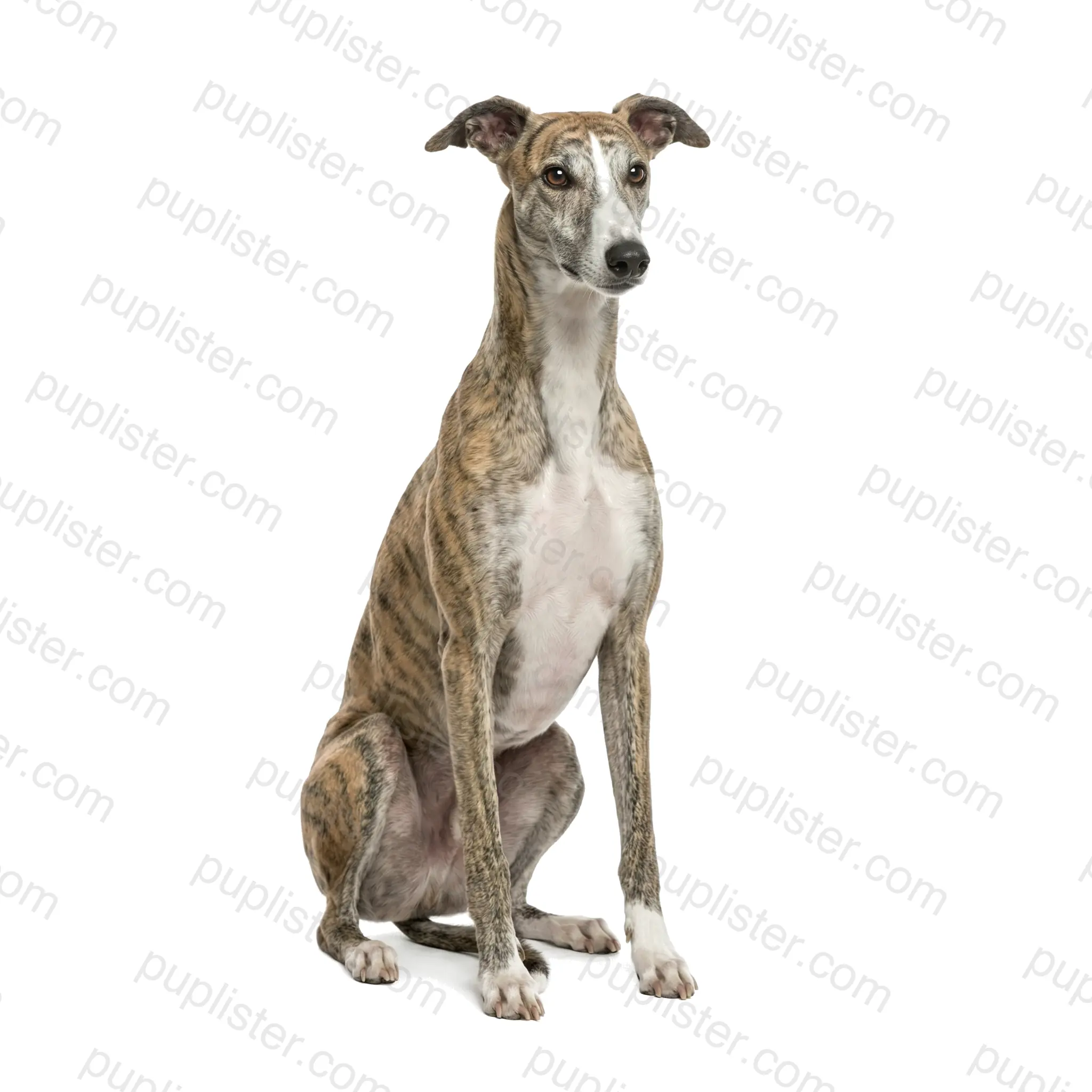
About the Greyhound

The Greyhound is one of the most ancient breeds — depicted in Egyptian tomb art dating back 5,000 years and prized by nobility throughout history for their unmatched speed and grace. Standing 27–30 inches tall and weighing 60–70 pounds, these aerodynamic athletes can reach speeds of 45 miles per hour, making them the fastest dog breed in the world. Their short, smooth coat comes in virtually every color and pattern, including black, white, fawn, red, blue, brindle, and various combinations.

Temperament & Personality

Greyhounds are gentle, quiet, and surprisingly lazy — the ultimate couch potatoes who happen to be world-class sprinters. They are sweet-natured and sensitive dogs that form deep bonds with their owners and are typically good with older children who respect their space. Many retired racing Greyhounds adapt beautifully to home life, though they may need time to learn household basics like stairs, glass doors, and slippery floors.

Pros

  • Remarkably calm and quiet indoors — content to sleep 18+ hours a day on the couch
  • Low-maintenance coat — virtually no grooming needs and minimal shedding
  • Gentle, non-aggressive temperament — rarely bark and never show hostility toward people
  • Many retired racers are available for adoption — giving these athletes a well-deserved second career

Cons

  • Strong prey drive — cannot be trusted off-leash and may chase small dogs, cats, and wildlife
  • Thin skin and minimal body fat make them susceptible to cuts, cold temperatures, and pressure sores
  • Sensitive to anesthesia and many common medications due to low body fat percentage
  • Prone to osteosarcoma, bloat, and dental disease — especially in retired racing dogs

Give a graceful Greyhound the retirement they deserve — browse adoptable Greyhounds on Puplister.
About the Yorkshire Terrier

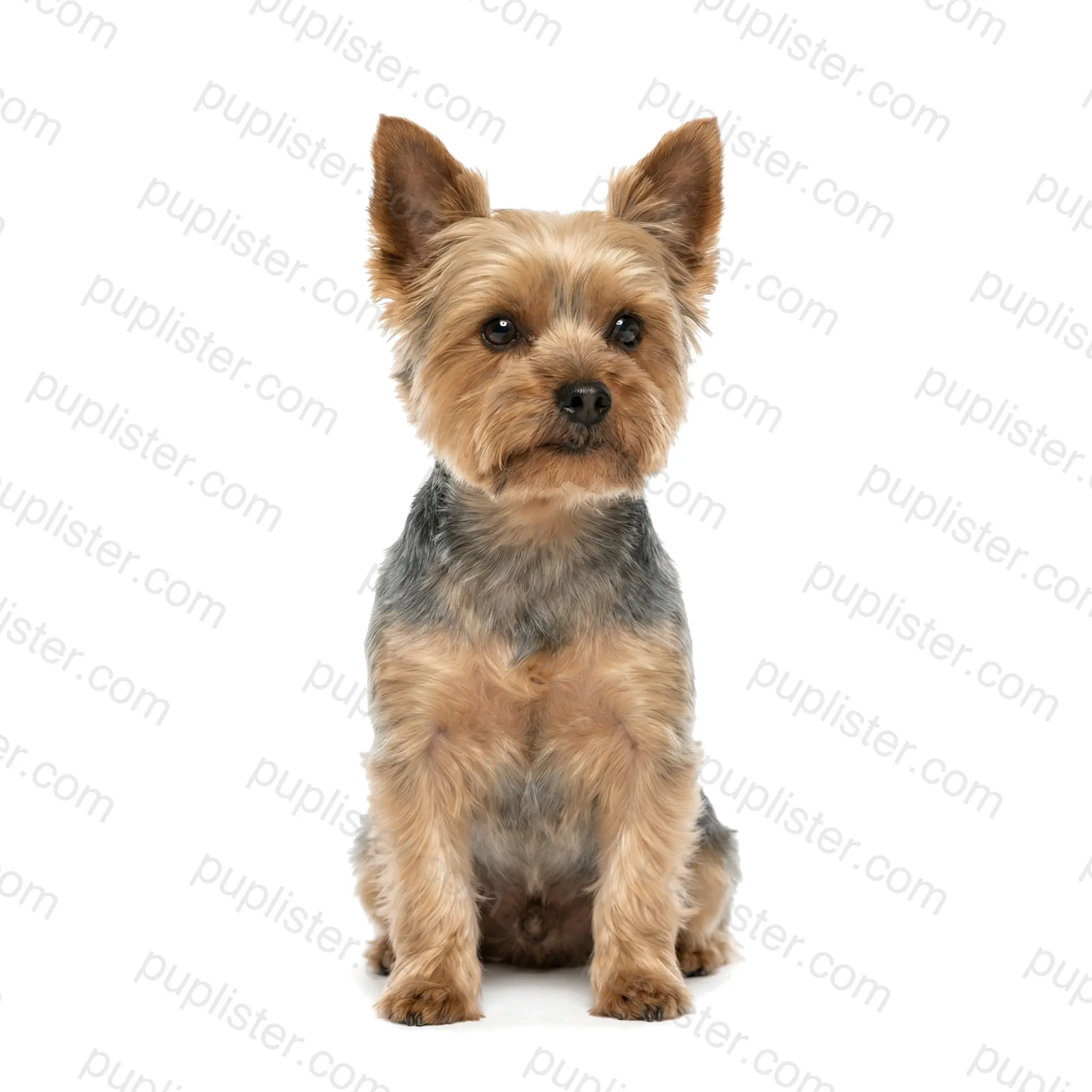
The Yorkshire Terrier was developed in the mid-19th century in the English counties of Yorkshire and Lancashire by working-class weavers who bred small terriers to catch rats in textile mills and coal mines. Despite their current status as a glamorous toy breed, these feisty dogs retain every bit of their terrier courage in a tiny 7-pound, 7-to-8-inch frame. Their signature floor-length, silky coat is steel blue on the body and rich golden tan on the head and legs — a single-layer coat that grows continuously and is remarkably similar to human hair in texture.

Temperament & Personality

Yorkshire Terriers are bold, confident, and fiercely loyal — they carry themselves with a self-importance that far exceeds their diminutive stature, never hesitating to challenge dogs ten times their size. They are deeply attached to their owners and can be wonderful companions for adults and older children, though their small size and feisty temperament make them a poor fit for rough play with toddlers. Yorkies are intelligent, curious, and entertaining, bringing big-dog energy and attitude to the smallest package in the terrier world.

Pros

  • Minimal shedding — silky coat is more similar to hair than fur
  • Tiny size ideal for apartments, travel, and urban living
  • Bold watchdog temperament — always alert to unusual activity
  • Long lifespan of 11 to 15 years with proper care

Cons

  • Fragile — easily injured by falls, being sat on, or rough handling
  • Long coat demands daily brushing or regular professional grooming
  • Prone to tracheal collapse, patellar luxation, portosystemic shunt, and dental disease
  • Can be difficult to housetrain and may develop snappish behavior if overindulged

Yorkshire Terriers prove that the best things truly come in small packages — find your Yorkie on Puplister.

Available for Adoption

28

Greyhounds

Browse

30

Yorkshire Terriers

Browse

Related Articles

All Articles →

Frequently Asked Questions

What is the difference between a Greyhound and a Yorkshire Terrier?
The Greyhound is 60–70 lbs, 27–30 in sized while the Yorkshire Terrier is 4–7 lbs, 7–8 in sized. They differ in size (60–70 lbs, 27–30 in vs 4–7 lbs, 7–8 in), lifespan (10–14 years vs 11–15 years), and care requirements.
Which breed is better with kids, Greyhound or Yorkshire Terrier?
Greyhound is generally good with kids. Yorkshire Terrier is not typically good with kids.
Which breed lives longer, Greyhound or Yorkshire Terrier?
The Greyhound has a lifespan of 10–14 years while the Yorkshire Terrier has a lifespan of 11–15 years.

Find Your Perfect Pet

Browse thousands of adoptable pets from shelters near you.

Browse Dogs