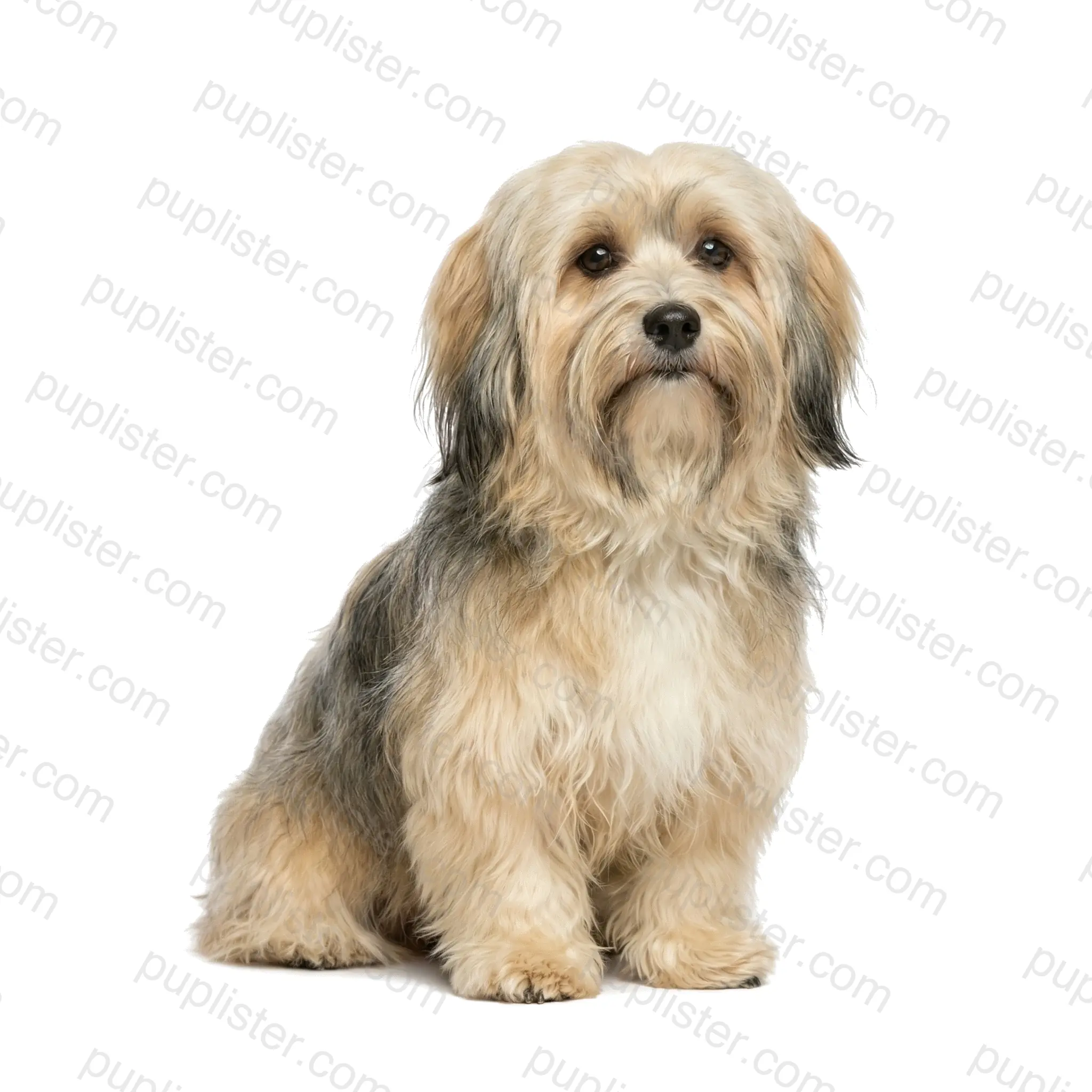
About the Havanese
The Havanese — Cuba's only native breed — descended from the now-extinct Blanquito de la Habana and was the cherished lapdog of Havana's aristocracy for centuries before Cuban refugees brought them to America in the 1960s. Standing 8.5–11.5 inches tall and weighing 7–13 pounds, these small but sturdy dogs have a long, silky, lightweight coat that comes in every color imaginable — including white, cream, gold, black, silver, chocolate, and various parti-color combinations. Their coat is designed to insulate against tropical heat rather than cold, giving it a uniquely airy, flowing quality.
Temperament & Personality
Havanese are cheerful, outgoing, and deeply people-oriented — natural entertainers who thrive on being the center of attention. They are remarkably adaptable and sociable, getting along effortlessly with children, other dogs, cats, and even strangers who receive a warm, tail-wagging welcome. Their playful, clownish nature and expressive faces make them exceptional companion dogs — they're sometimes called "velcro dogs" for their habit of following their owners everywhere.
Pros
- Low-shedding coat is well-suited for allergy-sensitive households
- Excellent with children and other pets — gentle, patient, and playful
- Highly trainable and eager to please — respond well to positive reinforcement
- Adaptable to any living situation — equally happy in apartments or homes with yards
Cons
- Long coat requires daily brushing and regular professional grooming to prevent matting
- Prone to severe separation anxiety — can become destructive or develop excessive barking when left alone
- Susceptible to patellar luxation, cataracts, and Legg-Calve-Perthes disease
- Can be difficult to housebreak — small bladder and sensitive temperament complicate training
Bring the sunshine of Havana into your home — find Havanese dogs waiting for families on Puplister.