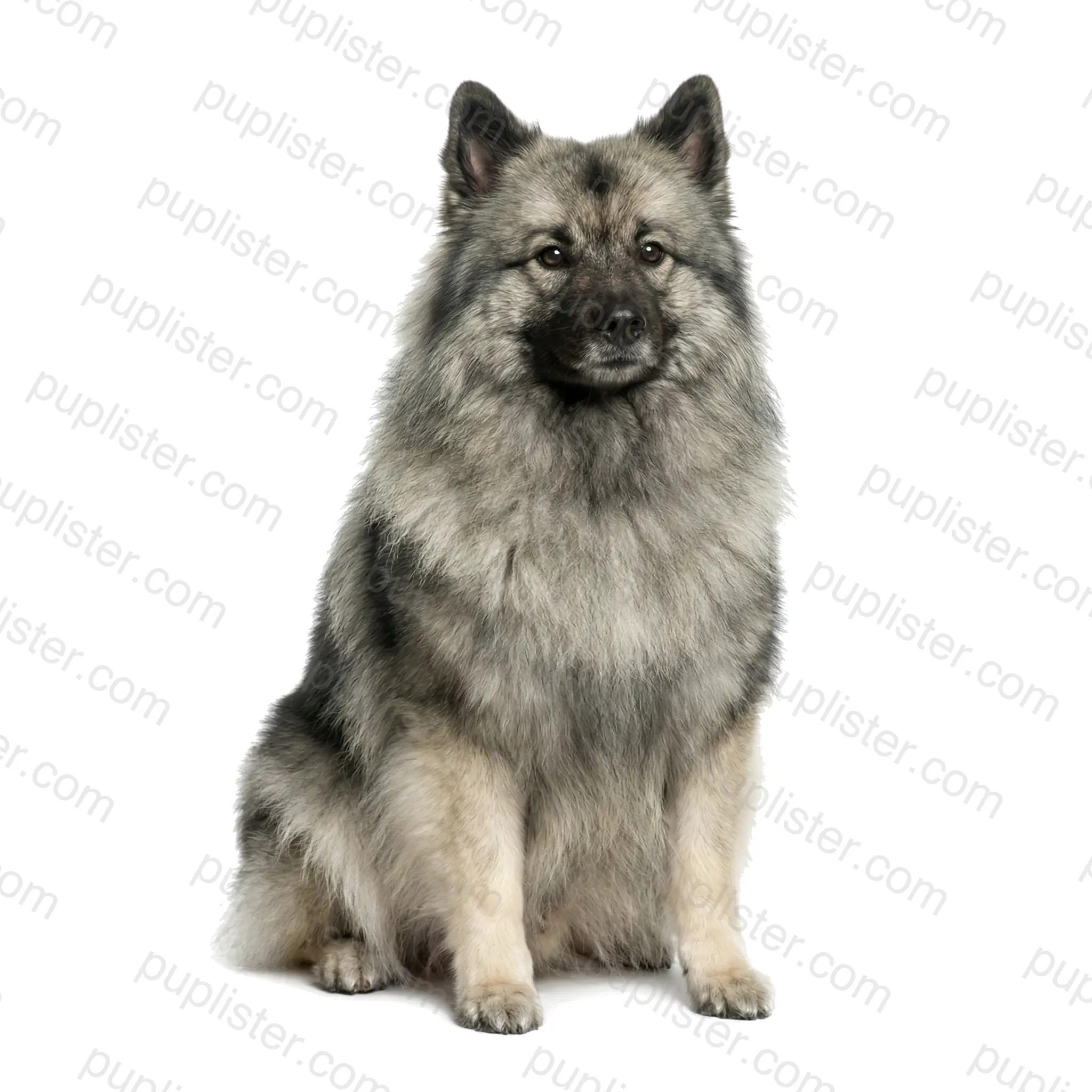
About the Weimaraner
The Weimaraner was developed in the early 19th century at the court of Weimar in Germany, where nobles bred these dogs to hunt large game — boar, bear, and deer — before transitioning them to bird dog duties as large game became scarce. These striking, athletic dogs stand 23 to 27 inches tall and weigh 55 to 90 pounds, with a sleek, powerful build designed for speed and endurance. Their distinctive short, smooth coat comes in shades of mouse-gray to silver-gray — earning them the nickname "Gray Ghost" — complemented by striking amber or blue-gray eyes.
Temperament & Personality
Weimaraners are fearless, friendly, and intensely devoted to their families — they crave human companionship and do not do well as kennel or outdoor-only dogs. They are energetic and playful with children, generally sociable with other dogs, and possess an intelligence that demands both physical and mental outlets. Without adequate exercise and attention, Weimaraners become anxious, destructive, and can develop severe behavioral problems.
Pros
- Strikingly beautiful with an unmistakable silver-gray appearance
- Versatile sporting dog — excellent for hunting, running, and competitive events
- Highly intelligent and trainable with consistent, positive methods
- Short coat requires minimal grooming and sheds only moderately
Cons
- Extreme separation anxiety — one of the most prone breeds to this condition
- Requires intense daily exercise — 2 or more hours of vigorous activity is typical
- Prone to bloat (gastric torsion), hip dysplasia, and hyperuricosuria
- Can be destructive on a grand scale when bored or anxious — has been known to eat through drywall
The "Gray Ghost" is a magnificent companion for the active and committed — discover Weimaraners on Puplister.