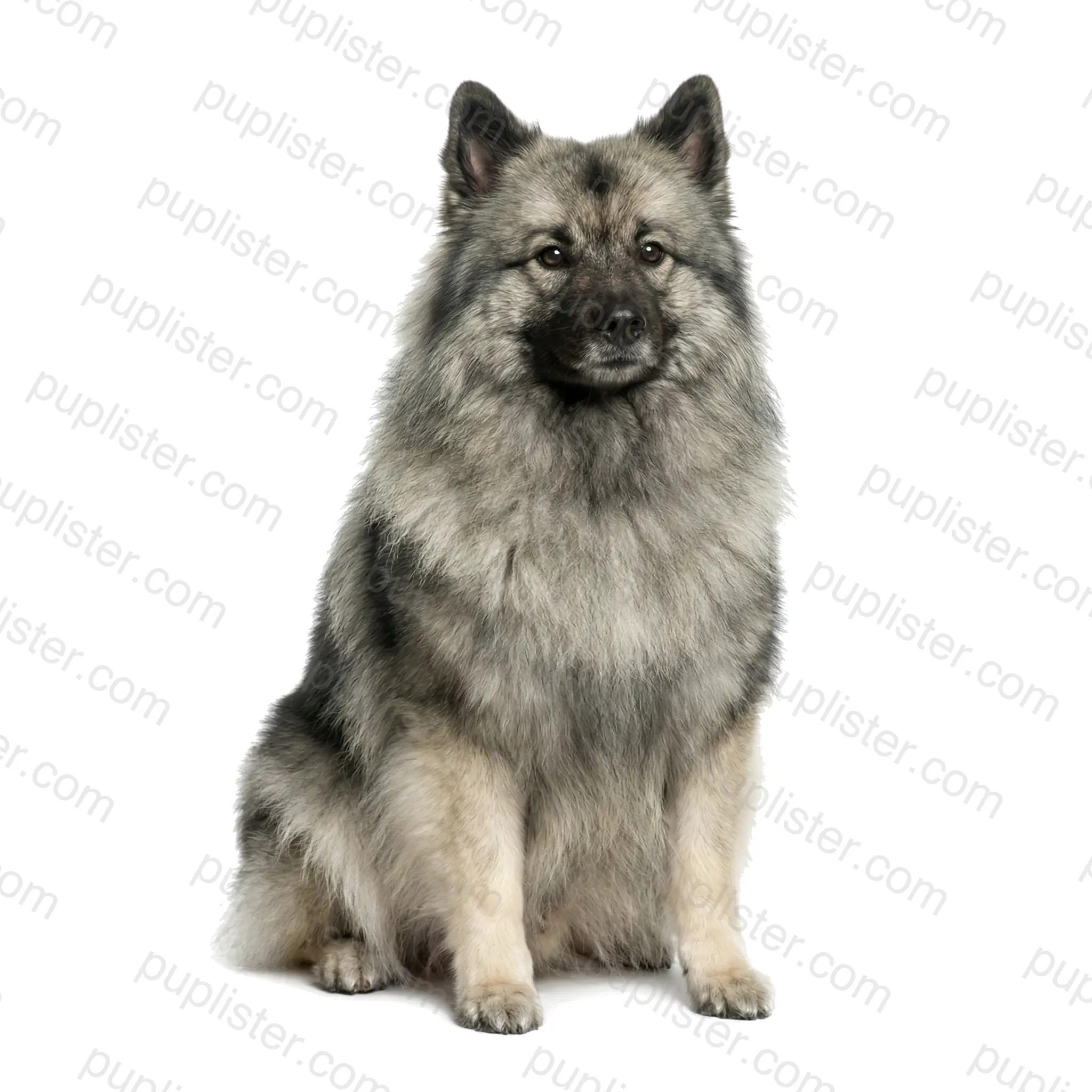


Keeshond vs Whippet

Which dog breed is right for you?

Keeshond

Size
35–45 lbs, 17–18 in
Lifespan
12–15 years
Exercise
Moderate
Grooming
High
Good with Kids
Yes
Good with Pets
Yes
Friendly Outgoing Lively Alert

Whippet

Size
25–40 lbs, 18–22 in
Lifespan
12–15 years
Exercise
Moderate
Grooming
Low
Good with Kids
Yes
Good with Pets
Yes
Gentle Quiet Affectionate Athletic

About the Keeshond

The Keeshond — pronounced "KAYZ-hawnd" — served as the watchdog and companion of Dutch barge operators on the Rhine River for centuries before becoming the symbol of the Dutch Patriot political party in the 18th century. Standing 17–18 inches tall and weighing 35–45 pounds, this spitz-type breed has an abundant, standoff double coat in dramatic shades of gray, black, and cream with distinctive dark "spectacles" markings around the eyes. Their plush, foxlike appearance and perpetually smiling expression make them one of the most visually appealing medium-sized breeds.

Temperament & Personality

Keeshonden are outgoing, friendly, and remarkably intuitive — often called "the smiling Dutchman" for their upturned lip expression and consistently cheerful demeanor. They are deeply people-oriented dogs that thrive on family involvement and are exceptionally good with children, often showing patience and gentleness that surpasses many breeds specifically marketed as family dogs. Their alert, watchful nature makes them excellent watchdogs who will announce visitors enthusiastically without aggression.

Pros

  • Outstanding family dog — gentle, patient, and naturally good with children of all ages
  • Friendly toward strangers and other dogs — sociable without being pushy
  • Moderate exercise needs — satisfied with daily walks and play sessions
  • Highly trainable and eager to please — excel in obedience and agility

Cons

  • Heavy shedding — the thick double coat blows profusely twice yearly and sheds moderately year-round
  • Prone to excessive barking — their watchdog heritage can become a nuisance without training
  • Susceptible to hip dysplasia, patellar luxation, and hyperparathyroidism
  • Thick coat makes them heat-sensitive — require air conditioning and limited outdoor time in summer

A Keeshond's smile could brighten your entire household — discover adoptable Keeshonden on Puplister.

About the Whippet

The Whippet was developed in Victorian England by coal miners and mill workers who bred small Greyhounds with terriers to create an affordable racing and rabbit-coursing dog — earning the nickname "the poor man's racehorse." These elegant sighthounds stand 18 to 22 inches tall and weigh 25 to 40 pounds, with a streamlined, aerodynamic build capable of reaching speeds up to 35 miles per hour. Their short, smooth coat comes in virtually any color or pattern and lies close to the body, accentuating their graceful, muscular contours.

Temperament & Personality

Whippets are gentle, quiet, and remarkably calm indoors — often spending hours draped elegantly across furniture in poses that would make a greyhound proud. They are affectionate and sensitive with their families, good with children (though their slender build makes them vulnerable to rough play), and generally friendly with other dogs. Despite their sprinting ability, Whippets are surprisingly low-energy at home and are often described as the ideal apartment dog for owners who enjoy outdoor exercise.

Pros

  • Extremely calm and quiet indoors — one of the most unobtrusive housemates
  • Short, low-maintenance coat with minimal shedding and no doggy odor
  • Gentle, affectionate nature — rarely aggressive toward people or other dogs
  • Healthy breed with a long lifespan of 12 to 15 years

Cons

  • Intense prey drive — will chase and potentially catch small animals including cats
  • Thin skin and low body fat make them sensitive to cold and prone to scrapes
  • Cannot be trusted off-leash in unfenced areas — once they run, they cannot hear you
  • Susceptible to anesthesia sensitivity and cardiac arrhythmias

Whippets are the perfect blend of couch companion and outdoor athlete — find one looking for a home on Puplister.

Available for Adoption

2

Keeshonds

Browse

21

Whippets

Browse

Related Articles

All Articles →

Frequently Asked Questions

What is the difference between a Keeshond and a Whippet?
The Keeshond is 35–45 lbs, 17–18 in sized while the Whippet is 25–40 lbs, 18–22 in sized. They differ in size (35–45 lbs, 17–18 in vs 25–40 lbs, 18–22 in), lifespan (12–15 years vs 12–15 years), and care requirements.
Which breed is better with kids, Keeshond or Whippet?
Keeshond is generally good with kids. Whippet is generally good with kids.
Which breed lives longer, Keeshond or Whippet?
The Keeshond has a lifespan of 12–15 years while the Whippet has a lifespan of 12–15 years.

Find Your Perfect Pet

Browse thousands of adoptable pets from shelters near you.

Browse Dogs