Labradoodle vs Siberian Husky

Which dog breed is right for you?

Labradoodle

Size
15–65 lbs, 14–24 in
Lifespan
12–14 years
Exercise
High
Grooming
Moderate
Good with Kids
Yes
Good with Pets
Yes
Friendly Intelligent Sociable Gentle

Siberian Husky

Size
35–60 lbs, 20–24 in
Lifespan
12–14 years
Exercise
Very High
Grooming
High
Good with Kids
Yes
Good with Pets
No
Outgoing Mischievous Loyal Friendly

About the Labradoodle

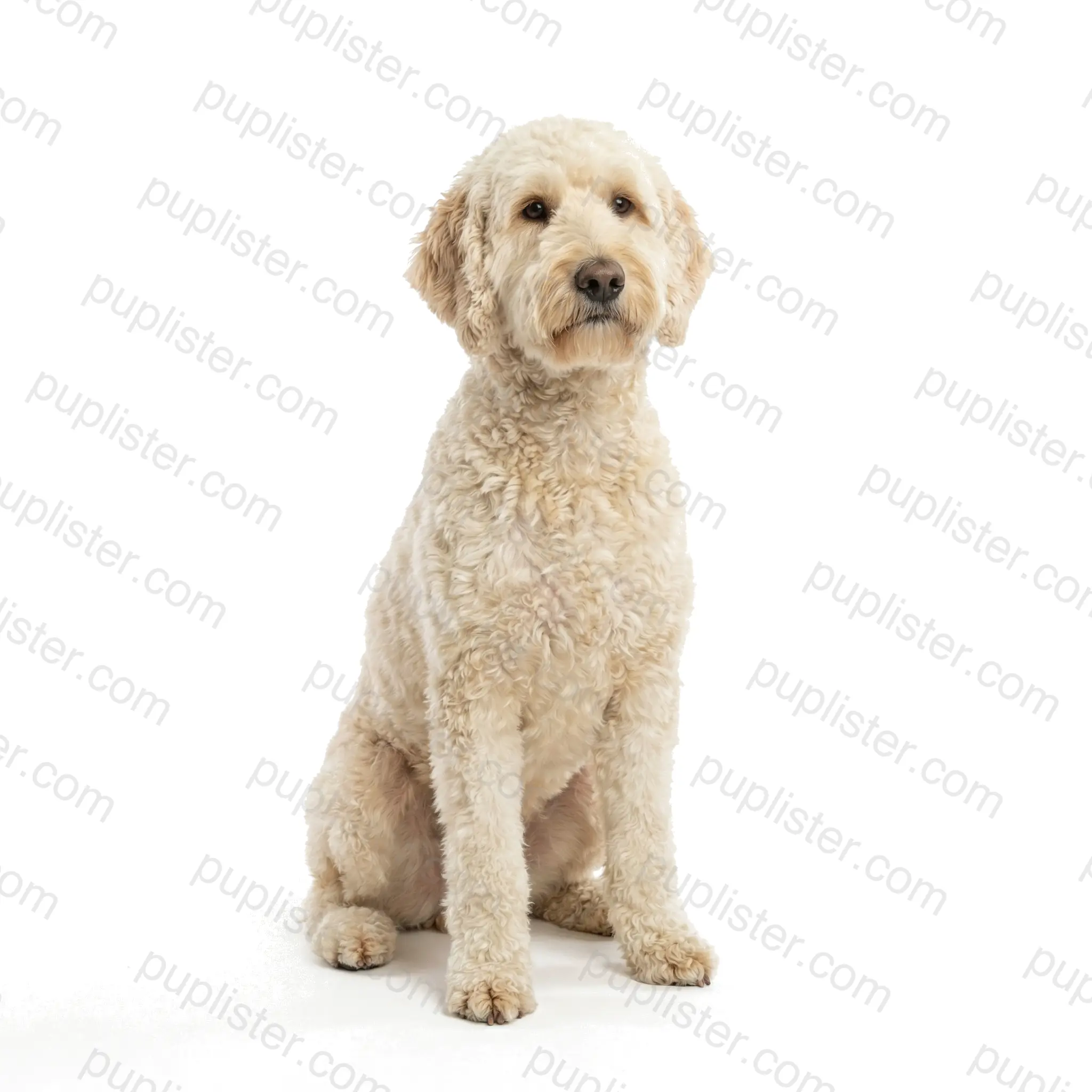
The Labradoodle was first intentionally bred in 1989 by Wally Conron of the Royal Guide Dogs Association of Australia, who crossed a Standard Poodle with a Labrador Retriever to create a guide dog suitable for a visually impaired woman whose husband had dog allergies. They vary widely in size — Miniature (15–25 pounds), Medium (30–45 pounds), and Standard (50–65 pounds) — and their coats range from flat and hair-like to loose waves to tight curls, in colors including cream, gold, chocolate, black, red, and parti-color. As a crossbreed, their appearance and temperament are less predictable than purebred dogs.

Temperament & Personality

Labradoodles typically combine the Labrador's friendly eagerness with the Poodle's intelligence and playfulness — resulting in an enthusiastic, sociable, and highly trainable companion. They are generally excellent with children and other pets, inheriting the Labrador's patience and the Poodle's gentleness in equal measure. Their energetic, joyful nature and intuitive emotional awareness have made them popular therapy and assistance dogs worldwide.

Pros

  • Many individuals have low-shedding coats — particularly those with curlier, Poodle-influenced hair
  • Intelligent and highly trainable — inherits strong work ethic from both parent breeds
  • Friendly, social temperament makes them excellent family and therapy dogs
  • Available in multiple sizes to suit different living environments and lifestyle needs

Cons

  • Coat type is unpredictable — no guarantee of hypoallergenic qualities, especially in first-generation crosses
  • Requires regular professional grooming every 6–8 weeks regardless of coat type
  • No breed standard — significant variation in size, temperament, and appearance within litters
  • Can inherit health problems from both parent breeds — hip dysplasia, eye disease, and Addison's disease

A lovable Labradoodle could be your perfect family addition — find available dogs on Puplister today.
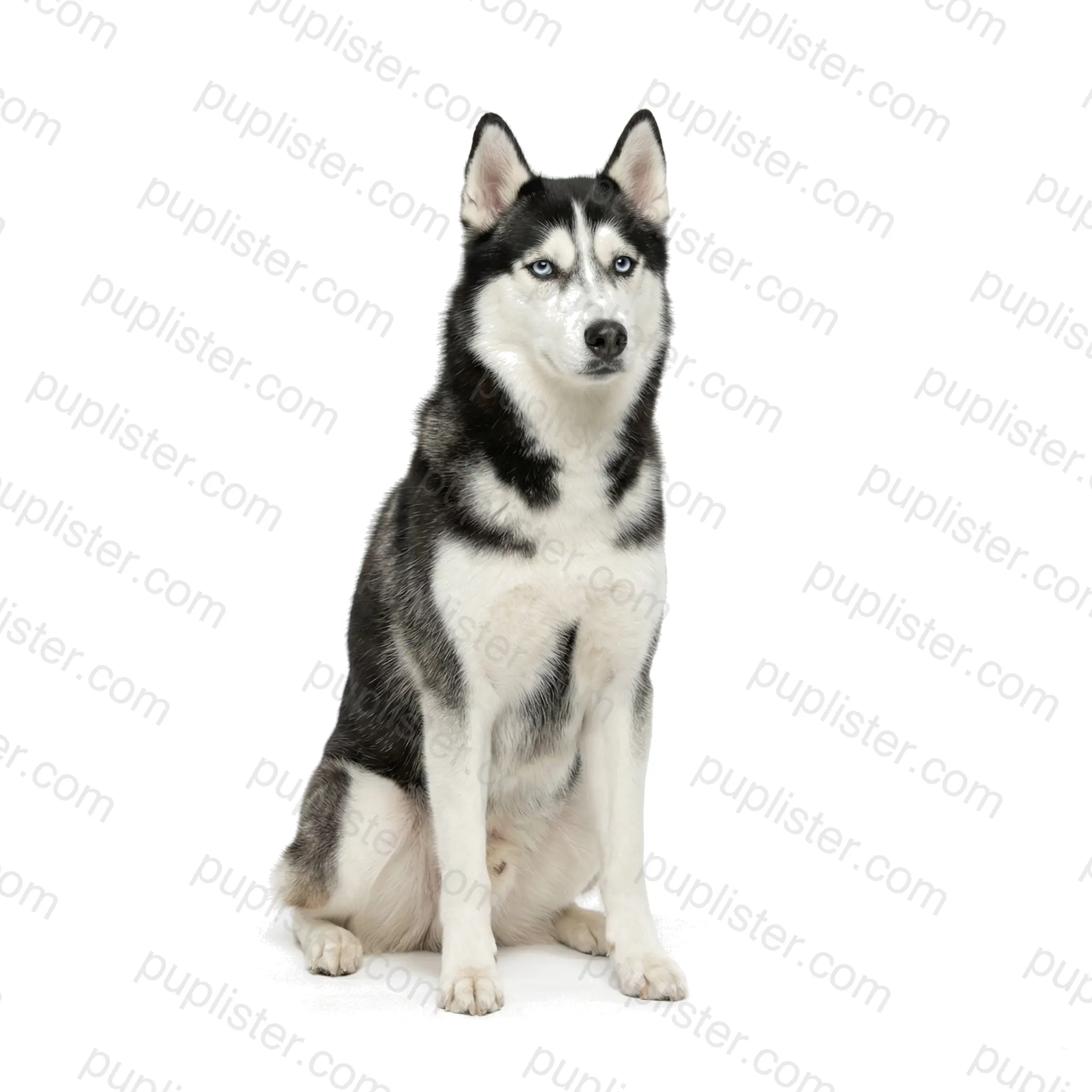
About the Siberian Husky

The Siberian Husky was developed over thousands of years by the Chukchi people of northeastern Siberia as an endurance sled dog capable of pulling light loads over vast frozen distances in extreme cold. These athletic, medium-sized dogs stand 20 to 23.5 inches tall and weigh 35 to 60 pounds, with a graceful, effortless gait that reflects their incredible stamina. Their thick double coat comes in virtually every color from pure white to black, often with striking facial markings, and their eyes can be brown, blue, or even one of each (heterochromia).

Temperament & Personality

Siberian Huskies are friendly, outgoing, and mischievous — pack-oriented dogs that love people and make terrible guard dogs because they greet everyone like a long-lost friend. They are playful and gentle with children and generally good with other dogs, though their high prey drive makes them a risk around cats and small animals. Huskies are intelligent but famously independent, preferring to make their own decisions rather than follow commands — a trait that requires patience and humor from their owners.

Pros

  • Friendly, social, and gentle with children and strangers alike
  • Naturally clean with little doggy odor — self-grooming like a cat
  • Outstanding endurance athlete for running, hiking, and winter sports
  • Healthy breed with a lifespan of 12 to 14 years

Cons

  • Extreme shedding — blows the entire undercoat twice yearly in massive quantities
  • Legendary escape artists — can jump fences, dig under them, and open latches
  • Strong prey drive makes them dangerous around cats, rabbits, and small animals
  • Not suited for hot climates and requires air conditioning in warm regions

The Siberian Husky's adventurous spirit and stunning beauty are irresistible — find Huskies seeking forever homes on Puplister.

Available for Adoption

4

Labradoodles

Browse

661

Siberian Huskies

Browse

Related Articles

All Articles →

Frequently Asked Questions

What is the difference between a Labradoodle and a Siberian Husky?
The Labradoodle is 15–65 lbs, 14–24 in sized while the Siberian Husky is 35–60 lbs, 20–24 in sized. They differ in size (15–65 lbs, 14–24 in vs 35–60 lbs, 20–24 in), lifespan (12–14 years vs 12–14 years), and care requirements.
Which breed is better with kids, Labradoodle or Siberian Husky?
Labradoodle is generally good with kids. Siberian Husky is generally good with kids.
Which breed lives longer, Labradoodle or Siberian Husky?
The Labradoodle has a lifespan of 12–14 years while the Siberian Husky has a lifespan of 12–14 years.

Find Your Perfect Pet

Browse thousands of adoptable pets from shelters near you.

Browse Dogs