Labrador Retriever vs Siberian Husky

Which dog breed is right for you?

Labrador Retriever

Size
55–80 lbs, 21–25 in
Lifespan
10–12 years
Exercise
High
Grooming
Moderate
Good with Kids
Yes
Good with Pets
Yes
Friendly Outgoing Active Gentle

Siberian Husky

Size
35–60 lbs, 20–24 in
Lifespan
12–14 years
Exercise
Very High
Grooming
High
Good with Kids
Yes
Good with Pets
No
Outgoing Mischievous Loyal Friendly

About the Labrador Retriever

The Labrador Retriever has been America's most popular dog breed for over three decades — and for good reason. Originally bred in Newfoundland, Canada, during the early 19th century to help fishermen haul nets and retrieve catch from the icy North Atlantic, the breed was refined in England into the versatile sporting dog we know today. Labs stand 21.5–24.5 inches tall and weigh 55–80 pounds, with a short, dense, water-resistant double coat in three recognized colors: black, yellow (ranging from fox-red to pale cream), and chocolate.

Temperament & Personality

Labrador Retrievers are friendly, outgoing, and high-spirited — they greet nearly every person, dog, and situation with unbridled enthusiasm and a wagging tail. They are exceptionally patient and gentle with children, making them one of the most trusted family dogs in the world. Labs are also remarkably intelligent and eager to please, which is why they dominate as guide dogs, search-and-rescue dogs, therapy dogs, and detection dogs across dozens of working disciplines.

Pros

  • Outstanding family dog — patient, gentle, and naturally good with children of all ages
  • Highly trainable and eager to please — consistently ranks among the most obedient breeds
  • Versatile and adaptable — equally at home on the couch, in the field, or in the water
  • Friendly and social temperament — gets along well with other dogs, cats, and strangers

Cons

  • Heavy shedding year-round with major seasonal blowouts — not suited for allergy sufferers
  • Prone to obesity — Labs are notoriously food-motivated and will eat anything not locked away
  • High energy in the first 2–3 years — requires substantial daily exercise to prevent destructive behavior
  • Susceptible to hip and elbow dysplasia, exercise-induced collapse, and progressive retinal atrophy

There's a reason the Lab is the world's favorite dog — discover adoptable Labrador Retrievers on Puplister today.

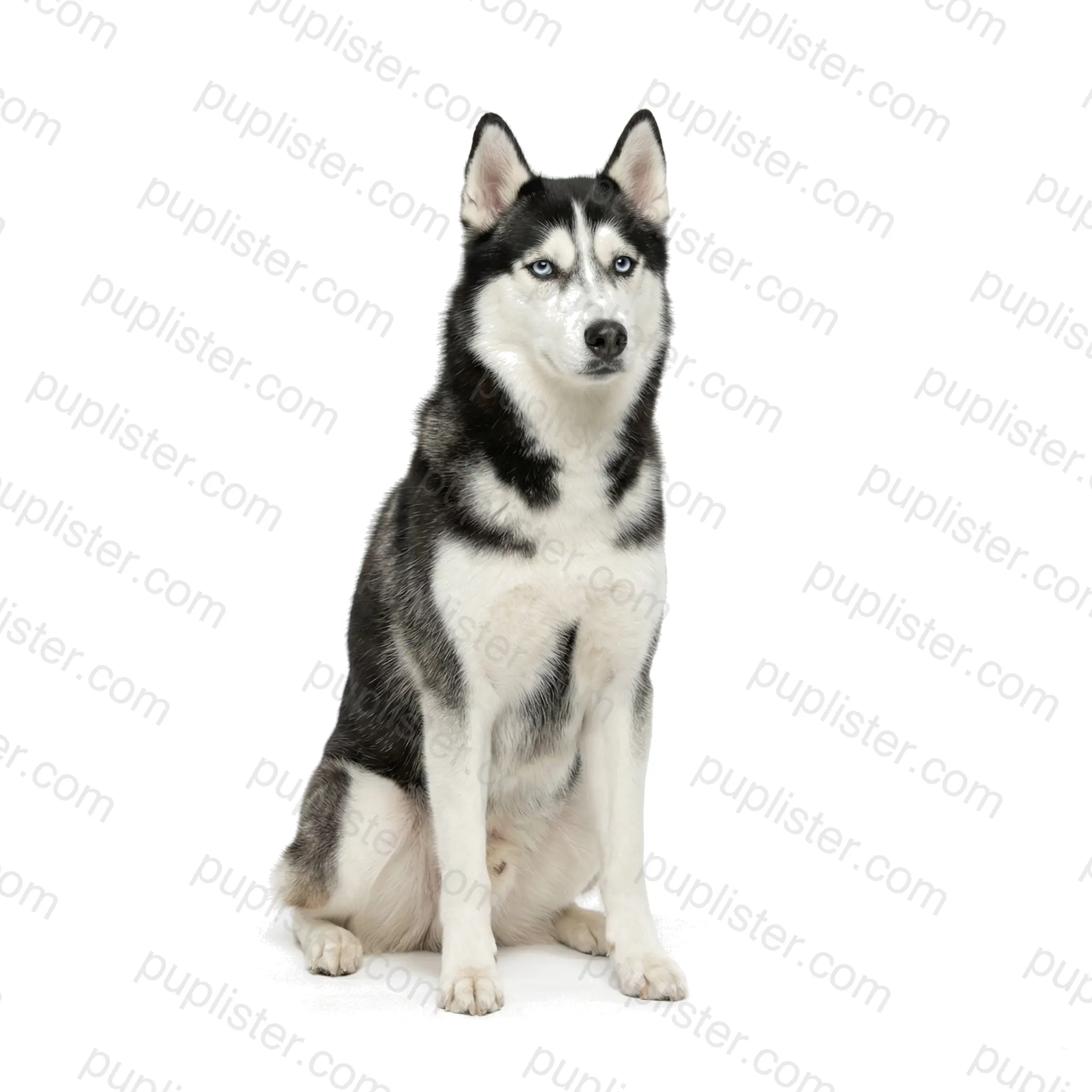
About the Siberian Husky

The Siberian Husky was developed over thousands of years by the Chukchi people of northeastern Siberia as an endurance sled dog capable of pulling light loads over vast frozen distances in extreme cold. These athletic, medium-sized dogs stand 20 to 23.5 inches tall and weigh 35 to 60 pounds, with a graceful, effortless gait that reflects their incredible stamina. Their thick double coat comes in virtually every color from pure white to black, often with striking facial markings, and their eyes can be brown, blue, or even one of each (heterochromia).

Temperament & Personality

Siberian Huskies are friendly, outgoing, and mischievous — pack-oriented dogs that love people and make terrible guard dogs because they greet everyone like a long-lost friend. They are playful and gentle with children and generally good with other dogs, though their high prey drive makes them a risk around cats and small animals. Huskies are intelligent but famously independent, preferring to make their own decisions rather than follow commands — a trait that requires patience and humor from their owners.

Pros

  • Friendly, social, and gentle with children and strangers alike
  • Naturally clean with little doggy odor — self-grooming like a cat
  • Outstanding endurance athlete for running, hiking, and winter sports
  • Healthy breed with a lifespan of 12 to 14 years

Cons

  • Extreme shedding — blows the entire undercoat twice yearly in massive quantities
  • Legendary escape artists — can jump fences, dig under them, and open latches
  • Strong prey drive makes them dangerous around cats, rabbits, and small animals
  • Not suited for hot climates and requires air conditioning in warm regions

The Siberian Husky's adventurous spirit and stunning beauty are irresistible — find Huskies seeking forever homes on Puplister.

Available for Adoption

300

Labrador Retrievers

Browse

102

Siberian Huskies

Browse

Related Articles

All Articles →

Frequently Asked Questions

What is the difference between a Labrador Retriever and a Siberian Husky?
The Labrador Retriever is 55–80 lbs, 21–25 in sized while the Siberian Husky is 35–60 lbs, 20–24 in sized. They differ in size (55–80 lbs, 21–25 in vs 35–60 lbs, 20–24 in), lifespan (10–12 years vs 12–14 years), and care requirements.
Which breed is better with kids, Labrador Retriever or Siberian Husky?
Labrador Retriever is generally good with kids. Siberian Husky is generally good with kids.
Which breed lives longer, Labrador Retriever or Siberian Husky?
The Labrador Retriever has a lifespan of 10–12 years while the Siberian Husky has a lifespan of 12–14 years.

Find Your Perfect Pet

Browse thousands of adoptable pets from shelters near you.

Browse Dogs