Labrador Retriever vs Yorkshire Terrier

Which dog breed is right for you?

Labrador Retriever

Size
55–80 lbs, 21–25 in
Lifespan
10–12 years
Exercise
High
Grooming
Moderate
Good with Kids
Yes
Good with Pets
Yes
Friendly Outgoing Active Gentle

Yorkshire Terrier

Size
4–7 lbs, 7–8 in
Lifespan
11–15 years
Exercise
Moderate
Grooming
High
Good with Kids
No
Good with Pets
Yes
Bold Confident Spirited Affectionate

About the Labrador Retriever

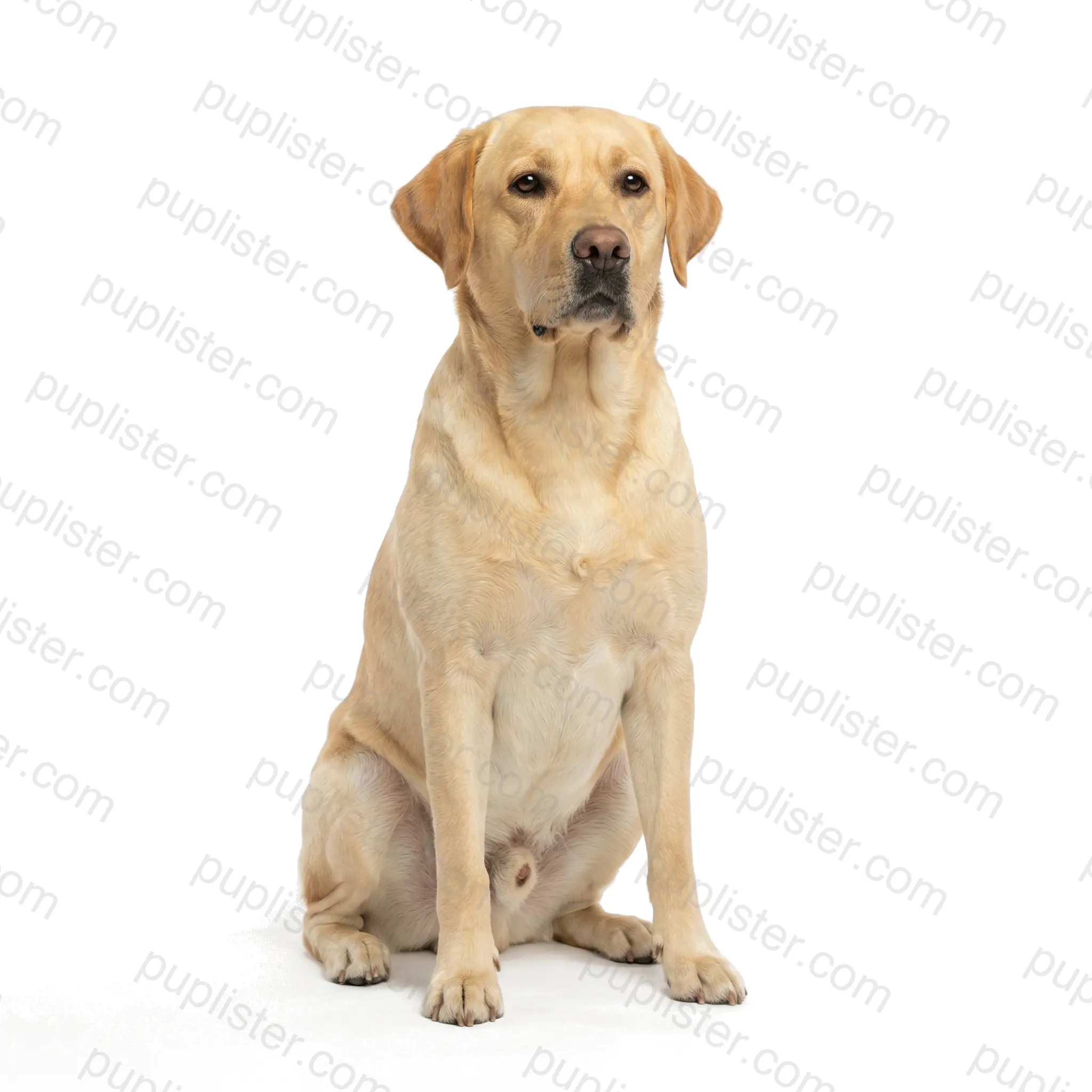
The Labrador Retriever has been America's most popular dog breed for over three decades — and for good reason. Originally bred in Newfoundland, Canada, during the early 19th century to help fishermen haul nets and retrieve catch from the icy North Atlantic, the breed was refined in England into the versatile sporting dog we know today. Labs stand 21.5–24.5 inches tall and weigh 55–80 pounds, with a short, dense, water-resistant double coat in three recognized colors: black, yellow (ranging from fox-red to pale cream), and chocolate.

Temperament & Personality

Labrador Retrievers are friendly, outgoing, and high-spirited — they greet nearly every person, dog, and situation with unbridled enthusiasm and a wagging tail. They are exceptionally patient and gentle with children, making them one of the most trusted family dogs in the world. Labs are also remarkably intelligent and eager to please, which is why they dominate as guide dogs, search-and-rescue dogs, therapy dogs, and detection dogs across dozens of working disciplines.

Pros

  • Outstanding family dog — patient, gentle, and naturally good with children of all ages
  • Highly trainable and eager to please — consistently ranks among the most obedient breeds
  • Versatile and adaptable — equally at home on the couch, in the field, or in the water
  • Friendly and social temperament — gets along well with other dogs, cats, and strangers

Cons

  • Heavy shedding year-round with major seasonal blowouts — not suited for allergy sufferers
  • Prone to obesity — Labs are notoriously food-motivated and will eat anything not locked away
  • High energy in the first 2–3 years — requires substantial daily exercise to prevent destructive behavior
  • Susceptible to hip and elbow dysplasia, exercise-induced collapse, and progressive retinal atrophy

There's a reason the Lab is the world's favorite dog — discover adoptable Labrador Retrievers on Puplister today.
About the Yorkshire Terrier

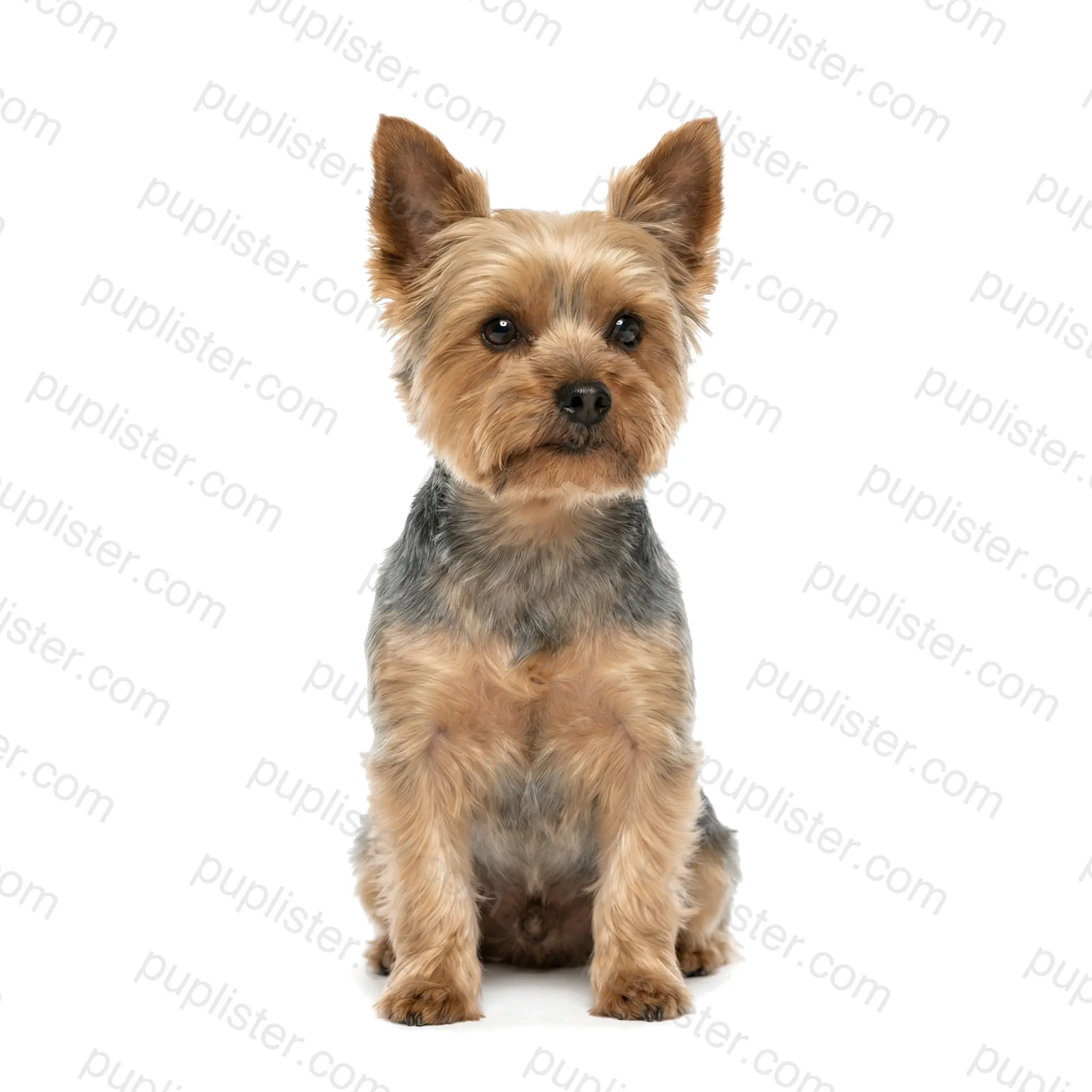
The Yorkshire Terrier was developed in the mid-19th century in the English counties of Yorkshire and Lancashire by working-class weavers who bred small terriers to catch rats in textile mills and coal mines. Despite their current status as a glamorous toy breed, these feisty dogs retain every bit of their terrier courage in a tiny 7-pound, 7-to-8-inch frame. Their signature floor-length, silky coat is steel blue on the body and rich golden tan on the head and legs — a single-layer coat that grows continuously and is remarkably similar to human hair in texture.

Temperament & Personality

Yorkshire Terriers are bold, confident, and fiercely loyal — they carry themselves with a self-importance that far exceeds their diminutive stature, never hesitating to challenge dogs ten times their size. They are deeply attached to their owners and can be wonderful companions for adults and older children, though their small size and feisty temperament make them a poor fit for rough play with toddlers. Yorkies are intelligent, curious, and entertaining, bringing big-dog energy and attitude to the smallest package in the terrier world.

Pros

  • Minimal shedding — silky coat is more similar to hair than fur
  • Tiny size ideal for apartments, travel, and urban living
  • Bold watchdog temperament — always alert to unusual activity
  • Long lifespan of 11 to 15 years with proper care

Cons

  • Fragile — easily injured by falls, being sat on, or rough handling
  • Long coat demands daily brushing or regular professional grooming
  • Prone to tracheal collapse, patellar luxation, portosystemic shunt, and dental disease
  • Can be difficult to housetrain and may develop snappish behavior if overindulged

Yorkshire Terriers prove that the best things truly come in small packages — find your Yorkie on Puplister.

Available for Adoption

300

Labrador Retrievers

Browse

24

Yorkshire Terriers

Browse

Related Articles

All Articles →

Frequently Asked Questions

What is the difference between a Labrador Retriever and a Yorkshire Terrier?
The Labrador Retriever is 55–80 lbs, 21–25 in sized while the Yorkshire Terrier is 4–7 lbs, 7–8 in sized. They differ in size (55–80 lbs, 21–25 in vs 4–7 lbs, 7–8 in), lifespan (10–12 years vs 11–15 years), and care requirements.
Which breed is better with kids, Labrador Retriever or Yorkshire Terrier?
Labrador Retriever is generally good with kids. Yorkshire Terrier is not typically good with kids.
Which breed lives longer, Labrador Retriever or Yorkshire Terrier?
The Labrador Retriever has a lifespan of 10–12 years while the Yorkshire Terrier has a lifespan of 11–15 years.

Find Your Perfect Pet

Browse thousands of adoptable pets from shelters near you.

Browse Dogs