About the Vizsla
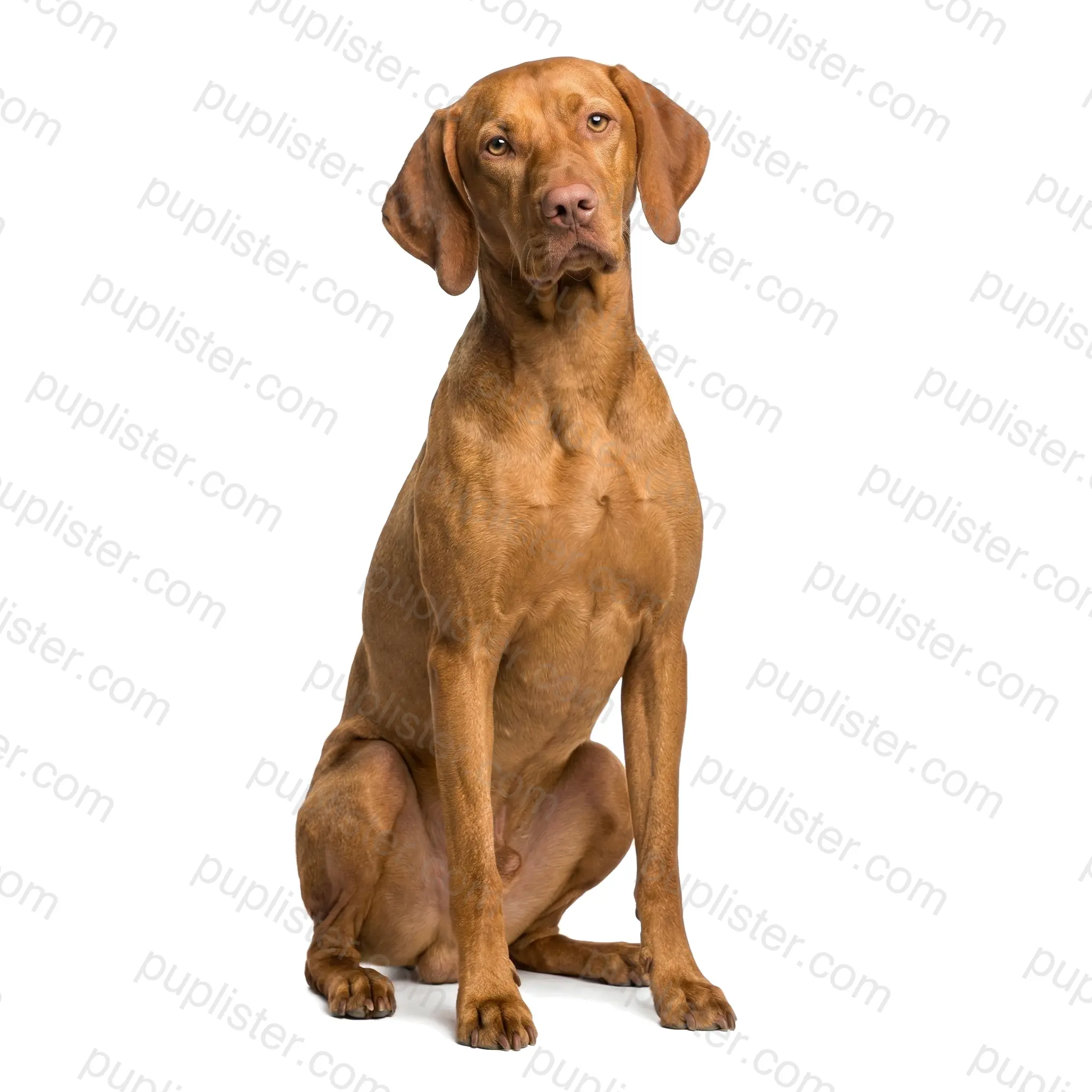
The Vizsla is Hungary's national dog, with origins tracing back over 1,000 years to the Magyar tribes who settled the Carpathian Basin and needed a versatile pointer-retriever for the plains. These lean, athletic dogs stand 21 to 24 inches tall and weigh 44 to 60 pounds, with a distinctively sleek, muscular build and an elegant, ground-covering gait. Their short, smooth coat comes exclusively in various shades of golden rust — from sandy gold to deep russet — with no undercoat, giving them a clean, low-maintenance appearance.
Temperament & Personality
Vizslas are affectionate, energetic, and extraordinarily people-oriented — often called "Velcro dogs" because they want to be in constant physical contact with their owners. They are gentle and patient with children, friendly with other dogs, and possess a sensitivity that makes them responsive to their family's moods. Vizslas form such intense bonds that they can suffer severe separation anxiety if left alone regularly — they truly need to be included in daily family life.
Pros
- Exceptionally affectionate and forms deep, devoted bonds with family
- Versatile athlete — excels in hunting, agility, dock diving, and tracking
- Low-maintenance coat with minimal shedding and no doggy odor
- Gentle, sensitive nature makes them excellent therapy dogs
Cons
- Severe separation anxiety — cannot tolerate being left alone for long periods
- Extremely high exercise needs — requires 1 to 2 hours of vigorous activity daily
- Prone to epilepsy, hip dysplasia, and lymphosarcoma
- Thin coat and low body fat make them uncomfortable in cold weather
If you want a devoted, athletic companion who'll never leave your side, find your Vizsla on Puplister.