Adopted Cat Meowing All Night: How to Stop It
Adopted cat meowing all night? Discover why it happens, how to create a calm environment, and a realistic timeline to quiet nighttime meows.
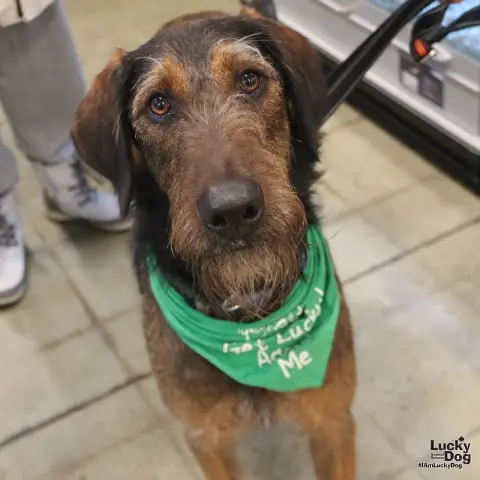
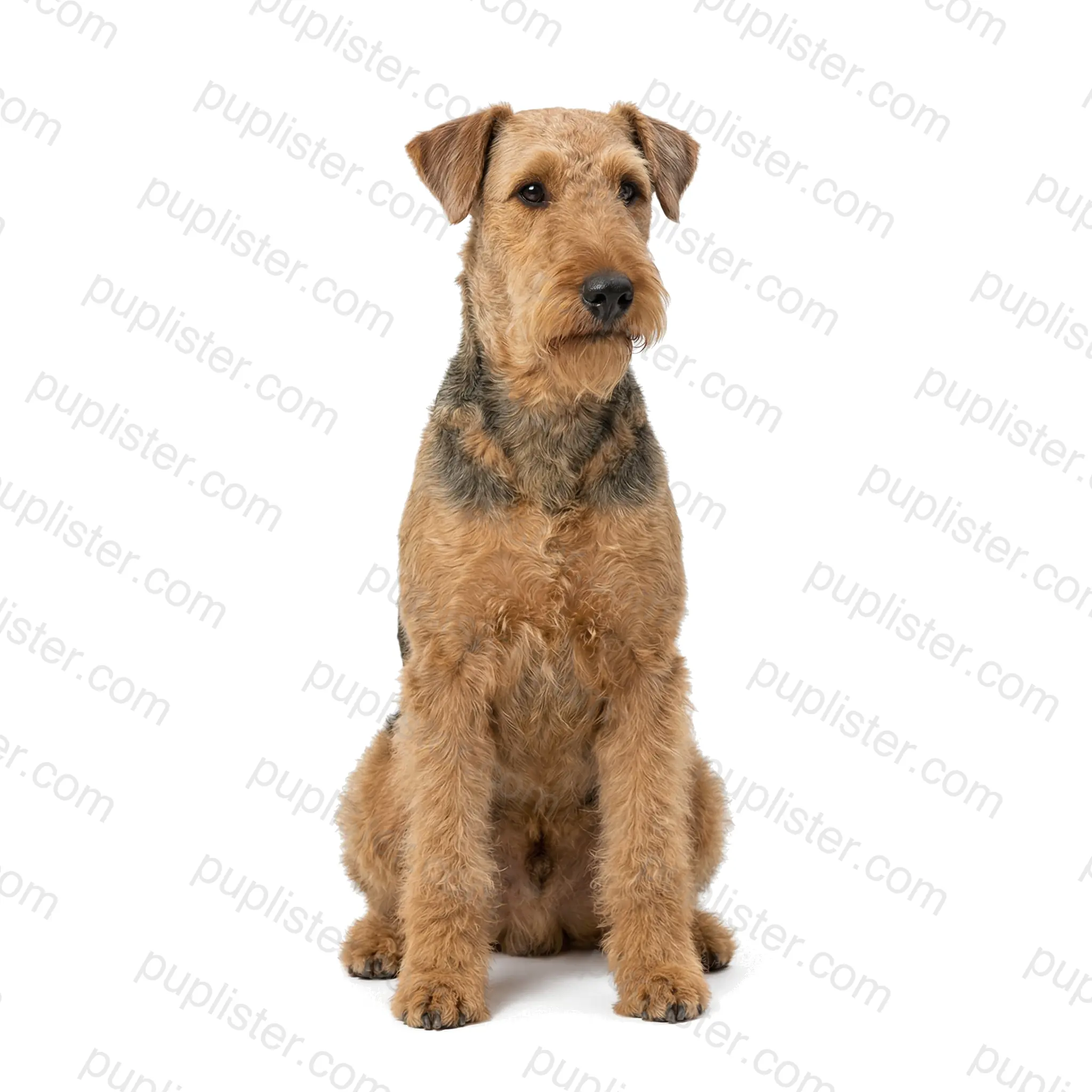
Known as the "King of Terriers," the Airedale is the largest of all terrier breeds, standing 21–23 inches at the shoulder and weighing 40–65 pounds. Developed in the Aire Valley of Yorkshire, England, during the mid-19th century, the breed was originally used for hunting otters, rats, and other vermin along riverbanks. The Airedale sports a dense, wiry coat in a distinctive tan-and-black saddle pattern that is low-shedding but requires regular hand-stripping or clipping to maintain its texture.
Airedales are bold, confident, and endlessly energetic — they approach life with a terrier's tenacity and a larger dog's courage. They are playful and affectionate with their families, including children, and often serve as devoted watchdogs. However, they can be strong-willed and may try to assert dominance over other dogs, so early socialization is key.
Ready to welcome the King of Terriers into your home? Search for adoptable Airedale Terriers on Puplister today.
Answer 5 quick questions to see how well this breed matches your lifestyle.
5 pets available
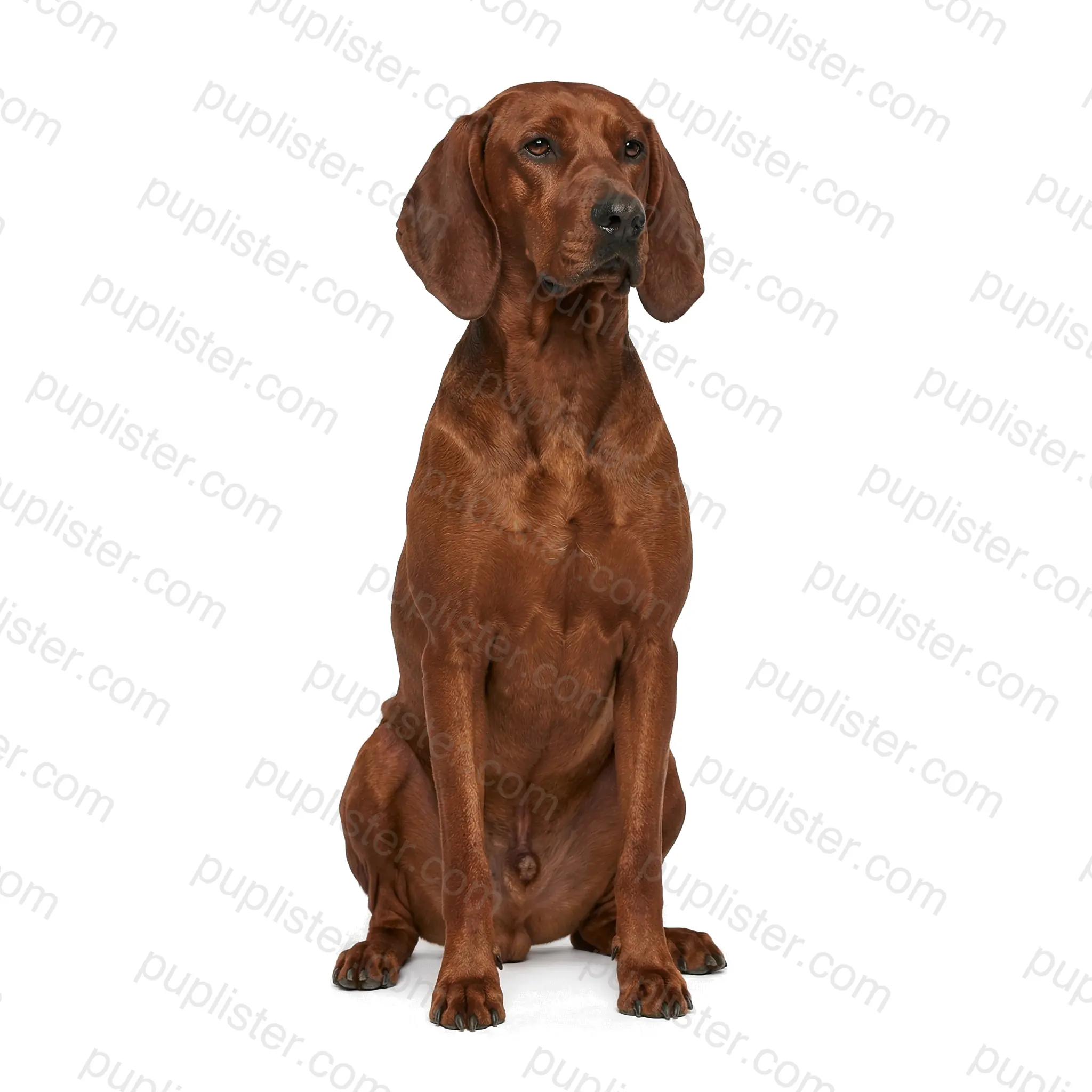
About the Redbone Coonhound The Redbone Coonhound was developed in the southern United States during the late 18th century from red foxhounds brought by Scottish immigrants, refined over generations into a sleek, powerful trailing hound. These athletic dogs stand 21 to 27 inches tall and weigh 45 to 70 pounds, with a lean yet muscular build designed for stamina over rough terrain. Their rich, deep red coat — the breed's most distinctive feature — is short, smooth, and glossy, giving them a strikingly handsome appearance. Temperament & Personality Redbone Coonhounds are easygoing, affectionate, and remarkably gentle for a hunting breed — they love being around their people and are known for their mellow, agreeable disposition at home. They are excellent with children, typically friendly with other dogs, and possess a happy-go-lucky attitude that makes them wonderful family companions. On the trail, however, they become focused and driven, with a deep, melodious bay that carries for miles. Pros Gentle, laid-back temperament that makes them great family dogsStrikingly beautiful red coat with minimal grooming requirementsExcellent hiking and outdoor companion with tireless staminaGood with children, other dogs, and typically non-aggressive Cons Extremely vocal — deep baying and howling can disturb neighborsVery strong scent drive makes off-leash reliability nearly impossibleCan be slow to housetrain compared to many other breedsProne to hip dysplasia, ear infections due to long ears, and obesity The Redbone Coonhound's gentle soul and gorgeous coat are hard to resist — discover available Redbones on Puplister.
1 pet available
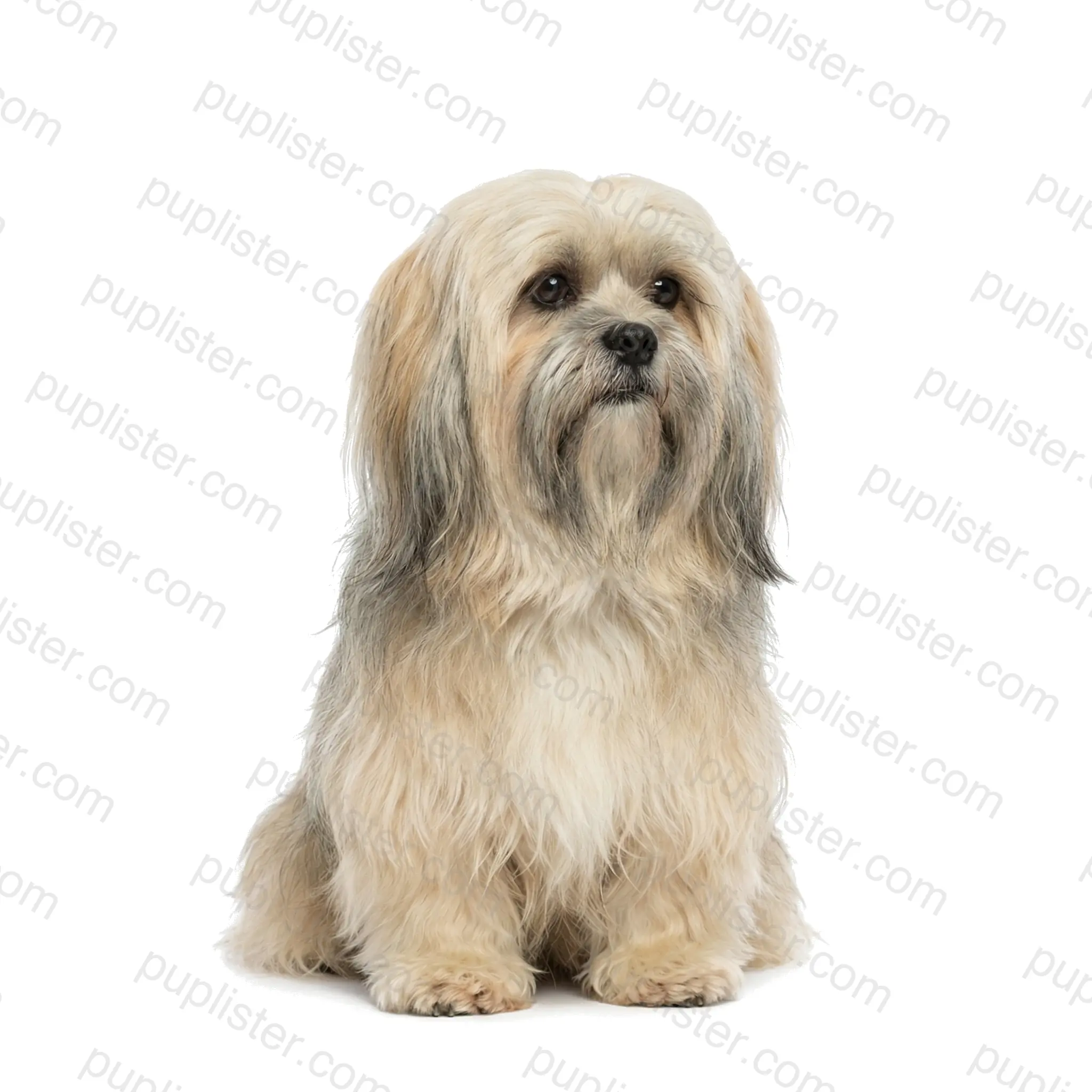
1About the Lhasa Apso The Lhasa Apso — named after the sacred city of Lhasa in Tibet — served as an interior sentinel in Buddhist monasteries and noble households for over a thousand years, alerting monks to intruders with their sharp, penetrating bark. Standing 10–11 inches tall and weighing 12–18 pounds, these sturdy little dogs have a dense, floor-length double coat that parts down the middle of the back and comes in a wide range of colors including gold, cream, honey, smoke, slate, white, black, and parti-color. Their heavy coat, developed to insulate against Tibet's harsh mountain climate, gives them a dramatically different appearance from most toy breeds.Temperament & PersonalityLhasa Apsos are independent, assertive, and surprisingly tough-minded — they are companion dogs with the heart of a watchdog and the confidence of a much larger breed. They are devoted and affectionate with their chosen family but maintain a regal aloofness with strangers that can take time to warm up from. Unlike many small breeds, Lhasas are not typically needy or clingy — they enjoy companionship on their own terms and are content to watch from across the room.ProsExcellent watchdogs — keen hearing and a sharp, authoritative bark that belies their small sizeIndependent nature means they handle alone time better than most companion breedsLong lifespan of 12–15 years — one of the healthiest and hardiest small breedsHypoallergenic coat sheds minimally — well-suited for allergy-conscious householdsConsLong coat demands daily brushing and regular professional grooming — or must be kept in a puppy clipCan be stubborn and difficult to train — their independent streak resists repetitive drillsTendency toward small dog syndrome — may become snappy or dominant without firm, consistent boundariesProne to kidney disease, cherry eye, and dry eye — regular veterinary monitoring is importantDiscover the ancient charm and loyal spirit of the Lhasa Apso — find one waiting for you on Puplister.
60 pets available
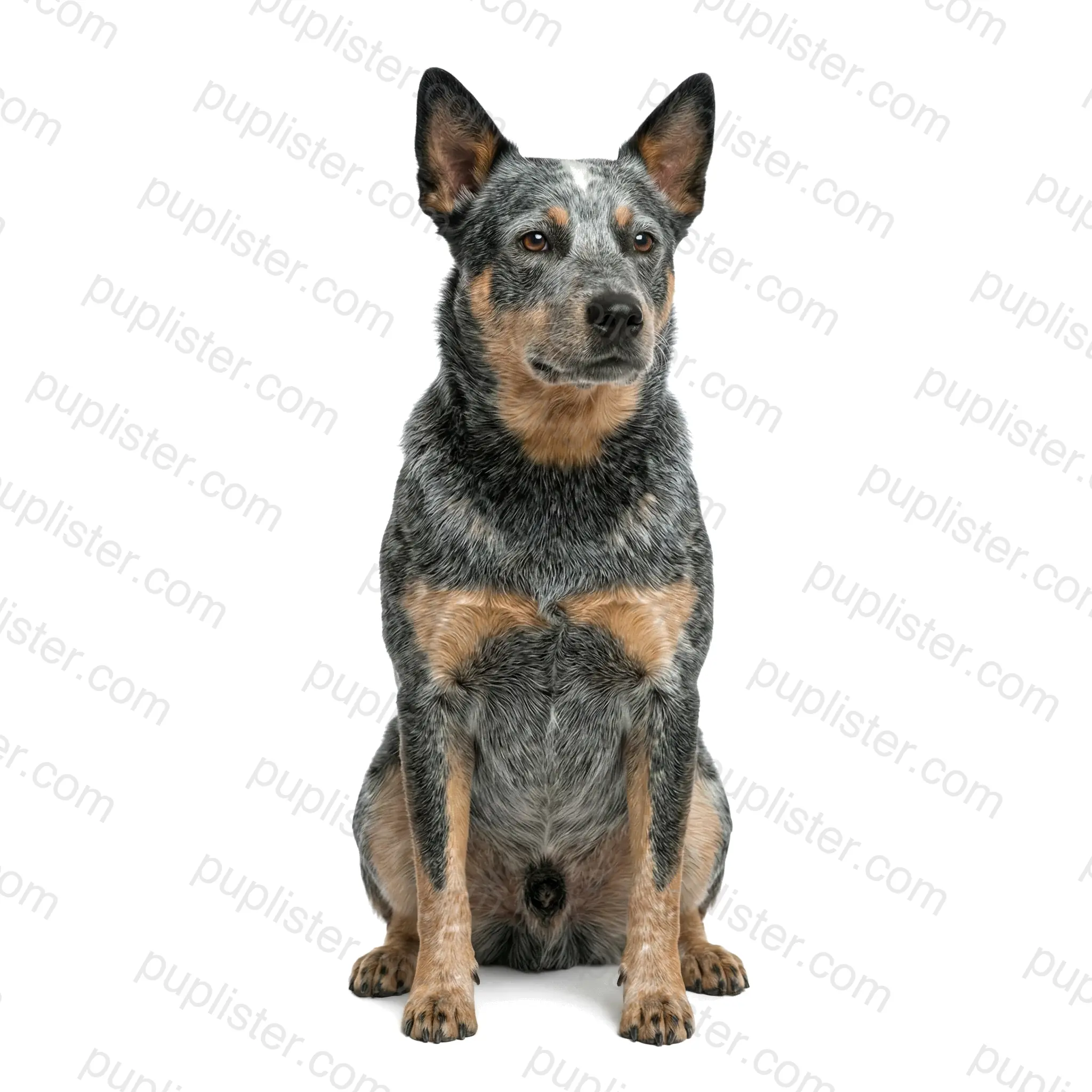
About the Australian Cattle Dog The Australian Cattle Dog — also known as the Blue Heeler or Red Heeler — was developed in 19th-century Australia by crossing native Dingoes with Collies and Dalmatians to create the ultimate cattle-herding dog. Compact and muscular, they stand 17–20 inches tall and weigh 35–50 pounds, with a sturdy build designed for all-day work in harsh outback conditions. Their distinctive short double coat comes in two color patterns — blue or blue-mottled and red speckled — and sheds moderately year-round.Temperament & PersonalityAustralian Cattle Dogs are intensely loyal, highly intelligent, and tireless workers — they need a job to do or they will invent one, often to their owner's dismay. They bond deeply with one person and can be velcro dogs, following their favorite human everywhere. They are naturally cautious with strangers and may nip at heels — a herding instinct that needs to be redirected — but they are fiercely devoted companions for active owners.ProsExceptionally intelligent and trainable — they excel in agility, herding trials, and obedienceHardy and healthy with a long lifespan averaging 12–16 yearsCompact size makes them manageable while still being robust enough for outdoor workLow grooming requirements with their short, weather-resistant coatConsExtremely high energy — requires 1–2 hours of vigorous exercise dailyTendency to nip and herd children, other pets, and even adultsCan become destructive, anxious, or obsessive without adequate mental stimulationProne to progressive retinal atrophy, deafness, and hip dysplasiaThink you can keep up with an Australian Cattle Dog? Find your energetic companion on Puplister.
24 pets available
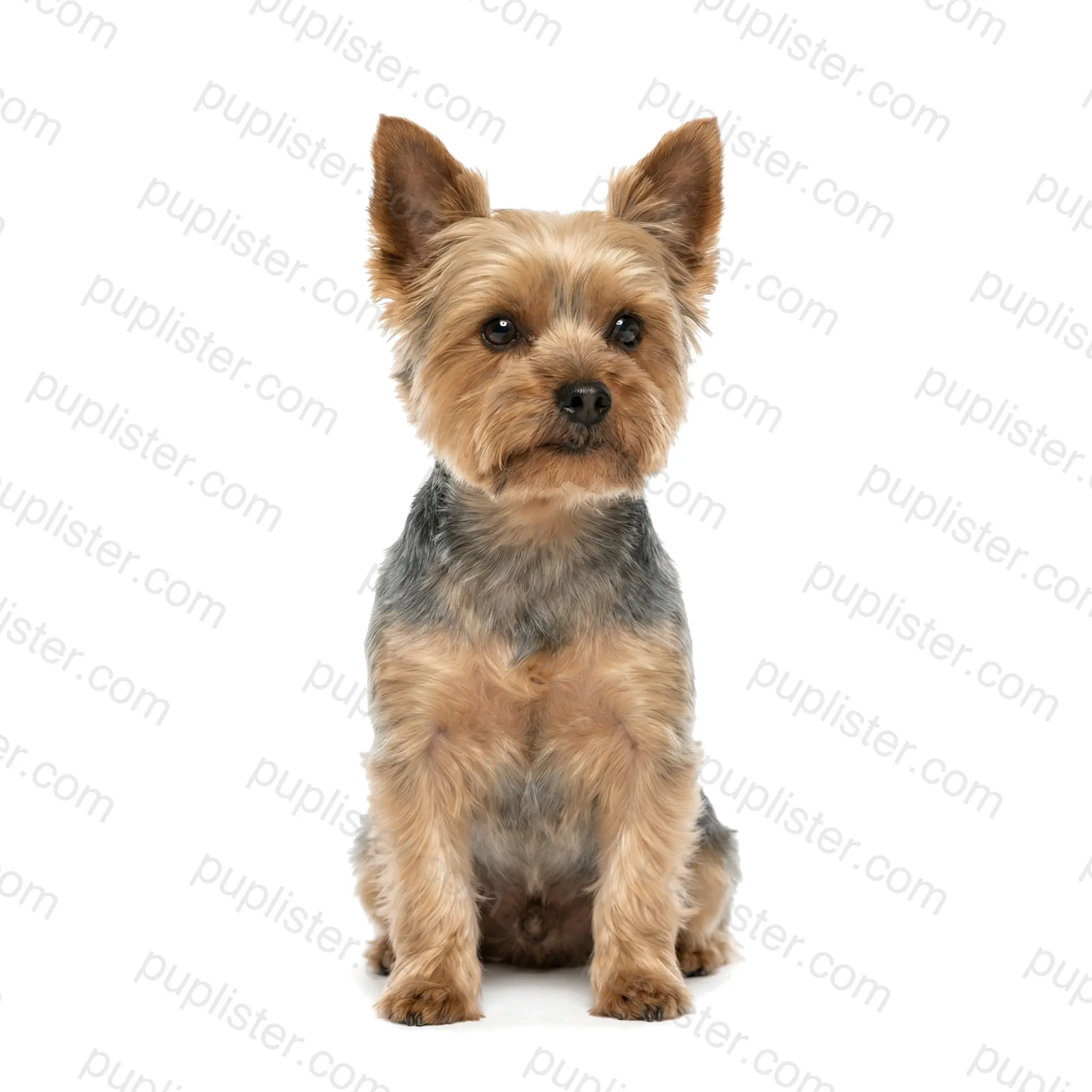
About the Yorkshire Terrier The Yorkshire Terrier was developed in the mid-19th century in the English counties of Yorkshire and Lancashire by working-class weavers who bred small terriers to catch rats in textile mills and coal mines. Despite their current status as a glamorous toy breed, these feisty dogs retain every bit of their terrier courage in a tiny 7-pound, 7-to-8-inch frame. Their signature floor-length, silky coat is steel blue on the body and rich golden tan on the head and legs — a single-layer coat that grows continuously and is remarkably similar to human hair in texture. Temperament & Personality Yorkshire Terriers are bold, confident, and fiercely loyal — they carry themselves with a self-importance that far exceeds their diminutive stature, never hesitating to challenge dogs ten times their size. They are deeply attached to their owners and can be wonderful companions for adults and older children, though their small size and feisty temperament make them a poor fit for rough play with toddlers. Yorkies are intelligent, curious, and entertaining, bringing big-dog energy and attitude to the smallest package in the terrier world. Pros Minimal shedding — silky coat is more similar to hair than furTiny size ideal for apartments, travel, and urban livingBold watchdog temperament — always alert to unusual activityLong lifespan of 11 to 15 years with proper care Cons Fragile — easily injured by falls, being sat on, or rough handlingLong coat demands daily brushing or regular professional groomingProne to tracheal collapse, patellar luxation, portosystemic shunt, and dental diseaseCan be difficult to housetrain and may develop snappish behavior if overindulged Yorkshire Terriers prove that the best things truly come in small packages — find your Yorkie on Puplister.
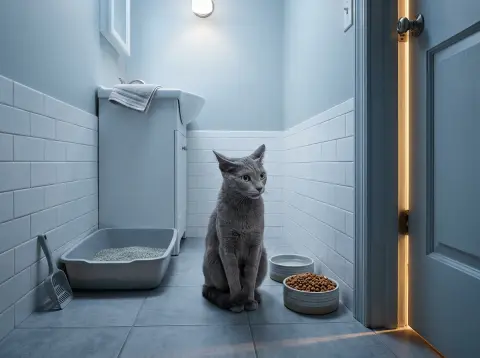
Adopted cat meowing all night? Discover why it happens, how to create a calm environment, and a realistic timeline to quiet nighttime meows.
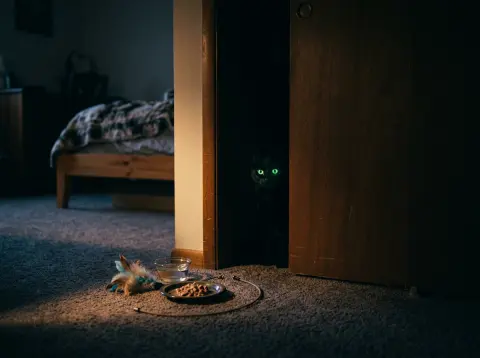
Is your adopted cat not eating? Learn the causes, from stress to past trauma, and discover practical solutions to get your new feline friend eating again.
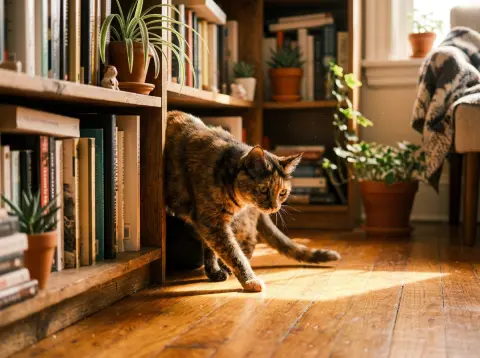
Is your new cat hiding and won't come out? It's normal, but proactive steps can help. Learn how to build trust with your shy adopted cat.
Discover how long it takes for a rescue cat to feel at home with our experienced guide, covering the 3-3-3 rule and actionable tips.