Akita Akita

Akita

6
Loyal Courageous Dignified Protective

About the Akita

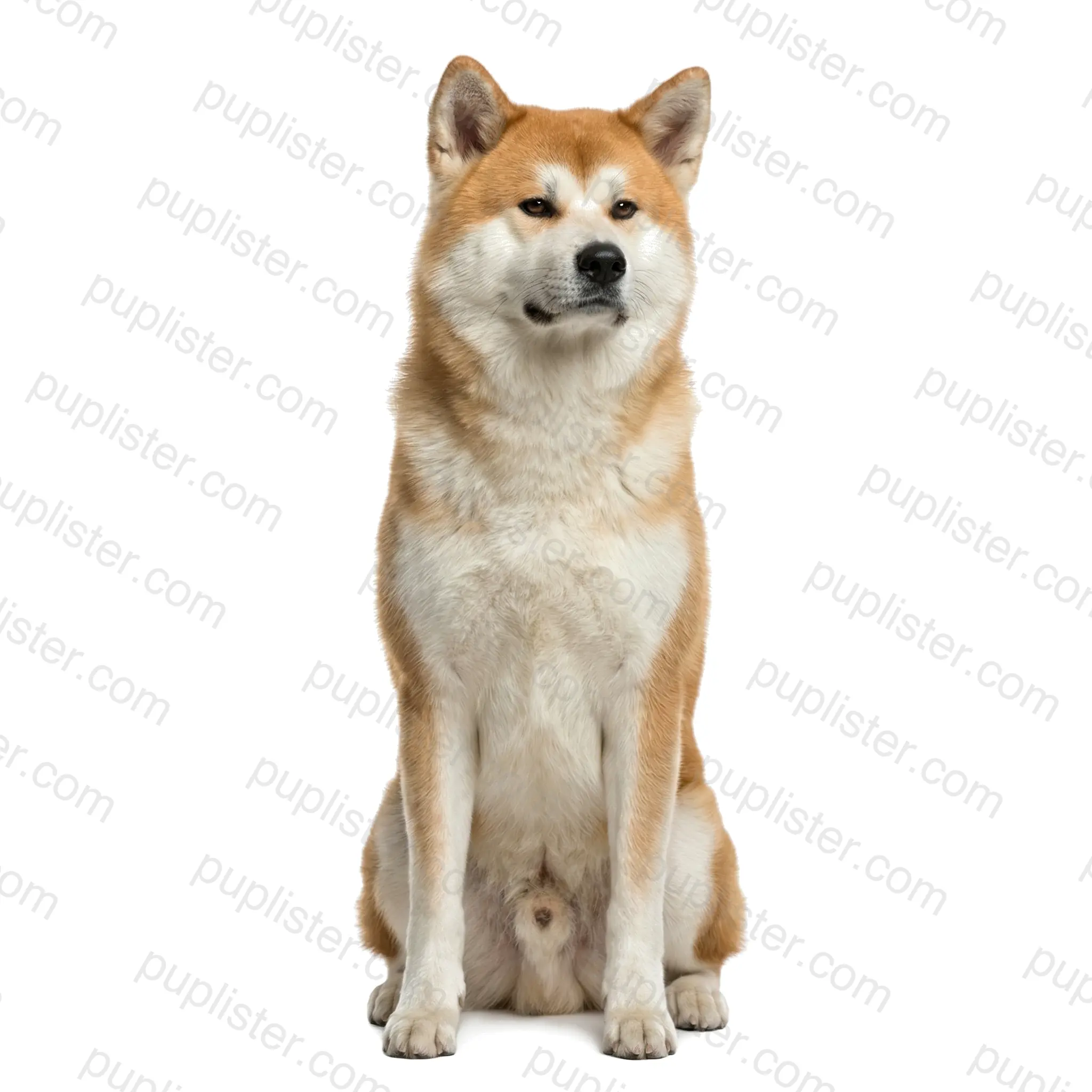
The Akita is a powerful, noble breed originating from the mountainous regions of northern Japan, where it was bred to hunt wild boar, deer, and even bears. Males stand 26–28 inches tall and weigh 100–130 pounds, while females are slightly smaller at 24–26 inches and 70–100 pounds. The breed has a thick double coat that comes in several colors — including white, brindle, and pinto — and sheds heavily twice a year during seasonal "blowouts."

Temperament & Personality

Akitas are fiercely loyal and protective of their families, often forming an especially deep bond with one primary person. They are naturally reserved and wary of strangers, making them excellent guard dogs without excessive barking. While they can be gentle with children in their own family, Akitas generally do not tolerate other dogs well — particularly dogs of the same sex — and require experienced handling.

Pros

  • Exceptionally loyal — the breed's devotion is legendary, as exemplified by the famous Hachiko
  • Naturally clean and cat-like in grooming habits
  • Quiet breed that rarely barks unnecessarily
  • Imposing presence serves as an effective deterrent to intruders

Cons

  • Strong same-sex dog aggression makes multi-dog households challenging
  • Heavy seasonal shedding requires frequent brushing and cleanup
  • Dominant personality demands an experienced, confident owner
  • Prone to autoimmune disorders, hip dysplasia, and bloat (gastric torsion)

Discover loyal Akitas waiting for their forever homes — explore adoptable Akitas on Puplister now.

Akita Quick Facts

Size
70–130 lbs, 24–28 in
Lifespan
10–13 years
Exercise
Moderate
Grooming
High
Good with Kids
Not recommended
Good with Pets
Not recommended

Is the Akita right for you?

Answer 5 quick questions to see how well this breed matches your lifestyle.

Take the Quiz

Available Akitas

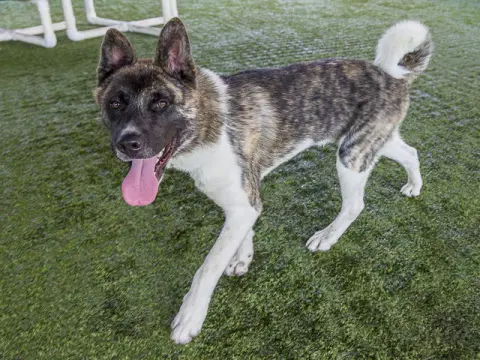
Trevor
Adult 1
Trevor
M

Akita

Ring Dog Rescue · Richmond, VA
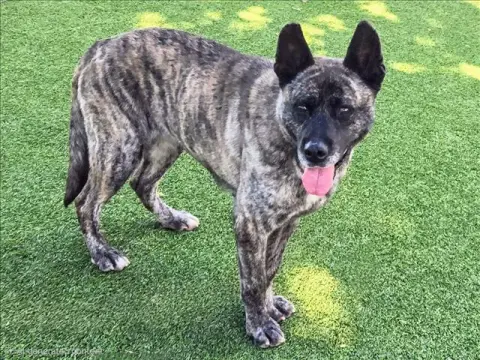
Lenny
Adult 2
Lenny
L

German Shepherd Dog / Akita

Calgary Animal & Bylaw Services · Calgary, CA
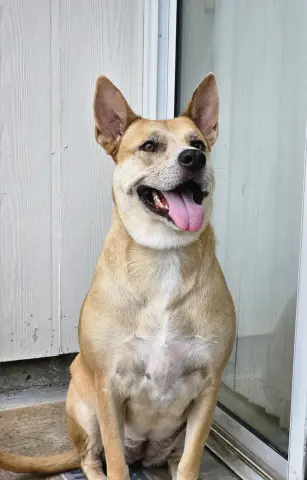
Lewis
Adult
Lewis
L

Akita / Siberian Husky

Maricopa County Animal Care And Control East Valley Animal Care Center · Mesa, AZ
Ginger
Baby 2
Ginger
L

Akita

Orange County Animal Services · Chapel Hill, NC
Keemo
Adult 2
Keemo
L

Akita

Los Angeles County Animal Control · Baldwin Park, CA
Onyx
Young 2
Onyx
M

Akita

Harbor Animal Care And Control Center · San Pedro, CA
Tigger
Young 1
Tigger
L

Boxer / Akita

Maricopa County Animal Care And Control East Valley Animal Care Center · Mesa, AZ
Curly Sue
Adult 4

Akita / Great Pyrenees

Bluebonnet Animal Rescue Network · Whitewright, TX

Related Breeds

Soft Coated Wheaten Terrier

10 pets available

30

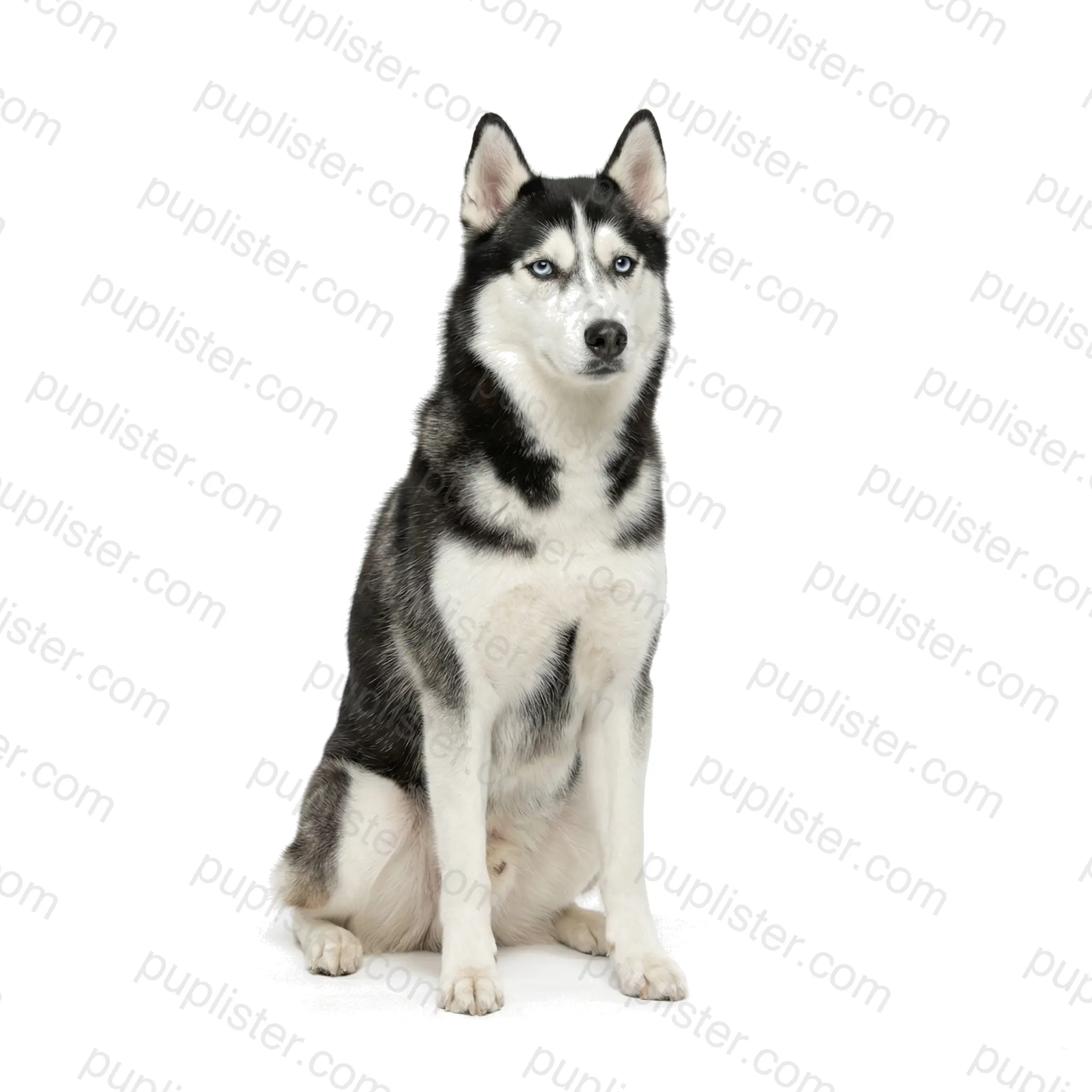
About the Soft Coated Wheaten Terrier The Soft Coated Wheaten Terrier originated in Ireland over 200 years ago as an all-purpose farm dog — herding livestock, guarding property, and dispatching vermin, earning it the nickname "the poor man's wolfhound." These medium-sized dogs stand 17 to 19 inches tall and weigh 30 to 40 pounds, with a sturdy, compact build beneath their distinctive coat. Their single-layer, silky, wavy coat matures from a dark puppy color to its signature warm wheaten gold by about two years of age — and unlike most terriers, it is soft rather than wiry. Temperament & Personality Soft Coated Wheaten Terriers are exuberant, affectionate, and joyful — known for their characteristic "Wheaten greeting" where they enthusiastically jump up to lick faces, which can be endearing or problematic depending on the recipient. They are deeply devoted to their families, excellent with children, and more tolerant of other dogs than many terrier breeds. Their happy, bouncy energy remains well into adulthood, and they approach life with an infectious enthusiasm that brightens any household. Pros Single coat sheds minimally — more suitable for allergy-sensitive householdsFriendly and exuberant — loves people and gets along with children and other dogsLess aggressive and territorial than many other terrier breedsVersatile and athletic — enjoys agility, hiking, and active family life Cons Coat requires daily brushing and regular professional grooming to prevent mattingProne to protein-losing nephropathy and protein-losing enteropathy — serious breed-specific conditionsJumping and exuberant greeting behavior can be difficult to manageCan be stubborn during training and requires patient, consistent methods The Wheaten Terrier's joyful spirit and soft golden coat are hard to resist — discover available Wheatens on Puplister.

Vizsla
Vizsla Dog

19 pets available

8

About the Vizsla The Vizsla is Hungary's national dog, with origins tracing back over 1,000 years to the Magyar tribes who settled the Carpathian Basin and needed a versatile pointer-retriever for the plains. These lean, athletic dogs stand 21 to 24 inches tall and weigh 44 to 60 pounds, with a distinctively sleek, muscular build and an elegant, ground-covering gait. Their short, smooth coat comes exclusively in various shades of golden rust — from sandy gold to deep russet — with no undercoat, giving them a clean, low-maintenance appearance. Temperament & Personality Vizslas are affectionate, energetic, and extraordinarily people-oriented — often called "Velcro dogs" because they want to be in constant physical contact with their owners. They are gentle and patient with children, friendly with other dogs, and possess a sensitivity that makes them responsive to their family's moods. Vizslas form such intense bonds that they can suffer severe separation anxiety if left alone regularly — they truly need to be included in daily family life. Pros Exceptionally affectionate and forms deep, devoted bonds with familyVersatile athlete — excels in hunting, agility, dock diving, and trackingLow-maintenance coat with minimal shedding and no doggy odorGentle, sensitive nature makes them excellent therapy dogs Cons Severe separation anxiety — cannot tolerate being left alone for long periodsExtremely high exercise needs — requires 1 to 2 hours of vigorous activity dailyProne to epilepsy, hip dysplasia, and lymphosarcomaThin coat and low body fat make them uncomfortable in cold weather If you want a devoted, athletic companion who'll never leave your side, find your Vizsla on Puplister.

Weimaraner

18 pets available

19

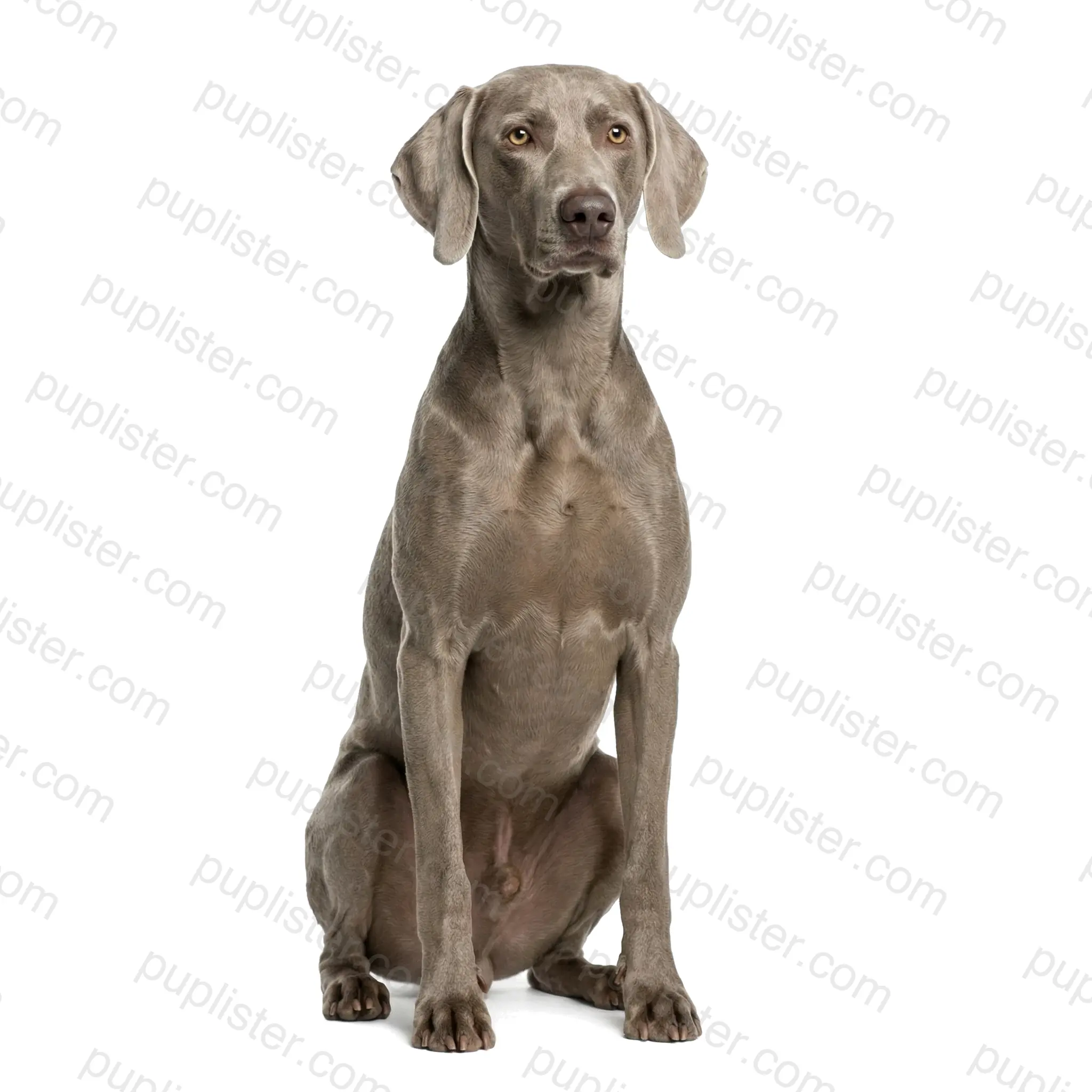
About the Weimaraner The Weimaraner was developed in the early 19th century at the court of Weimar in Germany, where nobles bred these dogs to hunt large game — boar, bear, and deer — before transitioning them to bird dog duties as large game became scarce. These striking, athletic dogs stand 23 to 27 inches tall and weigh 55 to 90 pounds, with a sleek, powerful build designed for speed and endurance. Their distinctive short, smooth coat comes in shades of mouse-gray to silver-gray — earning them the nickname "Gray Ghost" — complemented by striking amber or blue-gray eyes. Temperament & Personality Weimaraners are fearless, friendly, and intensely devoted to their families — they crave human companionship and do not do well as kennel or outdoor-only dogs. They are energetic and playful with children, generally sociable with other dogs, and possess an intelligence that demands both physical and mental outlets. Without adequate exercise and attention, Weimaraners become anxious, destructive, and can develop severe behavioral problems. Pros Strikingly beautiful with an unmistakable silver-gray appearanceVersatile sporting dog — excellent for hunting, running, and competitive eventsHighly intelligent and trainable with consistent, positive methodsShort coat requires minimal grooming and sheds only moderately Cons Extreme separation anxiety — one of the most prone breeds to this conditionRequires intense daily exercise — 2 or more hours of vigorous activity is typicalProne to bloat (gastric torsion), hip dysplasia, and hyperuricosuriaCan be destructive on a grand scale when bored or anxious — has been known to eat through drywall The "Gray Ghost" is a magnificent companion for the active and committed — discover Weimaraners on Puplister.

Staffordshire Bull Terrier

156 pets available

32

About the Staffordshire Bull Terrier The Staffordshire Bull Terrier was developed in 19th-century England's Staffordshire region from crosses between Bulldogs and various terriers, originally bred for bull-baiting and later as a compact, agile fighting dog — a history that belies its true nature as a devoted family companion. These muscular, athletic dogs stand 14 to 16 inches tall and weigh 24 to 38 pounds, packed with surprising strength and agility in a compact frame. Their smooth, short coat comes in red, fawn, white, black, blue, or brindle — with or without white markings. Temperament & Personality Staffordshire Bull Terriers are affectionate, courageous, and remarkably gentle with people — earning the nickname "nanny dog" in England for their extraordinary patience and devotion to children. They adore human companionship, are playful well into adulthood, and form intensely loyal bonds with their families. While they can be assertive with other dogs, proper socialization from puppyhood typically produces a confident, well-adjusted adult that gets along with everyone. Pros Exceptionally affectionate and gentle with children and family membersCompact, muscular build well-suited for smaller homes and apartmentsLow-maintenance coat requiring only occasional brushingBrave and loyal — a devoted companion that thrives on human interaction Cons Can be dog-aggressive without careful socialization and managementBreed-specific legislation and housing restrictions in many jurisdictionsProne to hip and elbow dysplasia, L-2 hydroxyglutaric aciduria, and cataractsStrong and powerful — requires owners who can provide firm, consistent leadership Staffies are among the most devoted family dogs in existence — find a Staffordshire Bull Terrier on Puplister and see for yourself.

Related Articles

Frequently Asked Questions

What are the key traits of a Akita?
The Akita is known for being loyal, courageous, dignified and protective.
How many Akitas are available for adoption?
There are currently 31 Akitas available for adoption on Puplister. Browse the listings above to find your perfect match.
How do I adopt a Akita from Puplister?
To adopt a Akita, browse the available listings on this page, click on a pet you're interested in, and contact the shelter directly through their profile page.