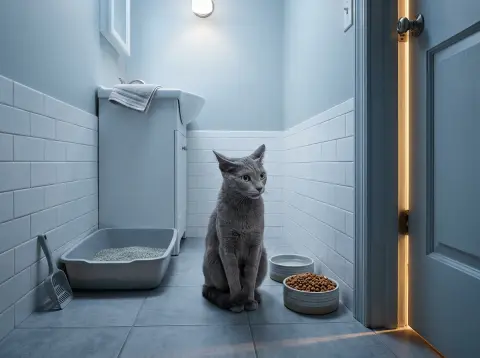
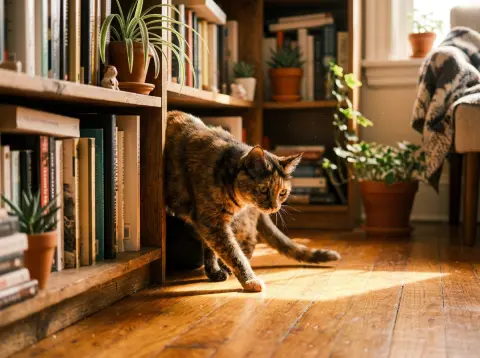
Adopted Cat Meowing All Night: How to Stop It
Adopted cat meowing all night? Discover why it happens, how to create a calm environment, and a realistic timeline to quiet nighttime meows.
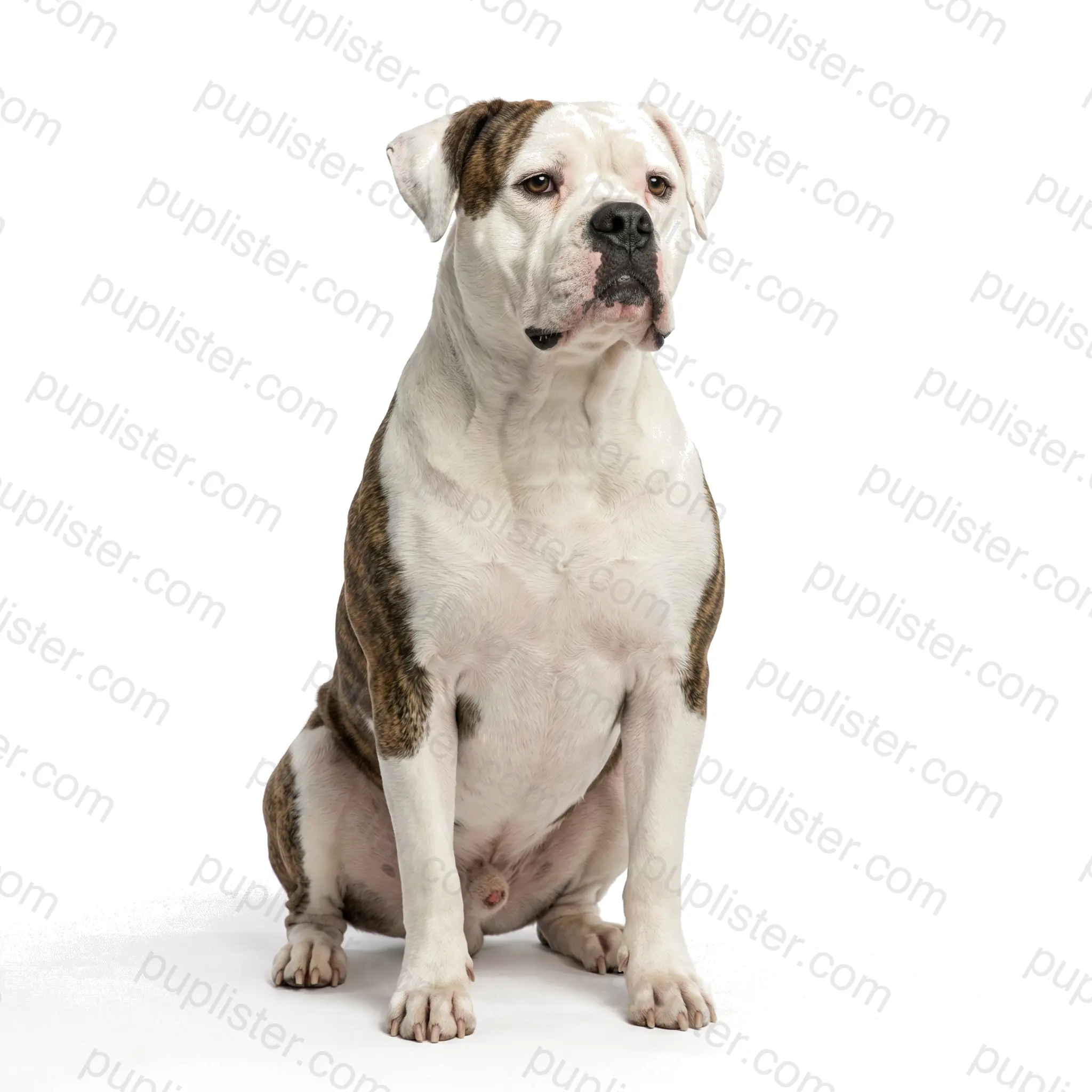
The American Bulldog is a muscular, athletic breed descended from the Old English Bulldog, brought to the American South by working-class immigrants in the 17th and 18th centuries. These powerful dogs stand 20–28 inches tall and weigh between 60 and 120 pounds, with males being significantly larger than females. They have a short, smooth coat that comes in white, white with patches of brindle, red, brown, or fawn — and requires minimal grooming beyond regular brushing.
American Bulldogs are confident, loyal, and deeply devoted to their families — they form strong bonds and are known for their gentle, protective nature around children. They are alert and courageous, making them natural watchdogs, but they are also surprisingly affectionate and enjoy being close to their people. Early socialization is essential, as they can be wary of unfamiliar dogs and strangers without proper exposure.
Give a strong, loving American Bulldog a second chance — find adoptable American Bulldogs on Puplister.
Answer 5 quick questions to see how well this breed matches your lifestyle.
33 pets available
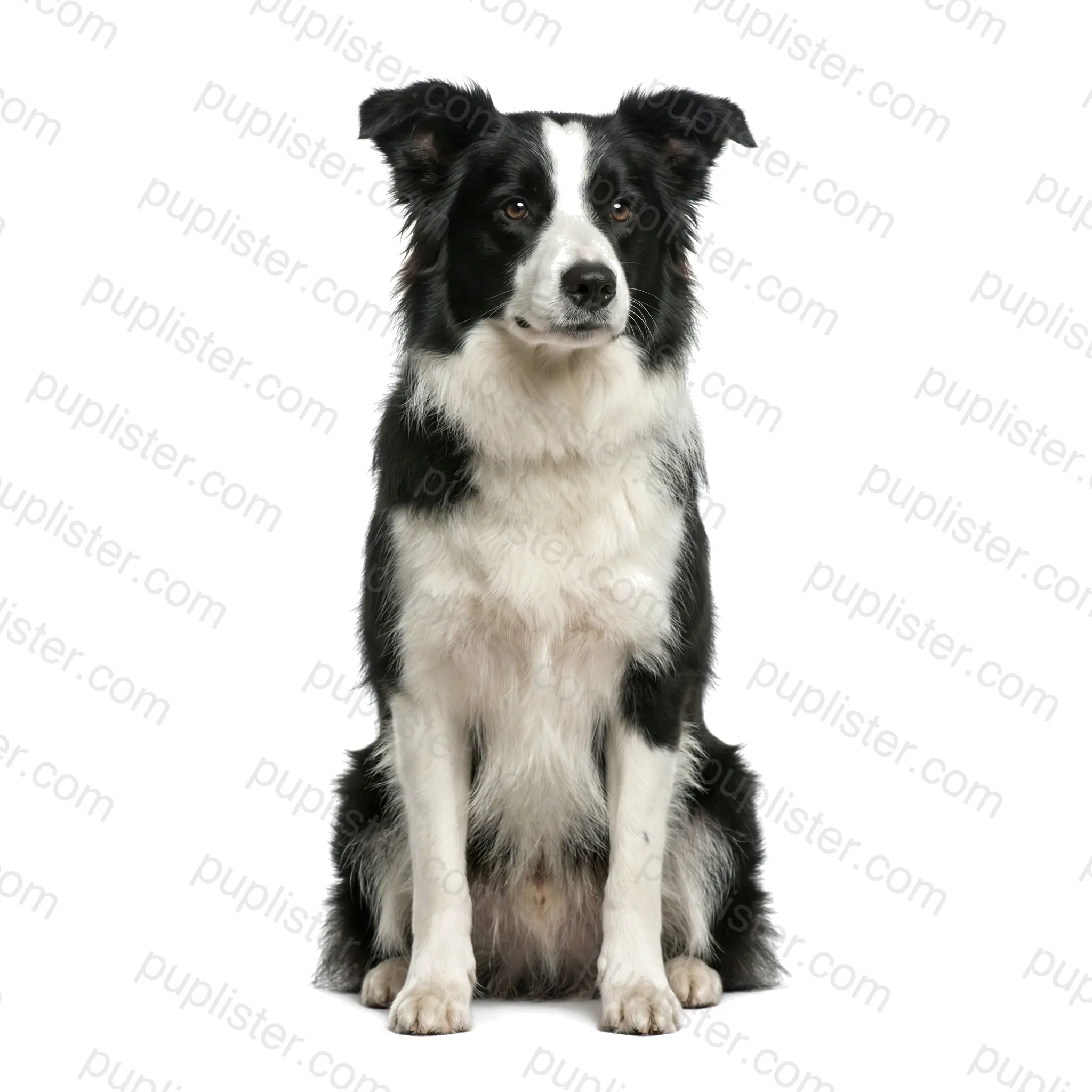
1About the Border Collie The Border Collie originated in the border region between Scotland and England, where it was refined over centuries into what many consider the most intelligent and capable herding dog in the world. Standing 18–22 inches tall and weighing 30–55 pounds, the Border Collie is a medium-sized, athletic dog with an intense, focused expression and a characteristic crouching herding stance. Their coat comes in two varieties — rough (medium-length) and smooth (short) — and appears in a wide range of colors and patterns, with black-and-white being the most iconic.Temperament & PersonalityBorder Collies are extraordinarily intelligent, driven, and sensitive — they are widely regarded as the smartest dog breed, capable of learning hundreds of words and complex sequences of commands. They are deeply devoted to their families and can be wonderful with children, though they may try to herd them. Their intense need for mental and physical stimulation means they are best suited for owners who can provide daily training, work, or competitive sport — a bored Border Collie is a destructive Border Collie.ProsConsidered the most intelligent dog breed — unmatched learning ability and problem-solving skillsExcels in virtually every canine sport — agility, flyball, disc dog, herding trials, and obedienceDeeply loyal and attuned to their owner's emotions and body languageGenerally healthy breed with a lifespan of 12–15 yearsConsRequires an extraordinary amount of daily mental and physical exercise — easily 2+ hoursCan develop neurotic behaviors — obsessive staring, shadow chasing, spinning — without adequate stimulationHerding instinct may cause them to nip at children, joggers, and cyclistsProne to epilepsy, Collie eye anomaly, and hip dysplasiaIf you're ready for the most rewarding canine partnership of your life, find adoptable Border Collies on Puplister.
60 pets available
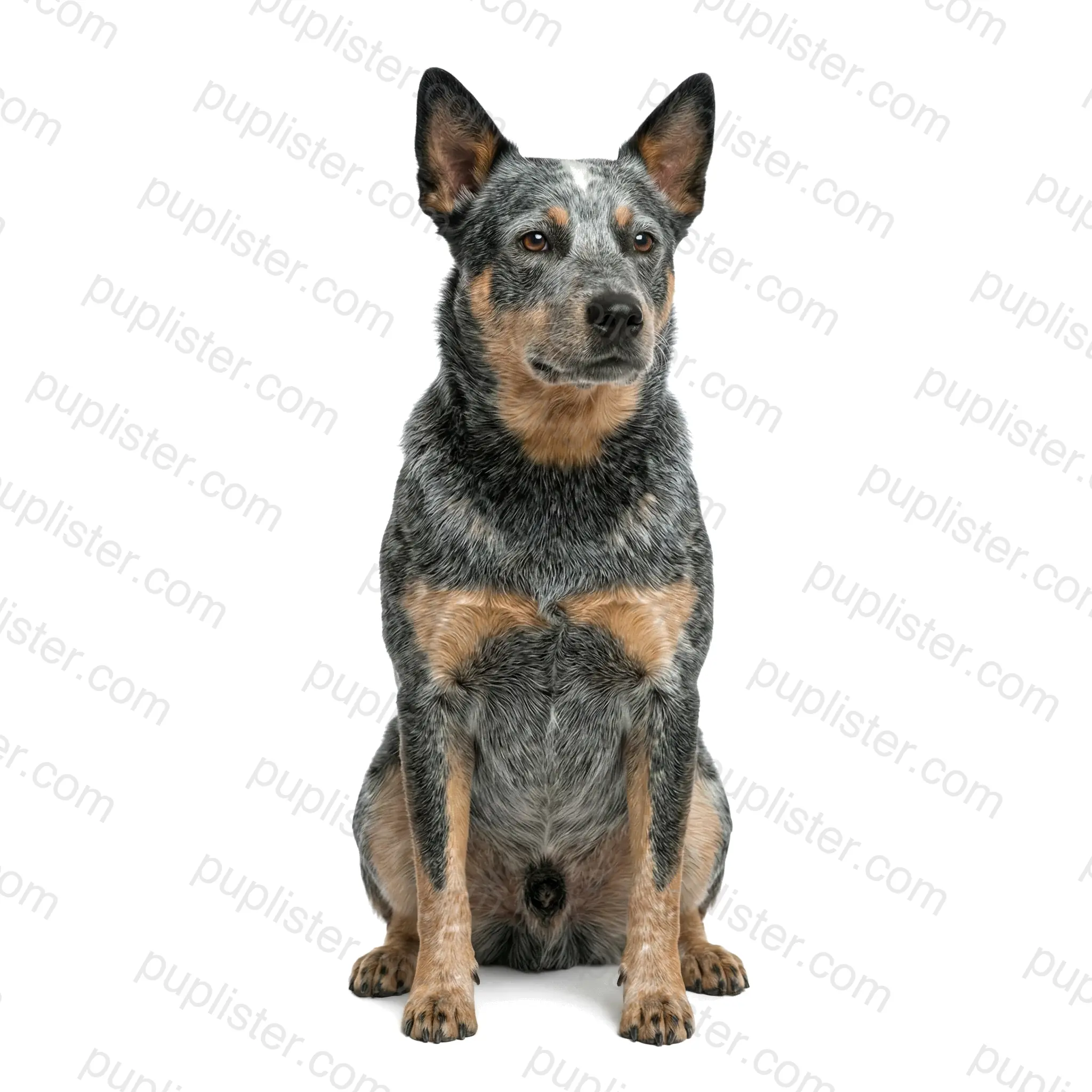
About the Australian Cattle Dog The Australian Cattle Dog — also known as the Blue Heeler or Red Heeler — was developed in 19th-century Australia by crossing native Dingoes with Collies and Dalmatians to create the ultimate cattle-herding dog. Compact and muscular, they stand 17–20 inches tall and weigh 35–50 pounds, with a sturdy build designed for all-day work in harsh outback conditions. Their distinctive short double coat comes in two color patterns — blue or blue-mottled and red speckled — and sheds moderately year-round.Temperament & PersonalityAustralian Cattle Dogs are intensely loyal, highly intelligent, and tireless workers — they need a job to do or they will invent one, often to their owner's dismay. They bond deeply with one person and can be velcro dogs, following their favorite human everywhere. They are naturally cautious with strangers and may nip at heels — a herding instinct that needs to be redirected — but they are fiercely devoted companions for active owners.ProsExceptionally intelligent and trainable — they excel in agility, herding trials, and obedienceHardy and healthy with a long lifespan averaging 12–16 yearsCompact size makes them manageable while still being robust enough for outdoor workLow grooming requirements with their short, weather-resistant coatConsExtremely high energy — requires 1–2 hours of vigorous exercise dailyTendency to nip and herd children, other pets, and even adultsCan become destructive, anxious, or obsessive without adequate mental stimulationProne to progressive retinal atrophy, deafness, and hip dysplasiaThink you can keep up with an Australian Cattle Dog? Find your energetic companion on Puplister.
3 pets available
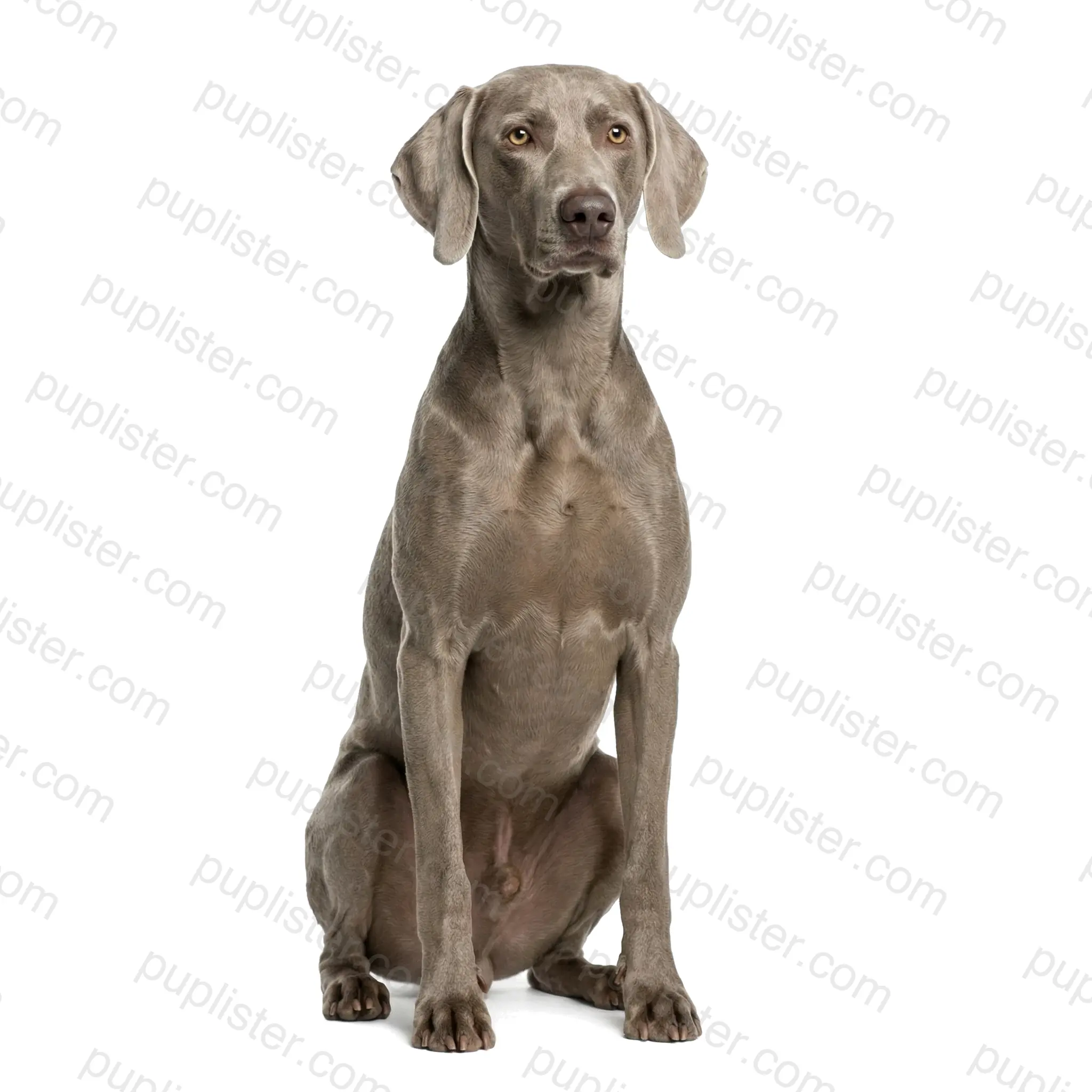
About the Weimaraner The Weimaraner was developed in the early 19th century at the court of Weimar in Germany, where nobles bred these dogs to hunt large game — boar, bear, and deer — before transitioning them to bird dog duties as large game became scarce. These striking, athletic dogs stand 23 to 27 inches tall and weigh 55 to 90 pounds, with a sleek, powerful build designed for speed and endurance. Their distinctive short, smooth coat comes in shades of mouse-gray to silver-gray — earning them the nickname "Gray Ghost" — complemented by striking amber or blue-gray eyes. Temperament & Personality Weimaraners are fearless, friendly, and intensely devoted to their families — they crave human companionship and do not do well as kennel or outdoor-only dogs. They are energetic and playful with children, generally sociable with other dogs, and possess an intelligence that demands both physical and mental outlets. Without adequate exercise and attention, Weimaraners become anxious, destructive, and can develop severe behavioral problems. Pros Strikingly beautiful with an unmistakable silver-gray appearanceVersatile sporting dog — excellent for hunting, running, and competitive eventsHighly intelligent and trainable with consistent, positive methodsShort coat requires minimal grooming and sheds only moderately Cons Extreme separation anxiety — one of the most prone breeds to this conditionRequires intense daily exercise — 2 or more hours of vigorous activity is typicalProne to bloat (gastric torsion), hip dysplasia, and hyperuricosuriaCan be destructive on a grand scale when bored or anxious — has been known to eat through drywall The "Gray Ghost" is a magnificent companion for the active and committed — discover Weimaraners on Puplister.
1 pet available
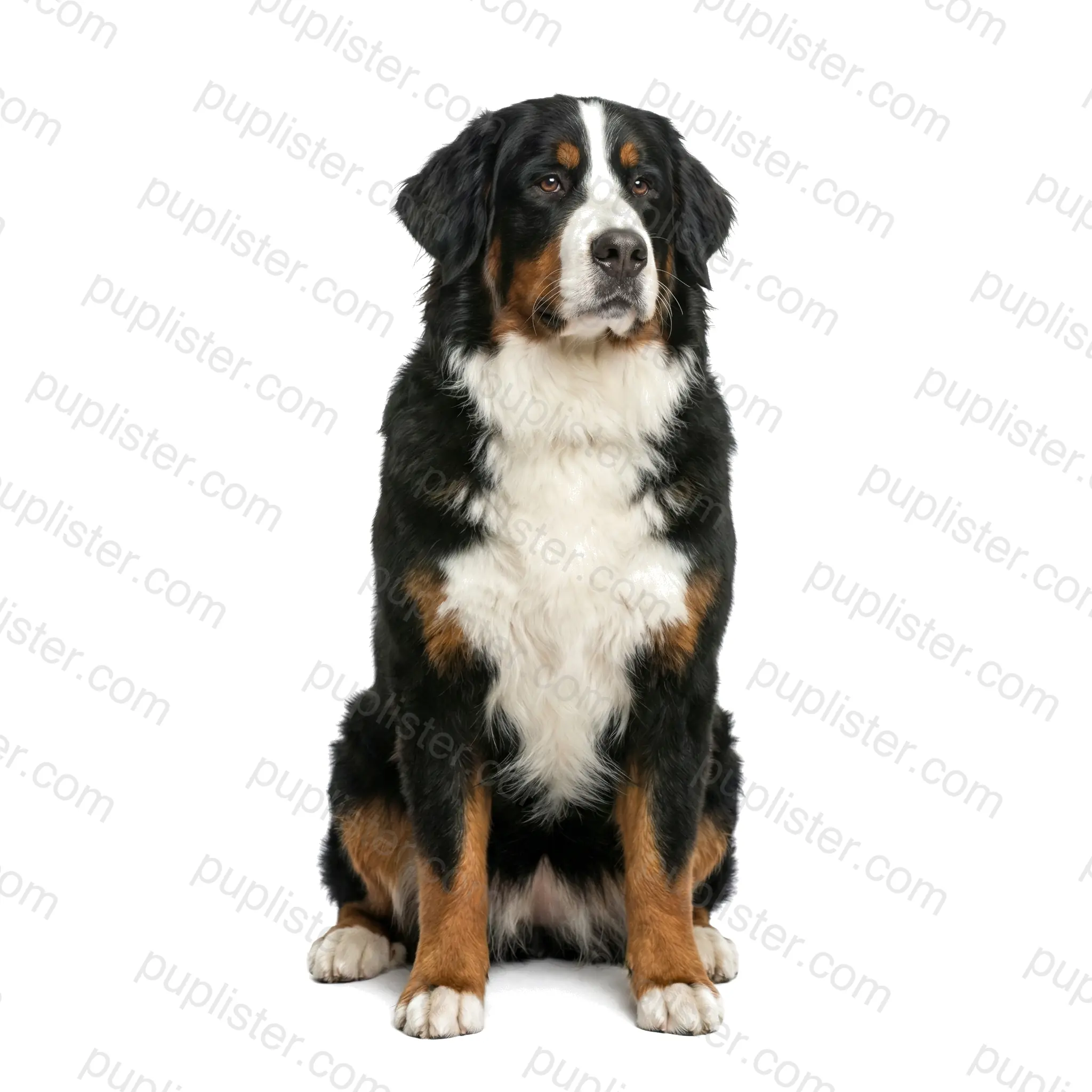
About the Bernese Mountain Dog The Bernese Mountain Dog — or Berner — originated in the Swiss Alps near the city of Bern, where it served as a versatile farm dog capable of drafting, herding, and guarding. These gentle giants stand 23–27.5 inches tall and weigh 70–115 pounds, with a sturdy, well-balanced frame built for mountain work. Their striking tri-color coat — jet black with rich rust and crisp white markings — is long, thick, and slightly wavy, designed to insulate against harsh alpine winters.Temperament & PersonalityBerners are calm, affectionate, and exceptionally good-natured — they are one of the most family-friendly large breeds, renowned for their patience and gentleness with children. They are eager to please and respond well to positive training methods, though they mature slowly and retain puppyish behavior longer than many breeds. They are friendly with other dogs and even cats, and their calm demeanor makes them excellent therapy dogs.ProsExceptionally gentle and patient with children — a true family dogEager to please and highly trainable with positive reinforcementCalm, steady temperament that adapts well to household routinesBeautiful, majestic appearance that commands admiration wherever they goConsTragically short lifespan — averaging only 6–8 years due to high cancer ratesHeavy shedding, especially during seasonal changes, requiring frequent groomingProne to hip and elbow dysplasia, histiocytic sarcoma, and bloatLarge size and drooling tendencies make them poorly suited for small living spacesBerners fill homes with warmth and love — discover adoptable Bernese Mountain Dogs on Puplister and welcome one into your family.
Adopted cat meowing all night? Discover why it happens, how to create a calm environment, and a realistic timeline to quiet nighttime meows.
Is your adopted cat not eating? Learn the causes, from stress to past trauma, and discover practical solutions to get your new feline friend eating again.
Is your new cat hiding and won't come out? It's normal, but proactive steps can help. Learn how to build trust with your shy adopted cat.
Discover how long it takes for a rescue cat to feel at home with our experienced guide, covering the 3-3-3 rule and actionable tips.