Adopted Cat Meowing All Night: How to Stop It
Adopted cat meowing all night? Discover why it happens, how to create a calm environment, and a realistic timeline to quiet nighttime meows.
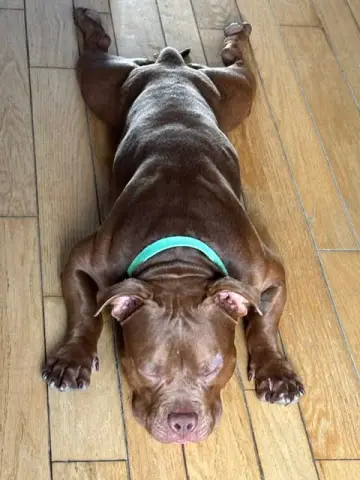
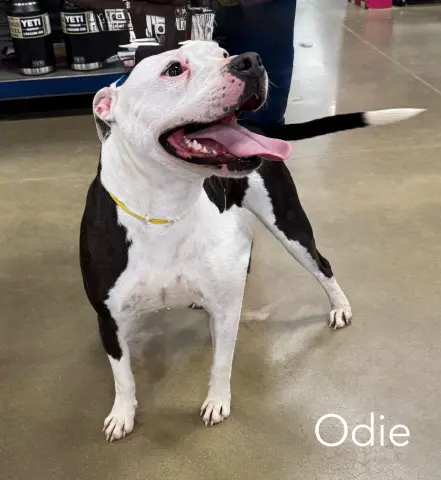
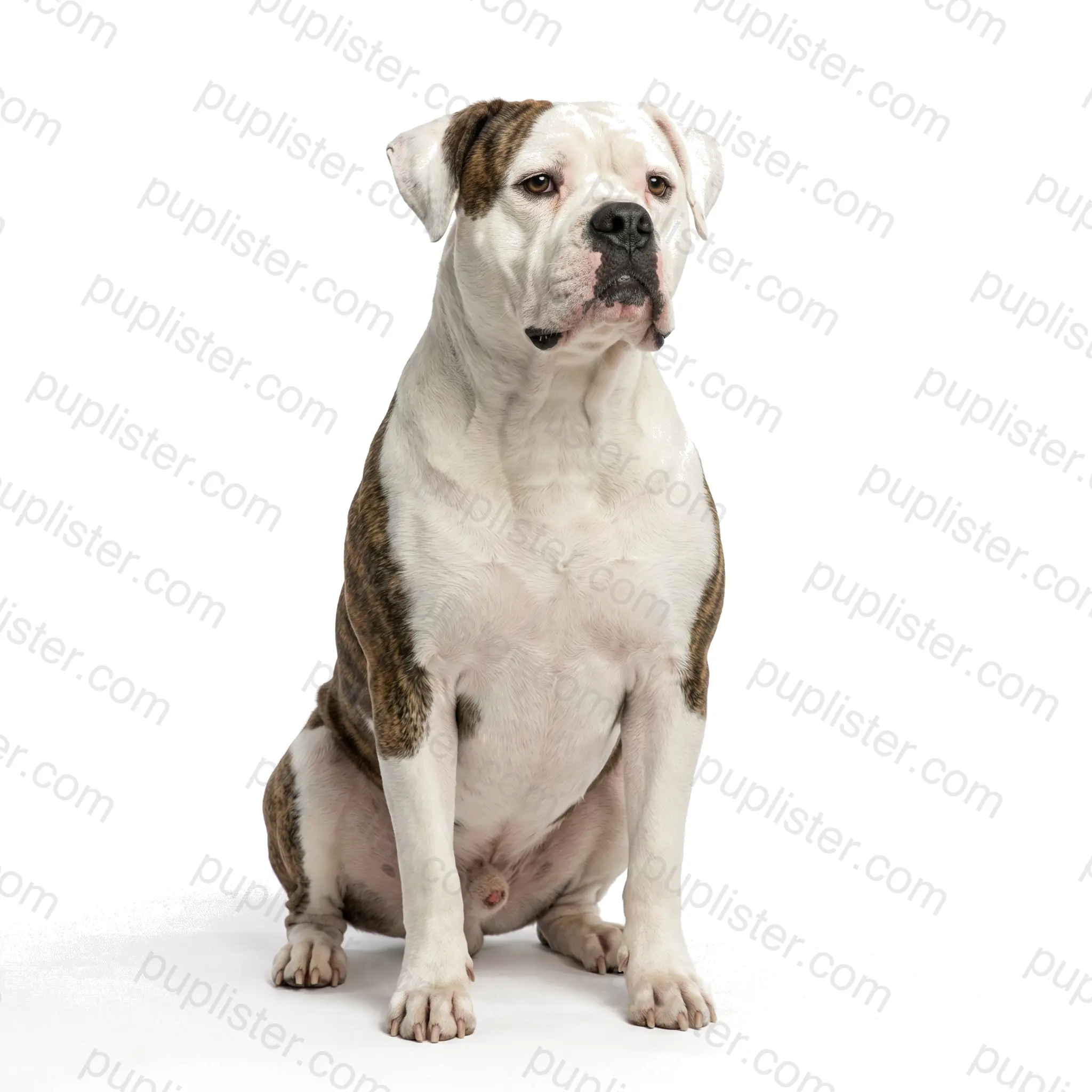
The American Bulldog is a muscular, athletic breed descended from the Old English Bulldog, brought to the American South by working-class immigrants in the 17th and 18th centuries. These powerful dogs stand 20–28 inches tall and weigh between 60 and 120 pounds, with males being significantly larger than females. They have a short, smooth coat that comes in white, white with patches of brindle, red, brown, or fawn — and requires minimal grooming beyond regular brushing.
American Bulldogs are confident, loyal, and deeply devoted to their families — they form strong bonds and are known for their gentle, protective nature around children. They are alert and courageous, making them natural watchdogs, but they are also surprisingly affectionate and enjoy being close to their people. Early socialization is essential, as they can be wary of unfamiliar dogs and strangers without proper exposure.
Give a strong, loving American Bulldog a second chance — find adoptable American Bulldogs on Puplister.
Answer 5 quick questions to see how well this breed matches your lifestyle.
1 pet available
1About the Chinese Crested The Chinese Crested is one of the most visually striking toy breeds, coming in two distinct varieties — the Hairless, with silky hair only on the head, feet, and tail, and the Powderpuff, covered in a soft, flowing double coat. Weighing 8–12 pounds and standing 11–13 inches tall, these elegant dogs likely originated in Africa before being refined by Chinese traders who used them as ratters on ships. The Hairless variety's exposed skin can be solid or spotted in shades of pink, black, slate, and chocolate.Temperament & PersonalityChinese Cresteds are deeply affectionate and almost cat-like in their love of perching on high surfaces and curling up under blankets. They're remarkably attuned to their owner's emotions — often described as velcro dogs who follow their person from room to room. They generally get along well with other pets and gentle children, though they can be timid around strangers without proper socialization.ProsHairless variety is ideal for allergy sufferers — produces minimal danderLow exercise needs — happy with short walks and indoor play sessionsExceptionally clean dogs with virtually no doggy odorHighly adaptable to apartment living and small spacesConsHairless variety requires sunscreen, moisturizer, and skin care to prevent acne and sunburnProne to dental issues — Hairless variety often has missing or crowded teethSusceptible to cold temperatures and needs protective clothing in winterCan develop severe separation anxiety if left alone for extended periodsLooking for an affectionate and unique companion? Check out Chinese Crested dogs available for adoption on Puplister.
3 pets available
3About the Anatolian Shepherd The Anatolian Shepherd — also known as the Kangal Shepherd Dog — hails from the Anatolian plateau of Turkey, where it has guarded livestock from wolves and bears for thousands of years. This imposing breed stands 27–29 inches tall and weighs 80–150 pounds, with males often exceeding 140 pounds of lean muscle. Their short to medium-length double coat comes in fawn with a distinctive black mask, though brindle, white, and pinto variations also occur.Temperament & PersonalityAnatolian Shepherds are independent, intelligent, and territorial — they were bred to make decisions on their own while guarding flocks, and that self-reliance is deeply ingrained. They are calm and affectionate with their family but reserved and suspicious of strangers, making them exceptional guardian dogs. They can coexist with children and other pets they've been raised with, but their guarding instinct means they need owners who understand livestock guardian breed behavior.ProsSupreme livestock and property guardian — few breeds match their protective instinctsLow-energy indoors despite their size, content to patrol and observeHardy and healthy breed with relatively few genetic health problemsRemarkably low grooming needs for a large-breed dogConsExtremely independent and not naturally inclined to obey commands without questionRequires a large, securely fenced property — not suited for apartment or suburban lifeCan be aggressive toward unfamiliar dogs and people without extensive socializationTheir booming bark — used to ward off predators — can be a problem in residential areasIf you have the space and experience for this magnificent guardian, explore adoptable Anatolian Shepherds on Puplister.
8 pets available
2About the Shar-Pei The Chinese Shar-Pei is an ancient breed dating back over 2,000 years to the Han Dynasty in southern China, where it served as a versatile farm dog — guarding property, herding livestock, and even fighting in pits. These distinctive medium-sized dogs stand 18 to 20 inches tall and weigh 45 to 60 pounds, with a broad, hippopotamus-like muzzle and a blue-black tongue shared only with the Chow Chow. Their loose, deeply wrinkled skin and harsh, sandpaper-textured coat (the name literally means "sand skin") come in solid colors including fawn, red, black, chocolate, blue, and cream. Temperament & Personality Shar-Peis are calm, independent, and deeply devoted to their families — forming powerful bonds while remaining aloof and suspicious of strangers, which makes them excellent natural guardians. They tend to be clean, quiet dogs at home, often compared to cats in their self-sufficient demeanor. However, they can be territorial with other dogs, especially those of the same sex, and early socialization is critical to prevent aggression. Pros Naturally clean and quiet — easily housetrained and rarely barks without causeLoyal and protective without needing guard trainingCalm indoor demeanor suitable for apartment livingUnique, striking appearance that draws admiration everywhere Cons Shar-Pei Fever (autoinflammatory disease) is a serious breed-specific health riskSkin folds require regular cleaning to prevent infections and dermatitisProne to entropion (eyelids rolling inward), ear infections, and hypothyroidismCan be dog-aggressive and requires early, ongoing socialization The Shar-Pei's distinctive looks and devoted nature make it truly unforgettable — find available Shar-Peis on Puplister.
1 pet available
1About the West Highland White Terrier The West Highland White Terrier — universally known as the "Westie" — was developed in Scotland's western highlands during the 19th century, selectively bred from Cairn Terrier stock for its white coat to be more visible against the dark highland terrain while hunting foxes, badgers, and rats. These sturdy little dogs stand 10 to 11 inches tall and weigh 15 to 20 pounds, with a compact, balanced build and surprisingly strong legs for their size. Their double coat features a hard, straight white outer layer and a soft, dense undercoat — always pure white without exception. Temperament & Personality Westies are confident, entertaining, and surprisingly tough — carrying the classic terrier self-assurance in a friendly, less aggressive package than many of their terrier relatives. They are affectionate with their families, generally good with older children, and possess an independent, adventurous spirit that keeps life interesting. Westies are social dogs that enjoy meeting people, though they can be assertive with other dogs and retain a strong instinct to chase anything that moves. Pros Sturdy and adaptable — thrives in apartments, suburbs, and country settingsFriendly and sociable without the extreme aggression of some terrier breedsPortable size with a big, confident personalityAlert watchdog that will reliably announce visitors Cons Prone to atopic dermatitis and skin allergies — one of the most affected breedsCoat requires regular professional grooming or hand-stripping every 6 to 8 weeksCan be stubborn and willful during training — responds best to positive methodsTendency to dig and bark, especially when bored or left in the yard Westies bring Scottish charm and terrier spirit into every home — find your white-coated companion on Puplister.
Adopted cat meowing all night? Discover why it happens, how to create a calm environment, and a realistic timeline to quiet nighttime meows.
Is your adopted cat not eating? Learn the causes, from stress to past trauma, and discover practical solutions to get your new feline friend eating again.
Is your new cat hiding and won't come out? It's normal, but proactive steps can help. Learn how to build trust with your shy adopted cat.
Discover how long it takes for a rescue cat to feel at home with our experienced guide, covering the 3-3-3 rule and actionable tips.