Cat Losing Hair in Patches: Causes and Fixes
Is your cat losing hair in patches? Discover common causes, from stress to parasites, and expert fixes to help your feline friend recover.
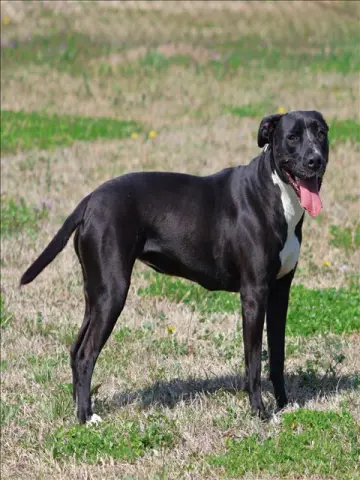
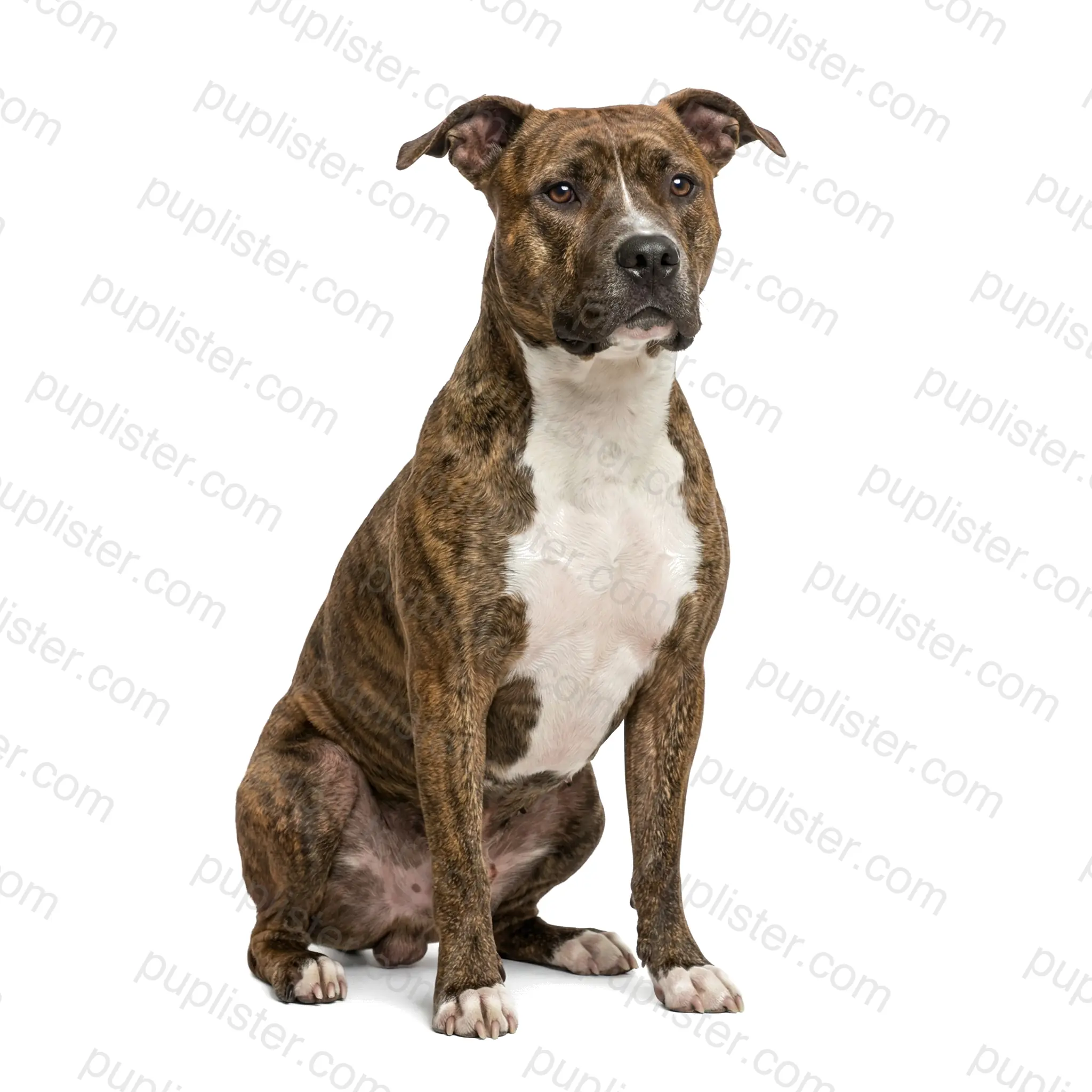
The American Pit Bull Terrier traces its roots to 19th-century England, where Bulldogs and Terriers were crossed to create a dog combining strength with agility. Standing 17–21 inches tall and weighing 30–60 pounds, the APBT is a medium-sized, solidly built dog with a broad chest and well-defined musculature. Their short, glossy coat comes in virtually every color and pattern — including blue, red, brindle, and merle — and is exceptionally easy to maintain.
Despite their often-misunderstood reputation, American Pit Bull Terriers are among the most people-oriented breeds — they are affectionate, eager to please, and frequently described as "nanny dogs" for their gentleness with children. They are intelligent, loyal, and enthusiastic about training when given positive reinforcement. However, some individuals may exhibit dog-selectivity, and responsible ownership includes understanding their terrier-driven tenacity.
These loving, misunderstood dogs deserve wonderful homes — browse adoptable Pit Bull Terriers on Puplister today.
Answer 5 quick questions to see how well this breed matches your lifestyle.
Labrador Retriever / American Pit Bull Terrier
36 pets available
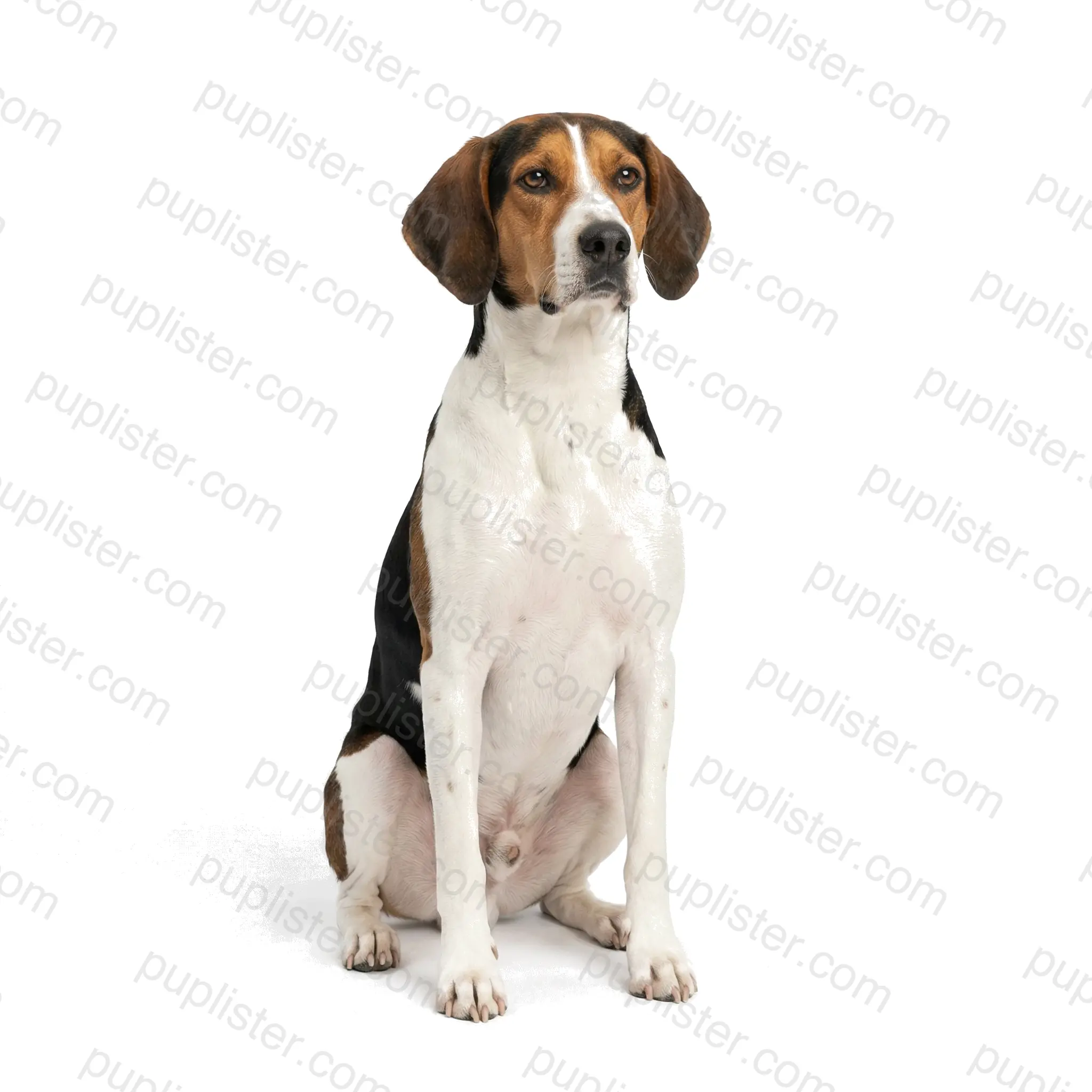
11About the Treeing Walker Coonhound The Treeing Walker Coonhound was developed in the United States from Walker Foxhounds in the mid-20th century, selectively bred for their exceptional ability to trail game and "tree" raccoons by chasing them up a tree and baying until the hunter arrives. These elegant, athletic hounds stand 20 to 27 inches tall and weigh 50 to 70 pounds, with a lean, muscular build and the classic tricolor pattern — white, black, and tan — reminiscent of their foxhound ancestry. Their short, smooth coat is dense and protective, well-suited for long hours working through brush and rough terrain. Temperament & Personality Treeing Walker Coonhounds are confident, intelligent, and affable — possessing a friendly, sociable nature that makes them enjoyable companions both in the field and at home. They are gentle with children, typically welcoming to strangers, and usually get along well with other dogs, especially those they've been raised with. Their hunting instincts run deep, however, and they can switch from couch potato to tireless tracker the moment an interesting scent crosses their path. Pros Friendly, easygoing temperament — excellent with families and other dogsLow-maintenance coat needing only weekly brushingSuperb endurance for hiking, running, and outdoor adventuresGenerally healthy breed with a lifespan of 12 to 13 years Cons Extremely vocal — loud baying and howling are a defining breed traitPowerful scent drive makes off-leash reliability very challengingRequires substantial daily exercise — bored Walkers can be destructiveProne to ear infections and hip dysplasia Treeing Walker Coonhounds bring athletic grace and a sweet disposition to any home — explore available listings on Puplister.
156 pets available
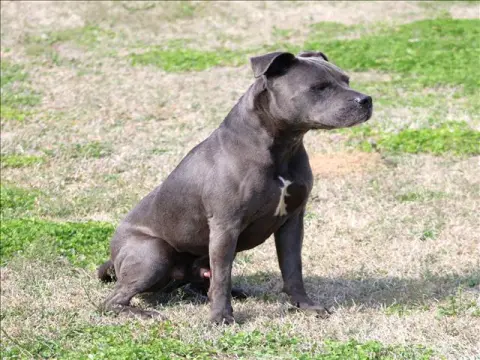
32About the Staffordshire Bull Terrier The Staffordshire Bull Terrier was developed in 19th-century England's Staffordshire region from crosses between Bulldogs and various terriers, originally bred for bull-baiting and later as a compact, agile fighting dog — a history that belies its true nature as a devoted family companion. These muscular, athletic dogs stand 14 to 16 inches tall and weigh 24 to 38 pounds, packed with surprising strength and agility in a compact frame. Their smooth, short coat comes in red, fawn, white, black, blue, or brindle — with or without white markings. Temperament & Personality Staffordshire Bull Terriers are affectionate, courageous, and remarkably gentle with people — earning the nickname "nanny dog" in England for their extraordinary patience and devotion to children. They adore human companionship, are playful well into adulthood, and form intensely loyal bonds with their families. While they can be assertive with other dogs, proper socialization from puppyhood typically produces a confident, well-adjusted adult that gets along with everyone. Pros Exceptionally affectionate and gentle with children and family membersCompact, muscular build well-suited for smaller homes and apartmentsLow-maintenance coat requiring only occasional brushingBrave and loyal — a devoted companion that thrives on human interaction Cons Can be dog-aggressive without careful socialization and managementBreed-specific legislation and housing restrictions in many jurisdictionsProne to hip and elbow dysplasia, L-2 hydroxyglutaric aciduria, and cataractsStrong and powerful — requires owners who can provide firm, consistent leadership Staffies are among the most devoted family dogs in existence — find a Staffordshire Bull Terrier on Puplister and see for yourself.
74 pets available
34About the Shih Tzu The Shih Tzu — meaning "lion dog" in Mandarin — was bred for centuries within the walls of the Chinese imperial palace, likely from crosses between the Lhasa Apso and the Pekingese. These small, sturdy dogs stand 9 to 10.5 inches tall and weigh 9 to 16 pounds, with a slightly longer body than they are tall and a proud, flowing gait. Their luxurious double coat grows continuously and can reach floor length, coming in virtually every color and combination, with a distinctive chrysanthemum-like pattern on the face where hair grows in all directions. Temperament & Personality Shih Tzus are affectionate, outgoing, and delightfully playful — bred solely as companion dogs, they have centuries of experience perfecting the art of being a devoted lapdog. They are friendly with nearly everyone, including children, strangers, and other pets, making them one of the most sociable toy breeds available. Shih Tzus are happy, adaptable, and surprisingly sturdy for their size, with a mischievous charm that keeps their families entertained. Pros Exceptionally friendly and sociable with people of all ages and other animalsLow exercise requirements — short walks and indoor play satisfy their needsMinimal shedding when coat is kept in a shorter "puppy clip"Adaptable and content in apartments, condos, and any living situation Cons Long coat demands daily brushing or frequent professional groomingBrachycephalic structure contributes to breathing issues and heat intoleranceProne to eye problems (proptosis, corneal ulcers), ear infections, and dental diseaseCan be stubborn about housetraining — patience and consistency are essential A Shih Tzu's sole mission in life is to love and be loved — find yours waiting on Puplister today.
11 pets available
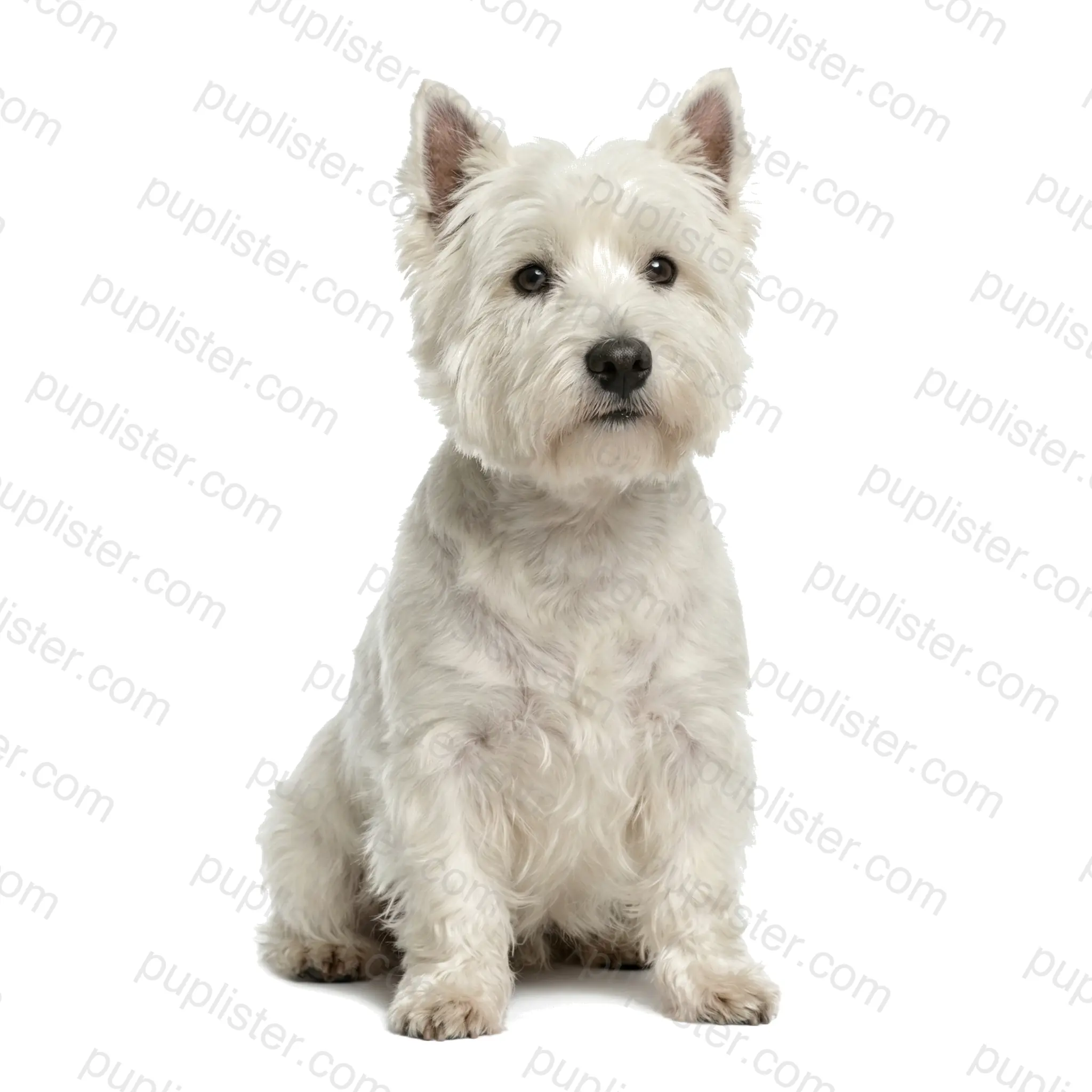
13About the West Highland White Terrier The West Highland White Terrier — universally known as the "Westie" — was developed in Scotland's western highlands during the 19th century, selectively bred from Cairn Terrier stock for its white coat to be more visible against the dark highland terrain while hunting foxes, badgers, and rats. These sturdy little dogs stand 10 to 11 inches tall and weigh 15 to 20 pounds, with a compact, balanced build and surprisingly strong legs for their size. Their double coat features a hard, straight white outer layer and a soft, dense undercoat — always pure white without exception. Temperament & Personality Westies are confident, entertaining, and surprisingly tough — carrying the classic terrier self-assurance in a friendly, less aggressive package than many of their terrier relatives. They are affectionate with their families, generally good with older children, and possess an independent, adventurous spirit that keeps life interesting. Westies are social dogs that enjoy meeting people, though they can be assertive with other dogs and retain a strong instinct to chase anything that moves. Pros Sturdy and adaptable — thrives in apartments, suburbs, and country settingsFriendly and sociable without the extreme aggression of some terrier breedsPortable size with a big, confident personalityAlert watchdog that will reliably announce visitors Cons Prone to atopic dermatitis and skin allergies — one of the most affected breedsCoat requires regular professional grooming or hand-stripping every 6 to 8 weeksCan be stubborn and willful during training — responds best to positive methodsTendency to dig and bark, especially when bored or left in the yard Westies bring Scottish charm and terrier spirit into every home — find your white-coated companion on Puplister.
Is your cat losing hair in patches? Discover common causes, from stress to parasites, and expert fixes to help your feline friend recover.
Looking for the best automatic dog feeder? We reviewed the top 3 models for every budget. Find the perfect feeder for your dog in 2026.
Worried about your cat throwing up after eating? Learn the common and serious causes of feline regurgitation and vomiting, plus expert vet tips for.
Found a lump on your dog? Learn when to worry and when to wait for a lump on my dog, especially for adopted pets with unknown histories.