Adopted Cat Meowing All Night: How to Stop It
Adopted cat meowing all night? Discover why it happens, how to create a calm environment, and a realistic timeline to quiet nighttime meows.
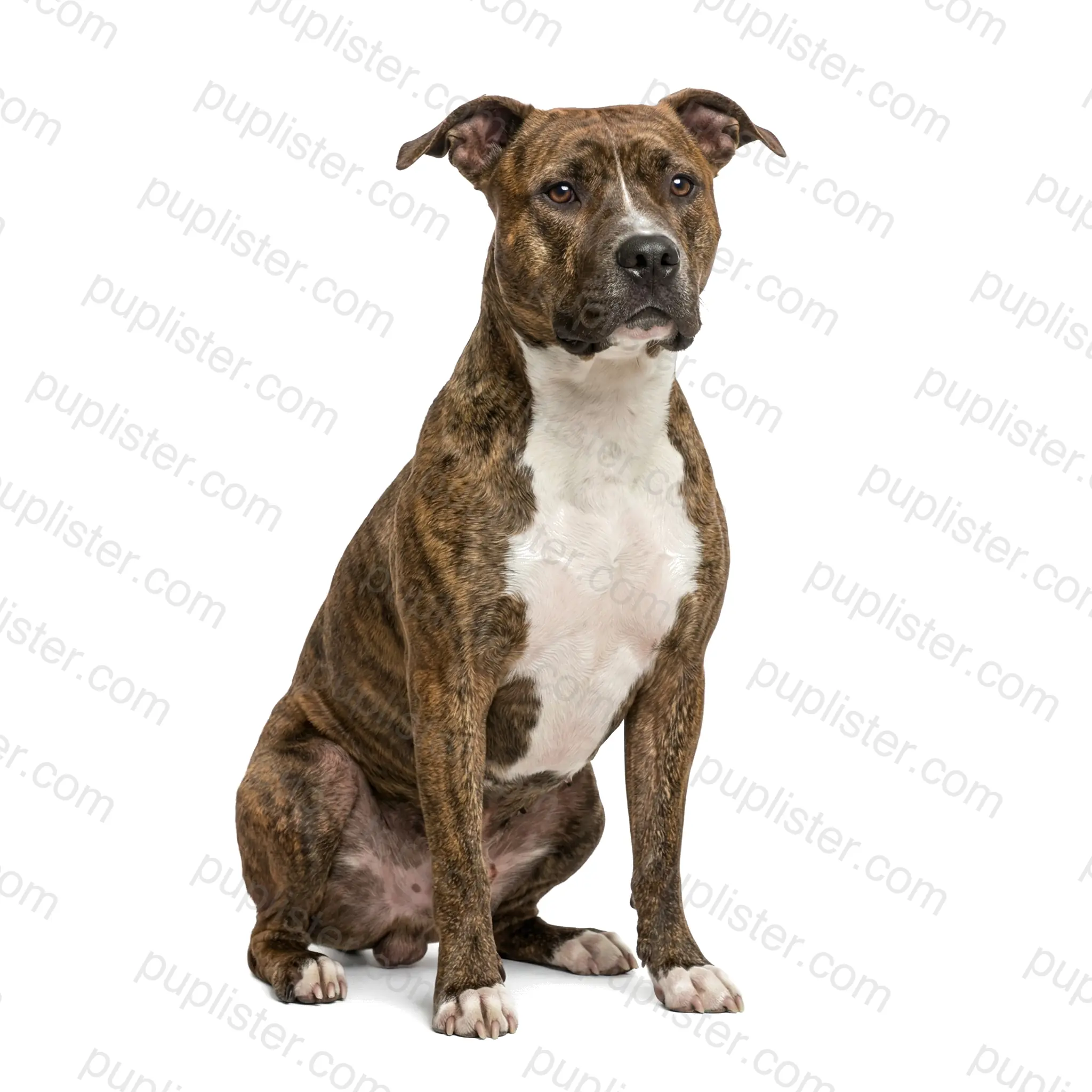
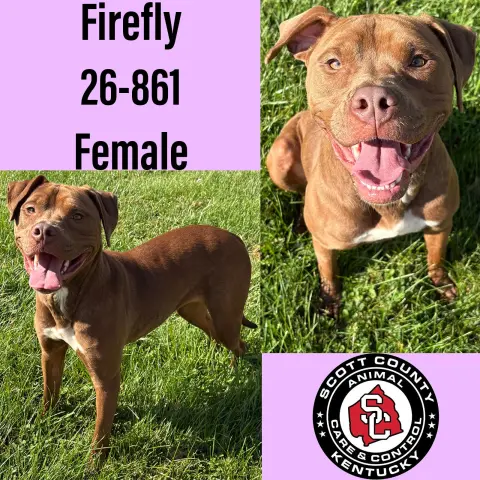
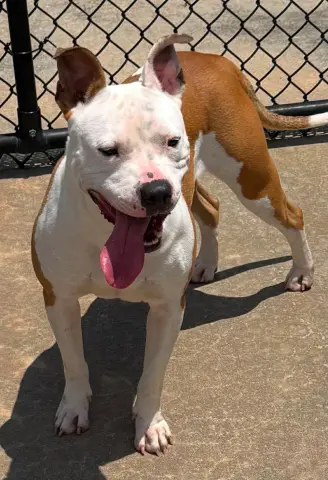
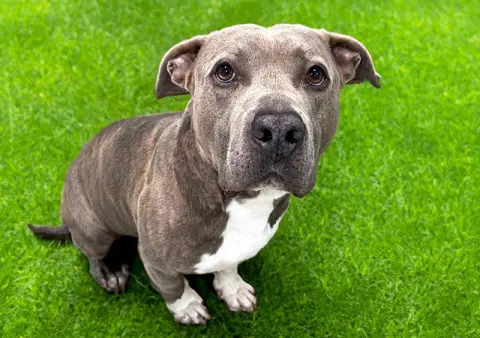
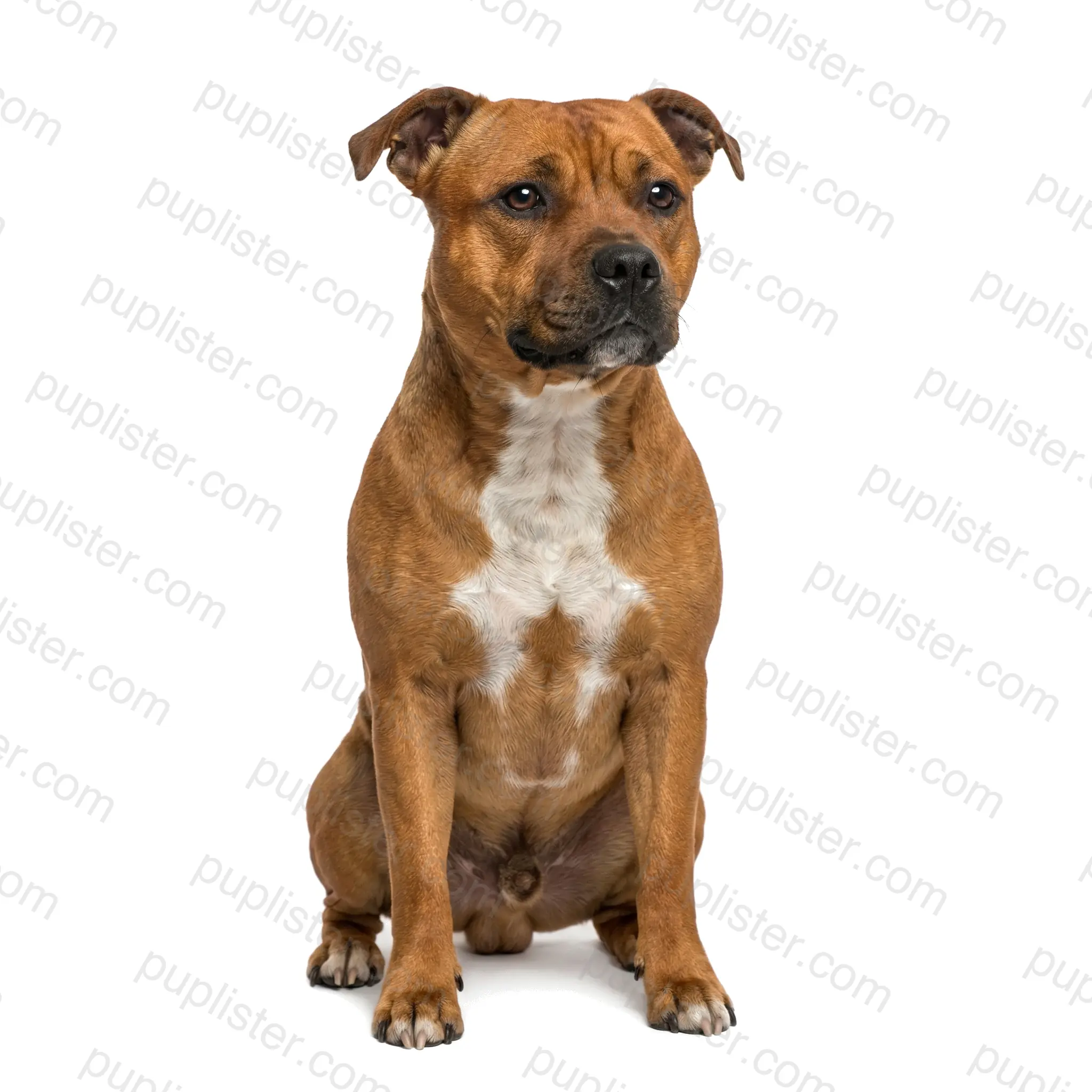
The American Pit Bull Terrier traces its roots to 19th-century England, where Bulldogs and Terriers were crossed to create a dog combining strength with agility. Standing 17–21 inches tall and weighing 30–60 pounds, the APBT is a medium-sized, solidly built dog with a broad chest and well-defined musculature. Their short, glossy coat comes in virtually every color and pattern — including blue, red, brindle, and merle — and is exceptionally easy to maintain.
Despite their often-misunderstood reputation, American Pit Bull Terriers are among the most people-oriented breeds — they are affectionate, eager to please, and frequently described as "nanny dogs" for their gentleness with children. They are intelligent, loyal, and enthusiastic about training when given positive reinforcement. However, some individuals may exhibit dog-selectivity, and responsible ownership includes understanding their terrier-driven tenacity.
These loving, misunderstood dogs deserve wonderful homes — browse adoptable Pit Bull Terriers on Puplister today.
Answer 5 quick questions to see how well this breed matches your lifestyle.
Labrador Retriever / American Pit Bull Terrier
2 pets available
1About the Flat-Coated Retriever The Flat-Coated Retriever — often called the "Peter Pan of the dog world" — was developed in 19th-century England as a dual-purpose retriever for both land and water work. Standing 22–24.5 inches tall and weighing 60–70 pounds, this elegant sporting dog wears a lustrous, flat-lying coat of solid black or liver that gives the breed its name. Once the most popular retriever in Britain before being eclipsed by Labradors and Goldens, the Flat-Coat remains a hidden gem among sporting breeds.Temperament & PersonalityFlat-Coated Retrievers are famously exuberant and retain their puppy-like enthusiasm well into old age — a trait that delights their owners but demands patience. They are outgoing, optimistic dogs that greet virtually everyone — family, friends, and strangers alike — with unbridled joy and a wagging tail. Their gentle, playful nature makes them excellent family dogs, though their boisterous energy may overwhelm very young children.ProsPerpetually cheerful and optimistic temperament — a natural mood booster for the householdExcellent with children and other dogs — rarely shows aggressionVersatile sporting dog — excels in field trials, agility, obedience, and therapy workBeautiful, easy-care coat that requires only moderate groomingConsTragically high cancer rates — histiocytic sarcoma and other cancers claim many before age 8Average lifespan of just 8–10 years — significantly shorter than similar-sized breedsSlow to mature mentally and physically — can be challenging during the extended adolescent phasePoor watchdog — greets intruders with the same enthusiasm as family membersGive a joyful Flat-Coated Retriever the loving home they deserve — check available dogs on Puplister today.
14 pets available
1About the Plott Hound The Plott Hound is the official state dog of North Carolina, descended from Hanoverian Schweisshunds brought to the Appalachian Mountains by German immigrant Johannes Plott in 1750. These athletic, muscular hounds stand 20 to 25 inches tall and weigh 40 to 60 pounds, built for endurance and tenacity on the trail. Their short to medium-length, glossy coat is most commonly brindle — ranging from yellow to chocolate to black brindle — though solid colors also occur. Temperament & Personality Plott Hounds are courageous, loyal, and determined — originally bred to track and tree bears, they possess a tenacious drive that can be both impressive and challenging. With their families, they are affectionate, eager to please, and surprisingly gentle, often forming deep bonds with their primary caretaker. They generally do well with children and other dogs, especially when raised together, though their strong prey drive means caution around cats and small animals. Pros Exceptional stamina and athleticism for hiking and outdoor adventuresLoyal and protective without being overly aggressive toward peopleLow-maintenance coat that requires only occasional brushingHealthier than many purebreds with a lifespan of 12 to 14 years Cons Loud, baying voice that carries long distances — not suited for noise-sensitive neighborhoodsStrong prey drive makes reliable off-leash recall very difficultCan be stubborn and single-minded when tracking a scentRequires substantial daily exercise — at least 60 minutes of vigorous activity The Plott Hound is a hidden gem among sporting breeds — discover one looking for a forever home on Puplister.
14 pets available
2About the Miniature Pinscher The Miniature Pinscher — affectionately called the "Min Pin" — originated in Germany several centuries ago, likely bred from a combination of Dachshunds and Italian Greyhounds. Standing 10 to 12.5 inches tall and weighing 8 to 12 pounds, these spirited dogs are far older than the Doberman and are not simply a scaled-down version of that breed. Their sleek, smooth coat comes in red, stag red, black and tan, or chocolate and tan with a naturally glossy sheen. Temperament & Personality Miniature Pinschers are bold, energetic, and remarkably self-assured — often described as having a big-dog attitude in a toy-sized body. They are entertaining and devoted to their owners but can be independent and stubborn during training sessions. Min Pins generally do well with older children and can coexist with other dogs, though they may try to assert dominance over much larger breeds. Pros Minimal grooming needed thanks to their short, smooth coatExcellent watchdog with an alert, vocal natureCompact size perfect for apartment and urban livingHighly energetic and entertaining companion for active owners Cons Notorious escape artists — can squeeze through small gaps and jump surprisingly highProne to patellar luxation and Legg-Calvé-Perthes diseaseStubborn streak makes housetraining more challenging than averageHigh prey drive means unreliable off-leash in unfenced areas Think a fearless little companion with endless personality is right for you? Search for Miniature Pinschers available on Puplister.
52 pets available
2About the Boxer The Boxer was developed in Germany in the late 19th century from the now-extinct Bullenbeisser — a powerful hunting mastiff — crossed with English Bulldogs. Standing 21.5–25 inches tall and weighing 50–80 pounds, the Boxer is a medium-to-large, well-muscled dog with a distinctive square head, undershot jaw, and alert expression. Their short, tight-fitting coat comes in fawn and brindle — sometimes with white markings — and requires very little grooming beyond occasional brushing.Temperament & PersonalityBoxers are playful, energetic, and utterly devoted to their families — they are often called the "Peter Pan" of dog breeds because they maintain their puppyish exuberance well into adulthood. They are exceptional with children, combining patience and protectiveness with a love of play that makes them natural family dogs. Boxers are alert and courageous, making them effective watchdogs, but they are also clownish and affectionate — they're famous for their "kidney bean" wiggle of excitement.ProsOutstanding family dog — patient, protective, and endlessly playful with childrenNatural watchdog with a courageous yet non-aggressive temperamentShort coat requires minimal grooming effortEnergetic and athletic — great companion for running, hiking, and active playConsProne to cancer — one of the breeds most affected, particularly mast cell tumors and lymphomaBrachycephalic tendencies lead to heat intolerance and breathing difficulties during vigorous exerciseCan be excessively boisterous and may accidentally knock over small children or elderly family membersSusceptible to heart conditions including aortic stenosis and dilated cardiomyopathyBoxers bring boundless energy and unconditional love to every family — browse adoptable Boxers on Puplister and find your playful companion.
Adopted cat meowing all night? Discover why it happens, how to create a calm environment, and a realistic timeline to quiet nighttime meows.
Is your adopted cat not eating? Learn the causes, from stress to past trauma, and discover practical solutions to get your new feline friend eating again.
Is your new cat hiding and won't come out? It's normal, but proactive steps can help. Learn how to build trust with your shy adopted cat.
Discover how long it takes for a rescue cat to feel at home with our experienced guide, covering the 3-3-3 rule and actionable tips.