Adopted Cat Meowing All Night: How to Stop It
Adopted cat meowing all night? Discover why it happens, how to create a calm environment, and a realistic timeline to quiet nighttime meows.
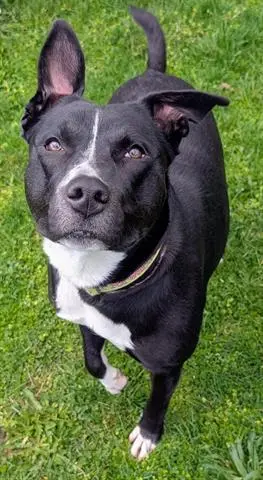
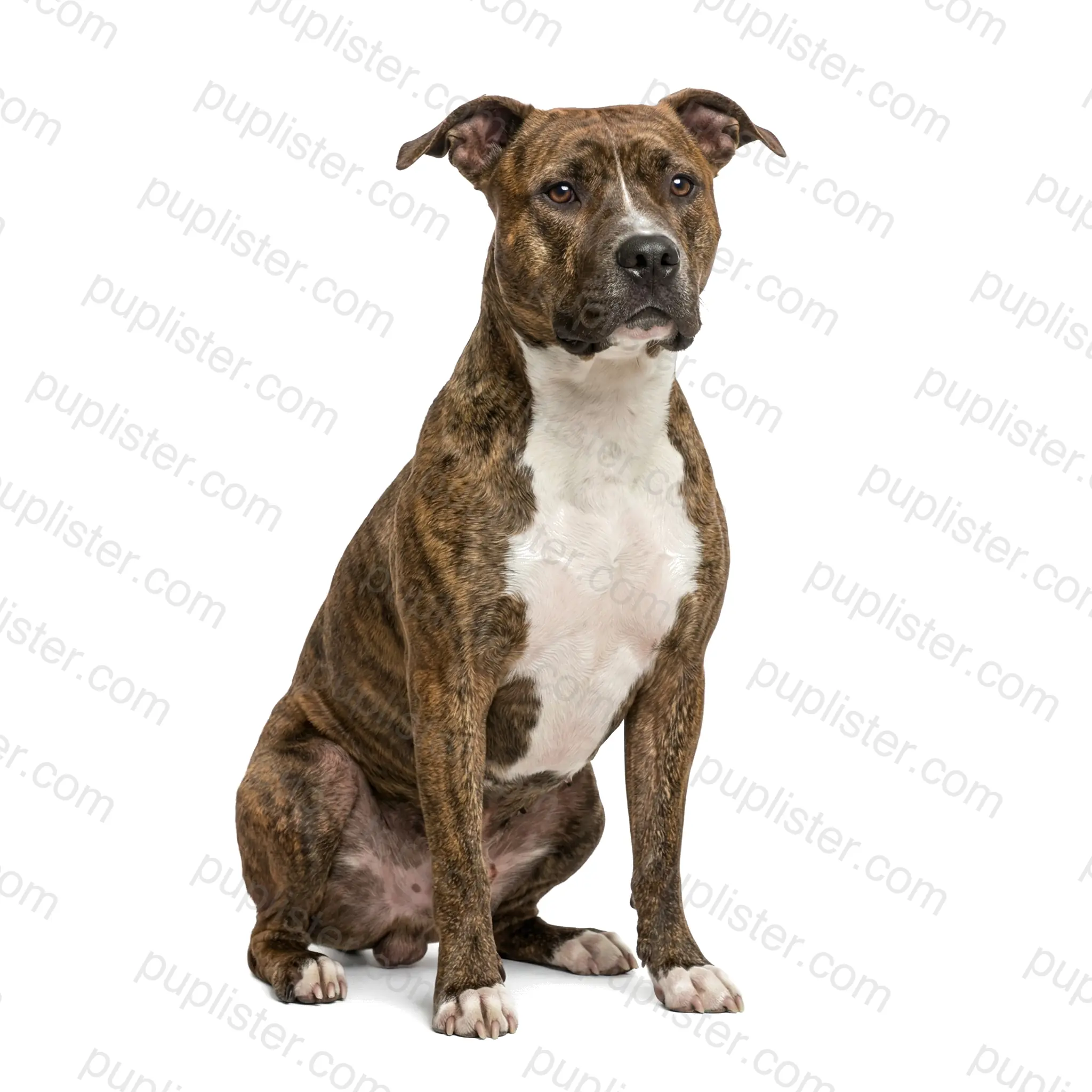
The American Pit Bull Terrier traces its roots to 19th-century England, where Bulldogs and Terriers were crossed to create a dog combining strength with agility. Standing 17–21 inches tall and weighing 30–60 pounds, the APBT is a medium-sized, solidly built dog with a broad chest and well-defined musculature. Their short, glossy coat comes in virtually every color and pattern — including blue, red, brindle, and merle — and is exceptionally easy to maintain.
Despite their often-misunderstood reputation, American Pit Bull Terriers are among the most people-oriented breeds — they are affectionate, eager to please, and frequently described as "nanny dogs" for their gentleness with children. They are intelligent, loyal, and enthusiastic about training when given positive reinforcement. However, some individuals may exhibit dog-selectivity, and responsible ownership includes understanding their terrier-driven tenacity.
These loving, misunderstood dogs deserve wonderful homes — browse adoptable Pit Bull Terriers on Puplister today.
Answer 5 quick questions to see how well this breed matches your lifestyle.
German Shepherd Dog / American Pit Bull Terrier
Australian Shepherd / American Pit Bull Terrier
251 pets available
3About the German Shepherd Dog The German Shepherd Dog — created by Captain Max von Stephanitz in 1899 — was meticulously developed to be the ultimate herding and working dog, combining intelligence, strength, and versatility in one powerful package. Standing 22–26 inches tall and weighing 50–90 pounds, this noble breed has a dense double coat most commonly seen in black and tan, though sable, all-black, and bi-color variations also occur. German Shepherds are the world's leading police, military, and service dog breed — a testament to their extraordinary trainability and work ethic.Temperament & PersonalityGerman Shepherds are confident, courageous, and deeply loyal — forming an unbreakable bond with their handler or family. They are naturally protective and will position themselves between their family and any perceived threat without hesitation. With proper socialization, they are excellent with children in their household — patient and watchful — though their herding instinct may lead them to nip at the heels of running kids.ProsAmong the top 3 most intelligent breeds — capable of learning complex tasks and commandsVersatile working ability — excels in protection, search and rescue, detection, and service rolesLoyal and naturally protective — an outstanding family guardian without excessive aggressionAthletic and eager to participate in virtually any outdoor activity with their ownerConsHigh incidence of hip and elbow dysplasia — especially in poorly bred linesSheds profusely year-round with intense seasonal "coat blows" twice yearlyProne to degenerative myelopathy — a progressive spinal cord disease with no cureRequires significant daily exercise and mental stimulation — at least 90 minutes — or develops neurotic behaviorsFind a loyal and capable German Shepherd Dog ready to join your family — start your search on Puplister.
9 pets available
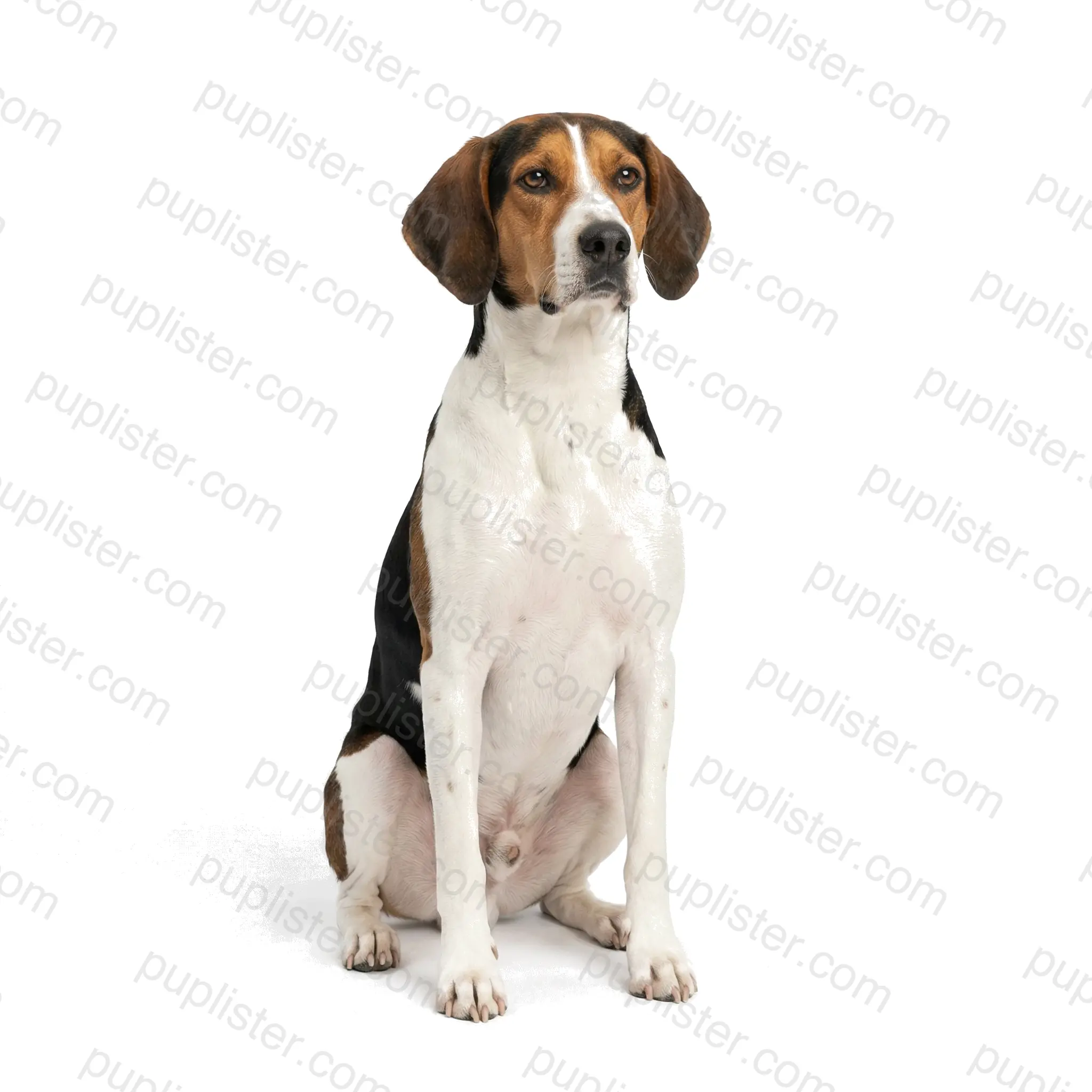
2About the Treeing Walker Coonhound The Treeing Walker Coonhound was developed in the United States from Walker Foxhounds in the mid-20th century, selectively bred for their exceptional ability to trail game and "tree" raccoons by chasing them up a tree and baying until the hunter arrives. These elegant, athletic hounds stand 20 to 27 inches tall and weigh 50 to 70 pounds, with a lean, muscular build and the classic tricolor pattern — white, black, and tan — reminiscent of their foxhound ancestry. Their short, smooth coat is dense and protective, well-suited for long hours working through brush and rough terrain. Temperament & Personality Treeing Walker Coonhounds are confident, intelligent, and affable — possessing a friendly, sociable nature that makes them enjoyable companions both in the field and at home. They are gentle with children, typically welcoming to strangers, and usually get along well with other dogs, especially those they've been raised with. Their hunting instincts run deep, however, and they can switch from couch potato to tireless tracker the moment an interesting scent crosses their path. Pros Friendly, easygoing temperament — excellent with families and other dogsLow-maintenance coat needing only weekly brushingSuperb endurance for hiking, running, and outdoor adventuresGenerally healthy breed with a lifespan of 12 to 13 years Cons Extremely vocal — loud baying and howling are a defining breed traitPowerful scent drive makes off-leash reliability very challengingRequires substantial daily exercise — bored Walkers can be destructiveProne to ear infections and hip dysplasia Treeing Walker Coonhounds bring athletic grace and a sweet disposition to any home — explore available listings on Puplister.
1 pet available
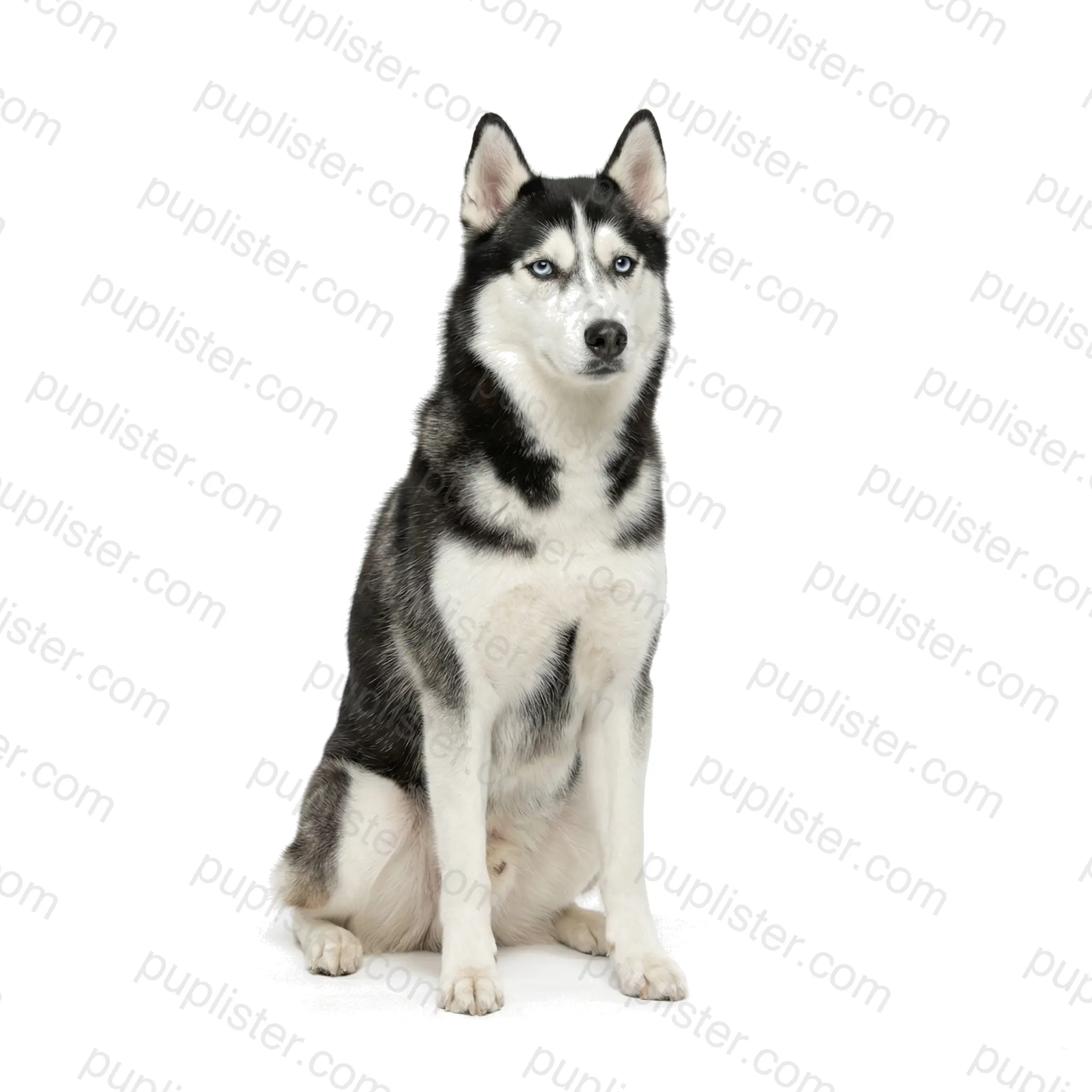
About the Alaskan Malamute The Alaskan Malamute is one of the oldest Arctic sled dog breeds, developed by the Mahlemut Inuit people of northwestern Alaska for hauling heavy loads across vast frozen landscapes. These powerful dogs stand 23–25 inches tall and weigh 75–100 pounds, with a sturdy, well-muscled frame built for endurance rather than speed. Their dense double coat — featuring colors like gray-and-white, sable-and-white, and all-white — is designed to withstand temperatures well below zero.Temperament & PersonalityMalamutes are friendly, affectionate, and pack-oriented — they thrive on human companionship and genuinely love being part of the family. Unlike their Husky cousins, Malamutes tend to be more calm and dignified, though they retain a playful streak well into adulthood. They are generally good with children but possess a strong prey drive toward smaller animals, and their pack mentality can lead to dominance challenges with other dogs.ProsAffectionate and people-oriented — they adore spending time with their familyExcellent hiking and outdoor adventure companion with remarkable enduranceFriendly disposition toward humans, including strangersStrong work ethic makes them excel in weight-pulling and carting activitiesConsExtreme shedding — the dense undercoat blows out twice yearly, producing massive amounts of furNot suited for warm climates and can overheat easilyNotorious escape artists — they can dig under or climb over fencesProne to hip dysplasia, cataracts, and hypothyroidismLooking for a loyal adventure partner? Check out adoptable Alaskan Malamutes on Puplister and start your journey together.
5 pets available
1About the Chow Chow One of the most ancient dog breeds in existence, the Chow Chow originated in northern China over 2,000 years ago — where they served as temple guards, sled pullers, and hunting dogs. This sturdy, lion-like breed stands 17–20 inches tall, weighs 45–70 pounds, and is instantly recognizable by its dense double coat, deep-set eyes, and distinctive blue-black tongue. Chow Chows come in five colors — red, black, blue, cinnamon, and cream — with either a rough or smooth coat variety.Temperament & PersonalityChow Chows are often compared to cats in their independent, dignified, and somewhat aloof demeanor. They are fiercely loyal to their family but maintain a reserved — sometimes suspicious — attitude toward strangers, making them formidable natural guard dogs. While devoted to their owners, they are not typically playful or demonstrative and may bond most closely with just one person in the household.ProsNaturally clean dogs — often housebreak themselves with minimal effortQuiet breed that rarely barks without reason — excellent for noise-sensitive living situationsStrong territorial instincts provide reliable home protection without guard trainingLow exercise requirements compared to similarly sized breeds — content with moderate daily walksConsExtremely strong-willed and resistant to traditional obedience training methodsHeavy shedding — especially during seasonal coat blows that last several weeksProne to entropion, hip dysplasia, and autoimmune thyroiditisCan be aggressive toward other dogs and requires extensive early socializationIf a loyal, independent guardian sounds like your ideal match, browse Chow Chows ready for adoption on Puplister now.
Adopted cat meowing all night? Discover why it happens, how to create a calm environment, and a realistic timeline to quiet nighttime meows.
Is your adopted cat not eating? Learn the causes, from stress to past trauma, and discover practical solutions to get your new feline friend eating again.
Is your new cat hiding and won't come out? It's normal, but proactive steps can help. Learn how to build trust with your shy adopted cat.
Discover how long it takes for a rescue cat to feel at home with our experienced guide, covering the 3-3-3 rule and actionable tips.