Cheapest Ways to Adopt a Dog Near You
Discover the cheapest ways to adopt a dog near you, from understanding the real value of adoption fees to insider tips for finding low-cost dogs.
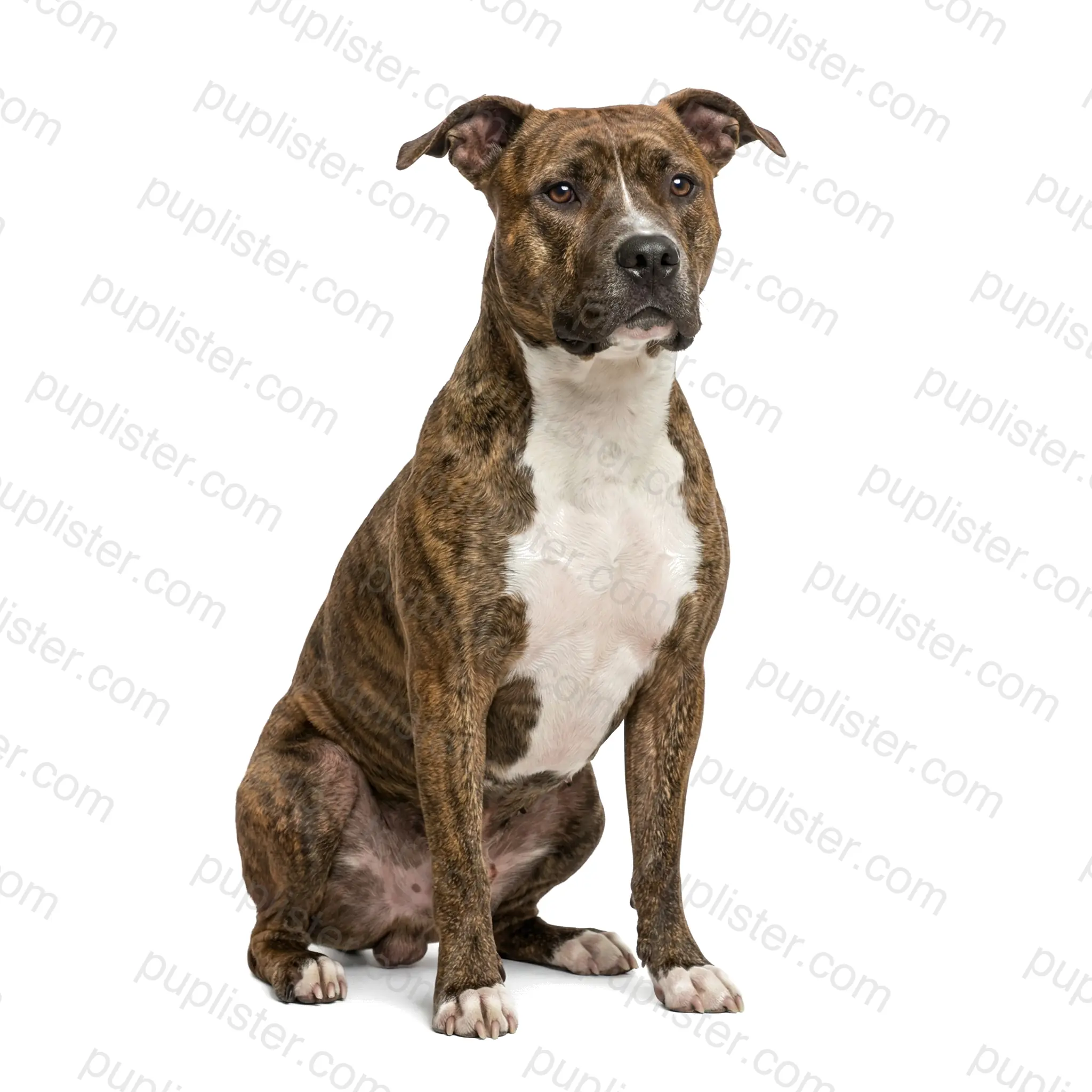
The American Pit Bull Terrier traces its roots to 19th-century England, where Bulldogs and Terriers were crossed to create a dog combining strength with agility. Standing 17–21 inches tall and weighing 30–60 pounds, the APBT is a medium-sized, solidly built dog with a broad chest and well-defined musculature. Their short, glossy coat comes in virtually every color and pattern — including blue, red, brindle, and merle — and is exceptionally easy to maintain.
Despite their often-misunderstood reputation, American Pit Bull Terriers are among the most people-oriented breeds — they are affectionate, eager to please, and frequently described as "nanny dogs" for their gentleness with children. They are intelligent, loyal, and enthusiastic about training when given positive reinforcement. However, some individuals may exhibit dog-selectivity, and responsible ownership includes understanding their terrier-driven tenacity.
These loving, misunderstood dogs deserve wonderful homes — browse adoptable Pit Bull Terriers on Puplister today.
Answer 5 quick questions to see how well this breed matches your lifestyle.
13 pets available
About the Cocker Spaniel The American Cocker Spaniel — the smallest of the sporting breeds — descended from English Cocker Spaniels brought to North America in the late 1800s and was developed as both a skilled bird flusher and an adoring family companion. Standing 13.5–15.5 inches tall and weighing 20–30 pounds, the Cocker Spaniel is known for its luxurious, silky coat that comes in black, ASCOB (any solid color other than black), and parti-color varieties. Their large, soulful dark eyes and perpetually wagging tail have made them one of America's most beloved breeds for decades.Temperament & PersonalityCocker Spaniels are the quintessential happy dog — eager to please, gentle, and brimming with affection for everyone they meet. They thrive on human companionship and are wonderful with children, other dogs, and even cats when properly introduced. Their sensitive nature means they respond best to positive reinforcement and can become anxious or submissive if treated harshly.ProsGentle, merry temperament makes them one of the best breeds for families with young childrenHighly trainable and eager to please — excel in obedience and agilityAdaptable to apartment living provided they receive daily walks and playFriendly with strangers, other dogs, and household pets — rarely aggressiveConsCoat requires professional grooming every 4–6 weeks plus daily brushing to prevent mattingProne to chronic ear infections due to long, heavy ear flaps that trap moistureHigh incidence of eye conditions including cataracts, glaucoma, and cherry eyeSome lines suffer from "rage syndrome" — sudden unprovoked aggression linked to poor breedingReady to welcome a joyful, tail-wagging Cocker Spaniel into your life? Find your perfect match on Puplister.
3 pets available
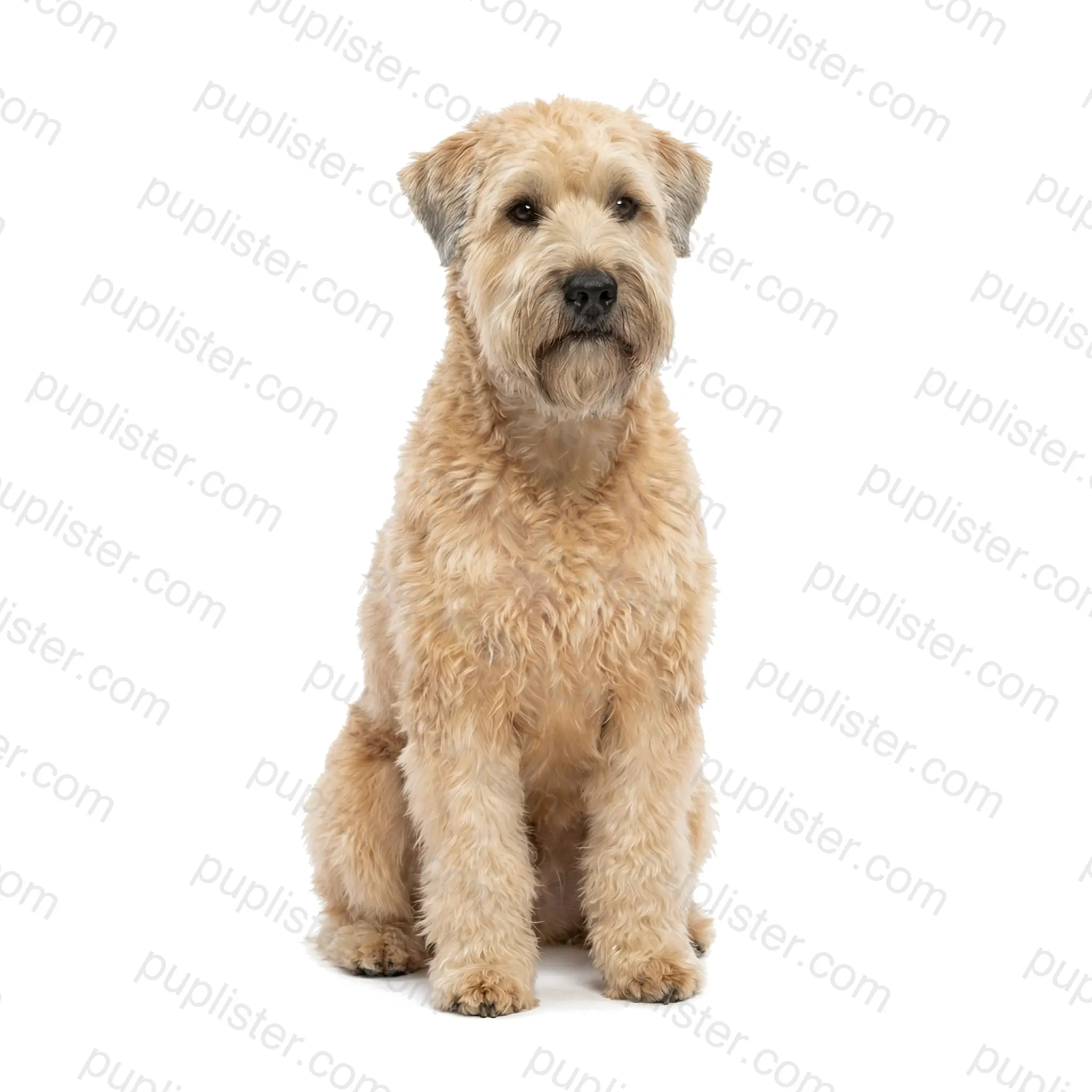
About the West Highland White Terrier The West Highland White Terrier — universally known as the "Westie" — was developed in Scotland's western highlands during the 19th century, selectively bred from Cairn Terrier stock for its white coat to be more visible against the dark highland terrain while hunting foxes, badgers, and rats. These sturdy little dogs stand 10 to 11 inches tall and weigh 15 to 20 pounds, with a compact, balanced build and surprisingly strong legs for their size. Their double coat features a hard, straight white outer layer and a soft, dense undercoat — always pure white without exception. Temperament & Personality Westies are confident, entertaining, and surprisingly tough — carrying the classic terrier self-assurance in a friendly, less aggressive package than many of their terrier relatives. They are affectionate with their families, generally good with older children, and possess an independent, adventurous spirit that keeps life interesting. Westies are social dogs that enjoy meeting people, though they can be assertive with other dogs and retain a strong instinct to chase anything that moves. Pros Sturdy and adaptable — thrives in apartments, suburbs, and country settingsFriendly and sociable without the extreme aggression of some terrier breedsPortable size with a big, confident personalityAlert watchdog that will reliably announce visitors Cons Prone to atopic dermatitis and skin allergies — one of the most affected breedsCoat requires regular professional grooming or hand-stripping every 6 to 8 weeksCan be stubborn and willful during training — responds best to positive methodsTendency to dig and bark, especially when bored or left in the yard Westies bring Scottish charm and terrier spirit into every home — find your white-coated companion on Puplister.
17 pets available
About the Rhodesian Ridgeback The Rhodesian Ridgeback was developed in southern Africa by European settlers who crossed their dogs with the semi-domesticated ridged hunting dogs of the Khoikhoi people, creating a versatile hunter capable of tracking and holding lions at bay. These powerful, athletic dogs stand 24 to 27 inches tall and weigh 70 to 85 pounds, with a sleek, muscular physique built for speed and endurance. Their short, dense coat is light wheaten to red wheaten, and the breed's hallmark is a distinctive ridge of hair growing in the opposite direction along the spine. Temperament & Personality Rhodesian Ridgebacks are dignified, strong-willed, and intensely loyal — they form deep bonds with their families while maintaining an aloof independence with strangers. They are gentle and patient with children in their own household but possess a powerful protective instinct that requires experienced handling and thorough socialization. Ridgebacks are not typically aggressive but have a commanding presence and will not back down from a challenge if provoked. Pros Athletic and versatile — excels as a running, hiking, and lure coursing partnerLow-maintenance coat with minimal shedding and grooming needsNaturally clean breed with little doggy odorQuiet and dignified — rarely barks without good reason Cons Strong-willed and dominant — requires experienced, confident ownershipHigh prey drive makes them a risk around cats and small animalsProne to dermoid sinus (a congenital spinal defect unique to the breed), hip dysplasia, and bloatCan be destructive and escape-prone if under-exercised or bored The Rhodesian Ridgeback is a majestic, loyal guardian for the right home — find yours on Puplister.
2 pets available
About the Basenji The Basenji is an ancient breed originating from Central Africa — specifically the Congo region — where it was used by indigenous peoples for hunting small game in dense forests. Often called the "barkless dog," Basenjis stand 16–17 inches tall and weigh 22–24 pounds, with a sleek, elegant build made for speed and agility. Their short, fine coat comes in chestnut red, black, tricolor, and brindle — always with white markings on the feet, chest, and tail tip — and requires almost no grooming.Temperament & PersonalityBasenjis are curious, independent, and remarkably cat-like in their behavior — they groom themselves fastidiously, can climb, and often perch on high surfaces to survey their domain. While they don't bark, they are far from silent, producing a unique yodel-like sound called a "baroo." They bond closely with their family but are aloof with strangers, and their strong prey drive and independent nature make them a challenging but rewarding breed for experienced owners.ProsVirtually no doggy odor and minimal shedding — one of the cleanest dog breedsQuiet breed that doesn't bark, ideal for noise-sensitive living situationsCompact and athletic with a graceful, elegant appearanceHighly intelligent and endlessly entertaining with their curious anticsConsExtremely independent and stubborn — conventional obedience training often failsStrong prey drive makes them unsafe around small animals and unreliable off-leashNotorious escape artists who can climb fences and open gatesProne to Fanconi syndrome, progressive retinal atrophy, and hypothyroidismIntrigued by the Basenji's unique charm? Explore adoptable Basenjis on Puplister and meet this one-of-a-kind breed.
Discover the cheapest ways to adopt a dog near you, from understanding the real value of adoption fees to insider tips for finding low-cost dogs.
Learn the easy steps to transfer dog microchip after adoption. This guide covers finding info, contacting registries, and overcoming common hurdles.
Understand the full dog adoption costs beyond the initial fee, including ongoing care, unexpected expenses, and a 5-year financial forecast.
Foster-to-adopt offers a trial period to see if a dog is the right fit, bridging temporary care and permanent adoption for a happy home.