Adopted Cat Meowing All Night: How to Stop It
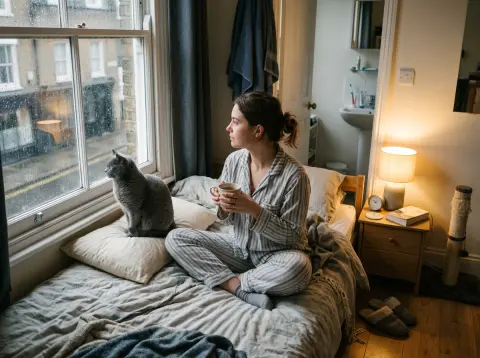
Adopted cat meowing all night? Discover why it happens, how to create a calm environment, and a realistic timeline to quiet nighttime meows.
The American Staffordshire Terrier — often called the AmStaff — was developed in the United States from crosses between Bulldogs and Terriers, earning AKC recognition in 1936. They stand 17–19 inches at the shoulder and weigh 40–70 pounds, presenting a stocky, muscular build that radiates power and confidence. Their short, stiff coat comes in a wide variety of colors and patterns, including blue, fawn, brindle, and black, and requires only minimal grooming.
AmStaffs are known for their courage, intelligence, and unwavering loyalty to their families — they are genuinely affectionate dogs who love being at the center of household activities. They are typically excellent with children and are known for their patience and tolerance with youngsters. Proper socialization from puppyhood is critical, as they can be assertive with other dogs, and their strength demands a handler who can provide calm, confident leadership.
AmStaffs make incredible family companions when given the right home — search for adoptable American Staffordshire Terriers on Puplister.

Answer 5 quick questions to see how well this breed matches your lifestyle.
American Staffordshire Terrier
13 pets available
About the Basset Hound The Basset Hound was developed in France — the name comes from the French word "bas" meaning low — as a scent hound bred to track rabbits and hare through dense underbrush. Standing just 11–15 inches tall but weighing a substantial 40–65 pounds, the Basset is a heavy-boned, low-slung dog with the second-best nose in the canine world, surpassed only by the Bloodhound. Their short, smooth coat comes in classic tri-color, red-and-white, and lemon-and-white patterns, and while easy to brush, they are moderate shedders.Temperament & PersonalityBasset Hounds are famously easygoing, patient, and gentle — their laid-back demeanor makes them wonderful family dogs who get along with virtually everyone, including children and other pets. They are pack animals at heart and dislike being left alone for long periods, often expressing their displeasure with mournful howling. Despite their placid appearance, Bassets can be surprisingly stubborn, especially when they've caught an interesting scent.ProsGentle, patient temperament — excellent with children and other animalsLow exercise requirements compared to most hound breedsFriendly and sociable with strangers, other dogs, and even catsCharming, expressive face and endearing personality that wins hearts easilyConsProne to obesity without careful diet management due to their low activity levelLoud, deep bay and howl that can disturb neighborsEars require frequent cleaning to prevent chronic ear infectionsSusceptible to intervertebral disc disease, bloat, and glaucomaA Basset Hound's soulful eyes and gentle heart might be exactly what your family needs — find adoptable Basset Hounds on Puplister.
22 pets available
1About the Rottweiler The Rottweiler descends from Roman drover dogs that accompanied legions through the Alps, eventually settling in the German town of Rottweil where they drove cattle and pulled carts for butchers for centuries. These robust, powerful dogs stand 22 to 27 inches tall and weigh 80 to 135 pounds, with a broad head, strong jaws, and a compact, muscular build. Their short, dense double coat is always black with distinctive rust to mahogany markings on the cheeks, muzzle, chest, legs, and above the eyes. Temperament & Personality Rottweilers are confident, calm, and courageous — deeply devoted to their families with a natural guarding instinct that requires responsible ownership and thorough socialization. With proper training and socialization, they are gentle, playful, and even goofy with their families, including children. Rottweilers are intelligent and eager to work, excelling in obedience, tracking, herding, and therapy roles, but they need an owner who provides consistent leadership and clear boundaries. Pros Exceptionally loyal and naturally protective of family without excessive aggressionHighly intelligent and trainable — eager to work and please their handlerVersatile working dog excelling in obedience, search and rescue, and therapyLow-maintenance coat requiring only weekly brushing Cons Requires experienced ownership with consistent training and early socializationProne to hip and elbow dysplasia, osteosarcoma, and bloatBreed-specific legislation and homeowner's insurance restrictions in many areasCan develop territorial aggression without proper socialization and leadership A well-raised Rottweiler is one of the finest companions in the canine world — explore adoption listings on Puplister.
2 pets available
1About the English Setter The English Setter is one of the oldest gun dog breeds — developed in England over 400 years ago to locate game birds by crouching or "setting" to indicate their position. Standing 23–27 inches tall and weighing 45–80 pounds, these graceful dogs are renowned for their beautiful feathered coat in distinctive "belton" patterns — blue belton, orange belton, tricolor, lemon belton, and liver belton. Their elegant appearance, with long, silky ears and a gently flowing coat, has earned them the title of the most beautiful sporting breed.Temperament & PersonalityEnglish Setters are gentle, sweet-natured dogs with a calm indoor demeanor that belies their energetic field abilities. They are exceptionally good with children — patient and tolerant even with rough toddler play — and generally accepting of other dogs and household pets. Their affectionate, people-oriented nature makes them poor kennel dogs; they need to live as part of the family to thrive emotionally.ProsOne of the gentlest sporting breeds — excellent with children of all ages and other petsCalm and quiet indoors when given adequate outdoor exerciseFriendly toward strangers — makes a welcoming family dog without guarding tendenciesVersatile field dog that transitions beautifully from hunting companion to couch cuddlerConsFeathered coat requires regular grooming — brushing 3–4 times weekly to prevent tanglesProne to elbow dysplasia, hypothyroidism, and congenital deafnessStrong hunting instincts — will bolt after birds and small animals if not in a secure areaCan be slow to mature mentally — puppy-like behavior often persists until age 3 or beyondDiscover the beauty and gentleness of the English Setter — find one waiting for a home on Puplister.
3 pets available
3About the Anatolian Shepherd The Anatolian Shepherd — also known as the Kangal Shepherd Dog — hails from the Anatolian plateau of Turkey, where it has guarded livestock from wolves and bears for thousands of years. This imposing breed stands 27–29 inches tall and weighs 80–150 pounds, with males often exceeding 140 pounds of lean muscle. Their short to medium-length double coat comes in fawn with a distinctive black mask, though brindle, white, and pinto variations also occur.Temperament & PersonalityAnatolian Shepherds are independent, intelligent, and territorial — they were bred to make decisions on their own while guarding flocks, and that self-reliance is deeply ingrained. They are calm and affectionate with their family but reserved and suspicious of strangers, making them exceptional guardian dogs. They can coexist with children and other pets they've been raised with, but their guarding instinct means they need owners who understand livestock guardian breed behavior.ProsSupreme livestock and property guardian — few breeds match their protective instinctsLow-energy indoors despite their size, content to patrol and observeHardy and healthy breed with relatively few genetic health problemsRemarkably low grooming needs for a large-breed dogConsExtremely independent and not naturally inclined to obey commands without questionRequires a large, securely fenced property — not suited for apartment or suburban lifeCan be aggressive toward unfamiliar dogs and people without extensive socializationTheir booming bark — used to ward off predators — can be a problem in residential areasIf you have the space and experience for this magnificent guardian, explore adoptable Anatolian Shepherds on Puplister.
Adopted cat meowing all night? Discover why it happens, how to create a calm environment, and a realistic timeline to quiet nighttime meows.
Is your adopted cat not eating? Learn the causes, from stress to past trauma, and discover practical solutions to get your new feline friend eating again.
Is your new cat hiding and won't come out? It's normal, but proactive steps can help. Learn how to build trust with your shy adopted cat.
Discover how long it takes for a rescue cat to feel at home with our experienced guide, covering the 3-3-3 rule and actionable tips.