Basset Hound Basset Hound

Basset Hound

Patient Easygoing Devoted Stubborn

About the Basset Hound

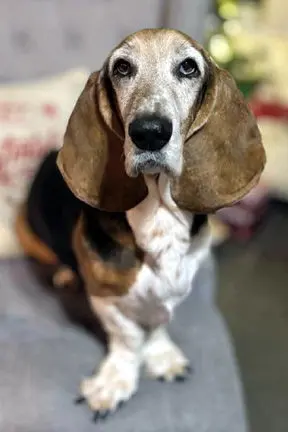
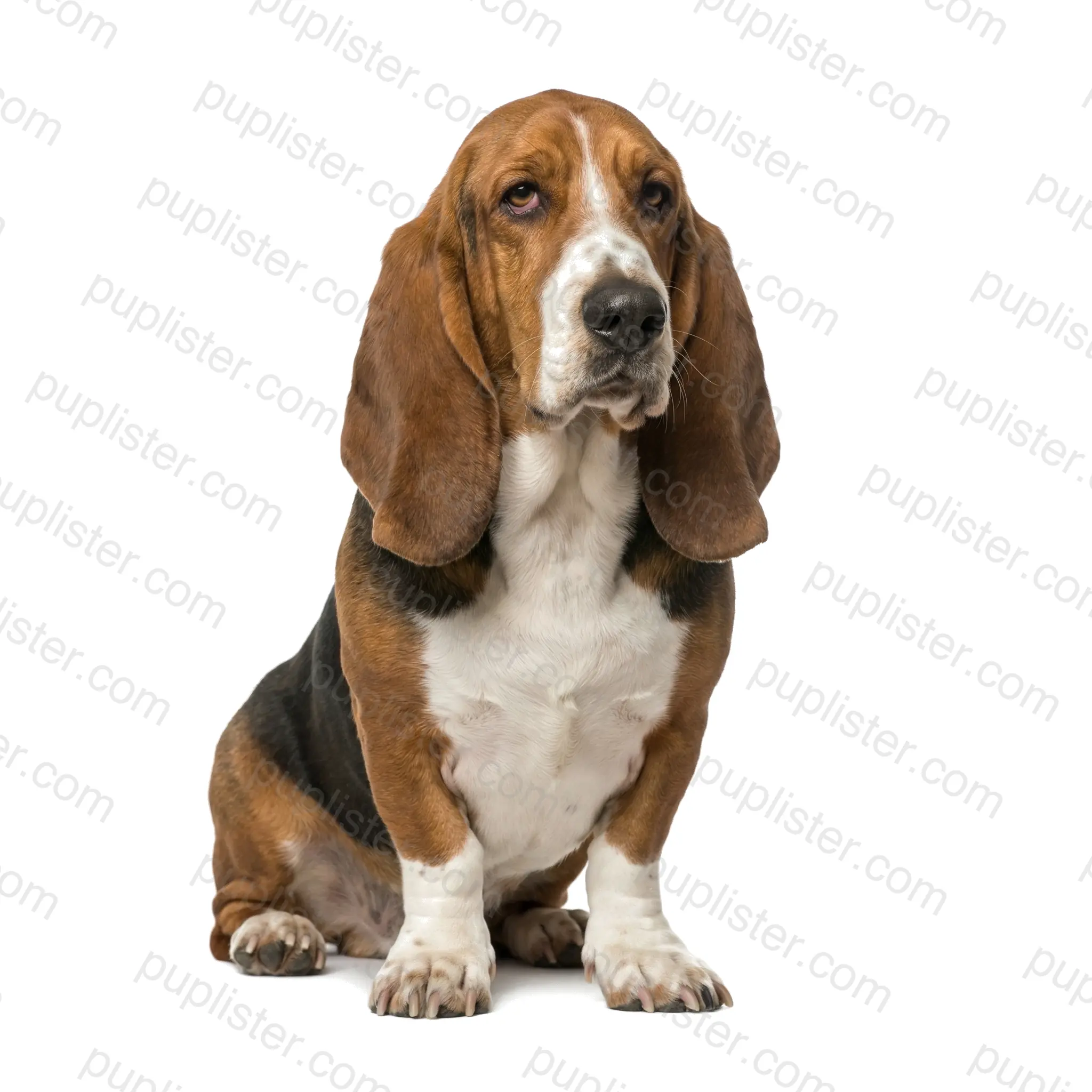
The Basset Hound was developed in France — the name comes from the French word "bas" meaning low — as a scent hound bred to track rabbits and hare through dense underbrush. Standing just 11–15 inches tall but weighing a substantial 40–65 pounds, the Basset is a heavy-boned, low-slung dog with the second-best nose in the canine world, surpassed only by the Bloodhound. Their short, smooth coat comes in classic tri-color, red-and-white, and lemon-and-white patterns, and while easy to brush, they are moderate shedders.

Temperament & Personality

Basset Hounds are famously easygoing, patient, and gentle — their laid-back demeanor makes them wonderful family dogs who get along with virtually everyone, including children and other pets. They are pack animals at heart and dislike being left alone for long periods, often expressing their displeasure with mournful howling. Despite their placid appearance, Bassets can be surprisingly stubborn, especially when they've caught an interesting scent.

Pros

  • Gentle, patient temperament — excellent with children and other animals
  • Low exercise requirements compared to most hound breeds
  • Friendly and sociable with strangers, other dogs, and even cats
  • Charming, expressive face and endearing personality that wins hearts easily

Cons

  • Prone to obesity without careful diet management due to their low activity level
  • Loud, deep bay and howl that can disturb neighbors
  • Ears require frequent cleaning to prevent chronic ear infections
  • Susceptible to intervertebral disc disease, bloat, and glaucoma

A Basset Hound's soulful eyes and gentle heart might be exactly what your family needs — find adoptable Basset Hounds on Puplister.

Basset Hound Quick Facts

Size
40–65 lbs, 11–15 in
Lifespan
12–13 years
Exercise
Moderate
Grooming
Low
Good with Kids
Yes
Good with Pets
Yes

Is the Basset Hound right for you?

Answer 5 quick questions to see how well this breed matches your lifestyle.

Take the Quiz

Available Basset Hounds

Josie
Baby
Josie
S

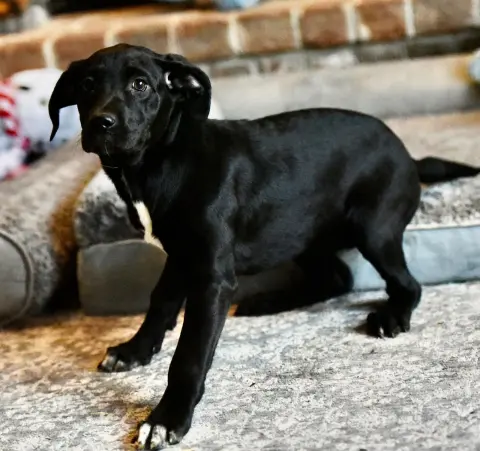
Labrador Retriever / Basset Hound

Homeward Bound Animal Rescue · Mechanicsburg, PA
Amos
Adult
Amos
M

Basset Hound / Beagle

Lil Rascals Dog Rescue · Osteen, FL
Fiddlestix
Young

Basset Hound / Labrador Retriever

Animal House Shelter · Huntley, IL
Marley
Adult
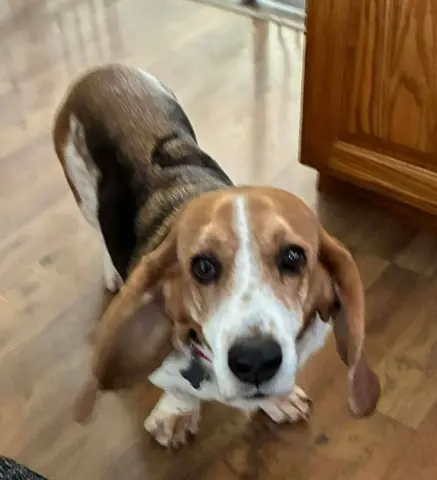
Marley
M

Basset Hound / Beagle

Tri-State Basset Hound Rescue · Milmay, NJ
Claire
Baby
Claire
M

German Shepherd Dog / Basset Hound

Animal House Shelter · Huntley, IL
Canela
Senior
Canela
M

Basset Hound

Tri-State Basset Hound Rescue · Milmay, NJ
Oscar
Young
Oscar
M

Basset Hound / Beagle

Tri-State Basset Hound Rescue · Milmay, NJ
Buddy
Adult
Buddy
M

Labrador Retriever / Basset Hound

Animal Rescue Fund Of Ms · Jackson, MS
Birdie
Adult
Birdie
M

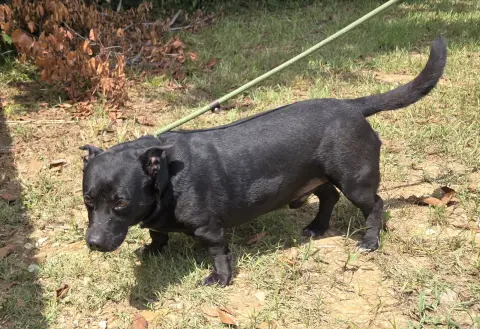
American Pit Bull Terrier / Basset Hound

Menifee County Animal Shelter · Frenchburg, KY
Hazel
Adult
Hazel
M

Basset Hound

Tri-State Basset Hound Rescue · Milmay, NJ
Dixie
Young
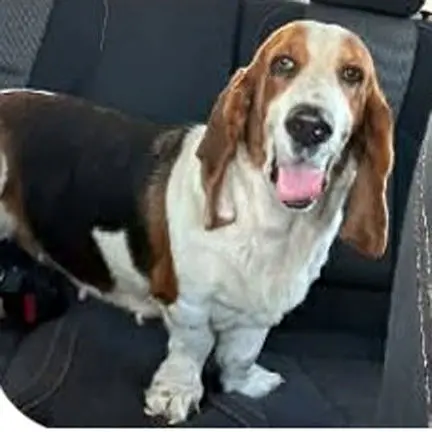
Dixie
M

Basset Hound

Tri-State Basset Hound Rescue · Milmay, NJ

Related Breeds

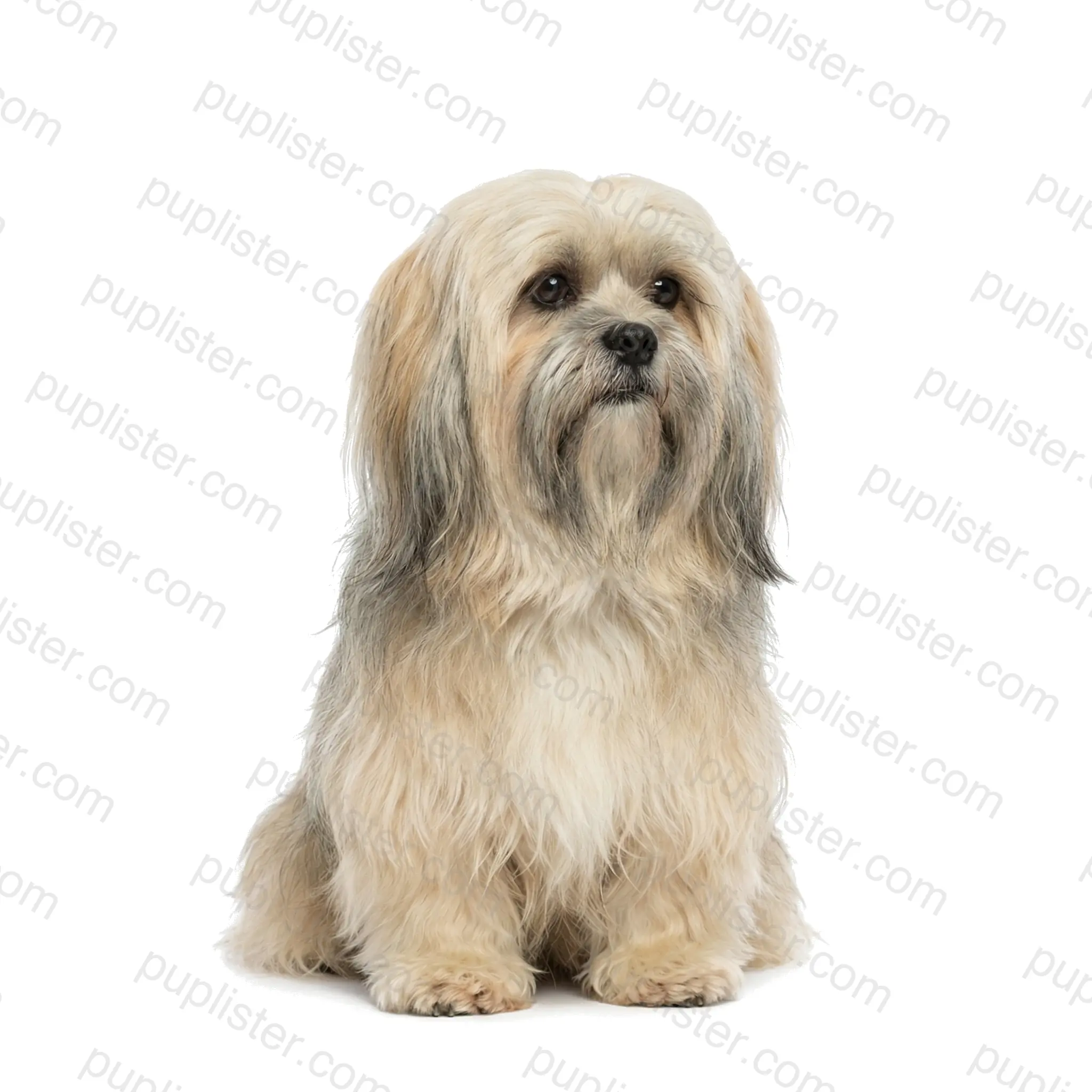
Lhasa Apso

1 pet available

1

About the Lhasa Apso The Lhasa Apso — named after the sacred city of Lhasa in Tibet — served as an interior sentinel in Buddhist monasteries and noble households for over a thousand years, alerting monks to intruders with their sharp, penetrating bark. Standing 10–11 inches tall and weighing 12–18 pounds, these sturdy little dogs have a dense, floor-length double coat that parts down the middle of the back and comes in a wide range of colors including gold, cream, honey, smoke, slate, white, black, and parti-color. Their heavy coat, developed to insulate against Tibet's harsh mountain climate, gives them a dramatically different appearance from most toy breeds.Temperament & PersonalityLhasa Apsos are independent, assertive, and surprisingly tough-minded — they are companion dogs with the heart of a watchdog and the confidence of a much larger breed. They are devoted and affectionate with their chosen family but maintain a regal aloofness with strangers that can take time to warm up from. Unlike many small breeds, Lhasas are not typically needy or clingy — they enjoy companionship on their own terms and are content to watch from across the room.ProsExcellent watchdogs — keen hearing and a sharp, authoritative bark that belies their small sizeIndependent nature means they handle alone time better than most companion breedsLong lifespan of 12–15 years — one of the healthiest and hardiest small breedsHypoallergenic coat sheds minimally — well-suited for allergy-conscious householdsConsLong coat demands daily brushing and regular professional grooming — or must be kept in a puppy clipCan be stubborn and difficult to train — their independent streak resists repetitive drillsTendency toward small dog syndrome — may become snappy or dominant without firm, consistent boundariesProne to kidney disease, cherry eye, and dry eye — regular veterinary monitoring is importantDiscover the ancient charm and loyal spirit of the Lhasa Apso — find one waiting for you on Puplister.

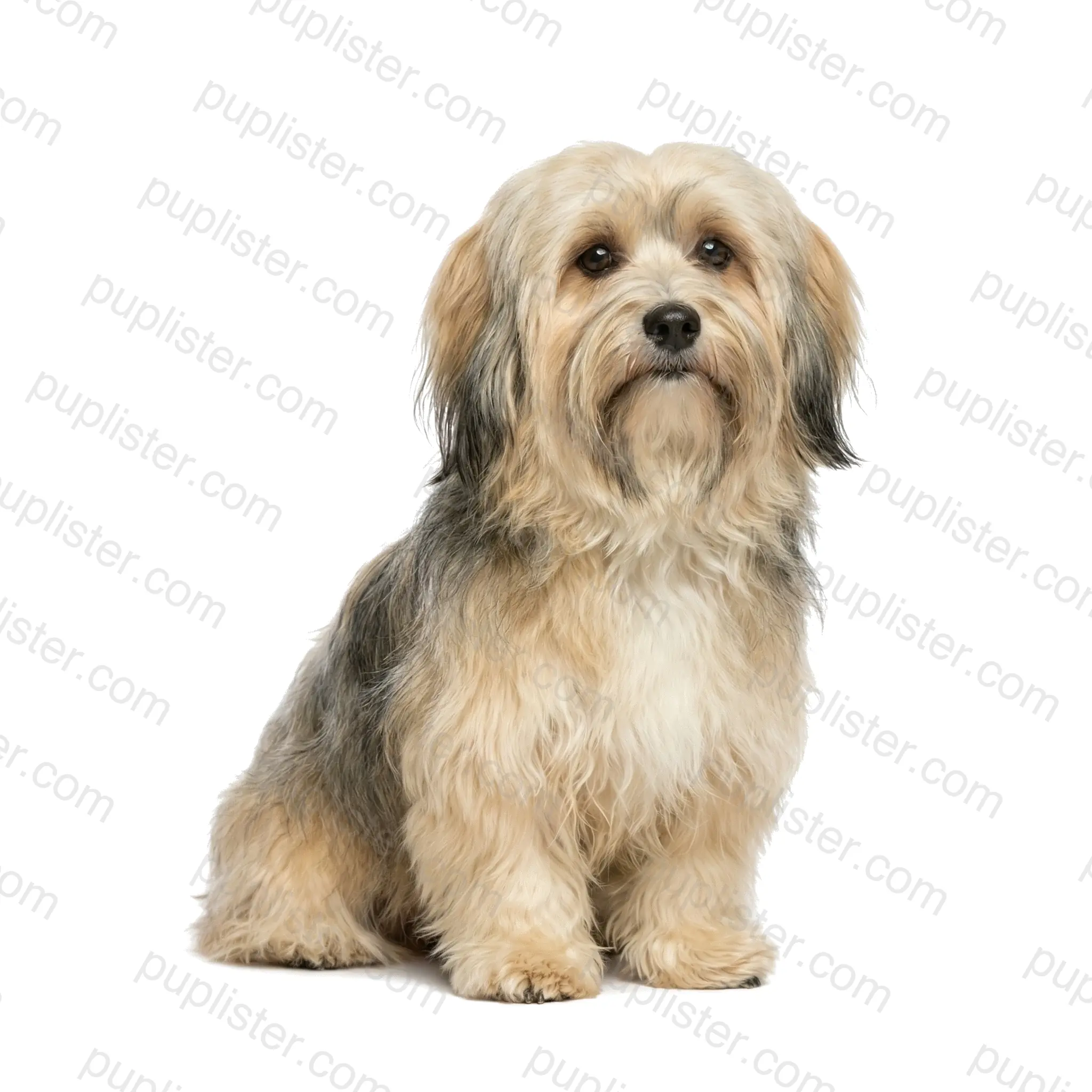
Havanese
Havanese Dog

4 pets available

About the Havanese The Havanese — Cuba's only native breed — descended from the now-extinct Blanquito de la Habana and was the cherished lapdog of Havana's aristocracy for centuries before Cuban refugees brought them to America in the 1960s. Standing 8.5–11.5 inches tall and weighing 7–13 pounds, these small but sturdy dogs have a long, silky, lightweight coat that comes in every color imaginable — including white, cream, gold, black, silver, chocolate, and various parti-color combinations. Their coat is designed to insulate against tropical heat rather than cold, giving it a uniquely airy, flowing quality.Temperament & PersonalityHavanese are cheerful, outgoing, and deeply people-oriented — natural entertainers who thrive on being the center of attention. They are remarkably adaptable and sociable, getting along effortlessly with children, other dogs, cats, and even strangers who receive a warm, tail-wagging welcome. Their playful, clownish nature and expressive faces make them exceptional companion dogs — they're sometimes called "velcro dogs" for their habit of following their owners everywhere.ProsLow-shedding coat is well-suited for allergy-sensitive householdsExcellent with children and other pets — gentle, patient, and playfulHighly trainable and eager to please — respond well to positive reinforcementAdaptable to any living situation — equally happy in apartments or homes with yardsConsLong coat requires daily brushing and regular professional grooming to prevent mattingProne to severe separation anxiety — can become destructive or develop excessive barking when left aloneSusceptible to patellar luxation, cataracts, and Legg-Calve-Perthes diseaseCan be difficult to housebreak — small bladder and sensitive temperament complicate trainingBring the sunshine of Havana into your home — find Havanese dogs waiting for families on Puplister.
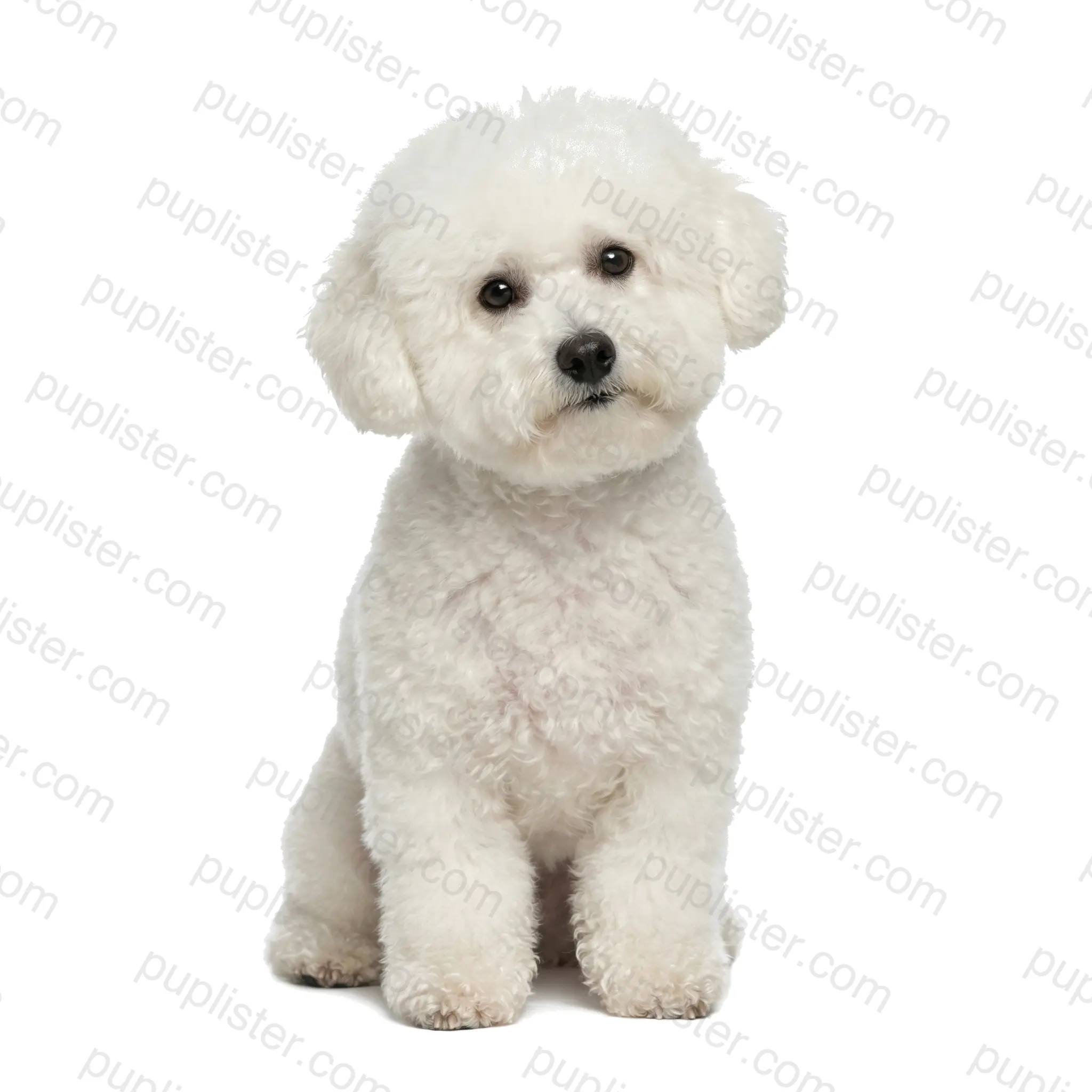
Bichon Frise

3 pets available

2

About the Bichon Frise The Bichon Frise is a cheerful, small companion dog with origins tracing to the Mediterranean region — descended from water spaniels and popularized by Spanish, Italian, and French nobility from the 13th century onward. Standing 9.5–11.5 inches tall and weighing 12–18 pounds, the Bichon is a compact, sturdy little dog with a distinctively rounded silhouette. Their hallmark white, powder-puff coat is made up of a soft, dense undercoat and a coarser, curly outer coat that produces minimal shedding but requires professional grooming every 4–6 weeks.Temperament & PersonalityBichons are playful, affectionate, and irrepressibly cheerful — they seem to carry a perpetual smile and have a gift for making everyone around them happy. They thrive on human attention and are excellent with children, seniors, and other pets, adapting easily to various household dynamics. Their social nature means they do not tolerate being left alone for extended periods and may develop separation anxiety.ProsHypoallergenic coat produces minimal dander and virtually no sheddingAdaptable to apartment living — their small size and moderate exercise needs fit urban lifestylesFriendly and sociable with strangers, children, and other animalsCheerful, entertaining personality that brings joy to any householdConsProfessional grooming is essential and can be costly — every 4–6 weeks minimumProne to separation anxiety and may bark excessively or become destructive when left aloneCan be challenging to housebreak — consistent crate training is often necessarySusceptible to patellar luxation, bladder stones, and allergiesA Bichon Frise can brighten even the gloomiest day — find adoptable Bichons on Puplister and add some joy to your life.

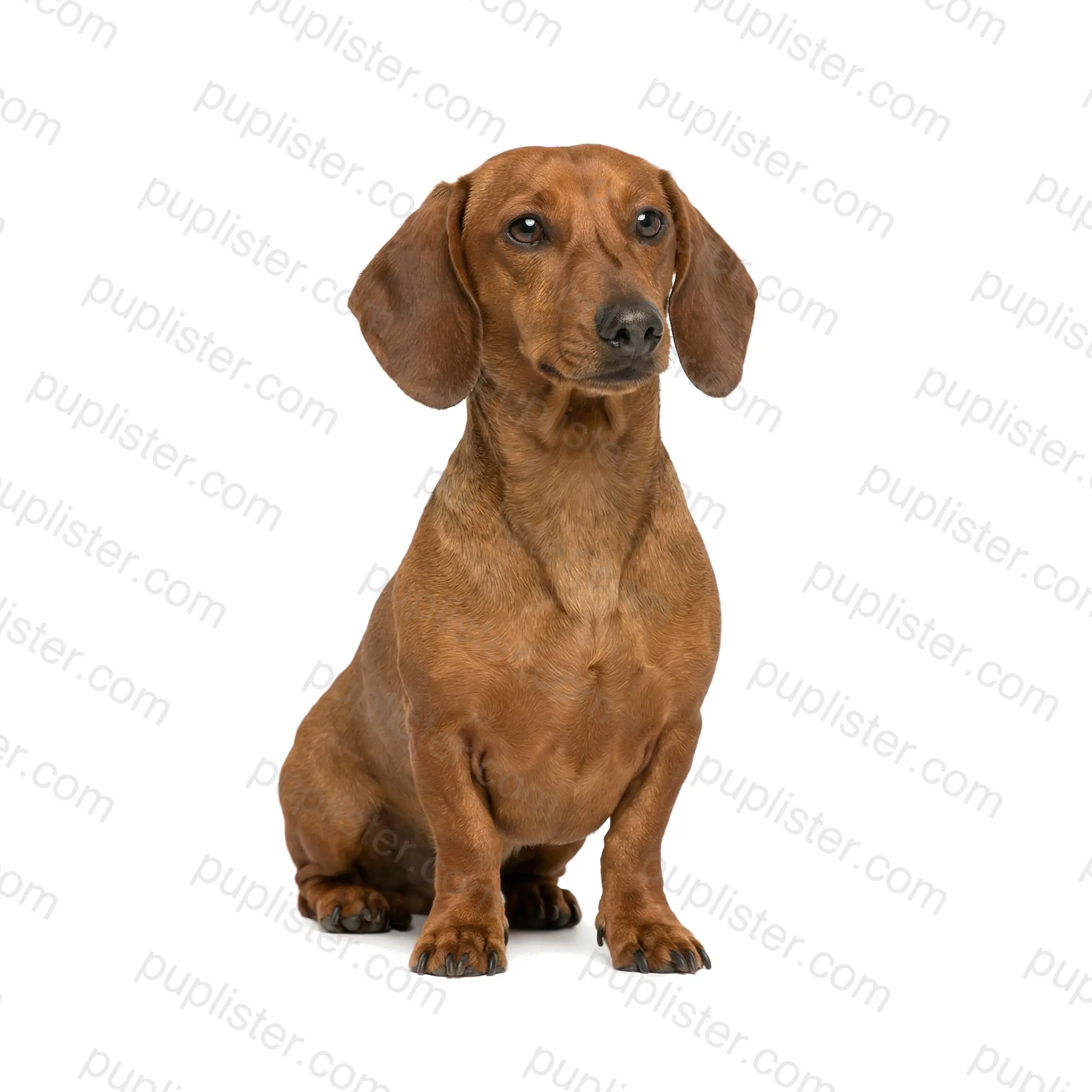
Dachshund
Dachshund Dog

37 pets available

About the Dachshund The Dachshund — affectionately known as the "wiener dog" — was developed in Germany over 300 years ago to hunt badgers in their underground dens, which explains their uniquely elongated body and short, powerful legs. They come in two sizes — Standard (16–32 pounds) and Miniature (under 11 pounds) — and three coat types: smooth, longhaired, and wirehaired, each with its own personality nuances. Their color palette is remarkably varied, including red, black and tan, chocolate, dapple, brindle, and piebald patterns.Temperament & PersonalityDachshunds are bold, clever, and remarkably stubborn — a combination that makes them endlessly entertaining and occasionally infuriating. They're fiercely loyal to their families and can be surprisingly courageous watchdogs, barking with the intensity of a dog three times their size. While affectionate with their people, they can be wary of strangers and may not tolerate rough handling from young children.ProsCompact size and moderate exercise needs make them excellent apartment companionsBold, entertaining personality — constantly amusing their owners with clownish anticsLong lifespan of 12–16 years with proper care and weight managementWirehaired variety sheds minimally and is well-suited for allergy-conscious homesConsExtremely prone to intervertebral disc disease — 1 in 4 will experience back problemsNotoriously difficult to housebreak — often takes 6+ months of consistent trainingStrong prey drive and tunneling instinct — will dig up gardens and chase small animals relentlesslyProne to obesity, which dramatically increases the risk of spinal injuriesCharmed by these spirited little hounds? Find Dachshunds seeking loving homes on Puplister today.

Related Articles

Frequently Asked Questions

What are the key traits of a Basset Hound?
The Basset Hound is known for being patient, easygoing, devoted and stubborn.
How many Basset Hounds are available for adoption?
There are currently 13 Basset Hounds available for adoption on Puplister. Browse the listings above to find your perfect match.
How do I adopt a Basset Hound from Puplister?
To adopt a Basset Hound, browse the available listings on this page, click on a pet you're interested in, and contact the shelter directly through their profile page.