Adopted Cat Meowing All Night: How to Stop It
Adopted cat meowing all night? Discover why it happens, how to create a calm environment, and a realistic timeline to quiet nighttime meows.
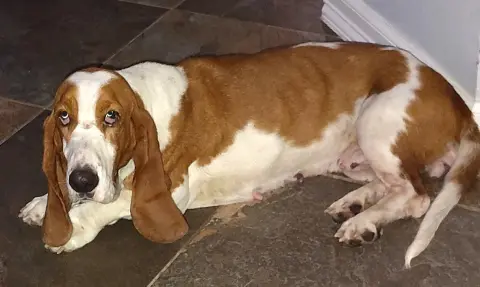
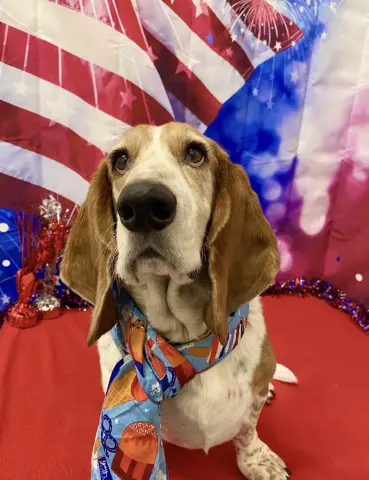
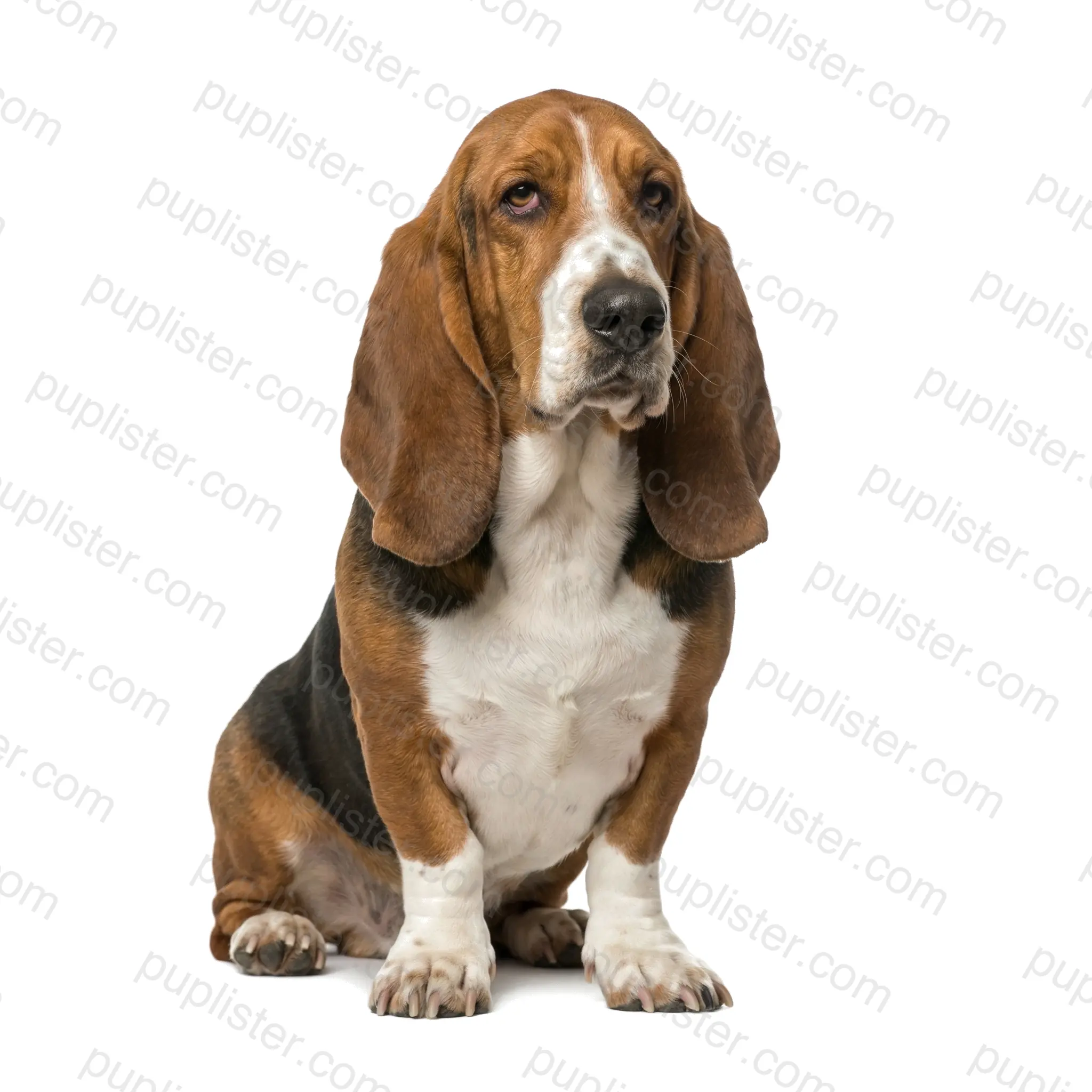
The Basset Hound was developed in France — the name comes from the French word "bas" meaning low — as a scent hound bred to track rabbits and hare through dense underbrush. Standing just 11–15 inches tall but weighing a substantial 40–65 pounds, the Basset is a heavy-boned, low-slung dog with the second-best nose in the canine world, surpassed only by the Bloodhound. Their short, smooth coat comes in classic tri-color, red-and-white, and lemon-and-white patterns, and while easy to brush, they are moderate shedders.
Basset Hounds are famously easygoing, patient, and gentle — their laid-back demeanor makes them wonderful family dogs who get along with virtually everyone, including children and other pets. They are pack animals at heart and dislike being left alone for long periods, often expressing their displeasure with mournful howling. Despite their placid appearance, Bassets can be surprisingly stubborn, especially when they've caught an interesting scent.
A Basset Hound's soulful eyes and gentle heart might be exactly what your family needs — find adoptable Basset Hounds on Puplister.
Answer 5 quick questions to see how well this breed matches your lifestyle.
10 pets available
About the Jack Russell Terrier The Jack Russell Terrier was developed in 19th-century England by Reverend John Russell, who bred a strain of fox-working terriers designed to bolt foxes from their dens without injuring them. Standing 10–15 inches tall and weighing 13–17 pounds, these compact, muscular terriers have a predominantly white coat — smooth, rough, or broken — with tan, black, or tricolor markings. Their small size is deceptive — Jack Russells pack the energy, drive, and determination of a dog twice their size into a remarkably athletic frame.Temperament & PersonalityJack Russell Terriers are fearless, intense, and almost comically confident — they live life at full throttle and expect their owners to keep up. They are clever problem-solvers with an independent streak that makes them entertaining but challenging to manage for inexperienced owners. While loyal and affectionate with their families, their terrier temperament means they can be snappy with young children and combative with other dogs.ProsExceptional athleticism — excel in agility, flyball, and barn hunt competitionsHardy, healthy breed with a long lifespan of 13–16 years and few genetic health issuesSmall enough for apartment living but robust enough for outdoor adventuresAlert and vigilant watchdogs — nothing escapes their noticeConsAstonishing energy level — requires far more exercise than most owners expect from a small dogCan jump up to 5 feet high and dig under fences — expert escape artistsStrong prey drive and aggression toward small animals — not safe with cats, rabbits, or rodentsStubborn and independent — can be difficult to train despite high intelligenceIf you want a small dog with a big personality and boundless energy, search Jack Russells on Puplister.
2 pets available
1About the Flat-Coated Retriever The Flat-Coated Retriever — often called the "Peter Pan of the dog world" — was developed in 19th-century England as a dual-purpose retriever for both land and water work. Standing 22–24.5 inches tall and weighing 60–70 pounds, this elegant sporting dog wears a lustrous, flat-lying coat of solid black or liver that gives the breed its name. Once the most popular retriever in Britain before being eclipsed by Labradors and Goldens, the Flat-Coat remains a hidden gem among sporting breeds.Temperament & PersonalityFlat-Coated Retrievers are famously exuberant and retain their puppy-like enthusiasm well into old age — a trait that delights their owners but demands patience. They are outgoing, optimistic dogs that greet virtually everyone — family, friends, and strangers alike — with unbridled joy and a wagging tail. Their gentle, playful nature makes them excellent family dogs, though their boisterous energy may overwhelm very young children.ProsPerpetually cheerful and optimistic temperament — a natural mood booster for the householdExcellent with children and other dogs — rarely shows aggressionVersatile sporting dog — excels in field trials, agility, obedience, and therapy workBeautiful, easy-care coat that requires only moderate groomingConsTragically high cancer rates — histiocytic sarcoma and other cancers claim many before age 8Average lifespan of just 8–10 years — significantly shorter than similar-sized breedsSlow to mature mentally and physically — can be challenging during the extended adolescent phasePoor watchdog — greets intruders with the same enthusiasm as family membersGive a joyful Flat-Coated Retriever the loving home they deserve — check available dogs on Puplister today.
3 pets available
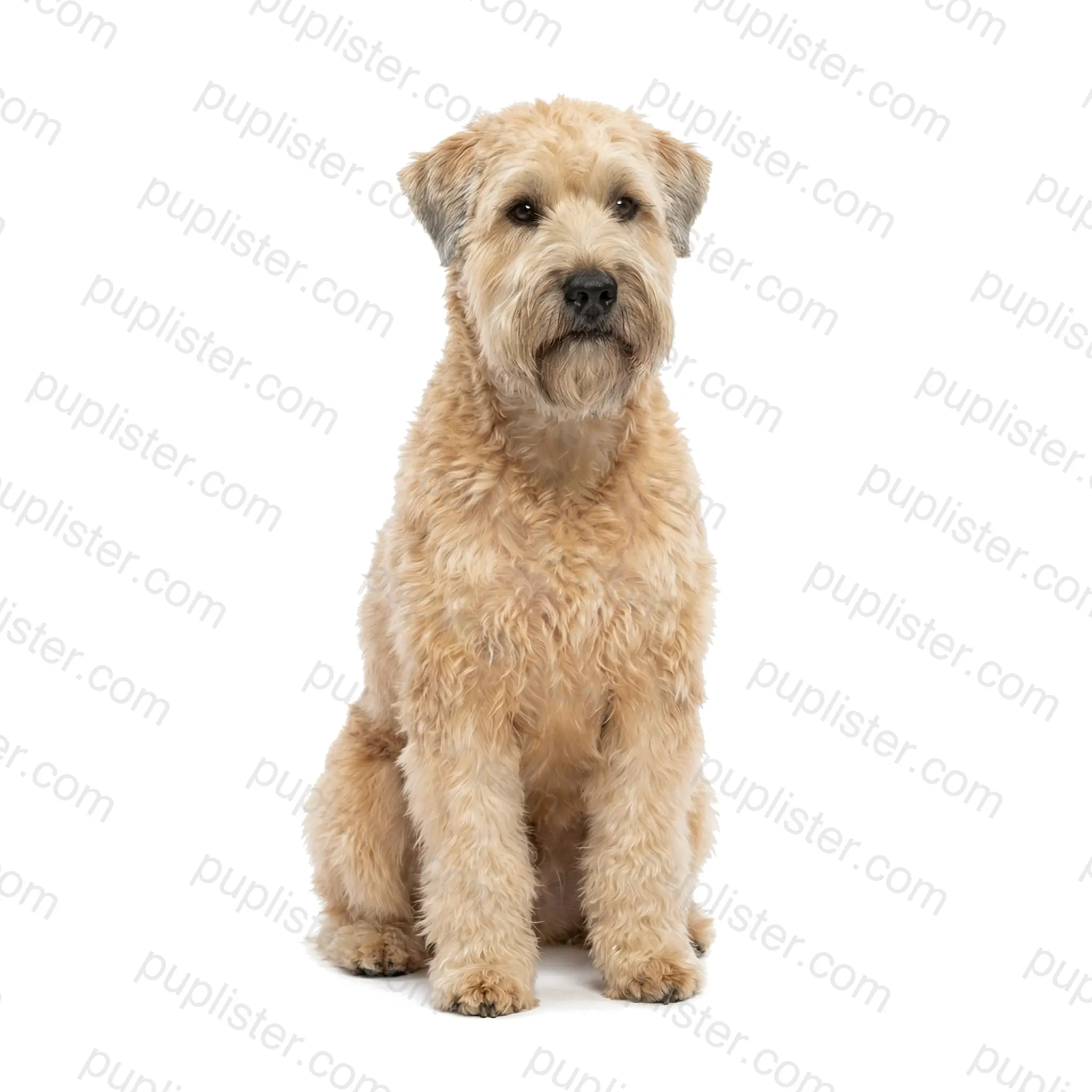
1About the Soft Coated Wheaten Terrier The Soft Coated Wheaten Terrier originated in Ireland over 200 years ago as an all-purpose farm dog — herding livestock, guarding property, and dispatching vermin, earning it the nickname "the poor man's wolfhound." These medium-sized dogs stand 17 to 19 inches tall and weigh 30 to 40 pounds, with a sturdy, compact build beneath their distinctive coat. Their single-layer, silky, wavy coat matures from a dark puppy color to its signature warm wheaten gold by about two years of age — and unlike most terriers, it is soft rather than wiry. Temperament & Personality Soft Coated Wheaten Terriers are exuberant, affectionate, and joyful — known for their characteristic "Wheaten greeting" where they enthusiastically jump up to lick faces, which can be endearing or problematic depending on the recipient. They are deeply devoted to their families, excellent with children, and more tolerant of other dogs than many terrier breeds. Their happy, bouncy energy remains well into adulthood, and they approach life with an infectious enthusiasm that brightens any household. Pros Single coat sheds minimally — more suitable for allergy-sensitive householdsFriendly and exuberant — loves people and gets along with children and other dogsLess aggressive and territorial than many other terrier breedsVersatile and athletic — enjoys agility, hiking, and active family life Cons Coat requires daily brushing and regular professional grooming to prevent mattingProne to protein-losing nephropathy and protein-losing enteropathy — serious breed-specific conditionsJumping and exuberant greeting behavior can be difficult to manageCan be stubborn during training and requires patient, consistent methods The Wheaten Terrier's joyful spirit and soft golden coat are hard to resist — discover available Wheatens on Puplister.
4 pets available
1About the Havanese The Havanese — Cuba's only native breed — descended from the now-extinct Blanquito de la Habana and was the cherished lapdog of Havana's aristocracy for centuries before Cuban refugees brought them to America in the 1960s. Standing 8.5–11.5 inches tall and weighing 7–13 pounds, these small but sturdy dogs have a long, silky, lightweight coat that comes in every color imaginable — including white, cream, gold, black, silver, chocolate, and various parti-color combinations. Their coat is designed to insulate against tropical heat rather than cold, giving it a uniquely airy, flowing quality.Temperament & PersonalityHavanese are cheerful, outgoing, and deeply people-oriented — natural entertainers who thrive on being the center of attention. They are remarkably adaptable and sociable, getting along effortlessly with children, other dogs, cats, and even strangers who receive a warm, tail-wagging welcome. Their playful, clownish nature and expressive faces make them exceptional companion dogs — they're sometimes called "velcro dogs" for their habit of following their owners everywhere.ProsLow-shedding coat is well-suited for allergy-sensitive householdsExcellent with children and other pets — gentle, patient, and playfulHighly trainable and eager to please — respond well to positive reinforcementAdaptable to any living situation — equally happy in apartments or homes with yardsConsLong coat requires daily brushing and regular professional grooming to prevent mattingProne to severe separation anxiety — can become destructive or develop excessive barking when left aloneSusceptible to patellar luxation, cataracts, and Legg-Calve-Perthes diseaseCan be difficult to housebreak — small bladder and sensitive temperament complicate trainingBring the sunshine of Havana into your home — find Havanese dogs waiting for families on Puplister.
Adopted cat meowing all night? Discover why it happens, how to create a calm environment, and a realistic timeline to quiet nighttime meows.
Is your adopted cat not eating? Learn the causes, from stress to past trauma, and discover practical solutions to get your new feline friend eating again.
Is your new cat hiding and won't come out? It's normal, but proactive steps can help. Learn how to build trust with your shy adopted cat.
Discover how long it takes for a rescue cat to feel at home with our experienced guide, covering the 3-3-3 rule and actionable tips.