Adopted Cat Meowing All Night: How to Stop It
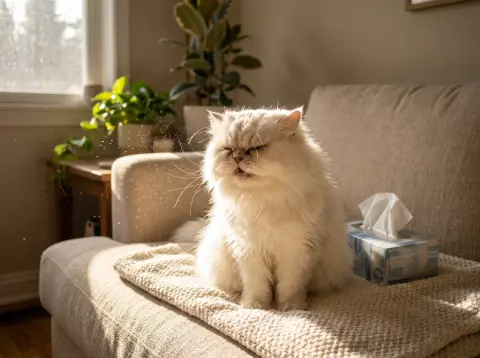
Adopted cat meowing all night? Discover why it happens, how to create a calm environment, and a realistic timeline to quiet nighttime meows.
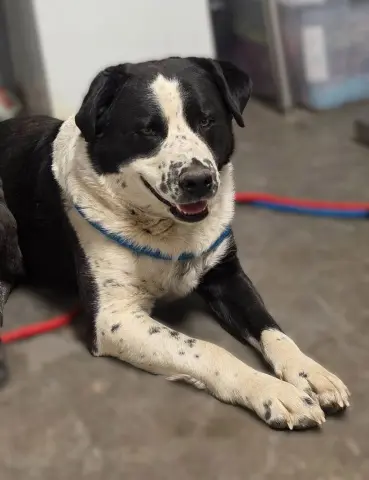
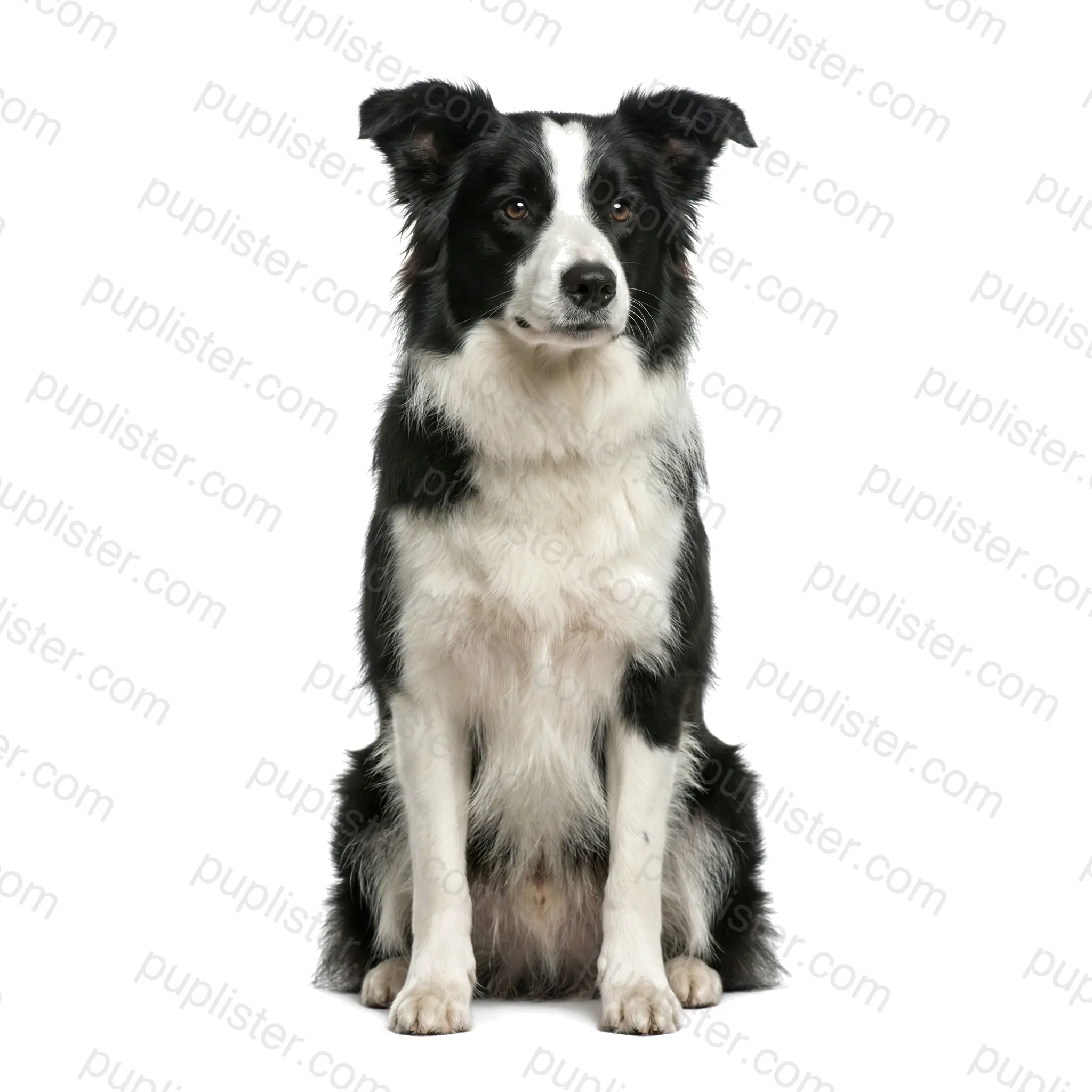
The Border Collie originated in the border region between Scotland and England, where it was refined over centuries into what many consider the most intelligent and capable herding dog in the world. Standing 18–22 inches tall and weighing 30–55 pounds, the Border Collie is a medium-sized, athletic dog with an intense, focused expression and a characteristic crouching herding stance. Their coat comes in two varieties — rough (medium-length) and smooth (short) — and appears in a wide range of colors and patterns, with black-and-white being the most iconic.
Border Collies are extraordinarily intelligent, driven, and sensitive — they are widely regarded as the smartest dog breed, capable of learning hundreds of words and complex sequences of commands. They are deeply devoted to their families and can be wonderful with children, though they may try to herd them. Their intense need for mental and physical stimulation means they are best suited for owners who can provide daily training, work, or competitive sport — a bored Border Collie is a destructive Border Collie.
If you're ready for the most rewarding canine partnership of your life, find adoptable Border Collies on Puplister.
Answer 5 quick questions to see how well this breed matches your lifestyle.
Labrador Retriever / Border Collie
German Shepherd Dog / Border Collie
50 pets available
About the Belgian Malinois The Belgian Malinois hails from the city of Malines in Belgium, where it was developed in the late 1800s as a versatile herding and working dog. Standing 22–26 inches tall and weighing 40–80 pounds, the Malinois is a lean, athletic dog with a square build and an alert, intelligent expression. Their short, straight double coat comes in rich fawn to mahogany with a distinctive black mask and ear tips, and while they shed year-round, grooming needs are minimal.Temperament & PersonalityBelgian Malinois are driven, intense, and extraordinarily intelligent — they are the breed of choice for military, police, and protection work worldwide. They form incredibly strong bonds with their handler and are always eager to work, making them outstanding training partners for experienced owners. However, their intensity and high drive are not for casual pet owners — without proper outlets, a Malinois can become neurotic, destructive, or reactive.ProsUnmatched work ethic and trainability — excels in virtually every canine sport and jobFiercely loyal and protective without being unnecessarily aggressiveAthletic and agile with exceptional speed and enduranceLower incidence of hip dysplasia compared to similar-sized breeds like the German ShepherdConsExtremely high energy and drive — requires several hours of physical and mental exercise dailyNot suitable for first-time dog owners or sedentary householdsCan become reactive or fearful without extensive, early socializationProne to progressive retinal atrophy, elbow dysplasia, and sensitivity to anesthesiaThe Belgian Malinois is a remarkable breed for the right owner — find adoptable Malinois on Puplister who are looking for their forever mission.
5 pets available
1About the Chow Chow One of the most ancient dog breeds in existence, the Chow Chow originated in northern China over 2,000 years ago — where they served as temple guards, sled pullers, and hunting dogs. This sturdy, lion-like breed stands 17–20 inches tall, weighs 45–70 pounds, and is instantly recognizable by its dense double coat, deep-set eyes, and distinctive blue-black tongue. Chow Chows come in five colors — red, black, blue, cinnamon, and cream — with either a rough or smooth coat variety.Temperament & PersonalityChow Chows are often compared to cats in their independent, dignified, and somewhat aloof demeanor. They are fiercely loyal to their family but maintain a reserved — sometimes suspicious — attitude toward strangers, making them formidable natural guard dogs. While devoted to their owners, they are not typically playful or demonstrative and may bond most closely with just one person in the household.ProsNaturally clean dogs — often housebreak themselves with minimal effortQuiet breed that rarely barks without reason — excellent for noise-sensitive living situationsStrong territorial instincts provide reliable home protection without guard trainingLow exercise requirements compared to similarly sized breeds — content with moderate daily walksConsExtremely strong-willed and resistant to traditional obedience training methodsHeavy shedding — especially during seasonal coat blows that last several weeksProne to entropion, hip dysplasia, and autoimmune thyroiditisCan be aggressive toward other dogs and requires extensive early socializationIf a loyal, independent guardian sounds like your ideal match, browse Chow Chows ready for adoption on Puplister now.
4 pets available
2About the Bichon Frise The Bichon Frise is a cheerful, small companion dog with origins tracing to the Mediterranean region — descended from water spaniels and popularized by Spanish, Italian, and French nobility from the 13th century onward. Standing 9.5–11.5 inches tall and weighing 12–18 pounds, the Bichon is a compact, sturdy little dog with a distinctively rounded silhouette. Their hallmark white, powder-puff coat is made up of a soft, dense undercoat and a coarser, curly outer coat that produces minimal shedding but requires professional grooming every 4–6 weeks.Temperament & PersonalityBichons are playful, affectionate, and irrepressibly cheerful — they seem to carry a perpetual smile and have a gift for making everyone around them happy. They thrive on human attention and are excellent with children, seniors, and other pets, adapting easily to various household dynamics. Their social nature means they do not tolerate being left alone for extended periods and may develop separation anxiety.ProsHypoallergenic coat produces minimal dander and virtually no sheddingAdaptable to apartment living — their small size and moderate exercise needs fit urban lifestylesFriendly and sociable with strangers, children, and other animalsCheerful, entertaining personality that brings joy to any householdConsProfessional grooming is essential and can be costly — every 4–6 weeks minimumProne to separation anxiety and may bark excessively or become destructive when left aloneCan be challenging to housebreak — consistent crate training is often necessarySusceptible to patellar luxation, bladder stones, and allergiesA Bichon Frise can brighten even the gloomiest day — find adoptable Bichons on Puplister and add some joy to your life.
36 pets available
1About the Australian Shepherd Despite its name, the Australian Shepherd was actually developed in the western United States during the 19th century, likely from Basque shepherd dogs that passed through Australia on their way to America. These versatile herding dogs stand 18–23 inches tall and weigh 40–65 pounds, with a medium-length double coat that comes in four recognized colors — black, blue merle, red, and red merle — often with striking copper and white markings. Their coats are weather-resistant and require regular brushing to manage moderate-to-heavy shedding.Temperament & PersonalityAustralian Shepherds are brilliant, energetic, and deeply devoted to their families — they thrive when given a purpose and can become anxious or destructive without one. They are excellent with children, often naturally herding and watching over younger family members. Aussies are typically friendly with other dogs but can be reserved with strangers, and their intelligence makes them exceptionally responsive to training.ProsOne of the most intelligent and trainable breeds — excels in agility, flyball, and herdingLoyal and affectionate family companion who bonds closely with all household membersVersatile working dog adaptable to ranch life, sport, or active suburban livingBeautiful, eye-catching coat with striking color variations including heterochromiaConsDemands extensive daily exercise and mental engagement — easily 1–2 hours minimumHeavy shedding, especially during seasonal coat changesMay herd children, cats, and other pets by nipping at heelsProne to epilepsy, hip dysplasia, and the MDR1 gene mutation affecting drug sensitivityAussies are incredible partners for active families — discover adoptable Australian Shepherds waiting for you on Puplister.
Adopted cat meowing all night? Discover why it happens, how to create a calm environment, and a realistic timeline to quiet nighttime meows.
Is your adopted cat not eating? Learn the causes, from stress to past trauma, and discover practical solutions to get your new feline friend eating again.
Is your new cat hiding and won't come out? It's normal, but proactive steps can help. Learn how to build trust with your shy adopted cat.
Discover how long it takes for a rescue cat to feel at home with our experienced guide, covering the 3-3-3 rule and actionable tips.