Adopted Cat Meowing All Night: How to Stop It
Adopted cat meowing all night? Discover why it happens, how to create a calm environment, and a realistic timeline to quiet nighttime meows.
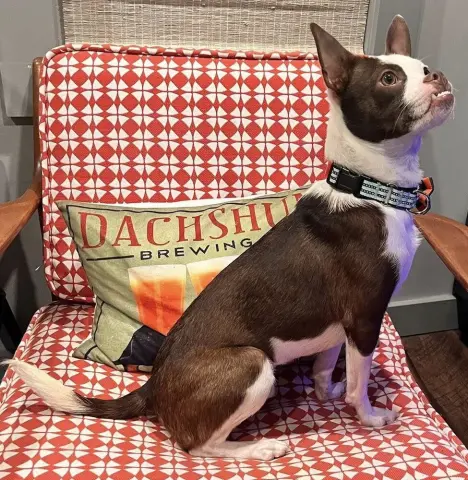
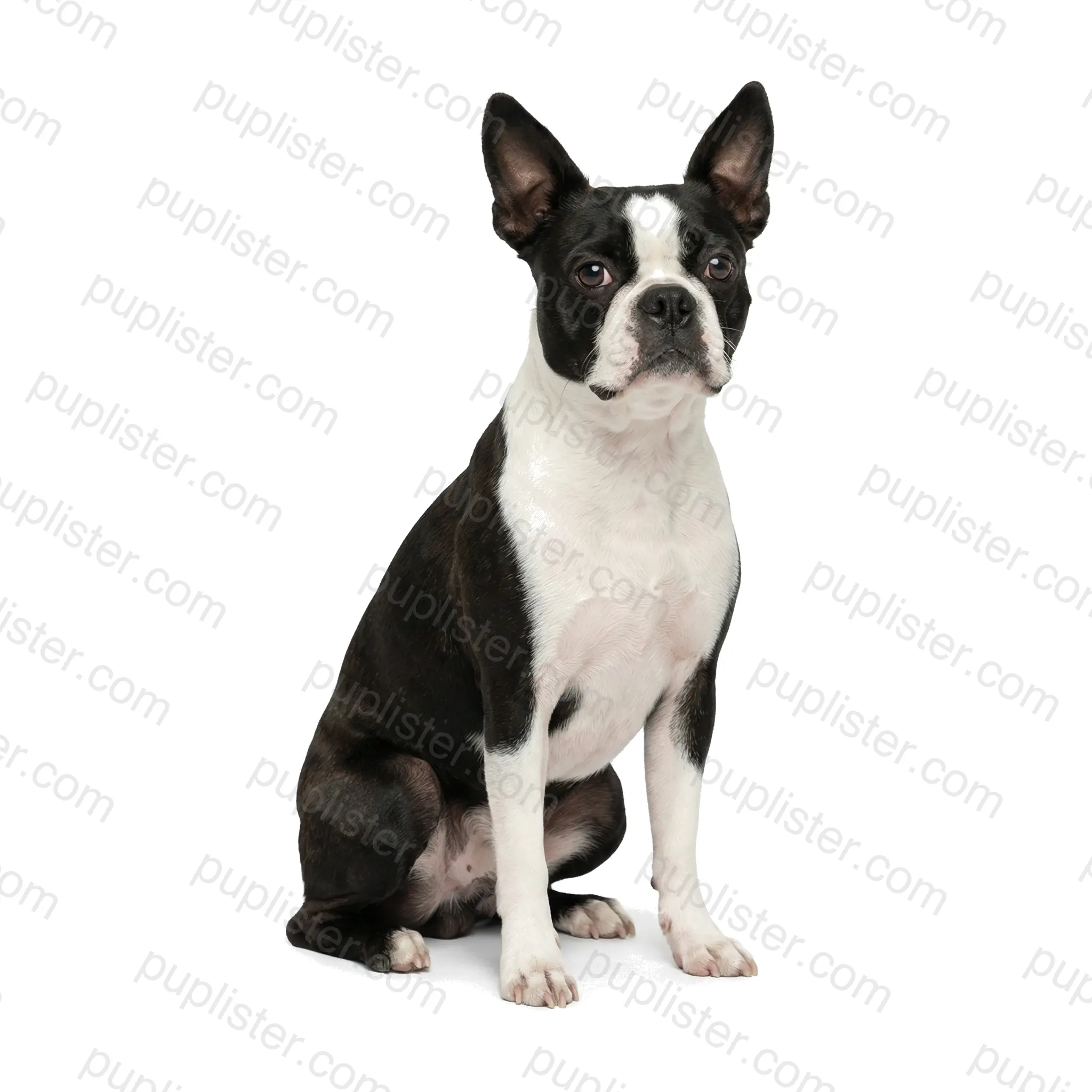
The Boston Terrier — affectionately known as the "American Gentleman" — was developed in Boston, Massachusetts, in the late 1800s from crosses between English Bulldogs and white English Terriers. Standing 15–17 inches tall and weighing 12–25 pounds, they come in three weight classes and sport a compact, well-proportioned build with a distinctive tuxedo-like coat pattern. Their short, smooth coat appears in black-and-white, brindle-and-white, or seal-and-white — always with the characteristic white blaze, muzzle band, and chest marking.
Boston Terriers are lively, intelligent, and brimming with personality — they have a wonderful sense of humor and seem to know exactly how to make their owners laugh. They are exceptionally friendly with people of all ages, including children and seniors, and typically get along well with other dogs and cats. Their moderate energy level and adaptable nature make them equally happy on a brisk walk or curled up on the couch.
Boston Terriers are the perfect blend of charm and companionship — find adoptable Boston Terriers on Puplister now.
Answer 5 quick questions to see how well this breed matches your lifestyle.
1 pet available
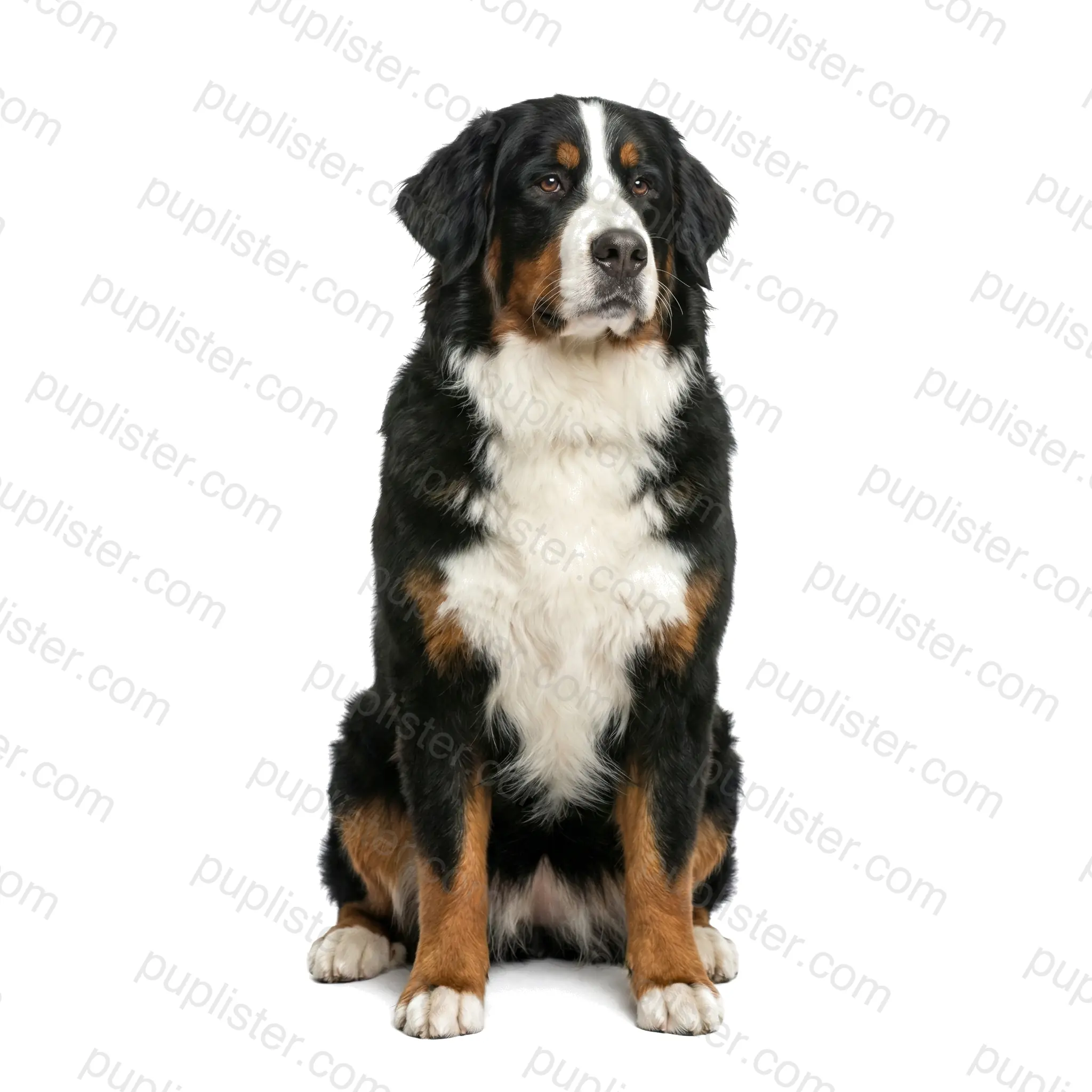
About the Bernese Mountain Dog The Bernese Mountain Dog — or Berner — originated in the Swiss Alps near the city of Bern, where it served as a versatile farm dog capable of drafting, herding, and guarding. These gentle giants stand 23–27.5 inches tall and weigh 70–115 pounds, with a sturdy, well-balanced frame built for mountain work. Their striking tri-color coat — jet black with rich rust and crisp white markings — is long, thick, and slightly wavy, designed to insulate against harsh alpine winters.Temperament & PersonalityBerners are calm, affectionate, and exceptionally good-natured — they are one of the most family-friendly large breeds, renowned for their patience and gentleness with children. They are eager to please and respond well to positive training methods, though they mature slowly and retain puppyish behavior longer than many breeds. They are friendly with other dogs and even cats, and their calm demeanor makes them excellent therapy dogs.ProsExceptionally gentle and patient with children — a true family dogEager to please and highly trainable with positive reinforcementCalm, steady temperament that adapts well to household routinesBeautiful, majestic appearance that commands admiration wherever they goConsTragically short lifespan — averaging only 6–8 years due to high cancer ratesHeavy shedding, especially during seasonal changes, requiring frequent groomingProne to hip and elbow dysplasia, histiocytic sarcoma, and bloatLarge size and drooling tendencies make them poorly suited for small living spacesBerners fill homes with warmth and love — discover adoptable Bernese Mountain Dogs on Puplister and welcome one into your family.
1 pet available
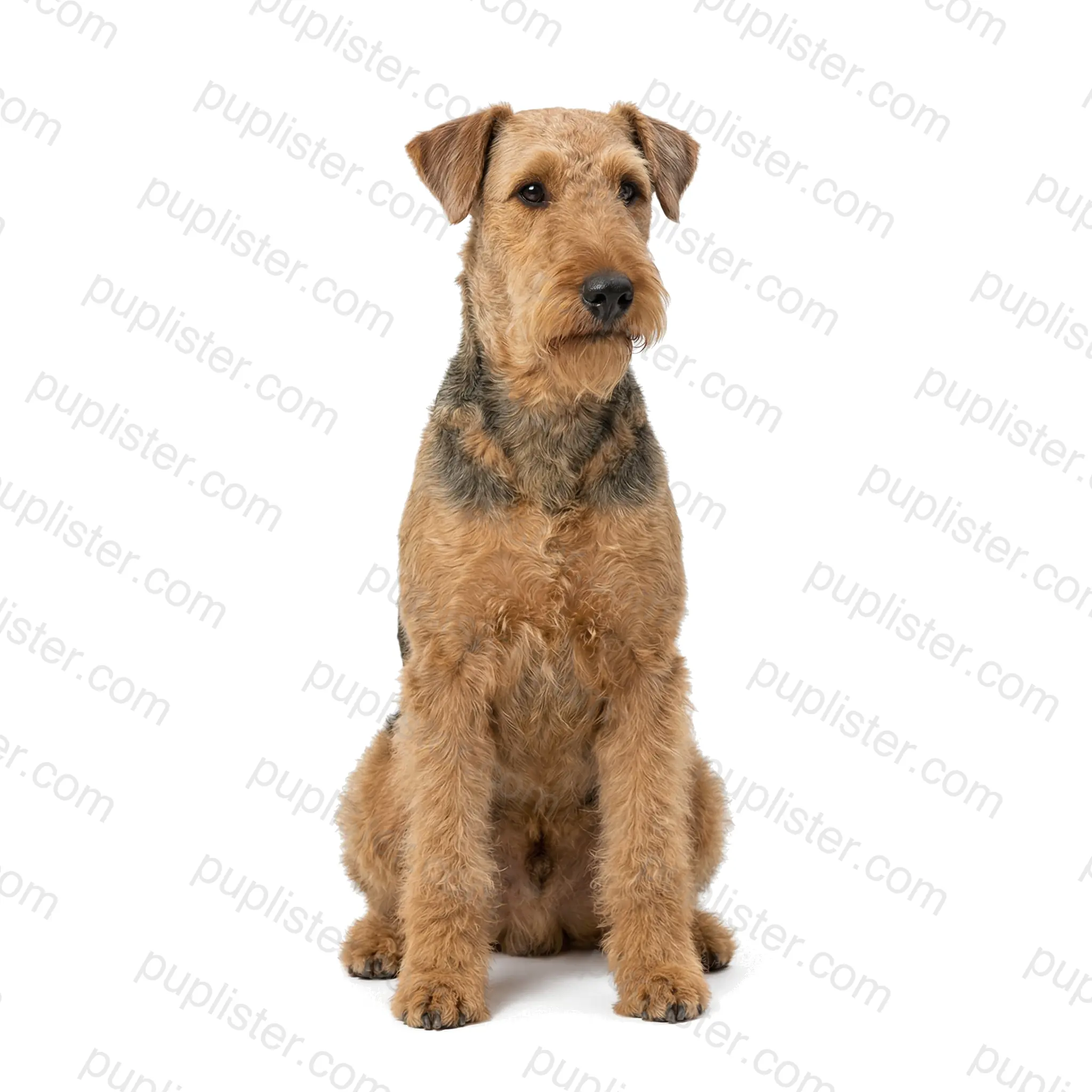
About the Airedale Terrier Known as the "King of Terriers," the Airedale is the largest of all terrier breeds, standing 21–23 inches at the shoulder and weighing 40–65 pounds. Developed in the Aire Valley of Yorkshire, England, during the mid-19th century, the breed was originally used for hunting otters, rats, and other vermin along riverbanks. The Airedale sports a dense, wiry coat in a distinctive tan-and-black saddle pattern that is low-shedding but requires regular hand-stripping or clipping to maintain its texture.Temperament & PersonalityAiredales are bold, confident, and endlessly energetic — they approach life with a terrier's tenacity and a larger dog's courage. They are playful and affectionate with their families, including children, and often serve as devoted watchdogs. However, they can be strong-willed and may try to assert dominance over other dogs, so early socialization is key.ProsVersatile working dog — excels in obedience, agility, and even search-and-rescueLow-shedding, wiry coat suitable for allergy-conscious householdsLoyal protector with natural guarding instinctsHighly intelligent and quick to learn new commands and tricksConsRequires significant daily exercise and mental stimulation to prevent destructive behaviorCan be stubborn and independent, making training a challenge for novice ownersProne to digging — they will excavate your yard if left unsupervisedSusceptible to hip dysplasia and skin allergies that may require ongoing veterinary careReady to welcome the King of Terriers into your home? Search for adoptable Airedale Terriers on Puplister today.
113 pets available
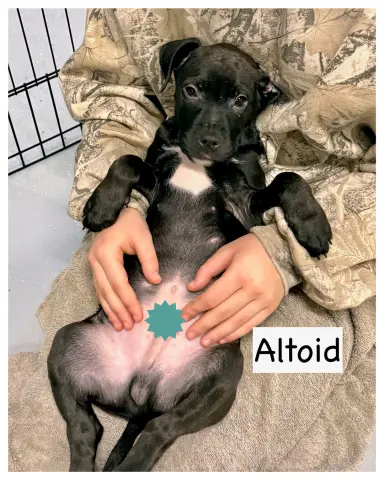
2About the American Staffordshire Terrier The American Staffordshire Terrier — often called the AmStaff — was developed in the United States from crosses between Bulldogs and Terriers, earning AKC recognition in 1936. They stand 17–19 inches at the shoulder and weigh 40–70 pounds, presenting a stocky, muscular build that radiates power and confidence. Their short, stiff coat comes in a wide variety of colors and patterns, including blue, fawn, brindle, and black, and requires only minimal grooming.Temperament & PersonalityAmStaffs are known for their courage, intelligence, and unwavering loyalty to their families — they are genuinely affectionate dogs who love being at the center of household activities. They are typically excellent with children and are known for their patience and tolerance with youngsters. Proper socialization from puppyhood is critical, as they can be assertive with other dogs, and their strength demands a handler who can provide calm, confident leadership.ProsIncredibly loyal and protective of their family without being overly aggressiveSmart and highly trainable — they excel in obedience, rally, and therapy workShort coat makes grooming a breezeSturdy and athletic, perfect for active families who enjoy outdoor activitiesConsMay face breed-specific legislation and insurance restrictionsRequires early and ongoing socialization with other dogs and animalsProne to hip dysplasia, cardiac disease, and skin allergiesTheir strong jaws and determination mean they can destroy toys and furniture quicklyAmStaffs make incredible family companions when given the right home — search for adoptable American Staffordshire Terriers on Puplister.
1 pet available
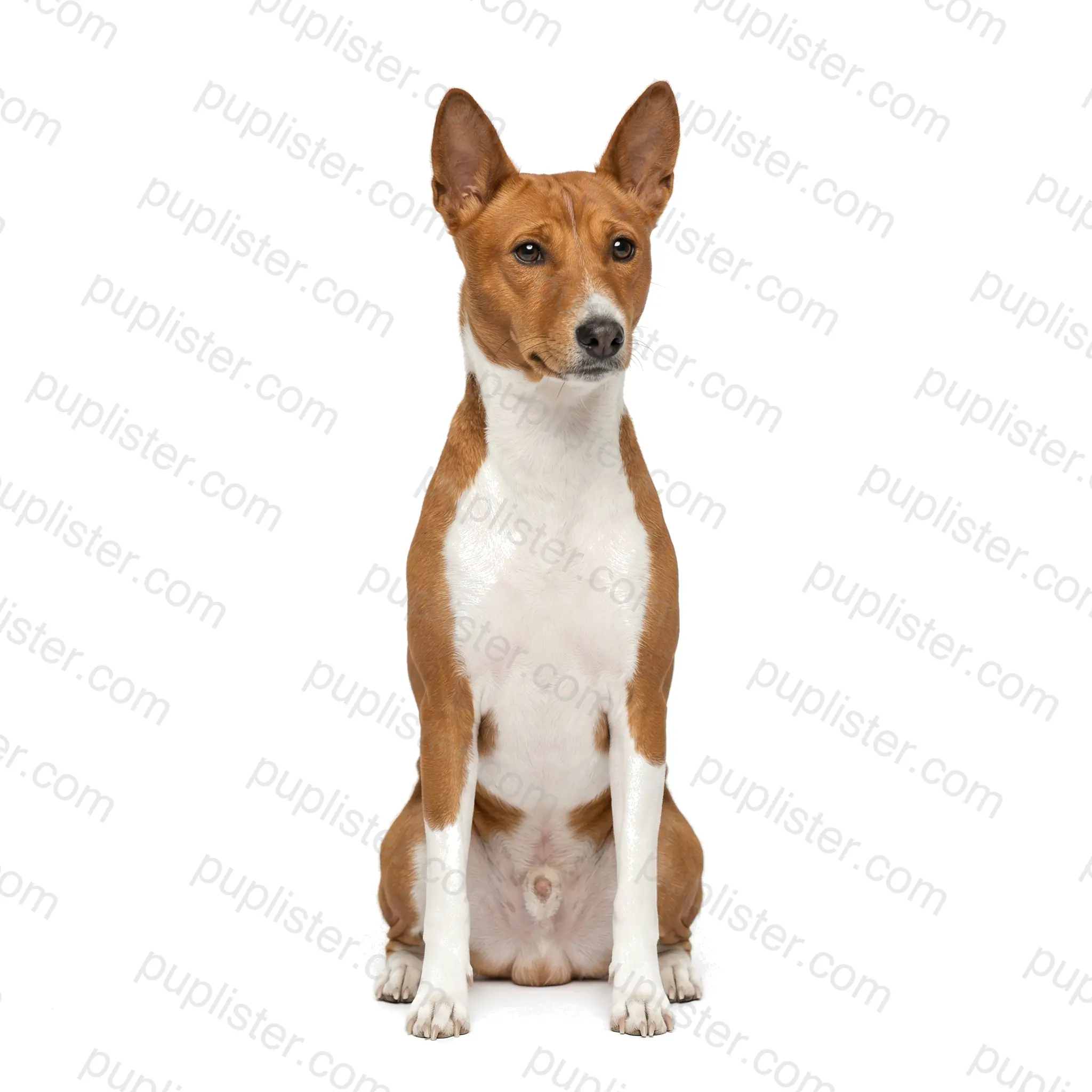
1About the Basenji The Basenji is an ancient breed originating from Central Africa — specifically the Congo region — where it was used by indigenous peoples for hunting small game in dense forests. Often called the "barkless dog," Basenjis stand 16–17 inches tall and weigh 22–24 pounds, with a sleek, elegant build made for speed and agility. Their short, fine coat comes in chestnut red, black, tricolor, and brindle — always with white markings on the feet, chest, and tail tip — and requires almost no grooming.Temperament & PersonalityBasenjis are curious, independent, and remarkably cat-like in their behavior — they groom themselves fastidiously, can climb, and often perch on high surfaces to survey their domain. While they don't bark, they are far from silent, producing a unique yodel-like sound called a "baroo." They bond closely with their family but are aloof with strangers, and their strong prey drive and independent nature make them a challenging but rewarding breed for experienced owners.ProsVirtually no doggy odor and minimal shedding — one of the cleanest dog breedsQuiet breed that doesn't bark, ideal for noise-sensitive living situationsCompact and athletic with a graceful, elegant appearanceHighly intelligent and endlessly entertaining with their curious anticsConsExtremely independent and stubborn — conventional obedience training often failsStrong prey drive makes them unsafe around small animals and unreliable off-leashNotorious escape artists who can climb fences and open gatesProne to Fanconi syndrome, progressive retinal atrophy, and hypothyroidismIntrigued by the Basenji's unique charm? Explore adoptable Basenjis on Puplister and meet this one-of-a-kind breed.
Adopted cat meowing all night? Discover why it happens, how to create a calm environment, and a realistic timeline to quiet nighttime meows.
Is your adopted cat not eating? Learn the causes, from stress to past trauma, and discover practical solutions to get your new feline friend eating again.
Is your new cat hiding and won't come out? It's normal, but proactive steps can help. Learn how to build trust with your shy adopted cat.
Discover how long it takes for a rescue cat to feel at home with our experienced guide, covering the 3-3-3 rule and actionable tips.