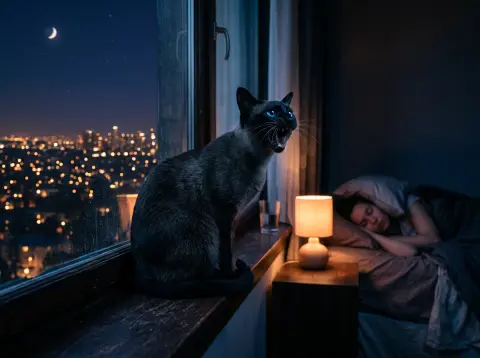
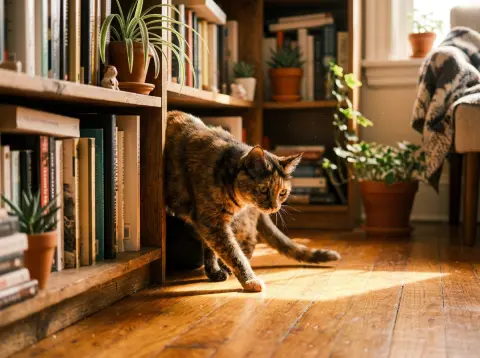
Adopted Cat Meowing All Night: How to Stop It
Adopted cat meowing all night? Discover why it happens, how to create a calm environment, and a realistic timeline to quiet nighttime meows.
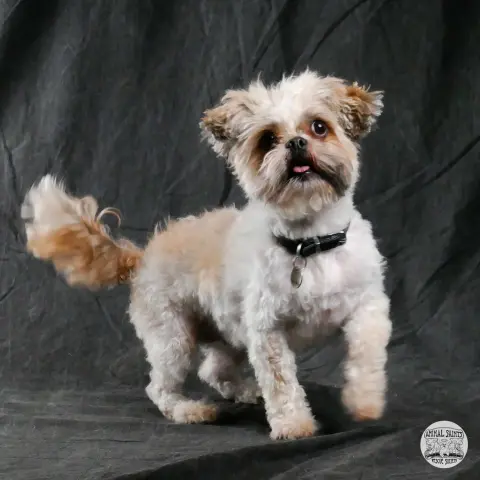
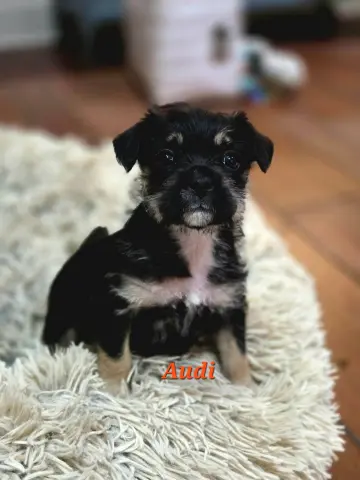
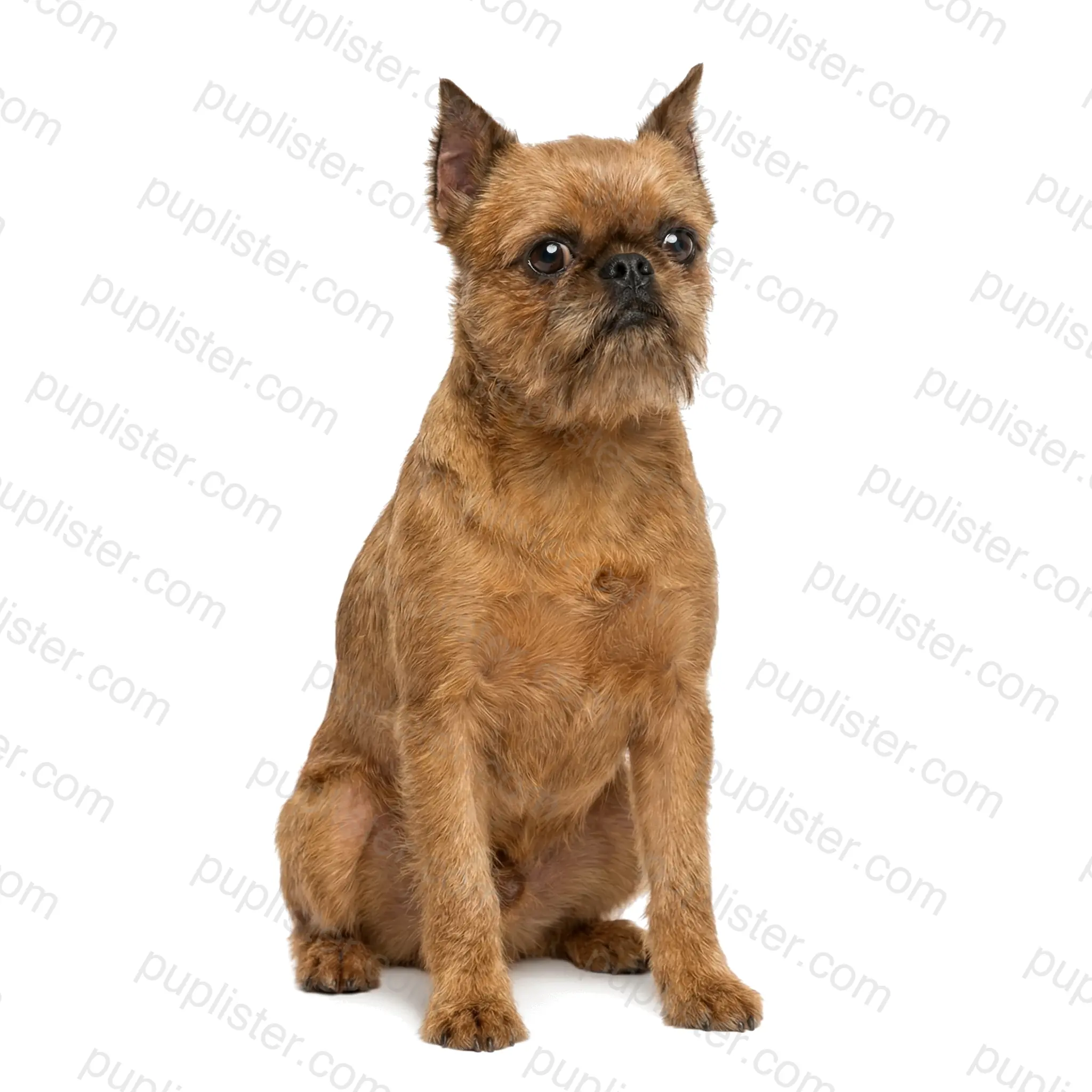
The Brussels Griffon — or Griffon Bruxellois — originated in Brussels, Belgium, where it was initially bred as a stable ratter before becoming a beloved companion of Belgian nobility in the 19th century. These tiny, expressive dogs stand 7–10 inches tall and weigh 8–10 pounds, with a sturdy, thickset body that carries surprising heft for their size. They come in two coat varieties — rough (wiry, dense) and smooth (short, glossy) — in colors including red, beige, black-and-tan, and solid black.
Brussels Griffons are spirited, curious, and remarkably self-important — they carry themselves with a confidence that far exceeds their diminutive stature. They form intense bonds with their primary person and can be quite demanding of attention, often described as "velcro dogs." While they can be good with older, respectful children, their small size and sometimes snappish nature make them unsuitable for households with toddlers or rough-handling youngsters.
These tiny dogs have enormous personalities — discover adoptable Brussels Griffons on Puplister and meet your perfect pint-sized companion.
Answer 5 quick questions to see how well this breed matches your lifestyle.
16 pets available
1About the Bulldog The Bulldog — also known as the English Bulldog — traces its ancestry to 13th-century England, where its predecessors were used in the brutal sport of bull-baiting before the practice was outlawed in 1835. Today's Bulldog stands 14–15 inches tall and weighs 40–50 pounds, with a wide, low-slung, heavy-set body, a massive short-faced head, and the breed's trademark underbite and wrinkled face. Their short, smooth coat comes in red, white, fawn, fallow, and various brindle patterns, requiring minimal grooming beyond regular wrinkle cleaning.Temperament & PersonalityModern Bulldogs are gentle, dignified, and surprisingly affectionate — a far cry from their fierce bull-baiting ancestors. They are calm, patient, and excellent with children, earning them a reputation as one of the most dependable and predictable family companions. Bulldogs are sociable with other pets and typically friendly with strangers, though they can be courageous and protective when they sense a genuine threat to their family.ProsCalm, low-energy temperament — perfectly content with short walks and lots of couch timeExcellent apartment dog due to compact size and minimal exercise requirementsPatient and gentle with children, making them outstanding family petsMinimal grooming needs with their short, easy-care coatConsSevere brachycephalic syndrome causes chronic breathing difficulties, snoring, and heat intoleranceExtremely prone to health problems — including hip dysplasia, cherry eye, skin fold infections, and spinal issuesCannot tolerate heat or vigorous exercise and is at high risk of heatstrokeExpensive to own due to frequent veterinary visits and potential for costly surgical interventionsBulldogs may have special needs, but they repay every ounce of care with unwavering devotion — find adoptable Bulldogs on Puplister.
247 pets available
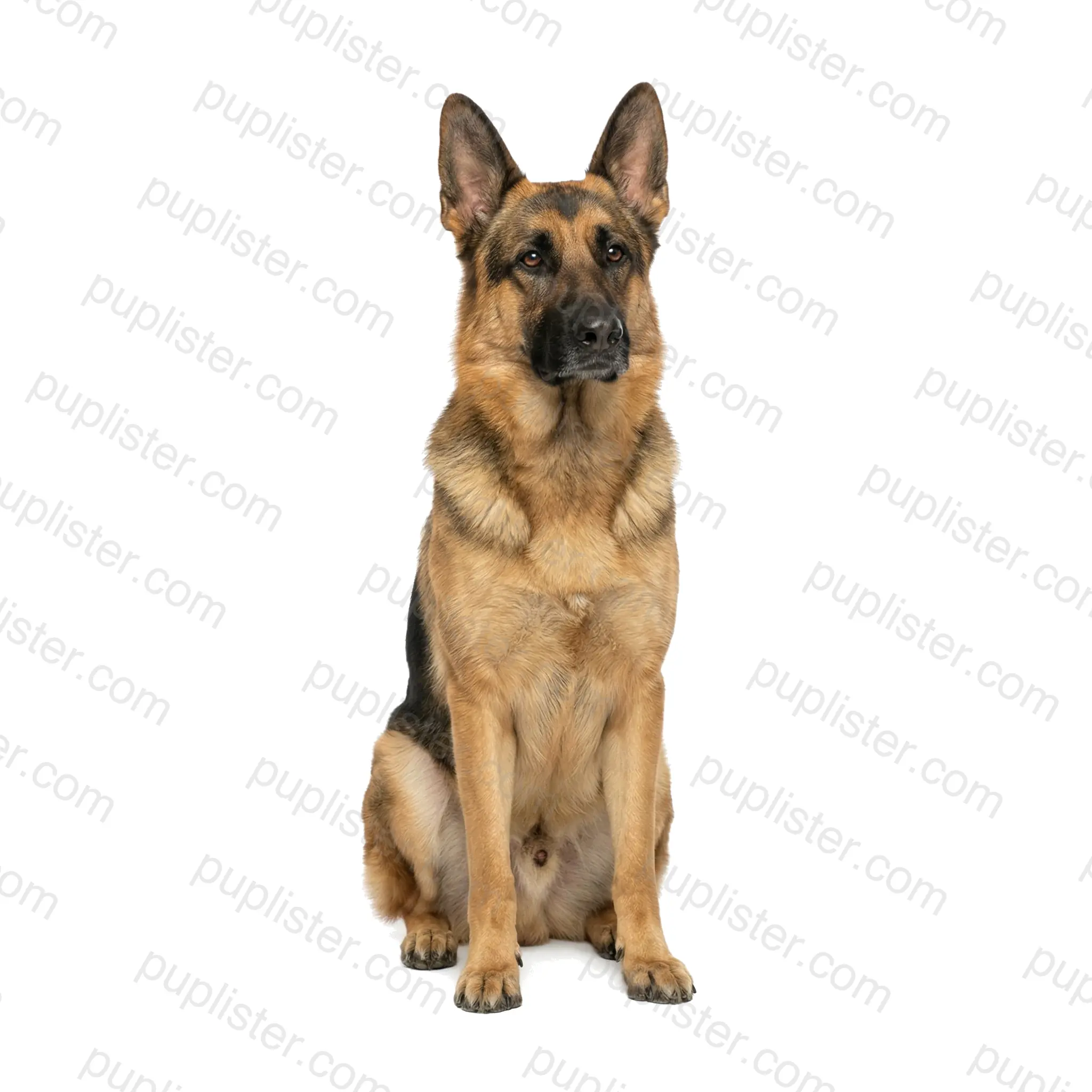
2About the German Shepherd Dog The German Shepherd Dog — created by Captain Max von Stephanitz in 1899 — was meticulously developed to be the ultimate herding and working dog, combining intelligence, strength, and versatility in one powerful package. Standing 22–26 inches tall and weighing 50–90 pounds, this noble breed has a dense double coat most commonly seen in black and tan, though sable, all-black, and bi-color variations also occur. German Shepherds are the world's leading police, military, and service dog breed — a testament to their extraordinary trainability and work ethic.Temperament & PersonalityGerman Shepherds are confident, courageous, and deeply loyal — forming an unbreakable bond with their handler or family. They are naturally protective and will position themselves between their family and any perceived threat without hesitation. With proper socialization, they are excellent with children in their household — patient and watchful — though their herding instinct may lead them to nip at the heels of running kids.ProsAmong the top 3 most intelligent breeds — capable of learning complex tasks and commandsVersatile working ability — excels in protection, search and rescue, detection, and service rolesLoyal and naturally protective — an outstanding family guardian without excessive aggressionAthletic and eager to participate in virtually any outdoor activity with their ownerConsHigh incidence of hip and elbow dysplasia — especially in poorly bred linesSheds profusely year-round with intense seasonal "coat blows" twice yearlyProne to degenerative myelopathy — a progressive spinal cord disease with no cureRequires significant daily exercise and mental stimulation — at least 90 minutes — or develops neurotic behaviorsFind a loyal and capable German Shepherd Dog ready to join your family — start your search on Puplister.
20 pets available
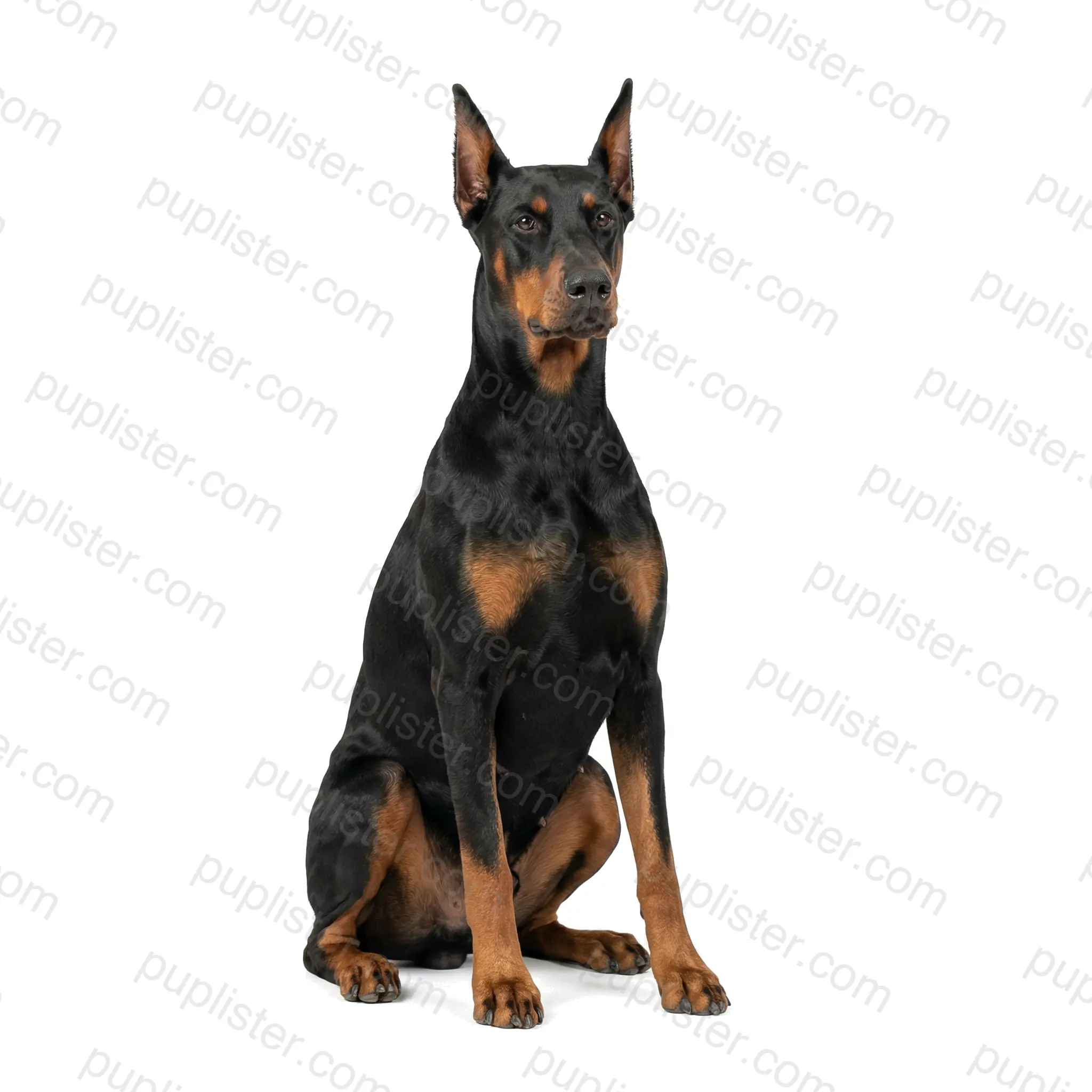
About the Doberman Pinscher Created by German tax collector Karl Friedrich Louis Dobermann in the 1890s, the Doberman Pinscher was engineered to be the ideal personal protection dog — combining speed, strength, intelligence, and unwavering loyalty. Standing 24–28 inches tall and weighing 60–100 pounds, this sleek, powerful breed has a short, smooth coat in black, red, blue, or fawn — always with distinctive rust markings. The Doberman's athletic, wedge-shaped silhouette and alert expression project an air of nobility and capability that few breeds can match.Temperament & PersonalityDobermans are often called "velcro dogs" for their intense devotion to their owners — they want to be by your side at all times and are remarkably attuned to household dynamics. Beneath their imposing exterior lies a sensitive, affectionate dog that thrives on companionship and wilts under harsh treatment. They are naturally protective without being aggressive and are surprisingly gentle and patient with children in their own family.ProsRanked as the 5th most intelligent dog breed — learns new commands in under 5 repetitionsExceptional natural guard dog — protective instincts require no specialized trainingMinimal grooming needs — short coat stays clean with occasional brushingAthletic and versatile — excels in Schutzhund, obedience, agility, and therapy workConsProne to dilated cardiomyopathy — the leading cause of death in the breed, affecting up to 58%Susceptible to von Willebrand's disease, a blood clotting disorderCan develop separation anxiety and destructive behaviors if left alone for long periodsRequires firm, experienced handling — not suitable for passive or first-time ownersLooking for a devoted protector and loyal family companion? Explore Doberman Pinschers on Puplister.
2 pets available
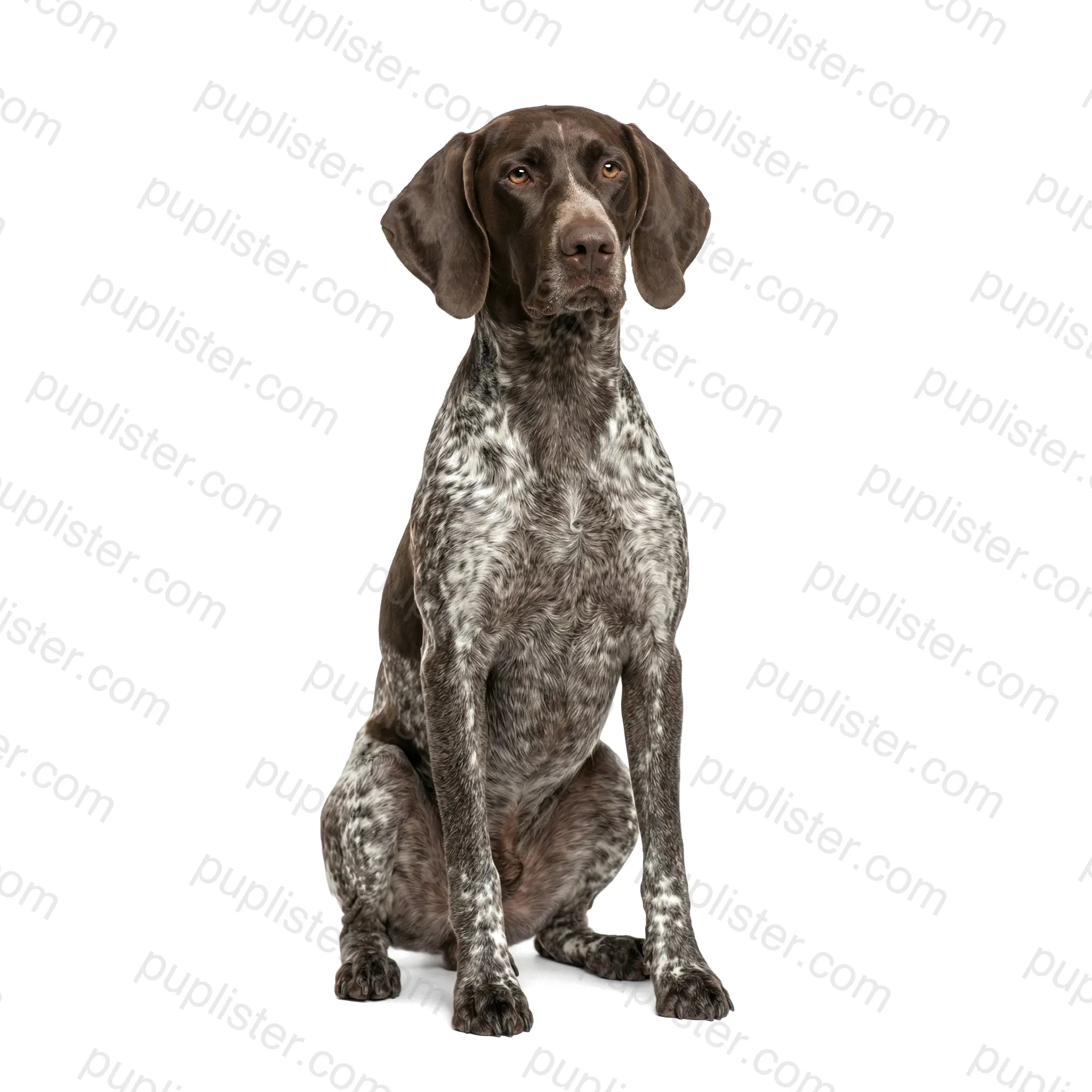
About the German Shorthaired Pointer The German Shorthaired Pointer — or GSP — was developed in 19th-century Germany as the ultimate versatile hunting dog, capable of pointing, retrieving, and tracking game on land and in water. Standing 21–25 inches tall and weighing 45–70 pounds, this athletic breed has a short, dense, water-repellent coat in distinctive liver and white patterns — solid liver, liver and white ticked, liver and white patched, or liver roan. Their streamlined, muscular build and noble head profile reflect generations of careful breeding for both form and function.Temperament & PersonalityGerman Shorthaired Pointers are enthusiastic, affectionate, and virtually tireless — they approach every activity with full commitment and boundless energy. They are wonderful family dogs that thrive on inclusion in all household activities and are genuinely good-natured with children and other dogs. However, their intensity and need for purpose mean they are not suited to sedentary households — a bored GSP can become remarkably destructive.ProsOne of the most versatile sporting dogs — hunts, swims, runs, and retrieves with equal proficiencyEasy-care coat that sheds moderately and requires only weekly brushingFriendly and affectionate with family — forms strong bonds with every household memberExcellent health and longevity for a large breed — typically 12–14 yearsConsExtremely high energy — needs 1–2 hours of vigorous exercise daily at minimumStrong prey drive makes them unreliable off-leash and dangerous around cats and small petsCan be jumpy and mouthy during adolescence — takes 2–3 years to fully matureProne to separation anxiety and will howl, dig, and chew if left alone too longActive families and outdoor enthusiasts — your ideal companion awaits among GSPs on Puplister.
Adopted cat meowing all night? Discover why it happens, how to create a calm environment, and a realistic timeline to quiet nighttime meows.
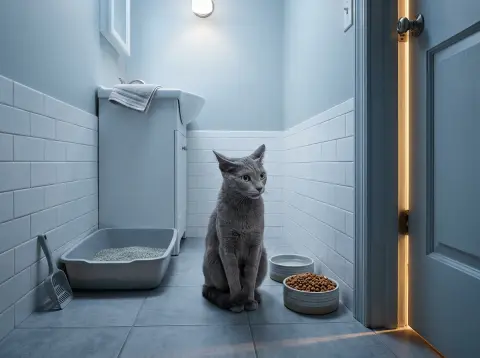
Is your adopted cat not eating? Learn the causes, from stress to past trauma, and discover practical solutions to get your new feline friend eating again.
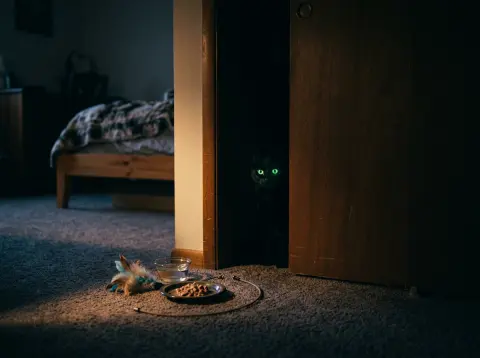
Is your new cat hiding and won't come out? It's normal, but proactive steps can help. Learn how to build trust with your shy adopted cat.
Discover how long it takes for a rescue cat to feel at home with our experienced guide, covering the 3-3-3 rule and actionable tips.