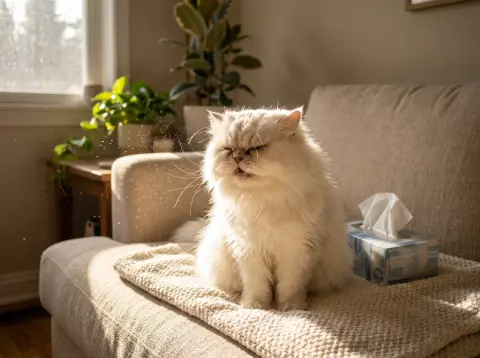
Adopted Cat Meowing All Night: How to Stop It
Adopted cat meowing all night? Discover why it happens, how to create a calm environment, and a realistic timeline to quiet nighttime meows.
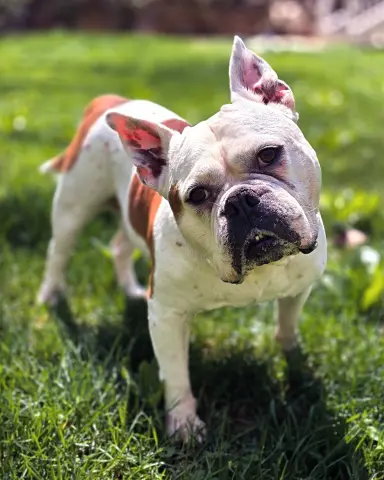
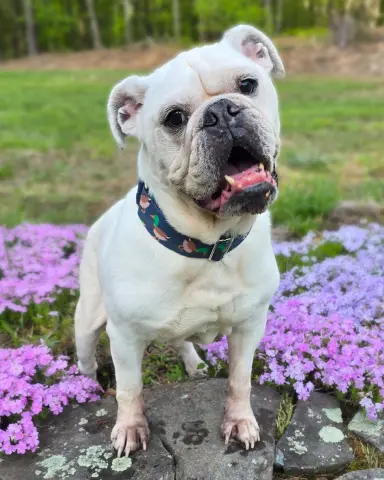
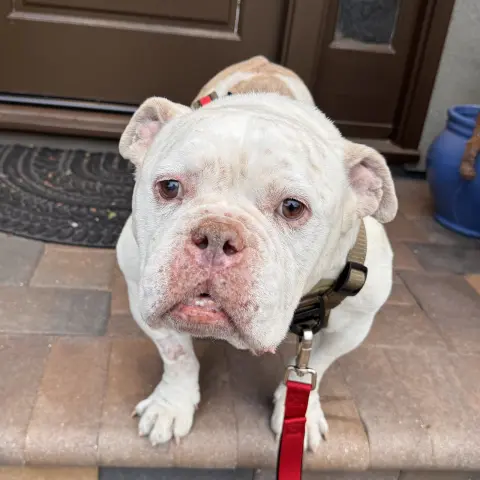
The Bulldog — also known as the English Bulldog — traces its ancestry to 13th-century England, where its predecessors were used in the brutal sport of bull-baiting before the practice was outlawed in 1835. Today's Bulldog stands 14–15 inches tall and weighs 40–50 pounds, with a wide, low-slung, heavy-set body, a massive short-faced head, and the breed's trademark underbite and wrinkled face. Their short, smooth coat comes in red, white, fawn, fallow, and various brindle patterns, requiring minimal grooming beyond regular wrinkle cleaning.
Modern Bulldogs are gentle, dignified, and surprisingly affectionate — a far cry from their fierce bull-baiting ancestors. They are calm, patient, and excellent with children, earning them a reputation as one of the most dependable and predictable family companions. Bulldogs are sociable with other pets and typically friendly with strangers, though they can be courageous and protective when they sense a genuine threat to their family.
Bulldogs may have special needs, but they repay every ounce of care with unwavering devotion — find adoptable Bulldogs on Puplister.

Answer 5 quick questions to see how well this breed matches your lifestyle.
3 pets available
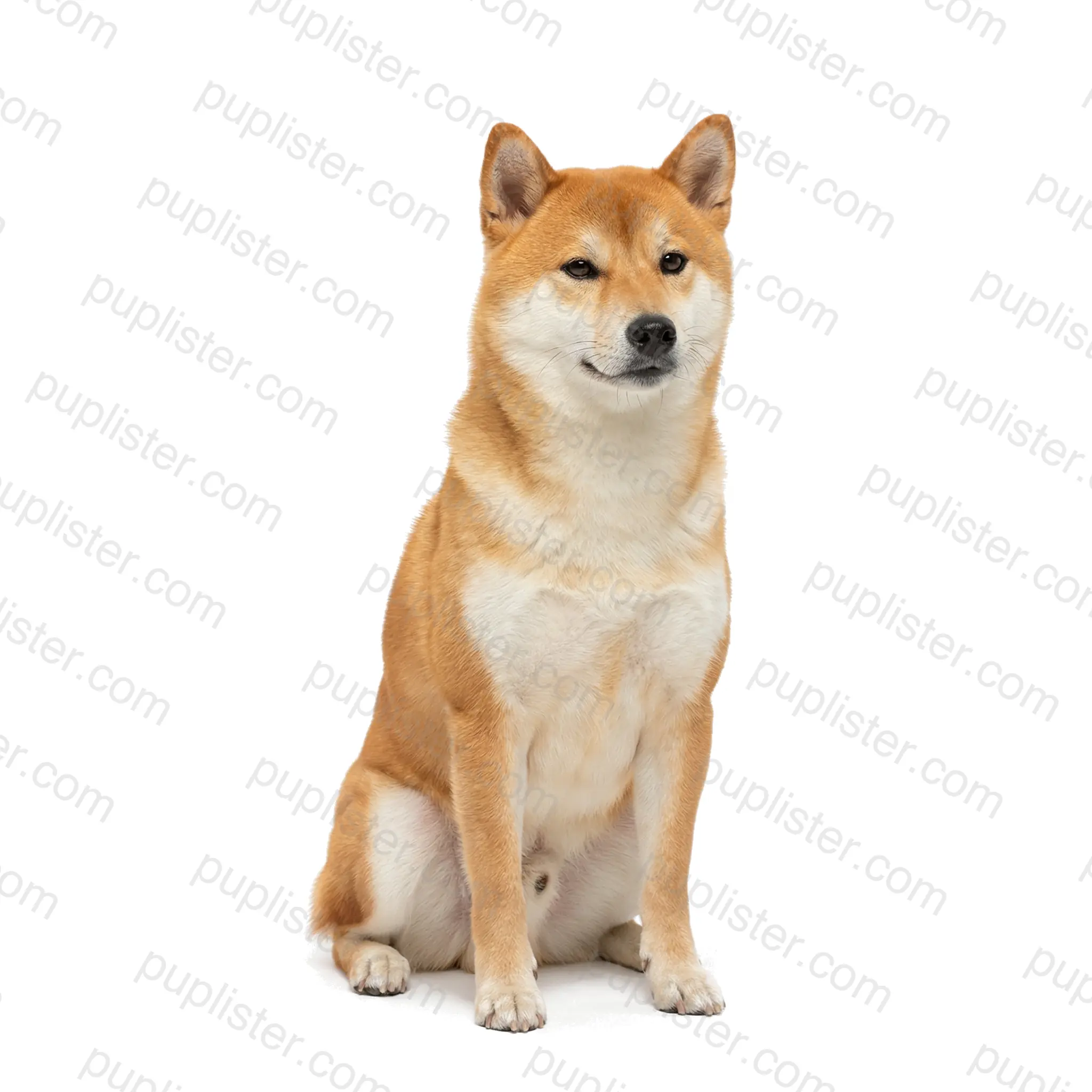
1About the Soft Coated Wheaten Terrier The Soft Coated Wheaten Terrier originated in Ireland over 200 years ago as an all-purpose farm dog — herding livestock, guarding property, and dispatching vermin, earning it the nickname "the poor man's wolfhound." These medium-sized dogs stand 17 to 19 inches tall and weigh 30 to 40 pounds, with a sturdy, compact build beneath their distinctive coat. Their single-layer, silky, wavy coat matures from a dark puppy color to its signature warm wheaten gold by about two years of age — and unlike most terriers, it is soft rather than wiry. Temperament & Personality Soft Coated Wheaten Terriers are exuberant, affectionate, and joyful — known for their characteristic "Wheaten greeting" where they enthusiastically jump up to lick faces, which can be endearing or problematic depending on the recipient. They are deeply devoted to their families, excellent with children, and more tolerant of other dogs than many terrier breeds. Their happy, bouncy energy remains well into adulthood, and they approach life with an infectious enthusiasm that brightens any household. Pros Single coat sheds minimally — more suitable for allergy-sensitive householdsFriendly and exuberant — loves people and gets along with children and other dogsLess aggressive and territorial than many other terrier breedsVersatile and athletic — enjoys agility, hiking, and active family life Cons Coat requires daily brushing and regular professional grooming to prevent mattingProne to protein-losing nephropathy and protein-losing enteropathy — serious breed-specific conditionsJumping and exuberant greeting behavior can be difficult to manageCan be stubborn during training and requires patient, consistent methods The Wheaten Terrier's joyful spirit and soft golden coat are hard to resist — discover available Wheatens on Puplister.
5 pets available
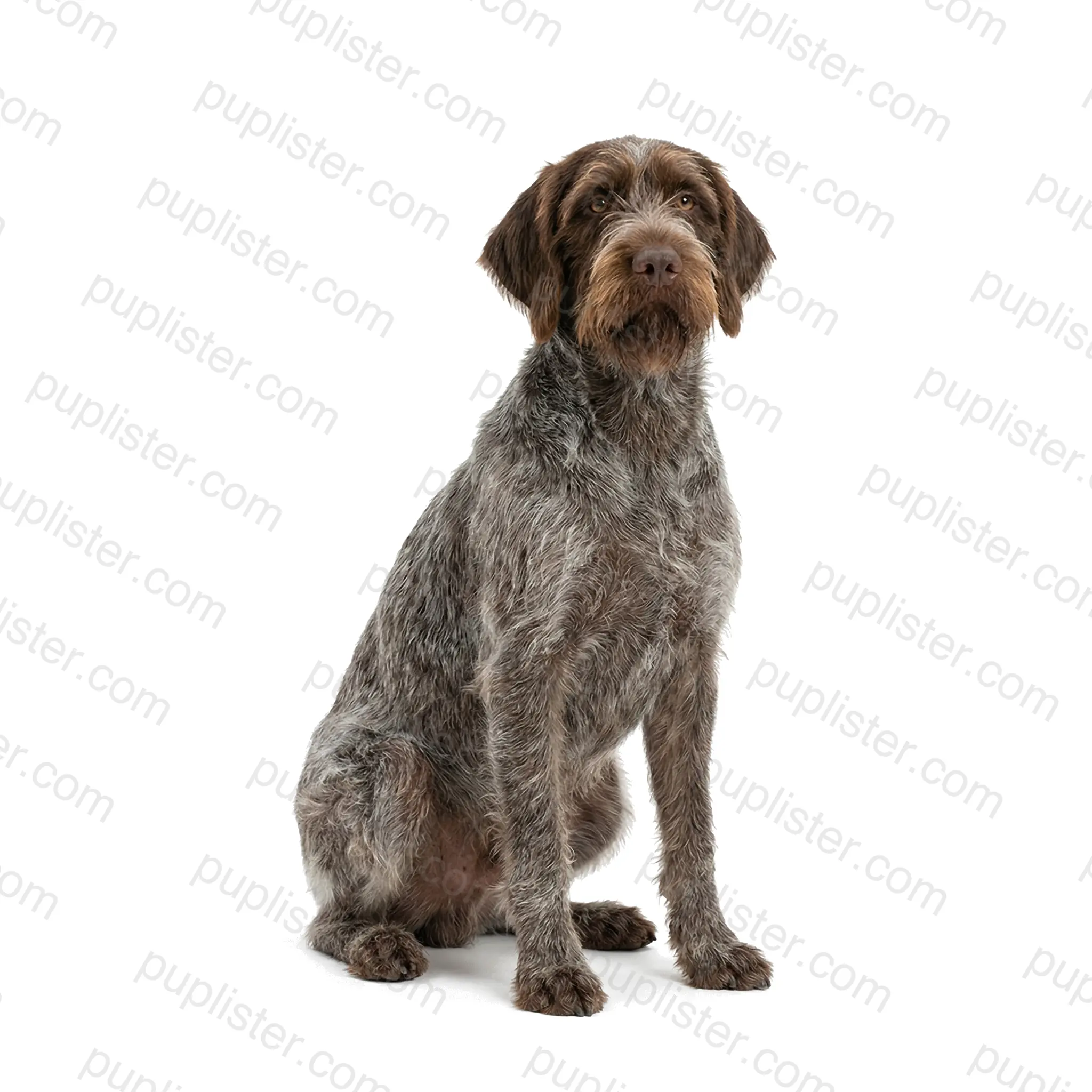
1About the Wirehaired Pointing Griffon The Wirehaired Pointing Griffon was developed in the late 19th century by Dutch breeder Eduard Karel Korthals, who meticulously crossed French and German griffons, setters, spaniels, and pointers to create what he considered the "supreme gundog." These medium-sized sporting dogs stand 20 to 24 inches tall and weigh 50 to 70 pounds, with a robust build that balances power with agility. Their distinctive coat features a harsh, wiry outer layer over a dense, water-resistant undercoat — typically in steel gray with brown markings, though roan, brown, and white and brown patterns also occur. Temperament & Personality Wirehaired Pointing Griffons are eager, devoted, and remarkably trainable — often called the "supreme gundog" not just for their versatile field skills but for their cooperative, people-focused temperament. They are gentle and patient with children, friendly with other dogs, and form strong bonds with every family member rather than fixating on a single person. Their enthusiasm for both work and play, combined with a gentle disposition, makes them outstanding all-around family companions for active households. Pros Versatile sporting dog — points, retrieves, and works in water and thick cover equally wellLow-shedding wiry coat suitable for allergy-conscious ownersDevoted and affectionate family dog with a gentle, trainable natureAdaptable and eager to please — excels in multiple canine sports and disciplines Cons High exercise requirements — needs vigorous daily activity and mental stimulationCoat requires regular hand-stripping or professional grooming to maintain textureCan become anxious, clingy, or destructive without adequate exercise and companionshipProne to hip dysplasia, progressive retinal atrophy, and ear infections The Wirehaired Pointing Griffon is a rare treasure among sporting breeds — see if one is available on Puplister.
10 pets available
1About the Pointer The Pointer — also called the English Pointer — was developed in England in the 17th century, likely from crosses of Spanish Pointers, Foxhounds, Greyhounds, and Bloodhounds. These elegant, athletic dogs stand 23 to 28 inches tall and weigh 45 to 75 pounds, built with a lean, muscular frame designed for speed and endurance in the field. Their short, smooth coat comes in liver, lemon, black, or orange — either solid or combined with white in striking patterns. Temperament & Personality Pointers are energetic, even-tempered, and intensely driven in the field, yet remarkably calm and affectionate at home once adequately exercised. They are friendly with everyone — children, strangers, and other dogs — making them poor guard dogs but excellent family companions. Their strong pointing instinct often appears naturally in puppyhood, and they thrive when given a purposeful outlet for their energy and intelligence. Pros Outstanding stamina and speed for active owners who run, bike, or huntExceptionally friendly and gentle with children and other petsShort coat requires minimal grooming — just occasional brushingHighly trainable for field work, agility, and competitive obedience Cons Extremely high energy — requires 1 to 2 hours of vigorous exercise dailyCan become destructive and anxious without sufficient physical outletsStrong prey drive makes them unreliable around small animalsProne to hip dysplasia, hypothyroidism, and certain eye conditions An active lifestyle deserves an equally active companion — find your Pointer on Puplister today.
1 pet available
About the Portuguese Water Dog The Portuguese Water Dog was developed centuries ago along Portugal's coast, where it served as an indispensable fisherman's companion — herding fish into nets, retrieving lost tackle, and swimming messages between boats. These robust, medium-sized dogs stand 17 to 23 inches tall and weigh 35 to 60 pounds, with a strong, muscular build optimized for swimming. Their coat comes in two varieties — curly or wavy — in black, white, brown, or combinations thereof, and grows continuously like human hair rather than shedding seasonally. Temperament & Personality Portuguese Water Dogs are spirited, obedient, and deeply bonded to their families — they thrive on being included in activities and do not do well relegated to the backyard. They are playful and patient with children, typically friendly with other dogs, and possess an enthusiasm for life that is both infectious and demanding. Their intelligence and eagerness to work make them highly trainable, though they need a job or purpose to remain content. Pros Low-shedding, hypoallergenic-type coat suitable for many allergy sufferersOutstanding swimming ability and love of water activitiesHighly trainable, biddable, and eager to pleaseRobust health with a lifespan of 11 to 13 years Cons High exercise demands — needs vigorous daily activity including swimming when possibleCoat requires regular professional grooming every 4 to 6 weeksCan become mouthy and destructive if under-stimulated or left alone too longProne to hip dysplasia, progressive retinal atrophy, and GM1 storage disease A water-loving, people-devoted companion awaits — explore Portuguese Water Dog listings on Puplister.
Adopted cat meowing all night? Discover why it happens, how to create a calm environment, and a realistic timeline to quiet nighttime meows.
Is your adopted cat not eating? Learn the causes, from stress to past trauma, and discover practical solutions to get your new feline friend eating again.
Is your new cat hiding and won't come out? It's normal, but proactive steps can help. Learn how to build trust with your shy adopted cat.
Discover how long it takes for a rescue cat to feel at home with our experienced guide, covering the 3-3-3 rule and actionable tips.