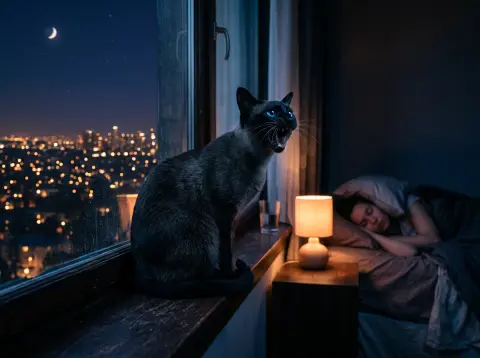
Adopted Cat Meowing All Night: How to Stop It
Adopted cat meowing all night? Discover why it happens, how to create a calm environment, and a realistic timeline to quiet nighttime meows.
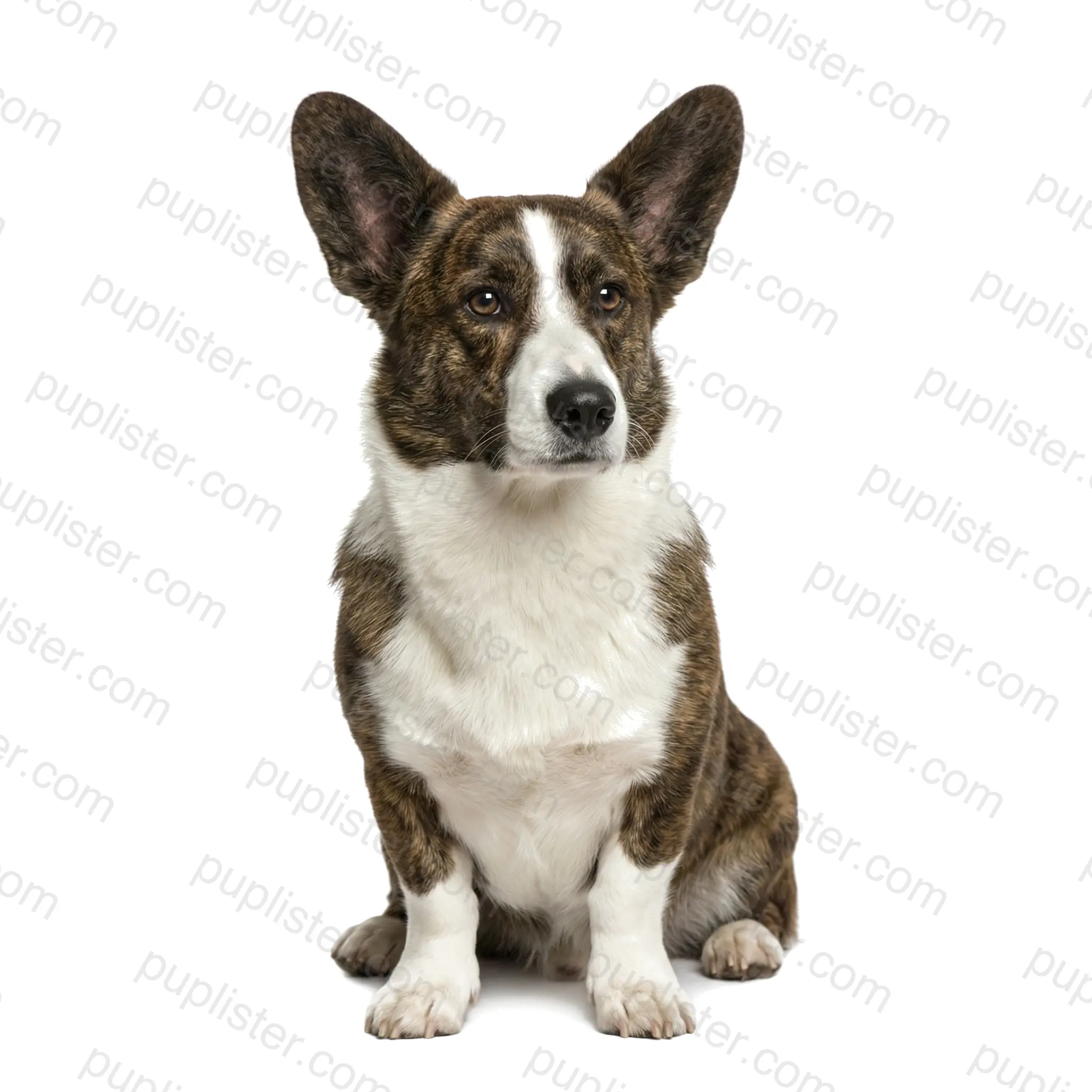
The Cardigan Welsh Corgi is one of Britain's oldest herding breeds, brought to Wales by Celtic tribes around 1200 BCE — making it roughly 3,000 years old. Standing 10.5–12.5 inches tall and weighing 25–38 pounds, the Cardigan is a long, low-set dog with a deep chest, sturdy legs, and a long, fox-like tail that distinguishes it from its tailless Pembroke cousin. Their medium-length double coat comes in a wider range of colors than the Pembroke — including brindle, blue merle, sable, red, and black — with white markings, and sheds heavily year-round.
Cardigans are loyal, intelligent, and slightly more reserved than their Pembroke counterparts — they tend to be more laid-back and less excitable, though they share the same herding instincts and love of activity. They are devoted to their families and excellent with children, often assuming a watchful, protective role over the household. While friendly, they can be wary of strangers and make surprisingly effective watchdogs for their size, alerting their owners with a deep, resonant bark.
Cardigans pack a big personality into a compact, low-riding frame — discover adoptable Cardigan Welsh Corgis on Puplister today.
Answer 5 quick questions to see how well this breed matches your lifestyle.
Check back soon or browse all dogs.
2 pets available
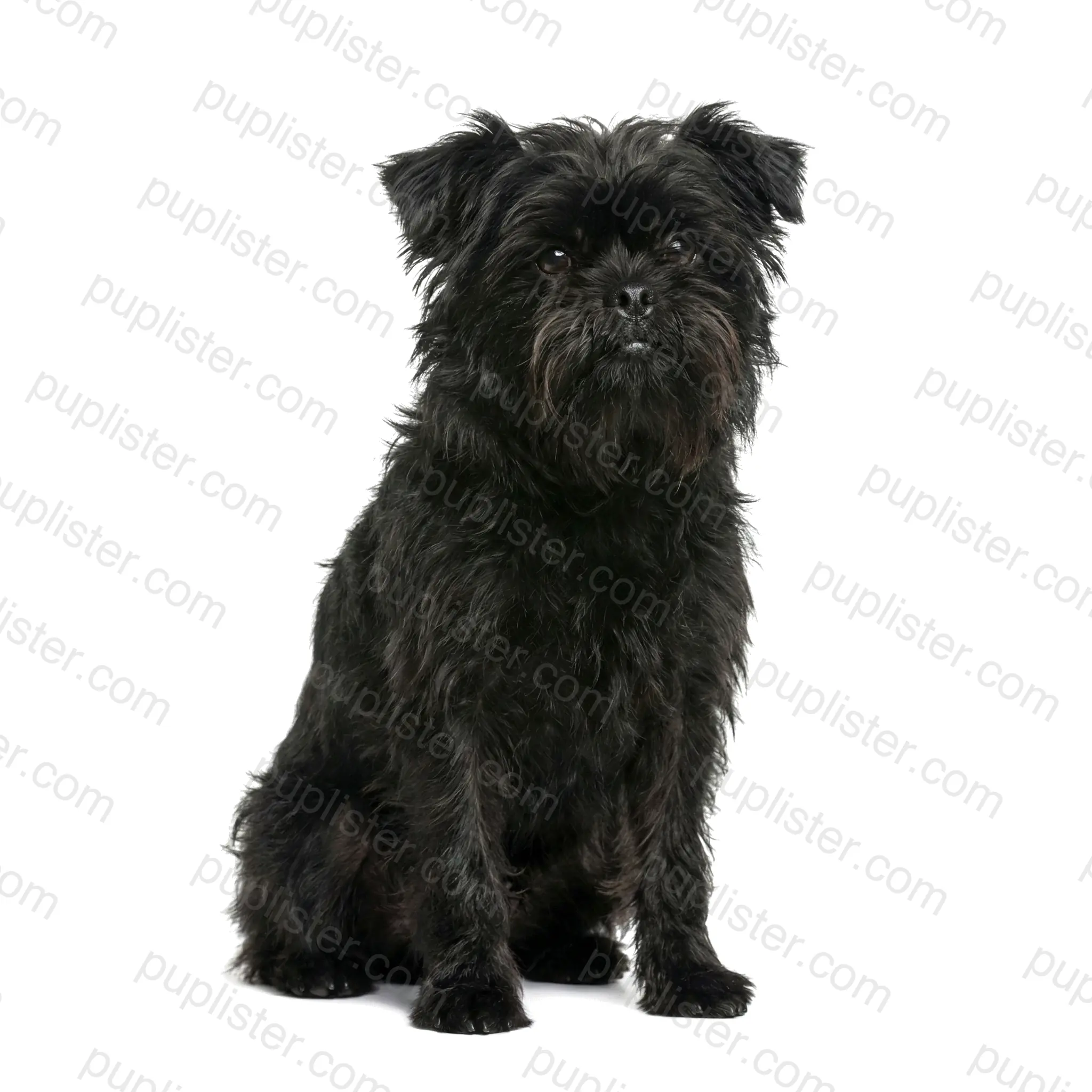
1About the Affenpinscher The Affenpinscher — often called the "Monkey Dog" for its comical, primate-like facial expression — is a small but sturdy toy breed that originated in Germany during the 17th century. Originally bred to hunt rats in kitchens, granaries, and stables, these wiry little terriers stand just 9–11.5 inches tall and weigh 7–10 pounds. Their rough, shaggy coat — typically black, though also found in gray, silver, red, and belge — frames a flat face with prominent dark eyes, bushy eyebrows, and a pronounced underbite that gives them their signature mischievous look.Temperament & PersonalityAffenpinschers are fearless, curious, and endlessly entertaining — they pack the confidence of a dog ten times their size into a tiny, wiry-haired package. They are fiercely loyal to their owners and surprisingly territorial, often standing their ground against much larger dogs without hesitation. While affectionate with their family, they can be possessive of their toys and food, and their stubborn, independent streak means they prefer to make their own decisions rather than blindly follow commands.ProsCompact size and moderate exercise needs — ideal for apartment livingLow-shedding, wiry coat that is relatively easy to maintain with weekly brushingEntertaining and comical personality — they are natural performers who love an audienceExcellent watchdog despite small size — alert and vocal about anything unusualConsStubborn and difficult to housetrain — patience and consistency are essentialNot ideal for families with very young children — can be snappy if handled roughlyProne to brachycephalic breathing issues, patellar luxation, and heart murmursStrong prey drive toward small animals — will chase squirrels, hamsters, and birds relentlesslyLooking for a tiny dog with a big personality? Browse adoptable Affenpinschers on Puplister and find your perfect match.
3 pets available
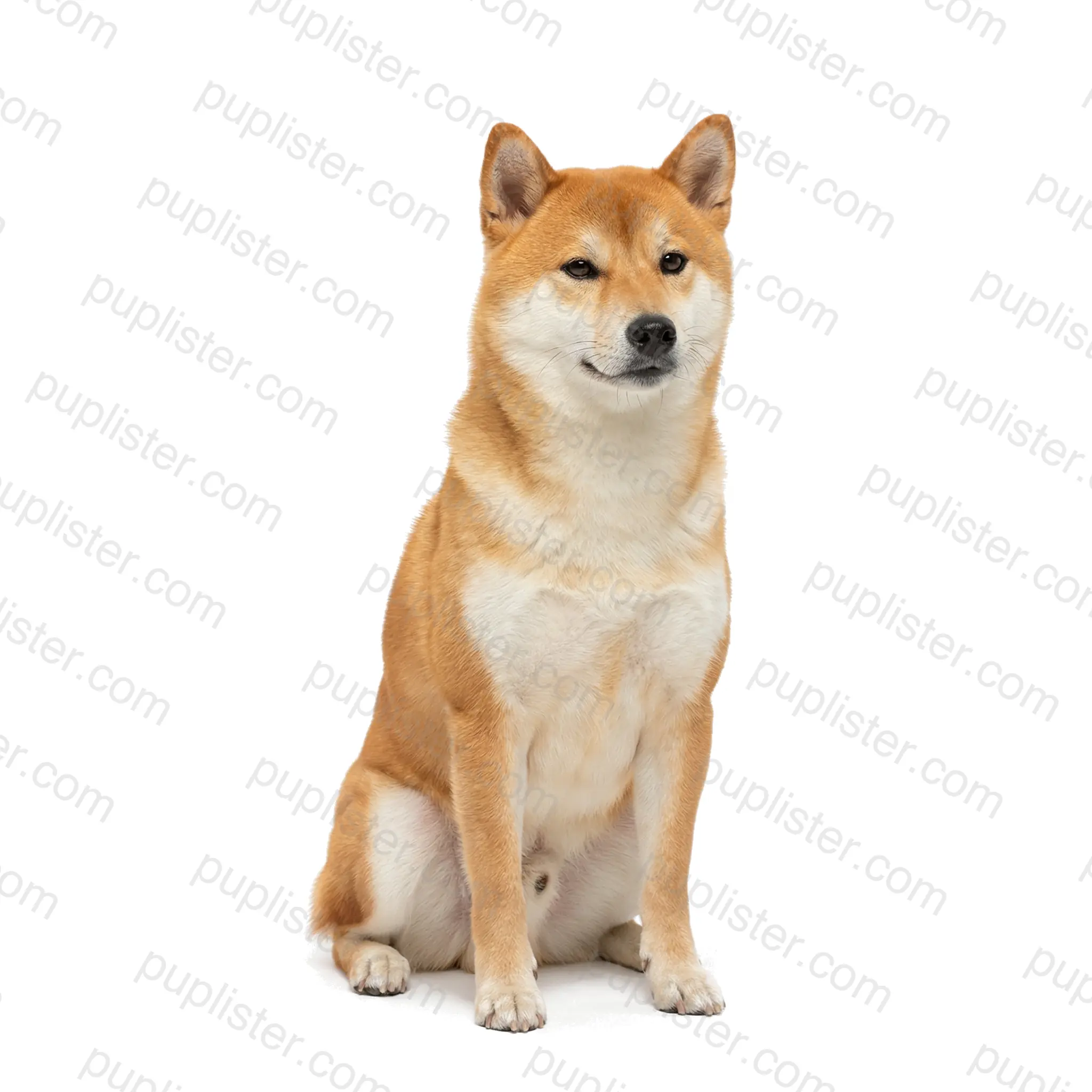
About the Shiba Inu The Shiba Inu is Japan's oldest and smallest native breed, originally bred to flush birds and small game in the dense mountain underbrush — "shiba" may refer to brushwood or the breed's red color, while "inu" simply means dog. These compact, agile dogs stand 13.5 to 16.5 inches tall and weigh 17 to 23 pounds, with a fox-like face, small triangular ears, and a curled tail. Their stiff, plush double coat comes in red, sesame, black and tan, or cream, with distinctive "urajiro" (cream to white ventral markings). Temperament & Personality Shiba Inus are bold, alert, and fiercely independent — often described as more cat-like than dog-like in their self-possession and fastidious grooming habits. They are loyal to their families but on their own terms, and their strong-willed nature means they do not blindly follow commands. Shibas are known for the infamous "Shiba scream" — a loud, distinctive vocalization produced when displeased or overjoyed — and they can be aloof with strangers and sometimes aggressive toward other dogs. Pros Naturally clean and almost cat-like — easy to housetrain and self-groomingCompact, manageable size for apartments with adequate exerciseLoyal and devoted to their family once trust is establishedHealthy breed with a long lifespan of 13 to 16 years Cons Extremely independent and stubborn — not recommended for first-time ownersStrong prey drive and unreliable recall make off-leash freedom riskyCan be possessive of food, toys, and territory (resource guarding)Prone to allergies, patellar luxation, and hip dysplasia The Shiba Inu's spirited independence and striking looks have won fans worldwide — discover Shibas on Puplister.
1 pet available
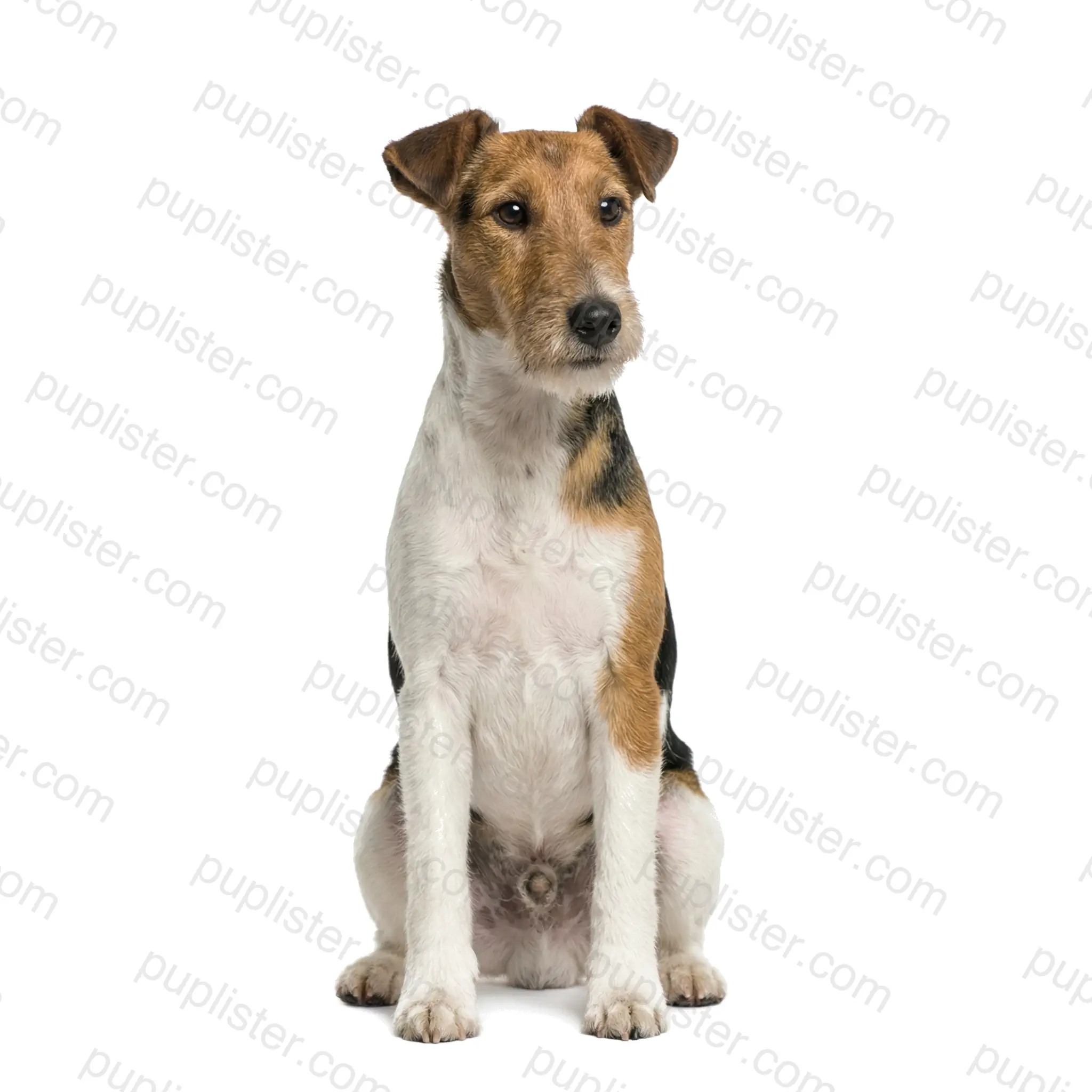
About the Fox Terrier The Fox Terrier — available in Smooth and Wire varieties — was originally bred in 18th-century England to bolt foxes from their dens during hunts. Standing 14–15.5 inches tall and weighing 15–18 pounds, these compact, muscular terriers are predominantly white with black, tan, or black-and-tan markings. The Wire Fox Terrier sports a dense, wiry coat with a distinctive beard and eyebrows, while the Smooth variety has a sleek, flat coat — both share the same fearless, high-energy temperament.Temperament & PersonalityFox Terriers are bold, curious, and endlessly entertaining — true terriers through and through with a mischievous streak that keeps their owners on their toes. They are alert, quick-witted dogs that approach life with infectious enthusiasm and a surprising amount of comedic timing. While affectionate with their families, they can be scrappy with other dogs and have an irrepressible urge to chase anything that moves.ProsEnergetic and entertaining companions — never a dull moment with a Fox TerrierExcellent watchdogs with a sharp, alert bark that deters intrudersWire variety has a hypoallergenic coat that sheds minimally when hand-strippedHardy, long-lived breed — typically 12–15 years with relatively few genetic health issuesConsStrong prey drive — will chase cats, squirrels, and small animals relentlesslyTendency to bark excessively — can be problematic in apartments or close-neighbor situationsCan be dog-aggressive and confrontational, especially with same-sex dogsExpert escape artists — will dig under or climb over fences with remarkable determinationIf you love spirited, fearless dogs with boundless personality, find Fox Terriers for adoption on Puplister.
2 pets available
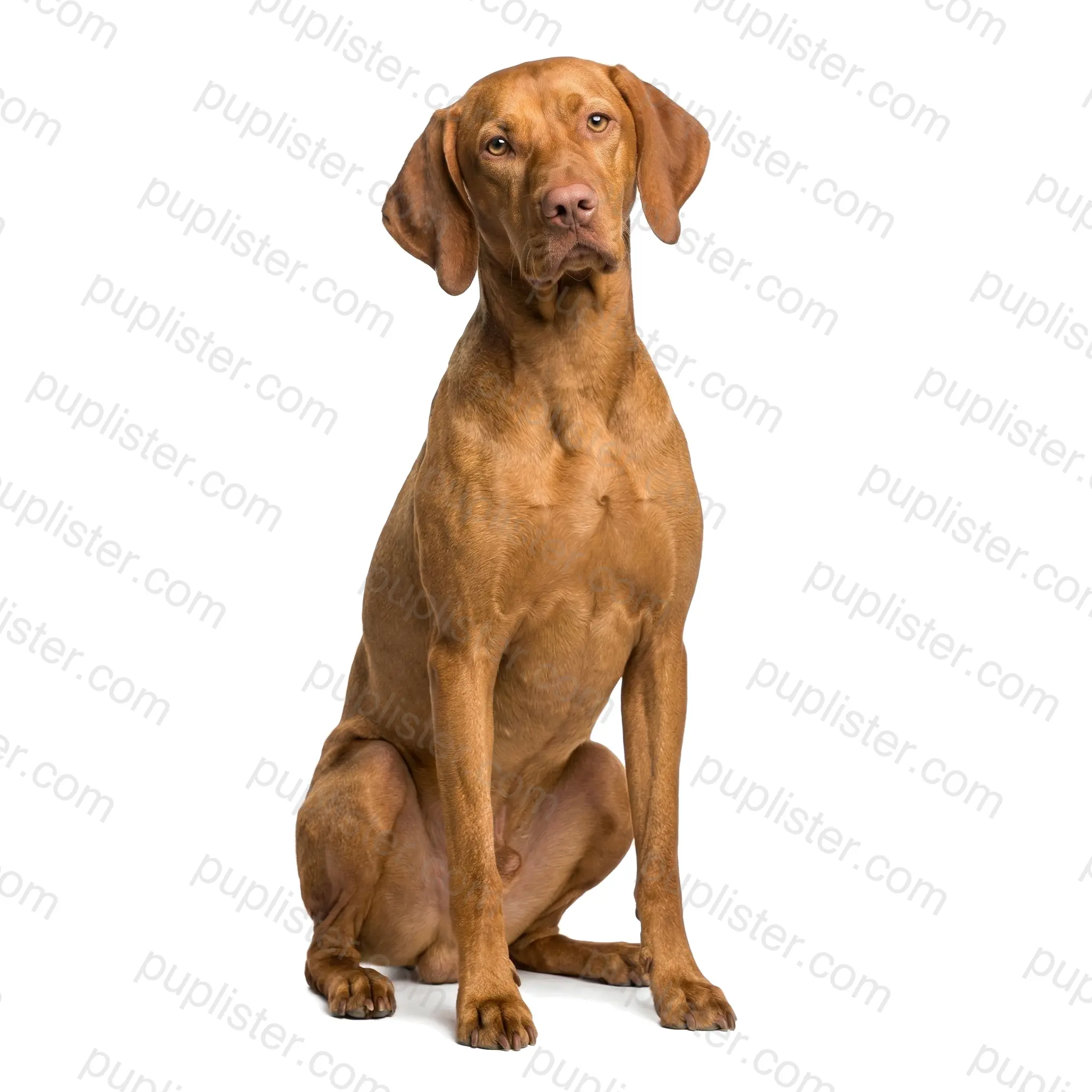
About the Vizsla The Vizsla is Hungary's national dog, with origins tracing back over 1,000 years to the Magyar tribes who settled the Carpathian Basin and needed a versatile pointer-retriever for the plains. These lean, athletic dogs stand 21 to 24 inches tall and weigh 44 to 60 pounds, with a distinctively sleek, muscular build and an elegant, ground-covering gait. Their short, smooth coat comes exclusively in various shades of golden rust — from sandy gold to deep russet — with no undercoat, giving them a clean, low-maintenance appearance. Temperament & Personality Vizslas are affectionate, energetic, and extraordinarily people-oriented — often called "Velcro dogs" because they want to be in constant physical contact with their owners. They are gentle and patient with children, friendly with other dogs, and possess a sensitivity that makes them responsive to their family's moods. Vizslas form such intense bonds that they can suffer severe separation anxiety if left alone regularly — they truly need to be included in daily family life. Pros Exceptionally affectionate and forms deep, devoted bonds with familyVersatile athlete — excels in hunting, agility, dock diving, and trackingLow-maintenance coat with minimal shedding and no doggy odorGentle, sensitive nature makes them excellent therapy dogs Cons Severe separation anxiety — cannot tolerate being left alone for long periodsExtremely high exercise needs — requires 1 to 2 hours of vigorous activity dailyProne to epilepsy, hip dysplasia, and lymphosarcomaThin coat and low body fat make them uncomfortable in cold weather If you want a devoted, athletic companion who'll never leave your side, find your Vizsla on Puplister.
Adopted cat meowing all night? Discover why it happens, how to create a calm environment, and a realistic timeline to quiet nighttime meows.
Is your adopted cat not eating? Learn the causes, from stress to past trauma, and discover practical solutions to get your new feline friend eating again.
Is your new cat hiding and won't come out? It's normal, but proactive steps can help. Learn how to build trust with your shy adopted cat.
Discover how long it takes for a rescue cat to feel at home with our experienced guide, covering the 3-3-3 rule and actionable tips.