Adopted Cat Meowing All Night: How to Stop It
Adopted cat meowing all night? Discover why it happens, how to create a calm environment, and a realistic timeline to quiet nighttime meows.
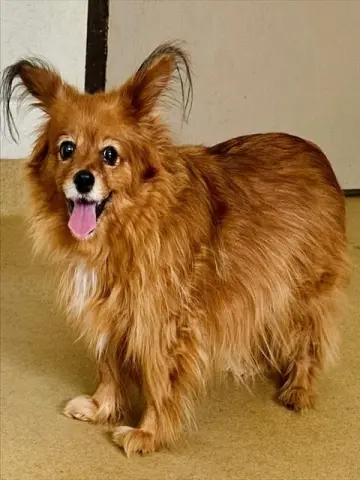
The Cavalier King Charles Spaniel traces its heritage to the toy spaniels beloved by English royalty — King Charles II was so devoted to the breed that it bears his name. Standing 12–13 inches tall and weighing 13–18 pounds, the Cavalier is a graceful, well-balanced toy spaniel with large, round, dark eyes and a gentle, melting expression. Their silky, medium-length coat comes in four distinct color patterns — Blenheim (chestnut and white), tricolor, black-and-tan, and ruby — and features elegant feathering on the ears, chest, legs, and tail.
Cavaliers are gentle, affectionate, and remarkably adaptable — they are equally happy curled up on a lap or joining their owner for a brisk walk in the park. They are one of the most universally friendly breeds, greeting strangers, children, other dogs, and even cats with a wagging tail and a joyful expression. Their sweet, eager-to-please nature makes them excellent therapy dogs and wonderful companions for seniors, families, and first-time dog owners alike.
Few breeds match the Cavalier's gentle, loving spirit — find adoptable Cavalier King Charles Spaniels on Puplister and experience their magic firsthand.

Answer 5 quick questions to see how well this breed matches your lifestyle.
Papillon / Cavalier King Charles Spaniel
2 pets available
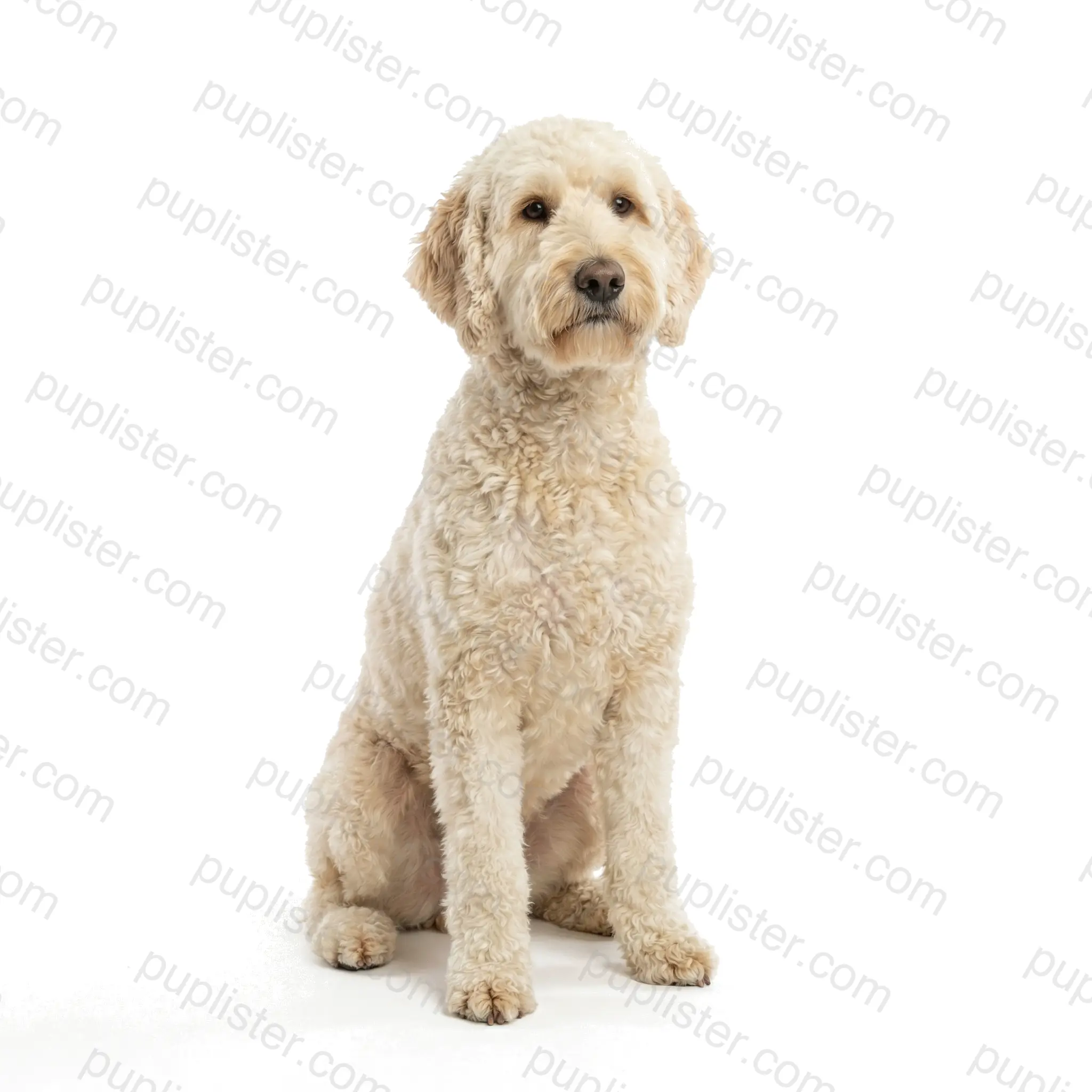
1About the Labradoodle The Labradoodle was first intentionally bred in 1989 by Wally Conron of the Royal Guide Dogs Association of Australia, who crossed a Standard Poodle with a Labrador Retriever to create a guide dog suitable for a visually impaired woman whose husband had dog allergies. They vary widely in size — Miniature (15–25 pounds), Medium (30–45 pounds), and Standard (50–65 pounds) — and their coats range from flat and hair-like to loose waves to tight curls, in colors including cream, gold, chocolate, black, red, and parti-color. As a crossbreed, their appearance and temperament are less predictable than purebred dogs.Temperament & PersonalityLabradoodles typically combine the Labrador's friendly eagerness with the Poodle's intelligence and playfulness — resulting in an enthusiastic, sociable, and highly trainable companion. They are generally excellent with children and other pets, inheriting the Labrador's patience and the Poodle's gentleness in equal measure. Their energetic, joyful nature and intuitive emotional awareness have made them popular therapy and assistance dogs worldwide.ProsMany individuals have low-shedding coats — particularly those with curlier, Poodle-influenced hairIntelligent and highly trainable — inherits strong work ethic from both parent breedsFriendly, social temperament makes them excellent family and therapy dogsAvailable in multiple sizes to suit different living environments and lifestyle needsConsCoat type is unpredictable — no guarantee of hypoallergenic qualities, especially in first-generation crossesRequires regular professional grooming every 6–8 weeks regardless of coat typeNo breed standard — significant variation in size, temperament, and appearance within littersCan inherit health problems from both parent breeds — hip dysplasia, eye disease, and Addison's diseaseA lovable Labradoodle could be your perfect family addition — find available dogs on Puplister today.
4 pets available
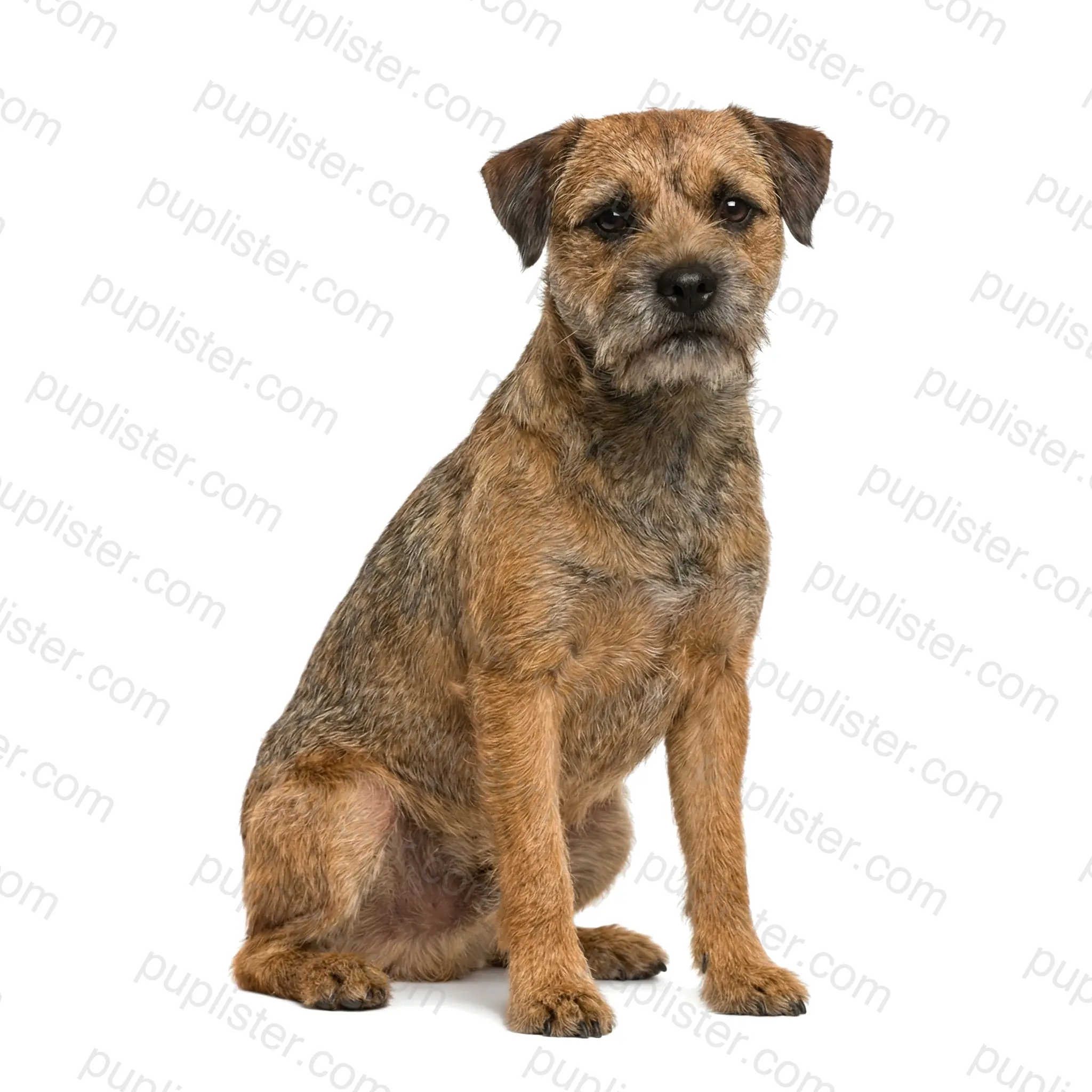
About the Border Terrier The Border Terrier hails from the border country between England and Scotland, where it was bred to bolt foxes from their dens while keeping pace with mounted hunters and their hounds. One of the smaller terrier breeds, it stands 12–15 inches tall and weighs 11.5–15.5 pounds, with a compact, narrow body designed to squeeze into fox burrows. Their distinctive otter-shaped head and wiry, weather-resistant double coat — which comes in red, grizzle-and-tan, blue-and-tan, or wheaten — give them a charmingly scruffy appearance.Temperament & PersonalityBorder Terriers are affectionate, plucky, and adaptable — they have all the tenacity of a terrier but with a softer, more biddable temperament that makes them excellent family companions. They are good with children and generally get along better with other dogs than many terrier breeds. However, their strong prey drive means they cannot be trusted around small animals like hamsters, rabbits, or guinea pigs.ProsAdaptable to both country and city living — they adjust well to apartments with adequate exerciseMore trainable and less confrontational than many terrier breedsLow-shedding wiry coat that requires only periodic hand-strippingRobust and healthy with a long lifespan of 12–15 yearsConsStrong prey drive — they will chase squirrels, cats, and small animals relentlesslyCan be expert diggers and escape artists if left in a yard unsupervisedHand-stripping the coat is time-consuming, and clipping changes the coat texture permanentlyProne to canine epileptoid cramping syndrome (Spike's disease) and heart defectsThese scrappy, lovable terriers make wonderful companions — discover adoptable Border Terriers on Puplister.
315 pets available
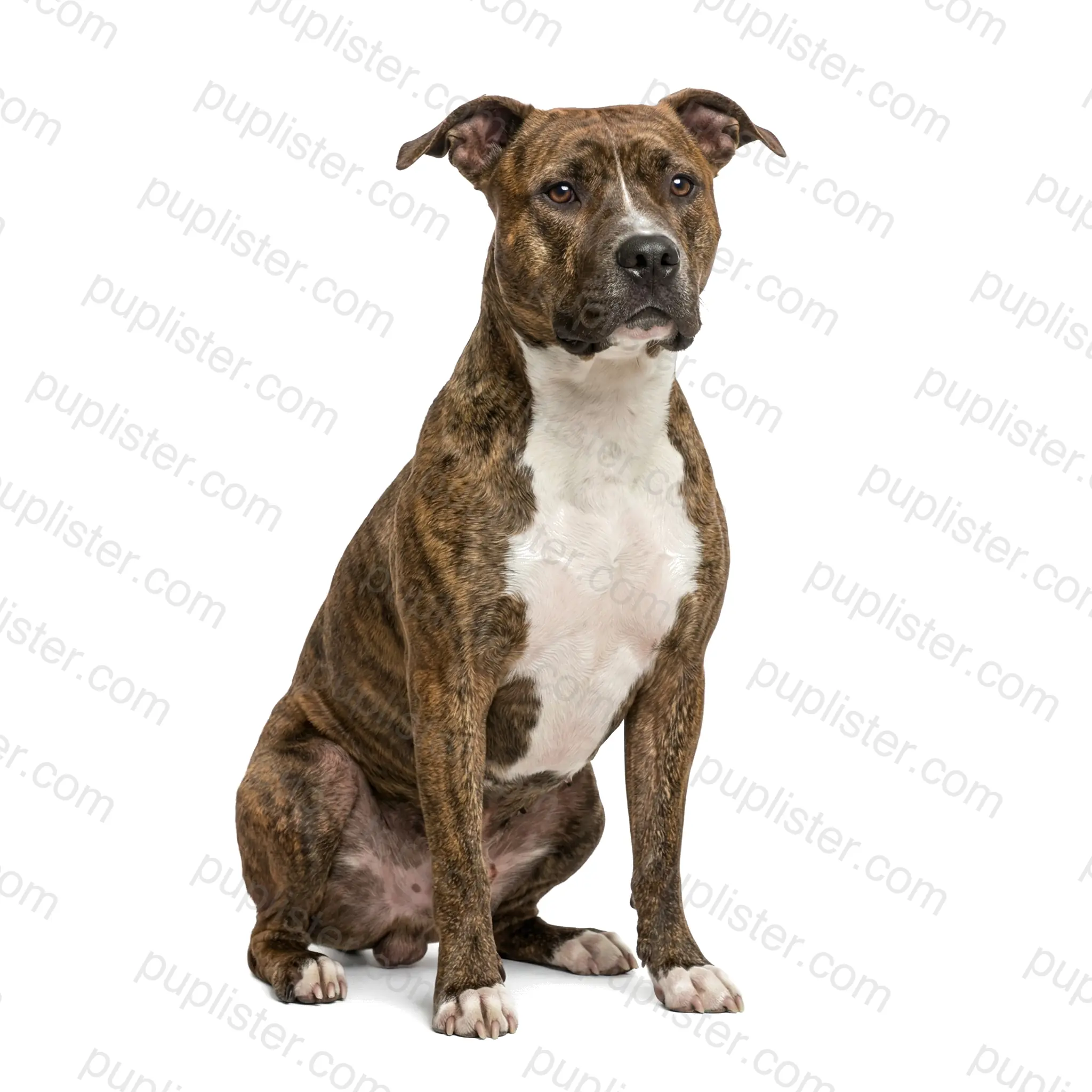
4About the American Pit Bull Terrier The American Pit Bull Terrier traces its roots to 19th-century England, where Bulldogs and Terriers were crossed to create a dog combining strength with agility. Standing 17–21 inches tall and weighing 30–60 pounds, the APBT is a medium-sized, solidly built dog with a broad chest and well-defined musculature. Their short, glossy coat comes in virtually every color and pattern — including blue, red, brindle, and merle — and is exceptionally easy to maintain.Temperament & PersonalityDespite their often-misunderstood reputation, American Pit Bull Terriers are among the most people-oriented breeds — they are affectionate, eager to please, and frequently described as "nanny dogs" for their gentleness with children. They are intelligent, loyal, and enthusiastic about training when given positive reinforcement. However, some individuals may exhibit dog-selectivity, and responsible ownership includes understanding their terrier-driven tenacity.ProsExtremely affectionate and loyal — they bond deeply with every family memberHighly trainable and eager to please, excelling in obedience and noseworkLow grooming needs with their short, easy-care coatAthletic and energetic — outstanding companion for active lifestylesConsSubject to breed-specific legislation and housing restrictions in many areasMay develop dog-selectivity, requiring careful management around other dogsStrong and powerful — not ideal for physically frail ownersProne to skin allergies, hip dysplasia, and congenital heart diseaseThese loving, misunderstood dogs deserve wonderful homes — browse adoptable Pit Bull Terriers on Puplister today.
16 pets available
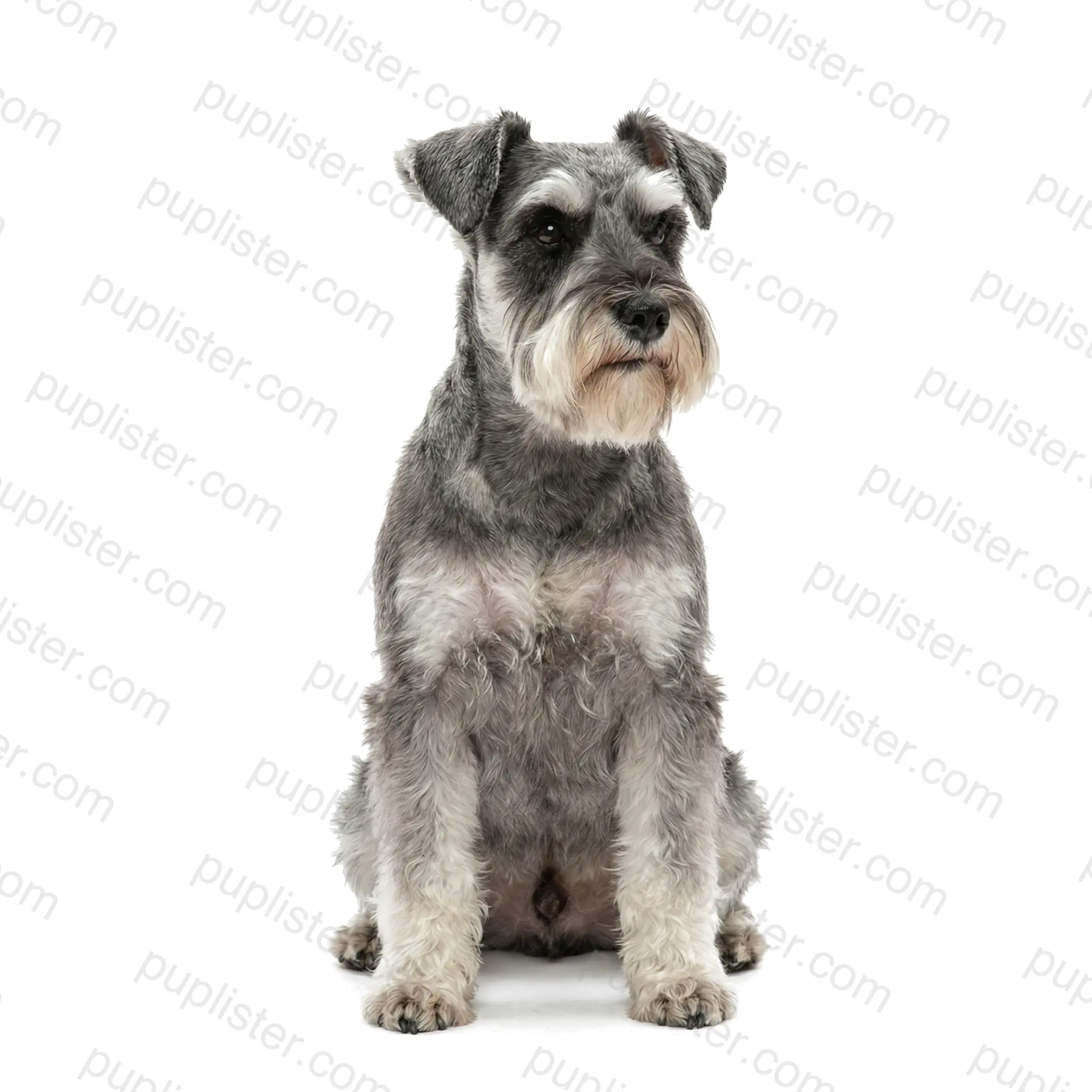
1About the Miniature Schnauzer The Miniature Schnauzer was developed in Germany in the late 19th century by crossing Standard Schnauzers with smaller breeds like the Affenpinscher and Poodle. These sturdy little dogs stand 12 to 14 inches tall and weigh 11 to 20 pounds, carrying a distinctive wiry double coat in salt and pepper, black and silver, solid black, or white. Their trademark bushy eyebrows, full beard, and cropped or natural ears give them an unmistakably distinguished appearance. Temperament & Personality Miniature Schnauzers are spirited, friendly, and remarkably obedient — consistently ranking among the most popular terrier breeds in America. They bond closely with their families, are typically wonderful with children, and get along well with other household pets. Unlike many terrier breeds, they tend to be less aggressive toward other dogs, making them excellent all-around family companions. Pros Low-shedding wiry coat suitable for allergy-conscious householdsHighly trainable and eager to please with consistent methodsAdaptable to apartments, suburbs, or rural settings equally wellRobust health with a lifespan of 12 to 15 years Cons Tendency to bark frequently — can be vocal about everythingRequires regular professional grooming or hand-stripping every 6 to 8 weeksSusceptible to pancreatitis, urinary stones, and hyperlipidemiaStrong prey drive toward squirrels, rabbits, and other small animals outdoors Discover your ideal Miniature Schnauzer companion — check available listings right here on Puplister.
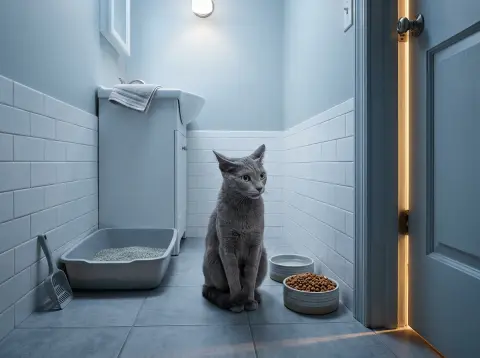
Adopted cat meowing all night? Discover why it happens, how to create a calm environment, and a realistic timeline to quiet nighttime meows.
Is your adopted cat not eating? Learn the causes, from stress to past trauma, and discover practical solutions to get your new feline friend eating again.
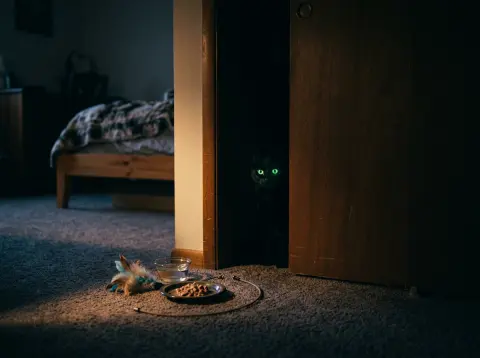
Is your new cat hiding and won't come out? It's normal, but proactive steps can help. Learn how to build trust with your shy adopted cat.
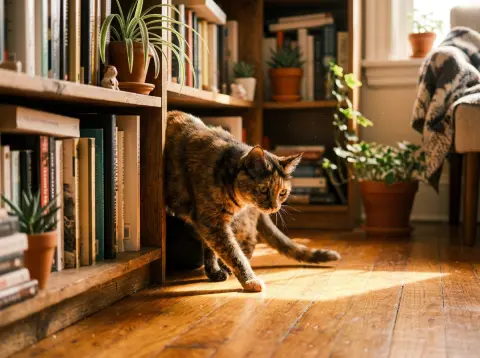
Discover how long it takes for a rescue cat to feel at home with our experienced guide, covering the 3-3-3 rule and actionable tips.