Adopted Cat Meowing All Night: How to Stop It
Adopted cat meowing all night? Discover why it happens, how to create a calm environment, and a realistic timeline to quiet nighttime meows.
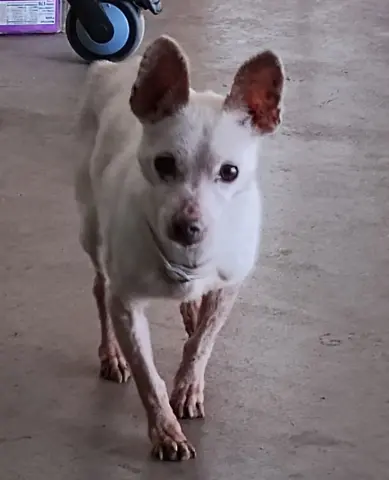
The Chihuahua is the world's smallest dog breed, originating from the Mexican state of Chihuahua where ancestors of the breed were kept by the ancient Toltec civilization. Standing just 5–8 inches tall and weighing a mere 2–6 pounds, these tiny dogs come in smooth-coat and long-coat varieties with virtually every color and pattern combination imaginable. Despite their diminutive size, Chihuahuas carry themselves with a bold, terrier-like confidence that belies their fragile frame.
Chihuahuas are fiercely devoted to one person — often forming an almost obsessive bond with their chosen human. They are alert, spirited, and surprisingly courageous, frequently standing up to dogs many times their size without hesitation. While they can be wonderful companions for older children who handle them gently, their small size and tendency toward snappiness make them a poor match for households with toddlers.
Discover your perfect pint-sized companion — explore Chihuahuas looking for forever homes right here on Puplister.
Answer 5 quick questions to see how well this breed matches your lifestyle.
3 pets available
About the Shetland Sheepdog The Shetland Sheepdog — or "Sheltie" — was developed on Scotland's remote Shetland Islands, where harsh conditions favored smaller, efficient herding dogs that could thrive on limited resources. Standing 13 to 16 inches tall and weighing 15 to 25 pounds, Shelties resemble a miniature Rough Collie but are a distinct breed with their own standard and lineage. Their abundant double coat features a long, straight outer layer and dense undercoat, coming in sable, black, and blue merle — all typically with white and tan markings. Temperament & Personality Shetland Sheepdogs are incredibly intelligent, sensitive, and eager to please — consistently ranked among the top 10 most trainable dog breeds in the world. They are devoted to their families and particularly gentle with children, often forming an especially strong bond with one household member. Shelties can be reserved with strangers and may bark to alert their family, but their sensitivity and willingness to learn make them wonderful companions for patient, attentive owners. Pros Exceptionally intelligent — excels in agility, obedience, and herding competitionsGentle, affectionate, and outstanding with childrenCompact size with all the beauty and grace of a CollieLoyal and deeply bonded to their family Cons Heavy shedding — the dense double coat requires frequent brushing and sheds year-roundProne to excessive barking, especially when excited or alertingSusceptible to Collie eye anomaly, hip dysplasia, and dermatomyositisCan be timid and fearful without proper early socialization Shelties combine beauty, brains, and devotion in one elegant package — explore Shetland Sheepdog adoption options on Puplister.
48 pets available
About the Beagle The Beagle is a small scent hound with roots tracing back to Roman times, though the modern breed was refined in England during the 1830s for rabbit hunting. Standing 13–15 inches tall and weighing 20–30 pounds, Beagles are compact, sturdy dogs built for endurance on the trail. Their short, dense, weather-resistant coat comes in a variety of hound colors — most commonly tri-color, red-and-white, and lemon — and sheds moderately throughout the year.Temperament & PersonalityBeagles are merry, curious, and sociable dogs — they were bred to work in packs, and that pack mentality translates to a strong desire for companionship. They are excellent with children and other dogs, making them one of the most family-friendly breeds available. However, their powerful nose can lead them astray, and once a Beagle has locked onto a scent, recalling them can be nearly impossible.ProsWonderful family dog — gentle, tolerant, and playful with children of all agesCompact size is well-suited for apartments and smaller homesGets along exceptionally well with other dogs due to pack-oriented natureHardy, healthy breed with a typical lifespan of 10–15 yearsConsVocal breed — their distinctive bay and howl can be excessive and loudStrong scent drive makes off-leash reliability extremely difficult to achieveProne to obesity and will eat anything they can accessCan develop separation anxiety and become destructive when left aloneBeagles bring joy to every household they join — search for adoptable Beagles on Puplister and find your new best friend.
16 pets available
1About the Miniature Schnauzer The Miniature Schnauzer was developed in Germany in the late 19th century by crossing Standard Schnauzers with smaller breeds like the Affenpinscher and Poodle. These sturdy little dogs stand 12 to 14 inches tall and weigh 11 to 20 pounds, carrying a distinctive wiry double coat in salt and pepper, black and silver, solid black, or white. Their trademark bushy eyebrows, full beard, and cropped or natural ears give them an unmistakably distinguished appearance. Temperament & Personality Miniature Schnauzers are spirited, friendly, and remarkably obedient — consistently ranking among the most popular terrier breeds in America. They bond closely with their families, are typically wonderful with children, and get along well with other household pets. Unlike many terrier breeds, they tend to be less aggressive toward other dogs, making them excellent all-around family companions. Pros Low-shedding wiry coat suitable for allergy-conscious householdsHighly trainable and eager to please with consistent methodsAdaptable to apartments, suburbs, or rural settings equally wellRobust health with a lifespan of 12 to 15 years Cons Tendency to bark frequently — can be vocal about everythingRequires regular professional grooming or hand-stripping every 6 to 8 weeksSusceptible to pancreatitis, urinary stones, and hyperlipidemiaStrong prey drive toward squirrels, rabbits, and other small animals outdoors Discover your ideal Miniature Schnauzer companion — check available listings right here on Puplister.
250 pets available
3About the German Shepherd Dog The German Shepherd Dog — created by Captain Max von Stephanitz in 1899 — was meticulously developed to be the ultimate herding and working dog, combining intelligence, strength, and versatility in one powerful package. Standing 22–26 inches tall and weighing 50–90 pounds, this noble breed has a dense double coat most commonly seen in black and tan, though sable, all-black, and bi-color variations also occur. German Shepherds are the world's leading police, military, and service dog breed — a testament to their extraordinary trainability and work ethic.Temperament & PersonalityGerman Shepherds are confident, courageous, and deeply loyal — forming an unbreakable bond with their handler or family. They are naturally protective and will position themselves between their family and any perceived threat without hesitation. With proper socialization, they are excellent with children in their household — patient and watchful — though their herding instinct may lead them to nip at the heels of running kids.ProsAmong the top 3 most intelligent breeds — capable of learning complex tasks and commandsVersatile working ability — excels in protection, search and rescue, detection, and service rolesLoyal and naturally protective — an outstanding family guardian without excessive aggressionAthletic and eager to participate in virtually any outdoor activity with their ownerConsHigh incidence of hip and elbow dysplasia — especially in poorly bred linesSheds profusely year-round with intense seasonal "coat blows" twice yearlyProne to degenerative myelopathy — a progressive spinal cord disease with no cureRequires significant daily exercise and mental stimulation — at least 90 minutes — or develops neurotic behaviorsFind a loyal and capable German Shepherd Dog ready to join your family — start your search on Puplister.
Adopted cat meowing all night? Discover why it happens, how to create a calm environment, and a realistic timeline to quiet nighttime meows.
Is your adopted cat not eating? Learn the causes, from stress to past trauma, and discover practical solutions to get your new feline friend eating again.
Is your new cat hiding and won't come out? It's normal, but proactive steps can help. Learn how to build trust with your shy adopted cat.
Discover how long it takes for a rescue cat to feel at home with our experienced guide, covering the 3-3-3 rule and actionable tips.