How Much Does Dog Adoption Really Cost? Full Guide
Understand the full dog adoption costs beyond the initial fee, including ongoing care, unexpected expenses, and a 5-year financial forecast.
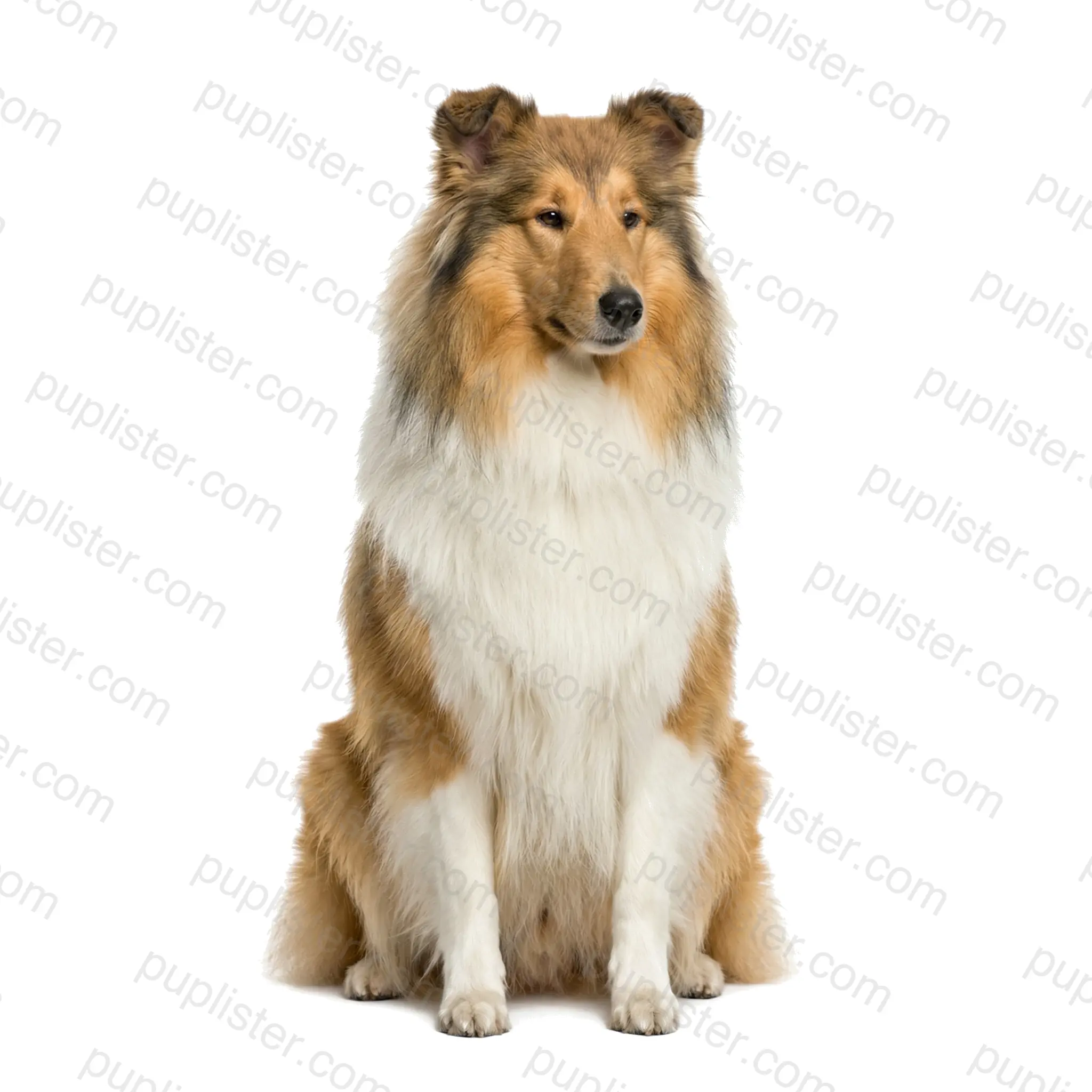
The Collie — immortalized by the fictional Lassie — originated in Scotland and northern England as a supremely capable herding dog guarding flocks across rugged highland terrain. Standing 22–26 inches tall and weighing 50–75 pounds, the breed comes in two coat varieties — the iconic Rough Collie with its abundant mane and the sleeker Smooth Collie — in sable and white, tricolor, blue merle, and white colorations. Their wedge-shaped head, almond eyes, and graceful build give them an unmistakable elegance among herding breeds.
Collies are among the most gentle and devoted of all breeds — known for their uncanny ability to sense their family's emotions and respond with quiet comfort. They are exceptionally patient with children and often take on a protective, nurturing role with the youngest family members. While friendly toward strangers, they'll alert you to anything unusual with a distinctive bark — though excessive barking can develop without training.
Bring home a loyal and graceful Collie — explore adoptable Collies waiting for families on Puplister.
Answer 5 quick questions to see how well this breed matches your lifestyle.
8 pets available
About the Greyhound The Greyhound is one of the most ancient breeds — depicted in Egyptian tomb art dating back 5,000 years and prized by nobility throughout history for their unmatched speed and grace. Standing 27–30 inches tall and weighing 60–70 pounds, these aerodynamic athletes can reach speeds of 45 miles per hour, making them the fastest dog breed in the world. Their short, smooth coat comes in virtually every color and pattern, including black, white, fawn, red, blue, brindle, and various combinations.Temperament & PersonalityGreyhounds are gentle, quiet, and surprisingly lazy — the ultimate couch potatoes who happen to be world-class sprinters. They are sweet-natured and sensitive dogs that form deep bonds with their owners and are typically good with older children who respect their space. Many retired racing Greyhounds adapt beautifully to home life, though they may need time to learn household basics like stairs, glass doors, and slippery floors.ProsRemarkably calm and quiet indoors — content to sleep 18+ hours a day on the couchLow-maintenance coat — virtually no grooming needs and minimal sheddingGentle, non-aggressive temperament — rarely bark and never show hostility toward peopleMany retired racers are available for adoption — giving these athletes a well-deserved second careerConsStrong prey drive — cannot be trusted off-leash and may chase small dogs, cats, and wildlifeThin skin and minimal body fat make them susceptible to cuts, cold temperatures, and pressure soresSensitive to anesthesia and many common medications due to low body fat percentageProne to osteosarcoma, bloat, and dental disease — especially in retired racing dogsGive a graceful Greyhound the retirement they deserve — browse adoptable Greyhounds on Puplister.
2 pets available
About the Lhasa Apso The Lhasa Apso — named after the sacred city of Lhasa in Tibet — served as an interior sentinel in Buddhist monasteries and noble households for over a thousand years, alerting monks to intruders with their sharp, penetrating bark. Standing 10–11 inches tall and weighing 12–18 pounds, these sturdy little dogs have a dense, floor-length double coat that parts down the middle of the back and comes in a wide range of colors including gold, cream, honey, smoke, slate, white, black, and parti-color. Their heavy coat, developed to insulate against Tibet's harsh mountain climate, gives them a dramatically different appearance from most toy breeds.Temperament & PersonalityLhasa Apsos are independent, assertive, and surprisingly tough-minded — they are companion dogs with the heart of a watchdog and the confidence of a much larger breed. They are devoted and affectionate with their chosen family but maintain a regal aloofness with strangers that can take time to warm up from. Unlike many small breeds, Lhasas are not typically needy or clingy — they enjoy companionship on their own terms and are content to watch from across the room.ProsExcellent watchdogs — keen hearing and a sharp, authoritative bark that belies their small sizeIndependent nature means they handle alone time better than most companion breedsLong lifespan of 12–15 years — one of the healthiest and hardiest small breedsHypoallergenic coat sheds minimally — well-suited for allergy-conscious householdsConsLong coat demands daily brushing and regular professional grooming — or must be kept in a puppy clipCan be stubborn and difficult to train — their independent streak resists repetitive drillsTendency toward small dog syndrome — may become snappy or dominant without firm, consistent boundariesProne to kidney disease, cherry eye, and dry eye — regular veterinary monitoring is importantDiscover the ancient charm and loyal spirit of the Lhasa Apso — find one waiting for you on Puplister.
47 pets available
About the American Bulldog The American Bulldog is a muscular, athletic breed descended from the Old English Bulldog, brought to the American South by working-class immigrants in the 17th and 18th centuries. These powerful dogs stand 20–28 inches tall and weigh between 60 and 120 pounds, with males being significantly larger than females. They have a short, smooth coat that comes in white, white with patches of brindle, red, brown, or fawn — and requires minimal grooming beyond regular brushing.Temperament & PersonalityAmerican Bulldogs are confident, loyal, and deeply devoted to their families — they form strong bonds and are known for their gentle, protective nature around children. They are alert and courageous, making them natural watchdogs, but they are also surprisingly affectionate and enjoy being close to their people. Early socialization is essential, as they can be wary of unfamiliar dogs and strangers without proper exposure.ProsExcellent family guardian with a strong protective instinctLow-maintenance coat that requires only occasional brushingAthletic and versatile — thrives in activities like weight-pulling and agilityDeeply affectionate and gentle with children in the householdConsRequires firm, consistent training from an experienced owner to manage their strengthCan be prone to dog aggression without thorough early socializationSubject to breed-specific legislation in some areasProne to hip and elbow dysplasia, ACL tears, and cherry eyeGive a strong, loving American Bulldog a second chance — find adoptable American Bulldogs on Puplister.
2 pets available
About the Samoyed The Samoyed takes its name from the Samoyedic peoples of Siberia, who relied on these dogs for herding reindeer, pulling sleds, and providing warmth in temperatures reaching minus 60 degrees Fahrenheit for over 3,000 years. These striking dogs stand 19 to 23.5 inches tall and weigh 35 to 65 pounds, with a strong, graceful build beneath their profuse coat. Their thick, brilliant white double coat — sometimes with biscuit or cream shading — and characteristic upturned "Sammy smile" make them one of the most beautiful breeds in existence. Temperament & Personality Samoyeds are friendly, gentle, and perpetually cheerful — bred to live and work in close quarters with humans, they crave companionship and involvement in family activities. They are wonderful with children, welcoming to strangers, and generally amiable with other dogs — making them poor guard dogs but outstanding family companions. Their intelligence and independent spirit mean they need engaging training methods, as they bore quickly with repetitive exercises. Pros Perpetually happy disposition — the "Sammy smile" reflects a genuinely joyful temperamentExcellent with children and other pets — one of the friendliest breedsHypoallergenic-type coat produces less dander despite heavy sheddingHardy and athletic — thrives in cold climates and loves outdoor winter activities Cons Extreme shedding — the voluminous coat blows out twice yearly in spectacular fashionProne to hip dysplasia, progressive retinal atrophy, and Samoyed hereditary glomerulopathyTendency to dig, chew, and bark when bored or left aloneSuffers significantly in hot climates and requires climate-controlled environments That radiant Samoyed smile could light up your life — browse Samoyeds available for adoption on Puplister.
Understand the full dog adoption costs beyond the initial fee, including ongoing care, unexpected expenses, and a 5-year financial forecast.
Foster-to-adopt offers a trial period to see if a dog is the right fit, bridging temporary care and permanent adoption for a happy home.
Feeling regret after adopting a cat is normal. Discover common causes, understand your cat's adjustment, and learn practical steps to cope and get support.
Adopted cat meowing all night? Discover why it happens, how to create a calm environment, and a realistic timeline to quiet nighttime meows.