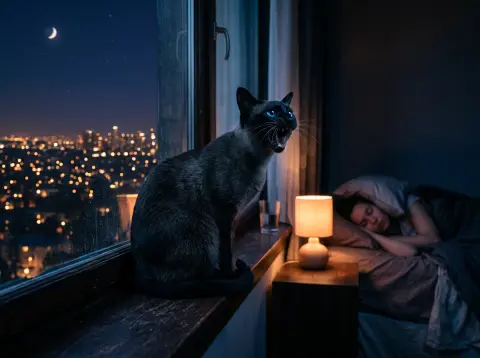
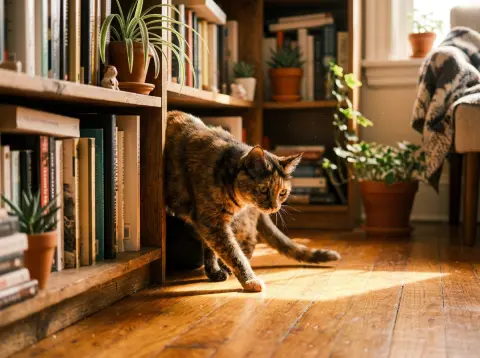
Adopted Cat Meowing All Night: How to Stop It
Adopted cat meowing all night? Discover why it happens, how to create a calm environment, and a realistic timeline to quiet nighttime meows.
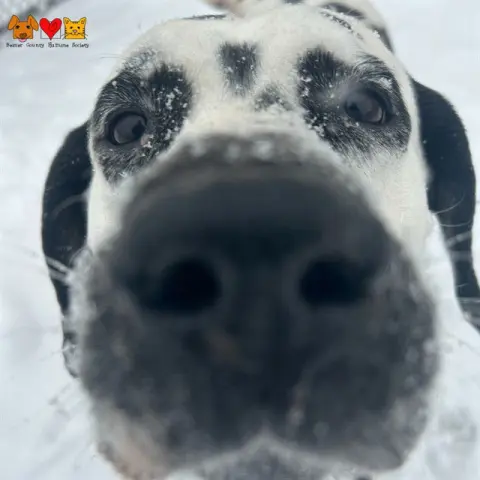
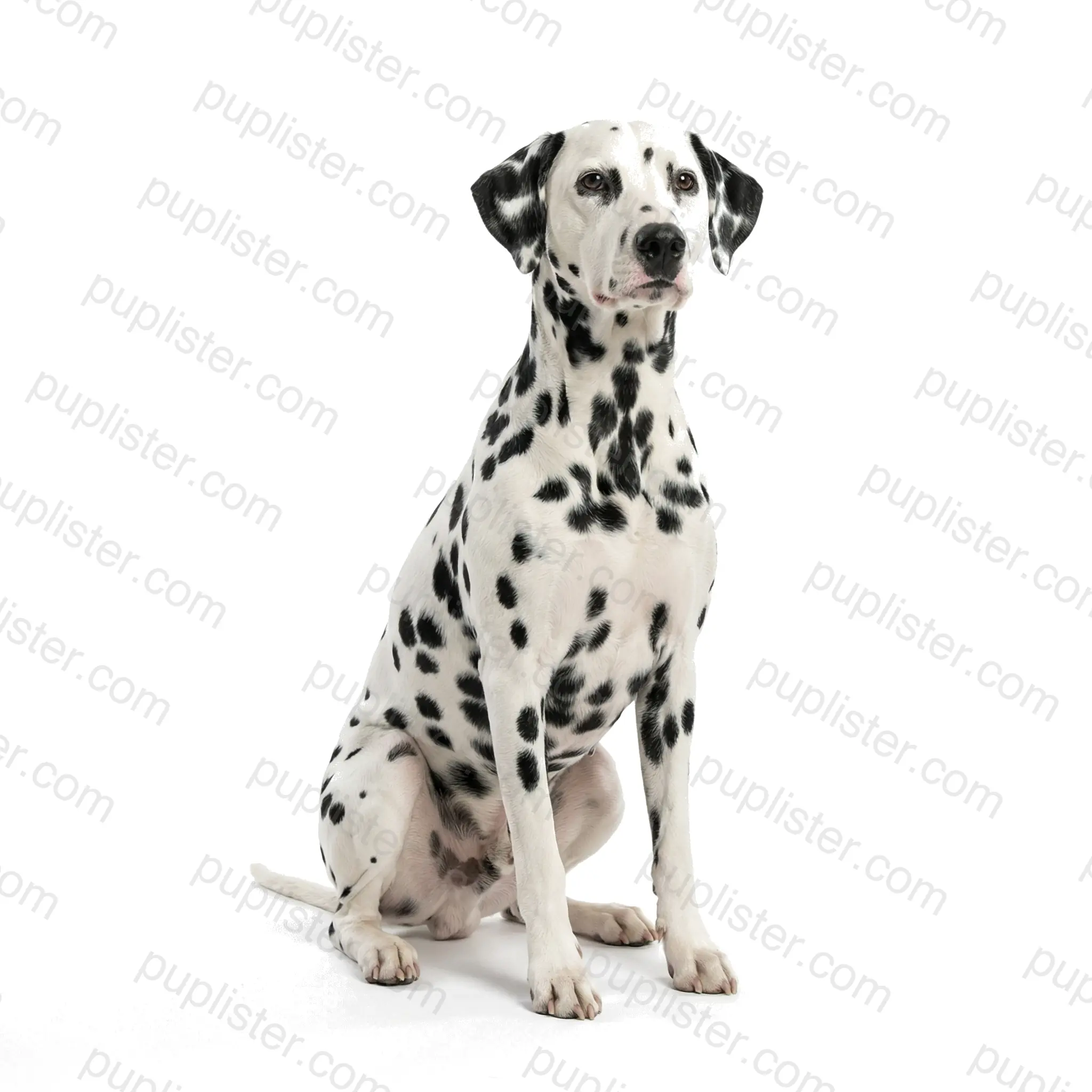
The Dalmatian is one of the most recognizable breeds on earth — known for its striking white coat adorned with black or liver-colored spots that are as unique as fingerprints. Standing 19–24 inches tall and weighing 45–70 pounds, this athletic breed has a storied history as a carriage dog, firehouse mascot, and circus performer across Europe. Dalmatian puppies are born completely white, with their signature spots developing gradually over the first few weeks of life.
Dalmatians are high-energy, exuberant dogs with an almost inexhaustible drive to run, play, and explore. They form strong bonds with their families and can be wonderful companions for active households, though their boisterous nature may overwhelm toddlers and elderly family members. They tend to be reserved — sometimes standoffish — with strangers and require thorough socialization to prevent timidity or nervousness.
An active lifestyle and a spotted best friend — find Dalmatians available for adoption on Puplister.
Answer 5 quick questions to see how well this breed matches your lifestyle.
60 pets available
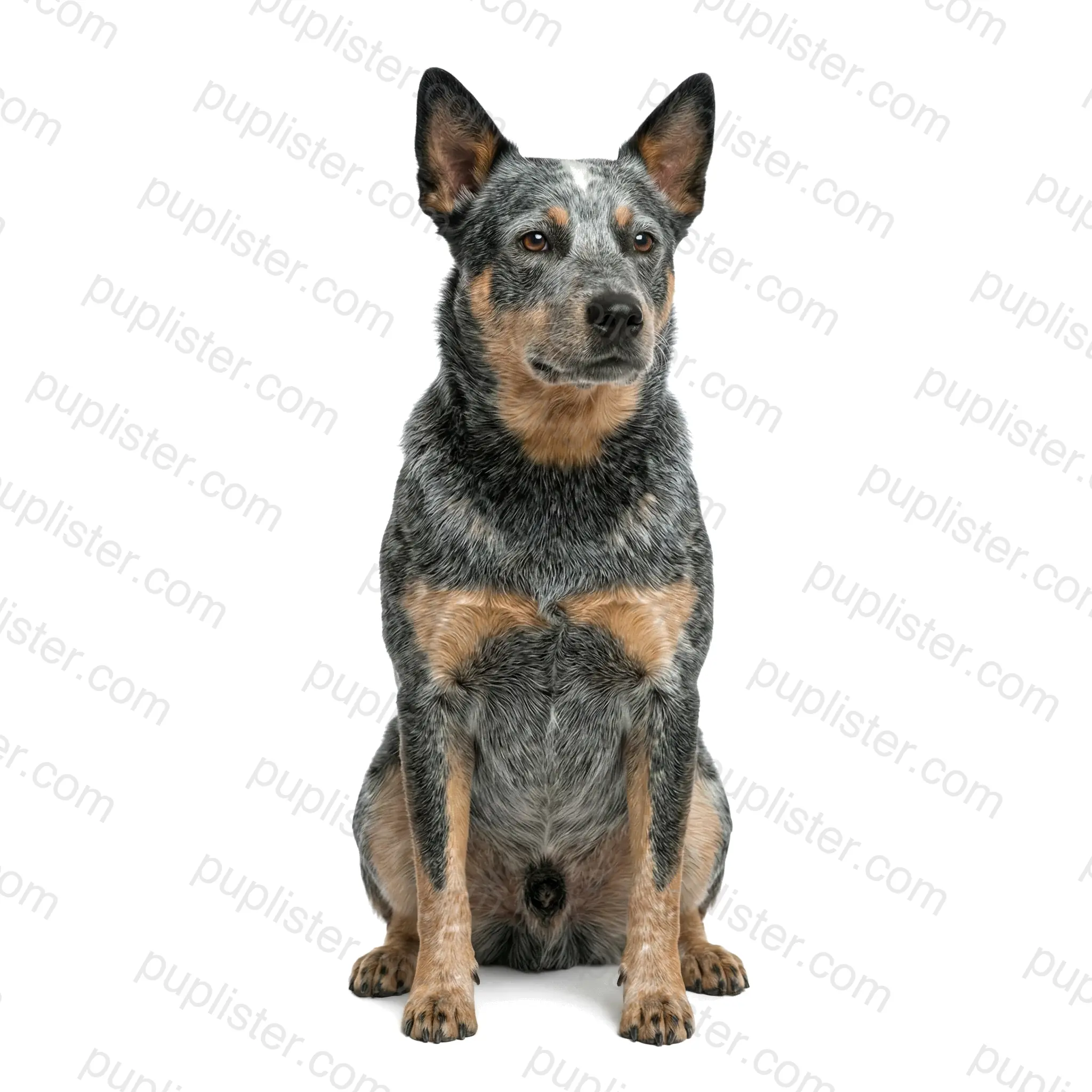
About the Australian Cattle Dog The Australian Cattle Dog — also known as the Blue Heeler or Red Heeler — was developed in 19th-century Australia by crossing native Dingoes with Collies and Dalmatians to create the ultimate cattle-herding dog. Compact and muscular, they stand 17–20 inches tall and weigh 35–50 pounds, with a sturdy build designed for all-day work in harsh outback conditions. Their distinctive short double coat comes in two color patterns — blue or blue-mottled and red speckled — and sheds moderately year-round.Temperament & PersonalityAustralian Cattle Dogs are intensely loyal, highly intelligent, and tireless workers — they need a job to do or they will invent one, often to their owner's dismay. They bond deeply with one person and can be velcro dogs, following their favorite human everywhere. They are naturally cautious with strangers and may nip at heels — a herding instinct that needs to be redirected — but they are fiercely devoted companions for active owners.ProsExceptionally intelligent and trainable — they excel in agility, herding trials, and obedienceHardy and healthy with a long lifespan averaging 12–16 yearsCompact size makes them manageable while still being robust enough for outdoor workLow grooming requirements with their short, weather-resistant coatConsExtremely high energy — requires 1–2 hours of vigorous exercise dailyTendency to nip and herd children, other pets, and even adultsCan become destructive, anxious, or obsessive without adequate mental stimulationProne to progressive retinal atrophy, deafness, and hip dysplasiaThink you can keep up with an Australian Cattle Dog? Find your energetic companion on Puplister.
8 pets available
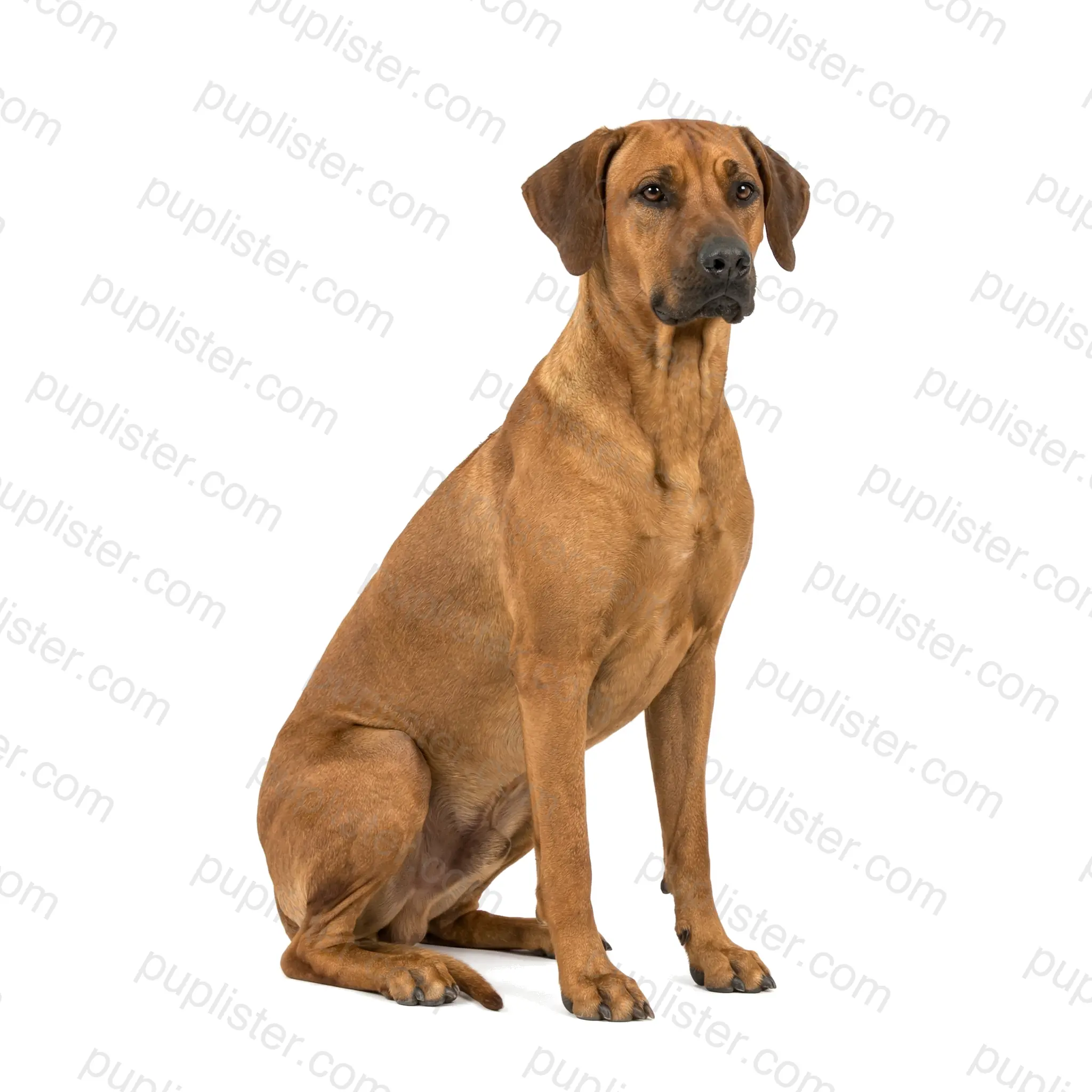
About the Rhodesian Ridgeback The Rhodesian Ridgeback was developed in southern Africa by European settlers who crossed their dogs with the semi-domesticated ridged hunting dogs of the Khoikhoi people, creating a versatile hunter capable of tracking and holding lions at bay. These powerful, athletic dogs stand 24 to 27 inches tall and weigh 70 to 85 pounds, with a sleek, muscular physique built for speed and endurance. Their short, dense coat is light wheaten to red wheaten, and the breed's hallmark is a distinctive ridge of hair growing in the opposite direction along the spine. Temperament & Personality Rhodesian Ridgebacks are dignified, strong-willed, and intensely loyal — they form deep bonds with their families while maintaining an aloof independence with strangers. They are gentle and patient with children in their own household but possess a powerful protective instinct that requires experienced handling and thorough socialization. Ridgebacks are not typically aggressive but have a commanding presence and will not back down from a challenge if provoked. Pros Athletic and versatile — excels as a running, hiking, and lure coursing partnerLow-maintenance coat with minimal shedding and grooming needsNaturally clean breed with little doggy odorQuiet and dignified — rarely barks without good reason Cons Strong-willed and dominant — requires experienced, confident ownershipHigh prey drive makes them a risk around cats and small animalsProne to dermoid sinus (a congenital spinal defect unique to the breed), hip dysplasia, and bloatCan be destructive and escape-prone if under-exercised or bored The Rhodesian Ridgeback is a majestic, loyal guardian for the right home — find yours on Puplister.
101 pets available
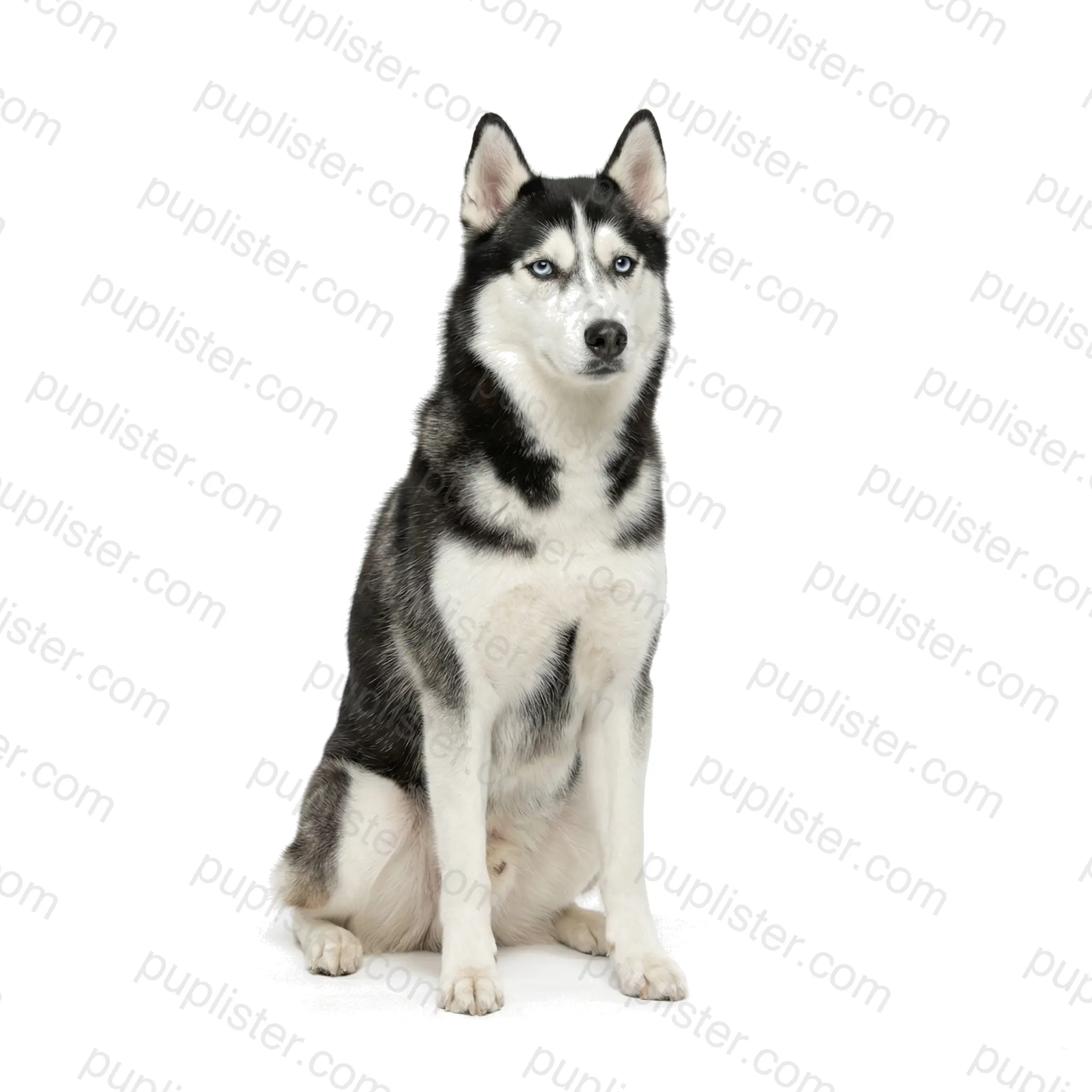
1About the Siberian Husky The Siberian Husky was developed over thousands of years by the Chukchi people of northeastern Siberia as an endurance sled dog capable of pulling light loads over vast frozen distances in extreme cold. These athletic, medium-sized dogs stand 20 to 23.5 inches tall and weigh 35 to 60 pounds, with a graceful, effortless gait that reflects their incredible stamina. Their thick double coat comes in virtually every color from pure white to black, often with striking facial markings, and their eyes can be brown, blue, or even one of each (heterochromia). Temperament & Personality Siberian Huskies are friendly, outgoing, and mischievous — pack-oriented dogs that love people and make terrible guard dogs because they greet everyone like a long-lost friend. They are playful and gentle with children and generally good with other dogs, though their high prey drive makes them a risk around cats and small animals. Huskies are intelligent but famously independent, preferring to make their own decisions rather than follow commands — a trait that requires patience and humor from their owners. Pros Friendly, social, and gentle with children and strangers alikeNaturally clean with little doggy odor — self-grooming like a catOutstanding endurance athlete for running, hiking, and winter sportsHealthy breed with a lifespan of 12 to 14 years Cons Extreme shedding — blows the entire undercoat twice yearly in massive quantitiesLegendary escape artists — can jump fences, dig under them, and open latchesStrong prey drive makes them dangerous around cats, rabbits, and small animalsNot suited for hot climates and requires air conditioning in warm regions The Siberian Husky's adventurous spirit and stunning beauty are irresistible — find Huskies seeking forever homes on Puplister.
137 pets available
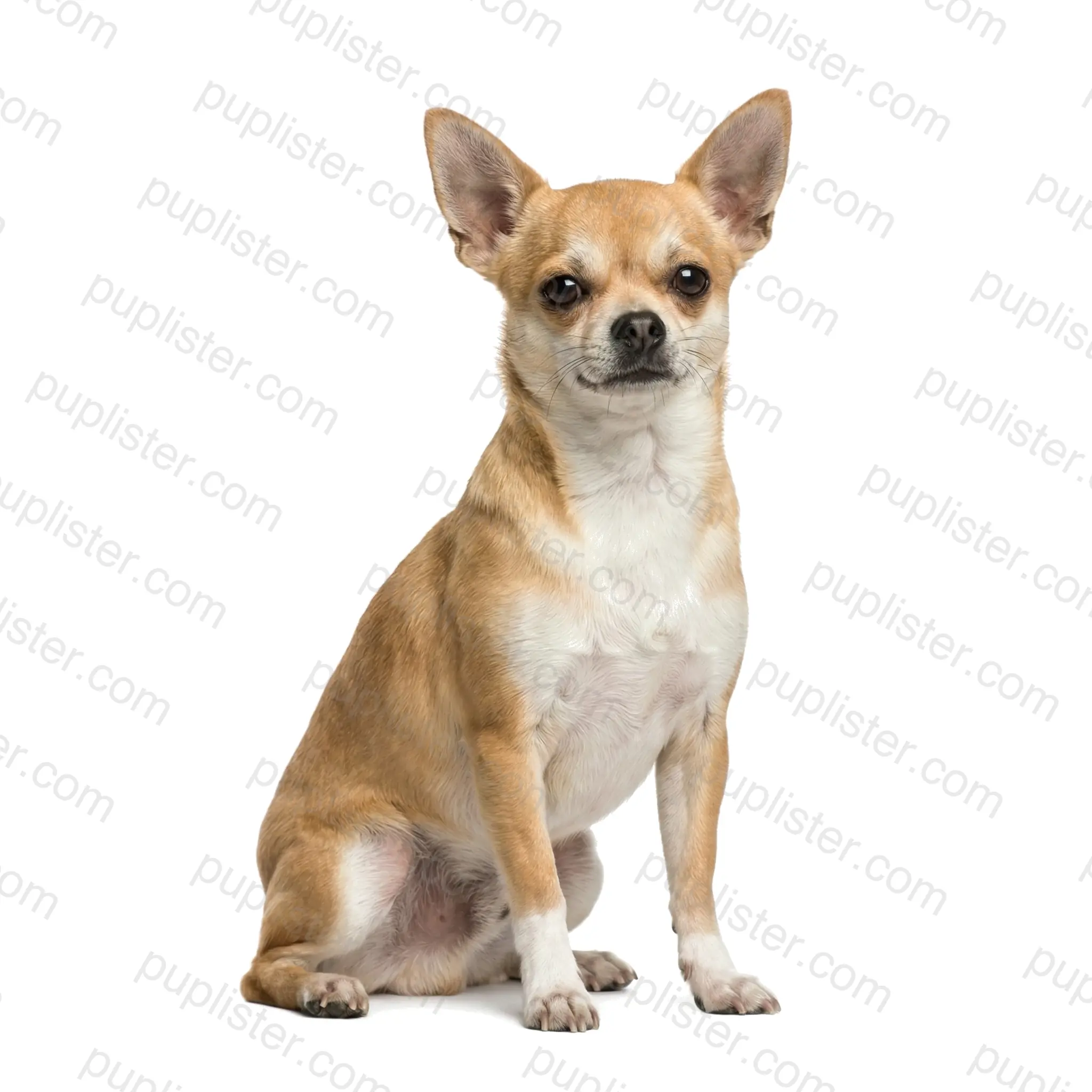
1About the Chihuahua The Chihuahua is the world's smallest dog breed, originating from the Mexican state of Chihuahua where ancestors of the breed were kept by the ancient Toltec civilization. Standing just 5–8 inches tall and weighing a mere 2–6 pounds, these tiny dogs come in smooth-coat and long-coat varieties with virtually every color and pattern combination imaginable. Despite their diminutive size, Chihuahuas carry themselves with a bold, terrier-like confidence that belies their fragile frame.Temperament & PersonalityChihuahuas are fiercely devoted to one person — often forming an almost obsessive bond with their chosen human. They are alert, spirited, and surprisingly courageous, frequently standing up to dogs many times their size without hesitation. While they can be wonderful companions for older children who handle them gently, their small size and tendency toward snappiness make them a poor match for households with toddlers.ProsPerfect apartment dogs — minimal space and exercise requirementsExceptionally long lifespan of 14–18 years, among the longest of any breedPortable size makes them easy travel companions for on-the-go ownersLow food costs and minimal grooming needs — especially the smooth-coat varietyConsProne to patellar luxation, heart murmurs, hydrocephalus, and dental overcrowdingFragile bones — easily injured by falls, rough play, or being stepped onNotoriously difficult to housebreak due to tiny bladders and stubborn temperamentTendency toward excessive barking and aggression toward strangers if not properly socializedDiscover your perfect pint-sized companion — explore Chihuahuas looking for forever homes right here on Puplister.
Adopted cat meowing all night? Discover why it happens, how to create a calm environment, and a realistic timeline to quiet nighttime meows.
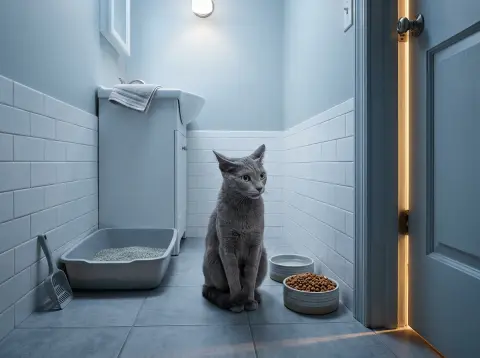
Is your adopted cat not eating? Learn the causes, from stress to past trauma, and discover practical solutions to get your new feline friend eating again.
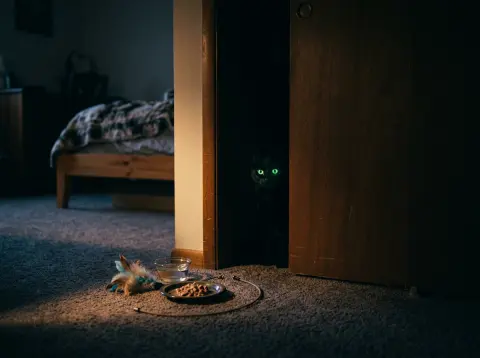
Is your new cat hiding and won't come out? It's normal, but proactive steps can help. Learn how to build trust with your shy adopted cat.
Discover how long it takes for a rescue cat to feel at home with our experienced guide, covering the 3-3-3 rule and actionable tips.