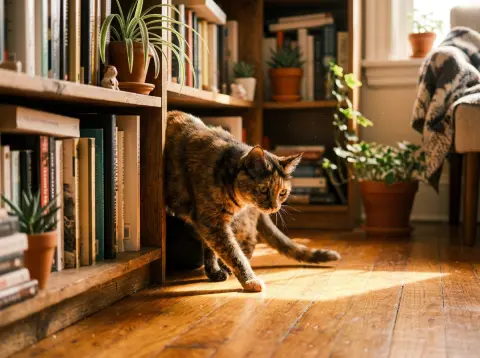
Adopted Cat Meowing All Night: How to Stop It
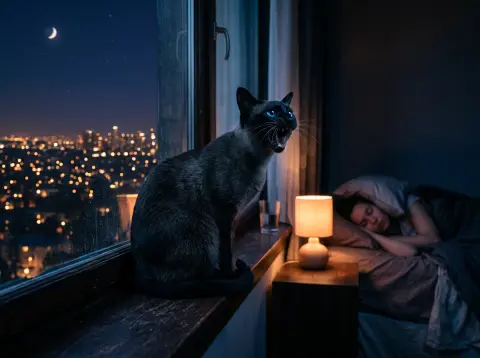
Adopted cat meowing all night? Discover why it happens, how to create a calm environment, and a realistic timeline to quiet nighttime meows.
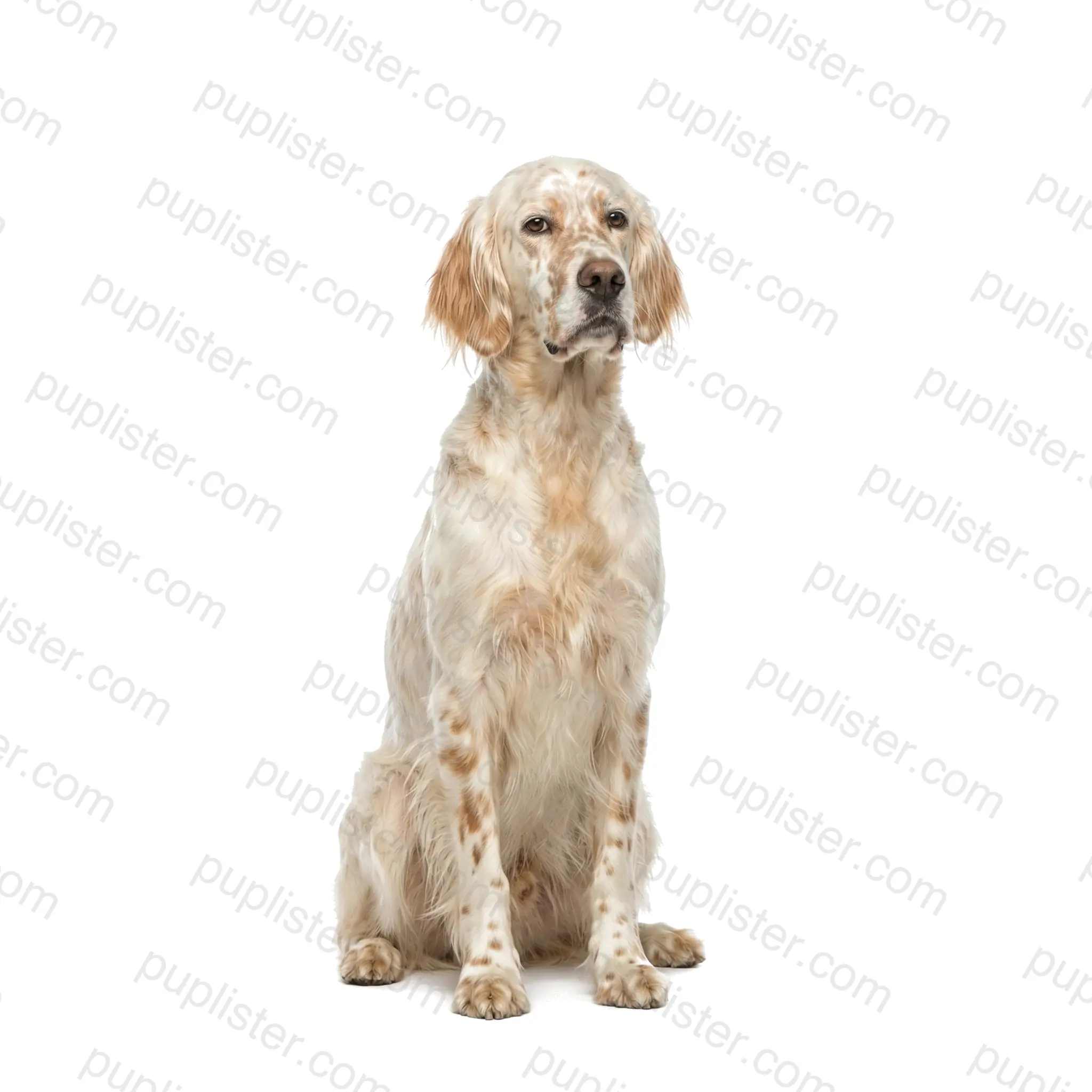
The English Setter is one of the oldest gun dog breeds — developed in England over 400 years ago to locate game birds by crouching or "setting" to indicate their position. Standing 23–27 inches tall and weighing 45–80 pounds, these graceful dogs are renowned for their beautiful feathered coat in distinctive "belton" patterns — blue belton, orange belton, tricolor, lemon belton, and liver belton. Their elegant appearance, with long, silky ears and a gently flowing coat, has earned them the title of the most beautiful sporting breed.
English Setters are gentle, sweet-natured dogs with a calm indoor demeanor that belies their energetic field abilities. They are exceptionally good with children — patient and tolerant even with rough toddler play — and generally accepting of other dogs and household pets. Their affectionate, people-oriented nature makes them poor kennel dogs; they need to live as part of the family to thrive emotionally.
Discover the beauty and gentleness of the English Setter — find one waiting for a home on Puplister.
Answer 5 quick questions to see how well this breed matches your lifestyle.
4 pets available
About the Havanese The Havanese — Cuba's only native breed — descended from the now-extinct Blanquito de la Habana and was the cherished lapdog of Havana's aristocracy for centuries before Cuban refugees brought them to America in the 1960s. Standing 8.5–11.5 inches tall and weighing 7–13 pounds, these small but sturdy dogs have a long, silky, lightweight coat that comes in every color imaginable — including white, cream, gold, black, silver, chocolate, and various parti-color combinations. Their coat is designed to insulate against tropical heat rather than cold, giving it a uniquely airy, flowing quality.Temperament & PersonalityHavanese are cheerful, outgoing, and deeply people-oriented — natural entertainers who thrive on being the center of attention. They are remarkably adaptable and sociable, getting along effortlessly with children, other dogs, cats, and even strangers who receive a warm, tail-wagging welcome. Their playful, clownish nature and expressive faces make them exceptional companion dogs — they're sometimes called "velcro dogs" for their habit of following their owners everywhere.ProsLow-shedding coat is well-suited for allergy-sensitive householdsExcellent with children and other pets — gentle, patient, and playfulHighly trainable and eager to please — respond well to positive reinforcementAdaptable to any living situation — equally happy in apartments or homes with yardsConsLong coat requires daily brushing and regular professional grooming to prevent mattingProne to severe separation anxiety — can become destructive or develop excessive barking when left aloneSusceptible to patellar luxation, cataracts, and Legg-Calve-Perthes diseaseCan be difficult to housebreak — small bladder and sensitive temperament complicate trainingBring the sunshine of Havana into your home — find Havanese dogs waiting for families on Puplister.
9 pets available
1About the Mastiff The English Mastiff is one of the most ancient and massive dog breeds, with roots tracing back over 2,000 years to ancient Britain and possibly earlier Molosser-type dogs of Asia. Males commonly weigh 160 to 230 pounds and stand 30 inches or taller at the shoulder, making them among the heaviest domestic dogs in the world. Their short, dense double coat comes in fawn, apricot, or brindle — always with a distinctive dark mask on the face. Temperament & Personality Despite their imposing size, Mastiffs are famously gentle, calm, and deeply loyal — often called "gentle giants" with good reason. They are patient and protective with children in their family, though their sheer mass means supervision around small kids is wise. Mastiffs tend to be reserved with strangers but rarely aggressive, preferring to position themselves between their family and any perceived threat. Pros Naturally protective without needing guard trainingSurprisingly low energy indoors — content to lounge for hoursGentle and patient temperament ideal for familiesShort coat requires only basic weekly brushing Cons Massive food bills — adult Mastiffs eat 6 to 10 cups of food dailyShorter lifespan of 6 to 10 years typical of giant breedsProne to hip dysplasia, bloat (gastric torsion), and heart conditionsExcessive drooling is a constant reality with this breed Ready to welcome a magnificent gentle giant into your home? Explore Mastiff adoption opportunities on Puplister.
12 pets available
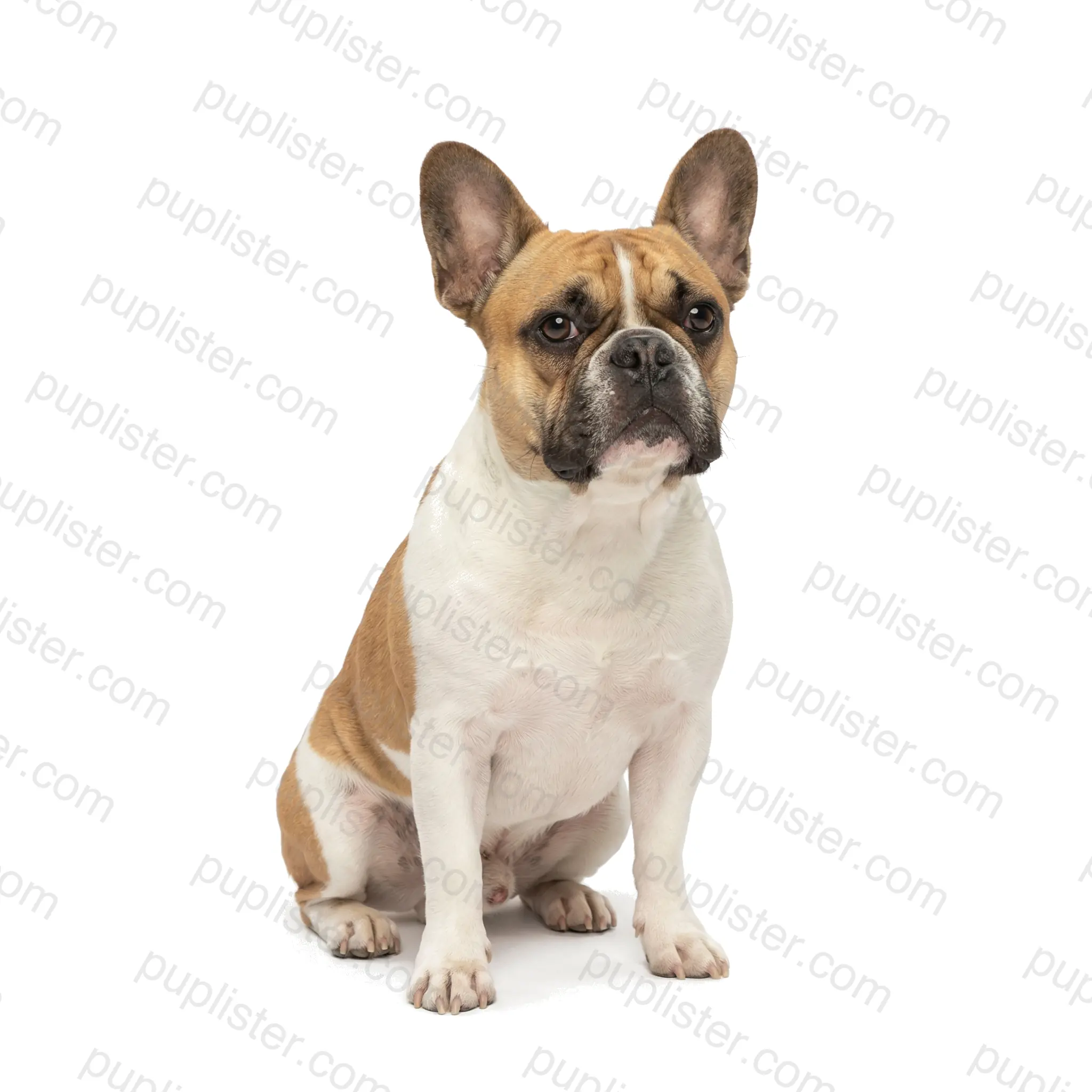
1About the French Bulldog The French Bulldog — or "Frenchie" — descended from miniaturized English Bulldogs brought to France by lace workers during the Industrial Revolution, where they were crossed with local ratters and developed into the bat-eared companion we know today. Standing 11–13 inches tall and weighing under 28 pounds, these compact, muscular dogs have a smooth, short coat in brindle, fawn, white, cream, and various pied combinations. Their oversized bat ears, flat face, and stocky build give them an irresistibly comical appearance that has made them one of the most popular breeds worldwide.Temperament & PersonalityFrench Bulldogs are playful, alert, and adaptable — equally happy clowning around the living room or snoozing on their owner's lap for hours. They are affectionate without being clingy and generally get along well with children, other dogs, and strangers alike. Their easygoing nature and moderate energy level make them one of the most versatile companion breeds for urban dwellers.ProsIdeal apartment dogs — low exercise needs, rarely bark, and thrive in small spacesFriendly, sociable temperament — gets along with virtually everyoneMinimal grooming requirements — short coat needs only occasional brushingPlayful and entertaining without the hyperactivity of many small breedsConsBrachycephalic breed — prone to breathing difficulties, overheating, and exercise intoleranceExtremely expensive veterinary care — spinal issues, allergies, and eye problems are commonCannot swim due to their top-heavy build — require constant supervision near waterProne to flatulence, snoring, and skin fold infections that require regular cleaningFall in love with a charming Frenchie — explore French Bulldogs available for adoption on Puplister.
28 pets available
1About the Pug The Pug is one of the oldest toy breeds, originating in China around 400 BC as prized companions of Buddhist monks and later Chinese emperors. These compact, square-proportioned dogs weigh 14 to 18 pounds and stand 10 to 13 inches tall, with a distinctively wrinkled face, large round eyes, and a tightly curled tail. Their smooth, short double coat comes in fawn (with a black mask) or solid black — and despite its short length, it sheds prolifically. Temperament & Personality Pugs live to love and be loved — they are charming, mischievous, and remarkably attuned to their owners' emotions, making them outstanding companion dogs. They get along wonderfully with children, other dogs, and even cats, possessing a sociable nature that makes them the life of any gathering. Pugs are playful without being hyperactive, and their clownish antics provide endless entertainment for their families. Pros Exceptionally friendly and sociable with everyone — people, children, and other petsLow exercise requirements — perfectly content with moderate daily walksCompact size and calm demeanor make them ideal apartment companionsSturdy build for a toy breed — less fragile than many other small dogs Cons Brachycephalic syndrome causes chronic breathing difficulties and severe heat intoleranceProne to obesity, which compounds respiratory and joint problemsEye issues including proptosis, corneal ulcers, and dry eye due to prominent eyesSheds heavily year-round despite the short coat length Pugs bring joy wherever they go — find your wrinkly-faced soulmate waiting on Puplister.
Adopted cat meowing all night? Discover why it happens, how to create a calm environment, and a realistic timeline to quiet nighttime meows.
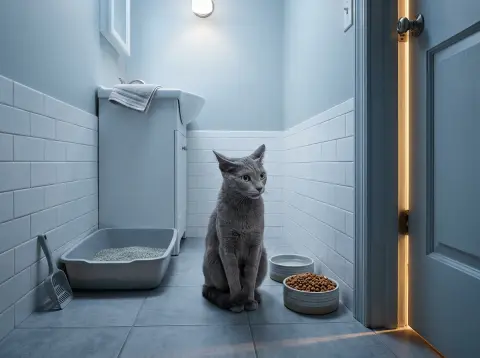
Is your adopted cat not eating? Learn the causes, from stress to past trauma, and discover practical solutions to get your new feline friend eating again.
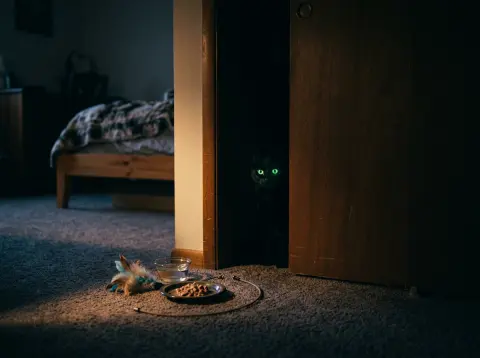
Is your new cat hiding and won't come out? It's normal, but proactive steps can help. Learn how to build trust with your shy adopted cat.
Discover how long it takes for a rescue cat to feel at home with our experienced guide, covering the 3-3-3 rule and actionable tips.